 海关法规查询系统
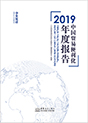
《中国贸易便利化年度报告(2019)》(中英文版)已由中国商务出版社出版,欢迎购买
定价:人民币380元/册
联系人:陈女士
电话:010-65150119
《中国贸易便利化年度报告(2019)》相关链接
第1条:信息的公布与可获取性
第2条:评论机会、生效前信息及磋商
第3条:预裁定
第4条:上诉或审查程序
第5条:增强公正性、非歧视性及透明度的其他措施
第6条:关于对进出口征收或与进出口和处罚相关的规费和费用的纪律
第7条:货物放行与结关
第8条:边境机构合作
第9条:受海关监管的进口货物的移动
第10条:与进口、出口和过境相关的手续
第11条:过境自由

相关附件
2019中国贸易便利化年度报告.pdf
附件内容预览
版权说明 《中国贸易便利化年度报告(2019)》由北京睿库贸易安全及便利化研究中心全程组 织调研、编撰、设计、制作。 本材料中所有内容,包括文字、图片和图表资料,版权均归北京睿库贸易安全及便利 化研究中心所有,任何个人或机构未经本中心书面协议授权,不得以任何形式、任何手段 复制、发布、发表或传播。 以上条款,如有违者,本中心保留依法追究其责任的权利。 北京睿库贸易安全及便利化研究中心 网址:http://www.re-code.org/ 地址:北京市朝阳区建国门外大街甲 24 号东海中心 1107 电话:+86-10-65150119 北京睿库贸易安全及便利化研究中心版权所有 - 2 - Copyright Notice The Trade Facilitation Annual Report of China (2019 Edition) is a research report based on the investigation and research conducted all by Beijing Re-code Trade Security and Facilitation Research Center ("Re-code"). This material is composed, designed, and produced all by Re-code. All contents, including the text, pictures, and graphs, contained in this material, belong to Re-code's copyrights. This material may not be reproduced, released, published, or distributed by any individual or institution in any manner without the written authorization of Re-code. All rights reserved. Re-code withholds the right to hold accountable those who violate the aforementioned statements. Beijing Re-code Trade Security and Facilitation Research Center http://www.re-code.org/ 1107 Donghai Center, Jianguomen Wai, Chaoyang District, Beijing, 10004 PRC +86-10-65150119 © Beijing Re-code Trade Security and Facilitation Research Center - 3 - 项目成员 Team Members 项目统筹:江小平 郭 崞 林 倩 Directors: JIANG Xiaoping, GUO Guo, LIN Qian 项目专家(排名不分先后) Experts 江小平 Mr. JIANG Xiaoping 北京睿库贸易安全及便利化研究中心 Director, Beijing Re-code Trade Security and Facilitation Research Centre 主任。 Mr. JIANG used to serve in the General Administration of China 曾任职于海关总署、地方海关、外经 Customs, Local Customs Authority, Bureau of Foreign trade and 贸局等政府机构及外贸公司、世界 500 other government agencies as well as foreign trade corporation and 强外企,现兼任《中国海关》杂志社 global top 500 companies. He is now a member of the think-tank 专家库成员、对外经济贸易大学客座 of the China Customs magazine, guest professor of the University 教授、亚洲开发银行跨境贸易专家。 of International Business and Economics and cross-border trade 先后组织实施《国际进出境快递货物 expert of Asian Development Bank (ADB). Being an active partic- 海关监管制度》《边境地区小额贸易 ipant and influencer in the development of China Customs System, 的现状及发展》(亚洲开发银行项目)、 Mr. JIANG has hosted and organized a series of research projects 《海关特殊监管区保税货物流转管理 with applied value, including Customs Control System of Interna- 制度改革》《进出口海运放行时间》(系 tional Inbound and Outbound Express Freight, Current Status and 列课题)等一系列具有应用价值的研 Development of Small-scale Trade in Border Regions (ADB pro- 究课题,是中国海关制度建设的积极 gram), Reform on the Circulation Management System of Bonded 参与者、影响者。《中国贸易便利化 Goods in Special Customs Supervision Zones, and Research on 年度报告》(2016、2017)课题项目发起、 Release Time of Import and Export Sea Cargoes. Mr. JIANG is the 规划、组织、统筹及部分编撰。 initiator, designer, organizer, coordinator as well as writer of the Annual Report on Trade Facilitation in China (2016&2017). 林倩 Mr. LIN Qian 北京德和衡律师事务所高级合伙人、 Senior partner of Beijing DHH Law Firm and practicing attorney, a 执业律师,北京睿库贸易安全及便利 researcher of Beijing Re-code Trade Security and Facilitation Re- 化研究中心研究员,中国政法大学研 search Centre and adjunct professor of Graduate School of China 究生院兼职教授。 University of Political Science and Law. 林倩律师曾在海关总署从事走私违规 Mr. LIN was a senior legal expert on customs laws who was en- 案件的审理和立法工作,是海关法领 gaged in trials of smuggling cases and legislation in the General - 4 - 域资深法律专家。为《中国海关》杂 Administration of China Customs. He is currently a guest writer 志“老林说法”专栏特约撰稿人,发 of “Lin’s Legal Lens” column of the China Customs, publishing 表海关进出口贸易合规法律风险防控 dozens of articles on import and export trade compliance and legal 方面的文章数十篇,是进出口贸易合 risk prevention. He’s also the author of Lin’s Legal Lens, a popular 规类专著《老林说法》一书的作者。 book on trade compliance of imports and exports. 李卓 Mr. LI Zhuo 长期从事关务工作,有丰富的关务、商务、 Mr. LI has long been engaged in customs affairs with rich experience 税务工作经验,熟悉外贸、海关政策及 in customs, business, and taxation. Mr. LI is familiar with international 实务操作,擅长关务全流程优化整合《中 trade, customs regulation and customs clearance, and skilled in inte- 国贸易便利化年度报告》(2017)课题项 gration of overall customs clearance procedures. He is a member of 目组成员。 project of Annual Report on Trade Facilitation in China (2016&2017). 张浩 Mr. ZHANG Hao 深圳市全运通物流发展有限公司关务 Director of the Customs Affairs, Shenzhen Channelton Logistics Develop- 总监。 ment Co., Ltd. 从事进出口报关和物流工作 17 年,曾 Mr. ZHANG has been engaged in customs declaration and logistics service 担任大型台资和美国上市公司在华工 for 17 years and served as the director of shipping and logistics manager in 厂的船务主管和物流经理等职,擅长 the factory in mainland China of a Taiwan-invested company and an Amer- 企业贸易合规和加工贸易保税管理, ican listed company respectively. Skilled in trade compliance of enterprises 对海关和检疫检疫政策法规有较深钻 and management of bonded processing trade, he does deep study on policies 研和学习。 and regulations of customs as well as inspection and quarantine matters. 熊斌 Mr. XIONG Bin 深圳市天地纵横企业管理顾问有限公 Founding partner of Shenzhen Mbase Consultants Co., Ltd. 司创始合伙人,长期从事关贸政策研 Mr. XIONG has long been engaged in the research of trade policy, pro- 究、涉外型企业管理咨询和技术服务 viding consultations on the management of foreign-related enterprises, 工作。 and offering technical services. He is equipped with outstanding capa- 具备深厚的疑难涉外问题处置和解决 bilities in solving challenging problems concerning foreign affairs. Mr. 能力,指导众多大中型涉外企业的海 XIONG provides guidance to many large and medium-sized enterpris- 关、税务、外汇、工商、贸易模式、 es on issues regarding customs, taxation, foreign exchange, business, 供应链筹划工作,帮助其建立贸易合 trade mode and supply-chain, and helps them to establish trade com- 规管理体系。积极参与新型贸易业态 pliance management system. He is actively involved in the planning of 创新筹划、课题研究和政策推进工作。 innovation of new-type trade mode, research and policy promotion. He 长期担任商务部培训中心、中国国际 has been serving as the guest trainer for the Training Center of Minis - 5 - 商会、中国贸易促进会、中国五矿化 try of Commerce, China International Chamber of Commerce, China 工进出口商会特邀培训专家。著有《外 Trade Promotion Association and China Chamber of Commerce of 贸企业轻松应对海关估价》《涉外型 Metals, Minerals& Chemicals Importers & Exporters. He has authored 企业海关事务风险管理报告》《加工 a number of books including Techniques of Customs Valuation for 贸易实务操作与技巧》《AEO 认证实 Foreign Trade Enterprises, Report on Risk Management of Customs 用手册》等系列书籍。《中国贸易便 Matters of Foreign-related Enterprises, Practice and Techniques of Pro- 利化年度报告》(2016、2017)课题 cessing Trade and Handbook of AEO Accreditation. He is a member 项目组成员。 of project of Annual Report on Trade Facilitation in China (2016&2017). 郭崞 Mr. GUO Guo 长期从事关务信息工作,熟悉海关、 Mr. Guo has long been engaged in customs information matters, is sensi- 外贸政策动态,擅长关务资讯产品生 tive to customs and foreign trade policy. He is an expert in whole-process 产全流程管理。《中国贸易便利化年 management of the production of customs information products. He is 度报告》(2016、2017)课题项目组成员。 a member of project of Annual Report on Trade Facilitation in China (2016&2017). 于德水 Mr. YU Deshui 长期在海关(原检验检疫转隶)基层 Mr. YU has served in grass-root positions in the customs (inspection and 一线多个岗位工作,对原检验检疫技 quarantine) field for a long-time, and thus is familiar with technical regu- 术法规、标准、合格评定等较为熟悉。 lation, standard and conformity assessment procedures of inspection and 主持和参与科研、政研课题多个,发 quarantine. 表论文多篇,主持制订 SN 行业标准 2 Mr. YU hosted or participated in a number of academic and policy re- 项《中国贸易便利化年度报告》(2016、 search programs hosted by the General Administration of Quality Super- 2017)课题项目组成员。 vision, Inspection and Quarantine of China and its subordinated bureaus as well as programs of provincial and municipal level. He worked as the team leader or member in several scientific and policy-making research projects, has a number of essays published, and took a leading role in revising two industrial standards of SN. He is a member of project of Annual Report on Trade Facilitation in China (2016&2017). 周卓见 Mr. ZHOU Zhuojian 经济学硕士,专业领域为国际贸易与 Mr. ZHOU has a master degree of economics and specializes in 数据分析。 international trade and data analysis. 2014 年加入北京睿库贸易安全及便利 Mr. ZHOU joined Beijing Re-code Trade Security and Facilitation 化研究中心,参与了《中国进出口货 Research Centre in 2014, and he was involved in the design and - 6 - 物口岸放行时间评测》《贸易便利化 implementation of a few research projects, including Time Release 评价指标体系》《口岸收费调查》等 Study of Import and Export Goods at Ports in China, Assessment 一系列研究课题的方案设计和具体实 Indictor System of Trade Facilitation and Charge Survey at Ports, 施工作,并主要承担了各项目中的流 and undertook the process collection and data analysis. 程整理和数据分析任务。 - 7 - 使用指南 1.本报告以世界贸易组织《贸易便利化协定》(Trade Facilitation Agreement)第一部 分为结构框架,按照《贸易便利化协定》各条规定,逐条对中国的实施情况进行评议。另 外增加了近年来中国政府机构在贸易便利化方面的重大举措和事项,并根据经济合作与发 展组织在相关报告中使用的“贸易便利化评价指标体系”,进行一定的修改调整,以问卷 调查形式,给出了量化分析报告。 2.2015 年 9 月 4 日,中国向世界贸易组织递交了关于《贸易便利化协定》议定书的 接受书,成为世贸组织第16 个接受议定书的成员,为协定的尽早实施起到了重要推动作用。 中国对《贸易便利化协定》第 7 条第 6 款“调查确定并公布平均放行时间”、第 10 条第 4 款“单一窗口”、第 10 条第 9 款“暂准进口货物及入境 / 出境加工”、第 12 条“海关 合作”作出了保留。对于上述作出保留的条款,除第 12 条外,本报告同样进行评议。 3.借鉴国际经验,本报告改变了基于数据覆盖年份命名的方式,以报告指导年份为 基准,在 2016、2017 版后接续推出 2019 版。 4.本报告第一部分《贸易便利化逐项参照评议》正文中所有在句首使用阿拉伯数字 或英文字母排序、通栏排版的部分均为《贸易便利化协定》原文条款,其余为评议内容。 5.按照中国政府部署,原国家质量监督检验检疫总局的出入境检验检疫管理职责和 队伍划入海关总署。自2018 年 4 月 20 日起,出入境检验检疫统一以海关名义对外开展工作。 鉴于此,本报告自 2019 版起,在评议内容中不再对“海关”与“检验检疫”进行分类评议。 但因 2019 版报告的数据更新区间为 2017 年 11 月 1 日 -2018 年 8 月 31 日,且机构改革后 大量相关法规的立改废工作仍在进行中,故本次报告仍保留了涉及原质检总局的相关内容。 6.本报告对内文中所涉相关规定、政策、信息资源,均给出了对应的互联网官方网 址链接,仅附于北京睿库贸易安全及便利化研究中心网站(www.re-code.org)“研究报告” 栏目公布的电子版《报告》中,供参照查用。 7.本报告为参考性建议,所作调查、评议仅具参考价值,不具备完全的穷尽性、 精确性。 8.本报告为开放式项目,未能穷尽和不尽精确之处,欢迎有识之士提出切实批评和 宝贵建议。 9.本报告中所涉及的全部信息、资料、数据,有效性均截至 2018 年 8 月 31 日。 - 8 - Readers' Guide 1. This report is structured according to Section I of Trade Facilitation Agreement (TFA) of the World Trade Organization (WTO). It reviews how China has implemented TFA, provision by provision. Re-code has made certain modifications and adjustments on the "Assessment Index System of Trade Facilitation" adopted in the relevant reports by the Organization for Economic Co-operation and Development. By designing the special evaluation questionnaire, Re-code organized a questionnaire assessment and produced a quantitative report. 2. On September 4, 2015, China ratified the protocol of WTO TFA, becoming the 16th member to accept it and contributing significantly to its implementation at an early date. China had reservations about Paragraph 6 of Article 7 "Establishment and Publication of Average Release Times", Paragraph 4 of Article 10 "Single Window", Paragraph 9 of Article 10 "Temporary Admission of Goods and Inward and Outward Processing", and Article 12 "Customs Cooperation". This Report also reviews these provisions except Article 12. 3. Drawing on the international experience, we change the nomenclature of the annual report based on the years of data coverage. Instead and launch the 2019 edition after the 2016 and 2017 editions by taking the year of reporting guidance as the benchmark. 4. Among the main body of the text, those parts listed by Arabic numbers or English letters, and spanning the full width of the content area, are the original articles of WTO TFA. The rest are comments made by Re-code. 5. According to the arrangement of the Chinese central government, the entry and exit inspection and quarantine duties and workforce of the former AQSIQ was integrated into GACC. Since April 20, 2018, the previous entry-exit inspection and quarantine workforce has operated as an integral part of Customs. In view of this, since the 2019 edition of this report, the comments are no longer made by “customs” and “inspection and quarantine”. However, since the data update range of the 2019 edition report is from November 1, 2007 to August 31, 2018, and, in response to the institutional reform, the formulation, revision and abolition of a large number of related laws and regulations are still in process, in the report relevant contents related to the former AQSIQ are still retained. 6. The regulations, policies, and information sources contained in this Report are attached to the text of its electronic version published in the “Research Report” column on the official website of Re-code (www.re-code.org) with hyperlinks for the readers’ reference. 7. This Report is for reference only. The research and comments in this Report are only for reference and are not necessarily exhaustive or completely accurate. 8. This Report is open-ended. Readers are welcome to make comments and suggestions to help us render it more thorough and accurate. 9. All the information, materials, and data in this Report are valid until August 31, 2018. - 9 - 序 言 2015 年 9 月 4 日,中国向世界贸易组织递交了关于《贸易便利化协定》议定书的接受书。 《贸易便利化协定》是一份具有开创性意义的成果,旨在简化国际贸易流程,大幅减少对 国际贸易形成减缓和阻碍作用的繁文缛节、官僚冗习,从而降低跨境交易的时间和经济成 本。众所周知,这是贸易便利化领域一项志存高远的安排,其实施有助于优化政府财政汲 取、改善外资营商环境、增强国家总体竞争力。 实施《贸易便利化协定》需要政府的大力支持和商界的全心投入。从这个角度上讲, 睿库贸易安全及便利化研究中心编撰和发布《中国贸易便利化年度报告》可谓正当其时, 这份报告既有清晰的指导意义,又有切实的操作参考价值,有助于投资人、贸易商和其他 相关人士更好地了解和跟踪贸易便利化进程,基于事实进行决策,准确判定挑战和机遇, 并且有效开展能力建设和技术援助。 我希望这份报告能够帮助中国及其贸易伙伴推进自身的贸易便利化进程,为政府、 企业、跨境贸易商、生产商和消费者带来便益,提高地区乃至全球一体化水平,从而更好 地实现联合国 2030 年可持续发展目标。 Maria Rosaria Ceccarelli 联合国欧洲经济委员会经济合作与贸易司贸易便利化处处长 - 10 - Preface It is on the 4th of September 2015 that China ratified the WTO Trade Facilitation Agreement – a ground breaking agreement that promises to streamline and significantly reduce the “red tape” and bureaucratic procedures that slow and impede international trade, thereby reducing the time and cost of doing business across borders. It is well known, that implementation of the large trade facilitation agenda can contribute to improving the ways in which the government revenues are collected, as well as to bettering conditions for foreign investors, thereby reinforcing national competitiveness. Implementing this Agreement demands strong political support and full commitment of the trade community. In light of this, the Trade Facilitation Annual Report of China, prepared by Re-code Trade Security and Facilitation Research Centre, is very timely and provides clear guidance and action oriented recommendations. The results of this report are expected to enable investors, traders and other stakeholders to better understand and monitor progress in trade facilitation, support evidence-based decision-making, identify challenges and opportunities, and capacity building and technical assistance needs. I hope this report will help China and its partners to advance trade facilitation agenda to the advantage of the government, businesses, cross-border traders, producers and consumers, to enhance regional and global integration and to ultimately better achieve the Sustainable Development Goals of the United Nations Agenda 2030. Maria Rosaria Ceccarelli Chief, Trade Facilitation Section Economic Cooperation and Trade Division United Nations Economic Commission for Europe - 11 - 序 言 很高兴能为这份具有重要意义的研究报告作序。我相信,北京睿库贸易安全及便利化 研究中心(下称“睿库”)组织编撰的这份报告,必将对中国改善自身贸易环境起到积极 的推动作用。同时,这份以中英双语形式出版的研究成果,也必将为其他国家的研究人员 和贸易商提供有益的参考。 贸易便利化是影响经济健康运行和全球贸易可持续发展的重要议题。世界贸易组织的 《贸易便利化协定》在 2013 年巴厘部长级会议上通过后,已于 2017 年 2 月 22 日正式生效。 该协定被普遍认为是国际贸易领域具有里程碑意义的政策成果,有望在全球范围内带来更 多更好的发展机会。经济学家预测,该协定的完全实施将使贸易成本平均削减 14.3%,每 年为全球贸易带来 1 万亿美元的增量,其中最大的收益将由最不发达国家获得。 世界海关组织成立于 1952 年,旨在协调各国海关的业务运行,其本质实际上就是促 进贸易便利化。这些年来,世界海关组织为实现海关程序的标准化和协调化付出了大量努 力,开发了很多促进进出口流程简便化、现代化和协调化的工具,供各国政府机构和相关 各方采用。其中一些,比如《经修订的京都公约》、《协调制度公约》、《安全标准框架》 和《单一窗口纲要》,已被包括中国在内的很多世界海关组织成员采用和实施,为全球经 济和贸易商带来了丰厚的收益。 对这个世界上的很多人而言,中国是一个充满未知的国家。而在贸易便利化的促进 因素中,透明度极为重要,因为它为贸易商提供了确定性和可预期性。在我看来,睿库的 这份报告在研究相关文献资料和专业分析工具以及搜集相关的基础数据方面付出了大量心 血。它不但为我们展现了有关中国实施《贸易便利化协定》的具体情况,还基于对经合组 织的贸易便利化指数进行适当改造后形成的测评方法,为我们提供了一份有关中国贸易环 境的量化分析。 作为全球第二大经济体和第一贸易大国,中国在全球贸易中无疑发挥着举足轻重的作 用。我希望这份报告能够得到更多人的关注,从而对中国的贸易便利化进程发挥更大的推 动作用。我也对睿库在贸易安全和便利化方面所做的工作表示衷心的赞赏,希望睿库再接 再厉,继续为保障贸易安全、促进贸易便利化不懈努力。 Ana B. Hinojosa 世界海关组织守法便利司司长 - 12 - Preface It’s my pleasure to write this brief article on this important work, the Trade Facilitation Annual Report of China. I believe the report completed by Beijing Re-code Trade Security and Facilitation Research Center (Re- code) would be helpful for China to improve its trade conditions. Meanwhile, the report, which is bilingual, in both Chinese and English, could also provide researchers and traders from other countries with valuable references. Trade facilitation is a critical issue for the economic health and sustainable global trade. The World Trade Organization’s Trade Facilitation Agreement (WTO TFA), which was concluded at the 2013 Bali Ministerial Conference and entered into force on 22 February 2017, is regarded as a landmark achievement and clearly expected to produce greater opportunities all around the world. Economists estimate that the full implementation of the agreement could reduce trade costs by an average of 14.3% and help boost global trade by up to 1 trillion USD per year, with the biggest gains being realized in the poorest countries. The World Customs Organization (WCO) was created in 1952, for the foundational purpose of coordinating customs operations and, in essence, bring about trade facilitation. Over the years, the WCO has undertaken many efforts to bring about standardization and harmonization of customs procedures and developed many tools for governments and relevant stakeholders to simplify, modernize, and harmonize the export and import processes. Some of them, such as the Revised Kyoto Convention, the Harmonized System Convention, the SAFE Framework of Standards and the Single Window Compendium, which have been accepted by large numbers of the WCO members including China, and their implementation, has already reaped a wide array of benefits for the global economy and for traders. China remains a mystery to many around the world. The biggest contributor towards trade facilitation is transparency. It engenders trust and predictability. I think that in this report, Re-code has made great efforts in studying the related documents and tools and collecting data. In this book, it offers not only detailed reviews on China’s trade facilitation process on in relation to the WTO TFA, but also presents us with a quantitative analysis about the country’s trade conditions based on a measurement system, which has been designed by revising the OECD Trade Facilitation Indicators(TFIs). As the world’s second largest economy and the largest trading nation, China definitely plays a vital role in the global trade. We hope this report will be noticed by more people and thereby contribute to the country’s trade facilitation. We applaud Re-codes work in studying the trade security and facilitation, and hope they continue their great efforts in the near future. Ana B. Hinojosa Director Of Compliance and Facilitation, World Customs Organization - 13 - 前 言 以客观、公正为原则编撰的《中国贸易便利化年度报告》,自 2016 版首次公布以来, 得到了国内外业界和相关机构越来越多的积极评价。为此,我们深受鼓舞,决定按原定目 标继续推进并努力提升报告质量。 自这一版起,我们借鉴国际经验,改变基于数据覆盖年份为报告命名的方式,以报 告指导年份为基准,在 2016、2017 版后接续推出 2019 版。另外,为方便读者快速了解报 告内容和中国贸易便利化的最新进展,我们增加了《摘要》一章。反映过去一年来中国政 府机构在贸易便利化方面重大举措和事项的专项报告,以及对中国便利化进程和水平进行 客观测评的量化报告,也都做了相应更新。 在新版《报告》出版发行之际,我要衷心地感谢世界海关组织守法便利司司长Ana B. Hinojosa 女士、联合国欧洲经济委员会(UNECE)经济合作与贸易司贸易便利化处负责人 Maria Rosaria Ceccarelli 女士,她们在百忙之中抽出时间为报告欣然作序;感谢联合国欧洲 经济委员会的 Maria Teresa Pisani 女士和 Andrew Grainger 博士,他们对本书给予了高度关切, 并提出了宝贵建议;也要感谢菜鸟网络科技有限公司、深圳市泰洲科技有限公司、琥博信 息科技(上海)有限公司、康明斯 ( 中国 ) 投资有限公司、深圳市天地纵横企业管理顾问 有限公司、上海兴亚报关有限公司、昆山双叶软件科技有限公司、慧泽商通(北京)科技 有限公司、上海欣海报关有限公司、江苏宏坤供应链管理有限公司、英特尔(中国)有限 公司,他们为报告的面世、出版和不断改进提供了持续的支持和帮助。 我还要特别感谢报告编撰团队成员为提升报告质量所做出的努力。 本着开放的态度,我们接受任何善意的、建设性的批评意见和建议,并真诚欢迎专 业人士通过网络及微信等方式参与到这个项目中来,网络测评网页地址:http://www.re- code.org/。微信号:jiangxp1234。 北京睿库贸易安全及便利化研究中心主任 - 14 - Foreword Trade Facilitation Annual Report of China,which takes an objective and impartial attitude, has been positively evaluated by the business circle at home and abroad, as well as relevant institutions since its first publication in 2016. We are greatly inspired and make up our minds to continue the compilation of the report on a yearly basis as planned, and endeavor to improve the quality of the report. Drawing on the international experience, we change the nomenclature of the annual report based on the years of data coverage. Instead and launch the 2019 edition after the 2016 and 2017 editions by taking the year of reporting guidance as the benchmark. A Summary is supplemented to provide a quick view of the entire contents. Moreover, significant initiatives and major events of the Chinese government in promoting trade facilitation are introduced, helping the outside world to fully understand the trade facilitation in China. On the occasion of the publication of the new annual report edition, I would like to extend my heartfelt thanks and deep gratitude to Mrs. Ana B. Hinojosa, Director of Compliance and Facilitation at the World Customs Organization, and Mrs. Maria Rosaria Ceccarelli, Chief of the Trade Facilitation Section at the Economic Cooperation and Trade Division of the United Nations Economic Commission for Europe (UNECE), for their generous offer of prefaces to this edition. I would also like to express my gratitude and thanks to Mrs. Maria Teresa Pisani and Dr. Andrew Grainger, at the UNECE for their kindly concern and advice on the report. Meanwhile, my sincere thanks go to the following companies for their contribution to the report: Cainiao Network Technology Co., Ltd., Shenzhen Tai Zhou Technology Co., Ltd., Amber Road China Ltd., Cummins (China) Investment Co., Ltd., Shenzhen Mbase Consultants Co., Ltd., Shanghai Xingya Customs Brokers Co., Ltd., Kunshan Su-Soft Technology Co., Ltd., Huize Shangtong (Beijing) Technology Co., Ltd., Shanghai Xinhai Customs Brokerage Co., Ltd., Jiangsu Hongkun Supply Chain Management Co., Ltd. and Intel China Ltd. In particular, I would like to express my sincere appreciation to the editing team for their dedication to improve the quality of the report. Any well-intentioned and constructive criticism and suggestions will be accepted with an open mind. Professionals are sincerely welcomed to participate in the project by ways of internet or Wechat. The website for online evaluation: http://www.re-code.org/. Wechat: jiangxp1234. Director,Beijing Re-code Trade Security and Facilitation Research Centre - 15 - 摘 要 这是《中国贸易便利化年度报告》的第三个版本,也是该报告正式出版发行的第二 个版本。相比于上一版本,这一版本在编撰体例上有以下四方面变化: 一、参照国际上年度报告命名方式,以报告指导年份为基准,在 2016、2017 版后接 续推出 2019 版; 二、与中国政府将出入境检验检疫管理职责和队伍划入海关总署的举措相适应,在 评议内容中不再对“海关”与“检验检疫”进行分类评议; 三、是为了保证出版质量,将数据覆盖区间的截止时间确定为 8 月底; 四、印刷版报告不再保留“相关链接”,需要者可通过北京睿库贸易安全及便利化 研究中心网站公布的电子版《报告》获得。 2017 至 2018 年期间,中国在贸易便利化领域发生的重大事项主要有以下几项: 1. 关检融合。原国家质量监督检验检疫总局的出入境检验检疫及商品质量管理职责 和队伍划归海关。自 2018 年 4 月 20 日起,原出入境口岸检验检疫机构统一以海关名义对 外开展工作。尽管两个机构原有的通关流程以及系统应用的全面整合尚需时日,但可以预 见此次机构重组对边境执法的统一性、协调性、便利性的提升将产生积极影响。 2. 单一窗口。截至 2017 年底,“中国国际贸易单一窗口”标准版实现 11 个部委的 系统对接,并在全国范围得到实施 。随着“单一窗口”标准版应用功能的不断扩大和性 能的提升,跨境贸易货物的通关效率将得到持续提高。 3. 预裁定。中国海关发布并有效实施了新的预裁定制度。 北京睿库贸易安全及便利化研究中心对经济合作与发展组织(OECD)的“贸易便利 化指数”进行了一系列合理化修改,在此基础上形成了新的测评方法并付诸实施,从 11 个方面对中国贸易便利化进程进行了定量评估。 中国的贸易便利化水平在过去的一年间得到一定提升,整体的贸易便利化指数由上 年的 73 分上升至今年的 76 分。其中提升最为突出的是预裁定,由 67 分上升为 76 分。“通 关流程”由 77.5 分上升至 83.5 分。原先处于良好表现等级的信息公开、上诉程序、规费 与费用、单证、自动化、内部边境机构合作、管理和公正性等七项指标,以及处于一般表 现等级的贸易商参与、外部边境机构合作两项指标均未发生显著变化。 概括结论和建议: 1. 信息公开:作为贸易便利化的一个重要举措,信息公开包括了公布信息的内容范 围、渠道、方式以及采用语言等,其宗旨是为贸易商提供清晰的合规指导,增加对整体交 易行为的可预期并在遇到政策法规疑问时能够方便地得到咨询服务。在加入世界贸易组织 - 16 - 的 17 年来,中国海关在信息公开方面取得的进步十分显著,信息公布的范围不断扩大, 及时性不断提高,发布渠道逐步增加,受众面越来越广。在对此作出积极评价的同时,商 界依然期待海关能够进一步扩大信息公布范围,将海关行政复议、行政诉讼案件的数量、 维持率和变更率等具体情况,海关行政处罚的年度汇总,重要的工作部署和年度工作报告 等也纳入公开范围;能够提供法律、法规和规章的英语参考文本;能够尽快实现关检融合 后两个机构原有公开信息的整合;能够进一步提升 12360 咨询服务解决企业实际通关问题 的水平。 2. 商界参与:《贸易便利化协定》要求各成员在法律、法规、规章及制度变更过程 中为商界提供充分的参与机会,以增强政策法规的合理性。中国海关已经制定了相应的制 度,但实施不充分。过去一年间,颁布实施的部分规章制度和通关应用系统,在起草制定 和设计过程中的事先调研、论证和听证不够充分,因制度或者设计不合理而给商界带来困 扰的情况时有发生。 3. 预裁定:预裁定制度是海关帮助进出口企业解决商品归类、价格认定以及原产地 确定等复杂的专业技术性问题的有效措施。中国海关此前已经有相应的制度,但实施情况 不佳。去年底颁布了新的预裁定规范并对制度实施所需的专业性人力资源作出安排,总体 实施情况良好。商界对此给予了积极评价,同时期待预裁定决定的发布得到进一步改善。 4. 行政救济:《贸易便利化协定》第四条对行政救济做出了相关规定,以保证从事 进出口业务的企业能够得到公正、公平的对待。中国海关在国家层面总的法律框架下建立 了较为完善的行政救济制度。但建立制度并不等于制度的充分实施。无论是行政复议还是 行政诉讼,“官司”不能输的观念在中国海关普遍存在,导致地方海关对企业正常的行政 救济会采取劝说、压制甚至直接表达不满等方法影响当事人,致使企业畏惧、放弃正当行 政救济权利的情况依然普遍存在。 5. 检验检疫。《贸易便利化协定》要求各成员对跨境贸易货物涉及检验检疫的管理 设定了相应的规范要求,包括新的管理措施应及时发布和撤销,一旦发生扣留的及时告知 及手续规范,在初次检验结论对企业不利的情况下,应提供第二次复检机会等。该条款在 中国海关的实施情况良好。 6. 行政性收费:为不断降低跨境贸易通关成本以及便于企业成本核算,《贸易便利 化协定》对各成员的行政性收费作出了规范。在这一方面,中国海关的表现比较优秀。在 过去的几年中,原有的收费项目或陆续取消或降低收费标准。商界期待海关对原检验检疫、 商品质量检验以及原产地证书签发的关联性收费作进一步规范。 7. 货物放行与结关:《贸易便利化协定》对运抵前业务办理;电子支付;税款征收 和货物放行分离;风险管理;后续稽查;AEO制度;快运及易腐货物等通关事项做出了规范。 中国海关总体实施情况良好,其中提前申报;担保放行;保险担保等三项制度的实施推进 成效显著。同时,商界强烈期望海关降低实施便利化措施的强制性,增加商界的可选择性, - 17 - 应避免海关内部考核测评指标的设置而导致法律赋予企业的权利被剥夺。 8. 边境机构合作:《贸易便利化协定》要求各成员不断加强成员内部以及成员之间 边境管理机构的相互协调和合作,以高效实现贸易安全及贸易便利化目标。中国政府将原 国家质量监督检验检疫总局的出入境检验检疫及商品质量管理职责划归海关从根本上解决 了因两个机构并存而产生的相互协调和合作问题,被普遍认为是提升国家贸易便利化的一 个重大举措,由于机构及系统的全面整合需要一定时间,重组的积极效应有待显现。在边 境机构的国际合作方面,中国海关的 AEO 国际互认范围逐步扩大,和境外边境机构之间 的更高层次合作也在不断探索中。 9. 转关运输:《贸易便利化协定》要求各成员允许企业实现海关监管货物在境内的 便捷流转。该制度一般被称为“转关运输”。中国海关原先有一套较为完善的转关运输制 度。2017 年底,随着通关一体化的全面实施,中国海关发布公告,对转关运输实施了一 系列的限制措施,上述限制措施对确有此类实际且合理需求的企业带来明显的不利影响, 强烈建议中国海关重新对此进行合理化调整。 10. 简化通关手续:《贸易便利化协定》对各成员简化通关程序、缩短通关时间、降 低通关单证数量及文本要求等方面事项提出了要求。中国海关的通关制度改革持续推进中, 实际成效明显。商界期待单一窗口的平台功能能够进一步扩大,让各个口岸的众多不同企 业能够在“单一窗口”同一个平台上实施并完成活动的所有通关作业。 11. 过境自由:《贸易便利化协定》要求各成员对过境货物提供便利。此条款在中国 海关的实施情况良好。 12. 国家贸易便利化委员会:《贸易便利化协定》第 23 条第 2 项每一成员应建立设 立国家贸易便利化委员会以促进《贸易便利化协定》各条款的实施。中国设立了国家贸易 便利化委员会。国家贸易便利化委员会有关推动贸易便利化的具体计划及推进实施信息未 见公布。 - 18 - Summary This is the third edition of the Trade Facilitation Annual Report for China, and the second edition of the officially published report. Compared with the previous edition, the current edition has undergone four changes in terms of the compiling style: I. Referring to the international nomenclature of annual reports, and taking the year of reporting guidance as the benchmark, we will launch the 2019 edition after the 2016 and 2017 editions. II. In line with the Chinese government’s initiative to assign the entry-exit inspection, quarantine administration duties, personnel to General Administration of Customs, “Customs” as well as “Inspection and Quarantine” will no longer be classified and evaluated separately in the evaluation section. III. In order to ensure the quality of the publication, the cut-off time of the data coverage interval is the end of August. IV. The printed reports “relevant links” section will no longer be provided and the electronic version of the Report will be available on the official website of the Beijing Trade Security and Facilitation Research Center. From 2017 to 2018, major issues in the field of trade facilitation in China included the following: 1. Integration of customs and entry-exit inspection and quarantine. The former entry- exit inspection and quarantine administration duties and personnel of General Administration of Quality Supervision, Inspection and Quarantine assigned to General Administration of Customs. Since April 20th, 2018, the former entry-exit inspection and quarantine inspection organs have been working under the guidance of Customs. Although it will take time for the two agencies to fully integrate their original customs clearance procedures and system applications, it is foreseeable that the reorganization will have a positive impact on improving the unity, coordination and convenience of border law enforcement. 2. Single Window: By the end of 2017, the standard version of the “China International Trade Single Window” has achieved systematic cooperation among 11 ministries and commissions, and has been implemented nationwide. With the expansion of the application function and the improvement of the performance of the standard version of the “single window”, the customs clearance efficiency of cross-border trade goods will be continuously improved. 3. Advance ruling: General Administration of Customs has issued and effectively implemented the new advance ruling system. - 19 - Re-code has made a series of reasonable revisions to the "Trade Facilitation Index" of the Organization for Economic Cooperation and Development (OECD). On this basis, a new evaluation method has been formed and put into practice to quantitatively evaluate China's trade facilitation process in 11 areas. China’s trade facilitation level has improved to a certain extent in the past year, with the overall score of trade facilitation index rising from 73 points last year to 76 points this year. The advance ruling system has achieved the most prominent improvement in scoring, increasing from 67 points to 76 points. The scoring of the “clearance process” increased from 77.5 points to 83.5 points. Seven indexes that were formerly at a good performance level, including disclosure of information, appeal procedures, charges, fees, forms, documents, automation, cooperation between internal border agencies, management, fairness, and the two indexes formerly at the moderate performance level, including participation by traders and cooperation between external border agencies, have not changed significantly. General conclusions and suggestions: 1. Information disclosure: As an important measure of trade facilitation, information disclosure includes the scope, channels, means and language of the information disclosed. Its purpose is to provide clear compliance guidance for traders, increase the predictability of overall trading behavior and facilitate access to consulting services in the case of having questions about policies, laws and regulations. Since China’s entry into the World Trade Organization (WTO) 17 years ago, China Customs has made remarkable progress in information disclosure, with expanding scope of disclosure, improved timeliness, increased distribution channels, and an increasingly wide audience. While making a positive evaluation, the business community still expects China Customs to further expand the scope of information disclosure by including the number, maintenance rate and change rate of customs administrative reconsideration and administrative litigation cases. This also includes the annual summary of customs administrative penalties, important work deployments and annual work reports also providing the English reference texts of laws, rules and regulations. integrating the information disclosed by the former two agencies after the integration of the customs helps the entry-exit inspection and quarantine agencies and further improves the level of 12360 consulting services solving the actual customs clearance problems. 2. Business participation: The Agreement on Trade Facilitation requires members to provide abundant opportunities for business to participate in the process of changing laws, rules and regulations in order to enhance the rationality of policies and regulations. China Customs has formulated corresponding systems, but has not adequately implemented them. In the past year, - 20 - surveys, arguments and hearings have not been adequately carried out in the process of drafting, formulating and designing regulations and the application of the customs application system. The unreasonable system elements and or designs have caused trouble for the business community. 3. Advance ruling: the advance ruling system is an effective measure for customs to help import and export enterprises solve complex technical problems such as commodity classification, price determination and origin determination. China Customs previously formulated corresponding systems, but they were not effectively implemented. At the end of last year, a new advance ruling norm was promulgated and arrangements were made for the professional human resources needed for the implementation of the system. The overall implementation is in good condition. The business community gave it a positive evaluation, and looked forward to further improvement in the release of the advance ruling decision. 4. Administrative relief: In Article 4 of Agreement on Trade Facilitation, relevant provisions on administrative relief are made to ensure that enterprises engaged in the import and export business can be treated justly and fairly. China Customs has established a comprehensive administrative relief system under the general legal framework at the national level. However, establishing a system is not equal to the full implementation of the system. In terms of both administrative reconsideration and administrative litigation, the concept is deeply rooted in China’s customs circles that “we cannot lose the lawsuit”. Consequently, local customs often force enterprises to give up their legitimate right to administrative relief by persuading and suppressing the persons concerned and even directly expressing dissatisfaction. 5. Inspection and quarantine: The Agreement on Trade Facilitation requires each member to set corresponding normative requirements for the management of cross-border trade goods involving inspection and quarantine. These include timely issuance and cancellation of new administrative measures, timely notification of detention and formalities, and providing the opportunity for the second inspection in case of an unfavorable conclusion of the first inspection. This provision has been well implemented by China Customs. 6. Administrative charges: In order to continuously reduce the cost of cross-border trade customs clearance and facilitate enterprises’ cost accounting, the Agreement on Trade Facilitation regulates the administrative charges applied to each member. In this aspect, China Customs has performed well. In the past few years, the original items to be charged have been cancelled or the charging standards have been reduced. The business community expects China Customs to further regulate the related charges for original inspection, quarantine, commodity quality inspection and issuing of certificate of origin. 7. Release and clearance of goods: The Agreement on Trade Facilitation regulates pre- - 21 - arrival processing, electronic payment, separation of tax collection, release of goods, risk management, post-clearance auditing, the AEO system, customs clearance for express items and perishable goods. Overall China Customs has made remarkable achievements in promoting the implementation of a declaration in advance, release after guarantees and insurance guarantees. At the same time, the business community strongly expects the customs to reduce the mandatory implementation of facilitation measures, increase the options for the business community, and avoid the establishment of internal customs assessment indicators, resulting in the deprivation of rights granted to enterprises by law. 8. Cooperation between border agencies: The Agreement on Trade Facilitation requires members to continuously strengthen coordination and cooperation within and among members, between members and border management agencies in order to achieve the goals of trade security and trade facilitation. The Chinese government has assigned the entry-exit inspection, quarantine and commodity quality administration duties of the former General Administration of Quality Supervision Inspection and Quarantine to China Customs, which fundamentally solves the problem of mutual coordination and cooperation arising from the coexistence of the two agencies. It is generally considered as an important measure to promote China’s trade facilitation. As the comprehensive integration of institutions and systems takes time, the positive effect of restructuring is yet to be demonstrated. In terms of international cooperation among border agencies, the scope of mutual recognition of AEO in China Customs has gradually expanded, and higher-level cooperation with border agencies outside China is also being explored. 9. Movement of import goods: The Agreement on Trade Facilitation requires members to allow enterprises to facilitate the movement of goods under customs control within the territory of China. This system is generally referred to as “transit transportation". China Customs previously had a relatively complete system of transit transportation. At the end of 2017, with the full implementation of customs clearance integration, China Customs issued a public announcement, which imposed a series of restrictive measures on transit transportation. The restrictive measures mentioned above have obvious adverse effects on enterprises. It is strongly suggested that China Customs should make reasonable adjustments once again to this area. 10. Simplification of customs procedures: The Agreement on Trade Facilitation sets out requirements for members to simplify customs procedures, shorten customs clearance time, and reduce the number of requirements for customs clearance documents. China Customs has continued to promote the reform of the customs clearance system and has made remarkable achievements. The business community expects that the platform function of the single window will be further expanded so that many different enterprises at various ports can implement and - 22 - complete all customs clearance operations on the same platform. 11. Freedom of transit: The Agreement on Trade Facilitation requires members to facilitate transit goods. This provision has been well implemented by China Customs. 12. National Trade Facilitation Committee: It’s stipulated in Paragraph 2 of Article 23 of the Agreement on Trade Facilitation that each member should establish a National Trade Facilitation Committee to facilitate the implementation of the provisions of the Agreement on Trade Facilitation. China has set up the National Trade Facilitation Committee which has not made public information of specific plans for promoting trade facilitation and their implementation. - 23 - 目 录 版权说明 2 项目成员 4 使用指南 8 序言 10 序言 12 前言 14 摘要 16 术语表 28 《贸易便利化协定》逐项参照评议 1 第 1 条:信息的公布与可获取性 3 1.公布 4 2.通过互联网提供的信息 18 3.咨询点 21 4.通知 25 第 2 条:评论机会、生效前信息及磋商 26 1.评论机会和生效前信息 26 2.磋商 29 第 3 条:预裁定 31 第 4 条:上诉或审查程序 37 第 5 条:增强公正性、非歧视性及透明度的其他措施 43 1.增强监管或检查的通知 43 2.扣留 45 3.检验程序 45 第 6 条:关于对进出口征收或与进出口和处罚相关的规费和费用的纪律 48 1.对进出口征收或与进出口相关的规费和费用的一般纪律 48 2.对进出口征收或与进出口相关的海关业务办理规费和费用的特定纪律 50 3.处罚纪律 51 第 7 条:货物放行与结关 55 1.抵达前业务办理 55 - 24 - 2.电子支付 57 3.将货物放行与关税、国内税、规费和费用的最终确定相分离 59 4.风险管理 62 5.后续稽查 64 6.确定和公布平均放行时间 66 7.对经认证的经营者的贸易便利化措施 67 8.快运货物 72 9.易腐货物 77 第 8 条:边境机构合作 81 第 9 条:受海关监管的进口货物的移动 84 第 10 条:与进口、出口和过境相关的手续 85 1.手续和单证要求 85 2.副本的接受 87 3.国际标准的使用 88 4.单一窗口 89 5.装运前检验 91 6.报关代理的使用 91 7.共同边境程序和统一单证要求 92 8.拒绝入境货物 93 9.货物暂准进口以及进境和出境加工 98 第 11 条:过境自由 102 中国贸易便利化进展专项报告 109 中国贸易便利化量化评估报告 121 附件:2018 年中国贸易便利化在线评估 133 - 25 - Contents COPYRIGHT NOTICE 3 TEAM MEMBERS 4 READERS' GUIDE 9 PREFACE 11 PREFACE 13 FOREWORD 13 SUMMARY 19 GLOSSARY 28 REVIEW ACCORDING TO TFA TEXT 165 ARTICLE 1 PUBLICATION AND AVAILABILITY OF INFORMATION 167 1. Publication 169 2. Information Available Through Internet 188 3. Enquiry Points 192 4. Notification 198 ARTICLE 2 OPPORTUNITY TO COMMENT, INFORMATION BEFORE ENTRY INTOFORCE, AND CONSULTATIONS 200 1. Opportunity to Comment and Information before Entry into Force 200 2. Consultations 206 ARTICLE 3 ADVANCE RULINGS 207 ARTICLE 4 PROCEDURES FOR APPEAL OR REVIEW 216 ARTICLE 5 OTHER MEASURES TO ENHANCE IMPARTIALITY, NON-DISCRIMINATION AND TRANSPARENCY 225 1. Notifications for Enhanced Controls or Inspections 225 2. Detention 228 3. Test Procedures 229 ARTICLE 6 DISCIPLINES ON FEES AND CHARGES IMPOSED ON OR INCONNECTION WITH IMPORTATION AND EXPORTATION AND PENALTIES 233 1. General Disciplines on Fees and Charges Imposed on or in Connection with Importation and Exportation 233 2. Specific disciplines on Fees and Charges for Customs Processing Imposed on or in Connection with Importation and Exportation 236 - 26 - 3. Penalty Disciplines 237 ARTICLE 7 RELEASE AND CLEARANCE OF GOODS 242 1. Pre-arrival Processing 242 2. Electronic Payment 245 3. Separation of Release from Final Determination of Customs Duties, Taxes, Fees and Charges 247 4. Risk Management 253 5. Post-clearance Audit 256 6. Establishment and Publication of Average Release Times 257 7. Trade Facilitation Measures for Authorized Operators 260 8. Expedited Shipments 267 9. Perishable Goods 273 ARTICLE 8 BORDER AGENCY COOPERATION 278 ARTICLE 9 MOVEMENT OF GOODS INTENDED FOR IMPORT UNDERCUSTOMSCONTROL 283 ARTICLE 10 FORMALITIES CONNECTED WITH IMPORTATION, EXPORTATIONAND TRANSIT 285 1. Formalities and Documentation Requirements 285 2. Acceptance of Copies 289 3. Use of International Standards 290 4. Single Window 291 5. Preshipment Inspection 293 6. Use of Customs Brokers 294 7. Common Border Procedures and Uniform Documentation Requirements 295 8. Rejected Goods 296 9. Temporary Admission of Goods and Inward and Outward Processing 304 ARTICLE 11 FREEDOM OF TRANSIT 309 SPECIAL REPORTS ON MAJOR PROGRESSES OF TRADE FACILITATION IN CHINA 317 QUANTITATIVE ASSESSMENT ON TRADE FACILITATION IN CHINA 333 ATTACHMENT: SURVEY QUESTIONNAIRE OF ONLINE ASSESSMENT ON TRADE FACILITATION IN CHINA 347 - 27 - 术语表 Glossary 中国海关 China Customs 海关总署 General Administration of China Customs (GACC) 检验检疫 Inspection and Quarantine 原国家质量监督检验检疫总局 / 质检总局 former General Administration of Quality Supervision, Inspection and Quarantine (AQSIQ) 商务部 Ministry of Commerce 财政部 Ministry of Finance 国家发改委 National Development and Reform Commission 经认证的经营者 Authorized Economic Operator (AEO) AEO 互认 AEO Mutual Recognition 申报 Declaration 归类 Classification 估价 Valuation 担保 Guarantee 行政复议 Administrative Review 行政裁定 Administrative Ruling 预裁定 Advance Ruling 预审价 Advance Price Review 预归类 Advance Classification 原产地预确定 Advance Determination of Place of Origin 单一窗口 Single Window (SW) 三互 Three Mutual 全国通关一体化改革 National Customs Clearance Integration Reform 进境维修 Inward Maintenance 出境加工 Outward Processing 互联网 + 海关 Internet + Customs 卫生和植物检疫 Sanitary and Phytosanitary (SPS) 动植物检疫 Quarantine of Animals and Plants 卫生检疫 Health Quarantine 技术性贸易壁垒 Technical Barriers to Trade (TBT) 《国际公路运输公约》 Transports Internationaux Routiers (TIR) 自由贸易协定 Free Trade Agreement (FTA) 自由贸易试验区 Pilot Free Trade Zone - 28 - 《贸易便利化协定》逐项参照评议 本节内文中所涉相关规定、政策、信息资源,均给出了对应的互联网官方网址链接, 刊发于北京睿库贸易安全及便利化研究中心网站“研究报告”栏目: https://www.re-code.org/article/753?categoryid=46 Review According to TFA Text 《贸易便利化协定》逐项参照评议 3 第 1 条:信息的公布与可获取性 规章及制度 2001 年 12 月,中国成为世界贸易组织正式成员。 加入世界贸易组织至今,中国政府高度重视政府信息公开工作。 2007年,国务院颁布《中华人民共和国政府信息公开条例》(见链接1.1), 并在随后的 9 年间,先后 12 次以国务院办公厅名义就有关政府信息公 开工作下达通知或意见(见链接 1.2),使得包括跨境贸易管理在内的 政府信息公布取得显著进步。 中国海关根据国务院《中华人民共和国政府信息公开条例》,制定并 实施了《中华人民共和国海关政府信息公开办法》。(见链接 1.3) 原中国国家质量监督检验检疫总局(以下简称原质检总局)制定并实 施了《质检总局政府信息公开指南》。(见链接 1.4) 2016 年 5 月 9 日,国务院召开全国推进简政放权放管结合优化服务改 革电视电话会议,国务院总理李克强在会上强调:简政放权要取得更 大实效,必须以更大力度推进政务公开。并作出具体要求:加快清单 制定和公开;全面推进政府信息公开;打通“信息孤岛”;及时公开 突发敏感事件处置信息。(见链接 1.5) 2017 年 12 月,原质检总局发布了《质检总局办公厅关于做好政务公 开基本目录发布等工作的通知》(质检办〔2017〕1544 号)。(见链 接 1.6) 2016 年 8 月,海关总署更新了《海关总署政府信息公开指南》。2018 年 4 月出入境检验检疫管理职责和队伍划入海关总署后,海关总署对 该指南再次进行更新,明确涉及出入境检验检疫职责的政府信息公开 申请可向海关总署提出。虽然海关仍未明确表示,但预计将会废止或 修改《质检总局政府信息公开指南》。(见链接 1.7) 实施情况 相关政府机构除了运用书籍、报刊、电视等传统媒体以及互联网、移 动终端 APP 等现代传媒渠道主动发布信息,还通过热线电话以及网络 Trade Facilitation Annual Report of China (2019) 4 中国贸易便利化年度报告 (2019) 平台为公众提供咨询服务并接受公众申请提供相关信息。 中国海关门户网站于 2017 年 7 月改版上线,增设了“互联网 + 海关” 栏目,全方位提供海关信息和服务。(见链接 1.8) 中国海关门户网站“信息公开”栏目设有“政府信息公开”子栏目, 其中详细列明了海关政府信息公开目录、总署及各直属海关政府信息 公开年报、海关政府信息公开工作要点、依申请公开方式等信息。(见 链接 1.9、1.10、1.11、1.12) 出入境检验检疫管理职责和队伍划入海关总署后,国家市场监督管理 总局网站保留了原质检总局网站入口。中国海关门户网站开始发布出 入境检验检疫相关内容,主要是 2018 年 4 月以后发布的新法规,另已 收入部分此前的法规。此外,中国海关门户网站开设了“检验检疫办 事指南”栏目。(见链接 1.13、1.14、1.15) 出入境检验检疫划入海关后的相关工作仍在进行,中国海关如何有效 整合原海关和原质检总局出入境检验检疫政务信息公开相关渠道,仍 有待观察。与此同时,商界对政府涉及跨境贸易信息公布和可获取性 依然有更高的期待。 总体评价 进步明显,实施较为充分。出入境检验检疫划入海关后,相关服务有 待进一步整合。 1. 公布 1.1 每一成员应以非歧视和易获取的方式迅速公布下列信息,以便政府、贸易商和其 他利益相关方能够知晓: (a)进口、出口和过境程序 ( 包括港口、机场和其他入境点的程序 ) 及需要的表格和 单证; 实施情况 中国海关门户网站“在线服务”版块,提供“行政许可”“企业办事”“个 人办事”“公务员”“下载中心”“办事指南”“服务指南”“信息查询”“在 线图书”等信息服务,覆盖了通关方面的大多数信息需求,其中“下 载中心”子栏目公布了通关程序对应的表格、单证。(见链接 1.16) Review According to TFA Text 《贸易便利化协定》逐项参照评议 5 中国海关门户网站“特色服务”版块,提供“进出境旅客通关场景式服务” “海关行政审批网上办理平台”“互联网 + 海关” “境外通关指南” 等信息服务。2018 年又新增了动植物检疫许可证、进口废物国外供货 商管理、出入境特殊物品卫生检疫审批等出入境检验检疫服务系统入 口。(见链接 1.17) 对于进出口和过境中涉及的进出口及过境流程,未见简明、直观的程 序指导和表单公布。 南京海关网站发布了本关海运、空运进出口程序的图解。(见链接1.18、 1.19、1.20) 2018 年 4 月 16 日,海关总署发布 2018 年第 28 号《关于企业报关报 检资质合并有关事项的公告》,对企业报关报检资质进行了优化整合。 2018 年 6 月 21 日,海关总署发布 2018 年第 60 号《关于修订 < 中华 人民共和国海关进出口货物报关单填制规范 > 的公告》和 2018 年第 61 号《关于修改进出口货物报关单和进出境货物备案清单格式的公 告》,对进出口货物报关单及进出境货物备案清单格式进行了修改, 61 号公告附件中提供了进口和出口货物报关单、进境和出境货物备案 清单的样单。(见链接 1.21) 原质检总局门户网站未见具体的进口、出口和过境程序(包括港口、 机场和其他入境点的程序)及需要的表格和单证。文字性的信息有《质 检总局关于印发 < 出入境检验检疫流程管理规定 > 的通知》(国质检 通〔2017〕437 号)和《质检总局关于简化检验检疫程序提高通关效 率的公告》(2017 年第 89 号)。原质检总局信息公开及其司局子网 站中有详细的进出口检验、进出境检疫程序(三检一局)。(见链接1.22) 2018 年 5 月 29 日海关总署发布 2018 年第 50 号《海关总署关于全面 取消 < 入 / 出境货物通关单 > 有关事项的公告》,全面取消《入 / 出 境货物通关单》并修改了相关工作程序。(见链接 1.23) 总体评价 信息较多但较为零散,仍有改进空间。出入境检验检疫内容有待整合 进中国海关门户网站。 建议 中国海关对现有的进出境货物按照不同的贸易方式、运输方式、商品 种类等属性实施不同的管理制度,进行列表分类,并逐项提供详尽、 Trade Facilitation Annual Report of China (2019) 6 中国贸易便利化年度报告 (2019) 直观的可以为商界提供实际有效指引的流程以及相应表单。 (b)对进口或出口征收的或与进口或出口相关的任何种类的关税和国内税适用税率; 实施情况 中国政府对进出口商品的税率每年集中调整一次,调整后的税则、税 率由中国海关出版社、中国商务出版社、经济日报出版社、中国财政 经济出版社等机构出版发行《中华人民共和国进出口税则》。(见链 接 1.24) 此类税则工具书存在两个不足:1)均为纸质出版物,使用者必须付费 购买;2)出版物每年更新一次,对政府在更新期间发布的税率调整以 及临时性关税措施,进出口企业仍然需要跟踪其他发布渠道。 中国海关门户网站“在线服务”栏目“在线查询”项下提供“税目税 号”“进出口税则商品及品目注释查询”“本国子目注释查询”“归 类决定和裁定查询”“重点商品查询”“进出口商品税率查询”;“互 联网 + 海关”栏目“税率查询”项下可根据税号、商品名称进行查询。 (见链接 1.25) 出入境检验检疫机构实施检验检疫的进出境商品目录每年更新一次(一 般为年初),如遇国家政策调整,年中也随之更新。其表中的有关M/N、 R/S、P/Q、V/W、L 等检验检疫类别及 A/B、D 等海关监管条件也相应 更新。(见链接 1.26) 总体评价 实施充分。 (c)政府部门或代表政府部门对进口、出口或过境征收的或与之相关的规费和费用; 实施情况 中国海关现已无行政事业性收费项目。(见链接 1.27) 原质检总局门户网站公布了详尽的收费目录清单。(见链接 1.28) 根据《财政部国家发展改革委关于清理规范一批行政事业性收费有关 政策的通知》(财税〔2017〕20 号)要求,2017 年 4 月 1 日起,停征 出入境检验检疫费。至此,检验检疫已无行政事业性收费。(见链接1.29) Review According to TFA Text 《贸易便利化协定》逐项参照评议 7 总体评价 充分实施。 目前,进出口环节,海关和检验检疫均已全部取消行政事业性收费。 进口环节产生的费用主要是为办理海关、检验检疫手续而产生的经营 服务性收费。 (d)用于海关目的的商品归类或估价规定; 实施情况 海关已向社会公开发布了相关信息: 商品归类: 海关总署令第 158 号《中华人民共和国海关进出口货物商品归类管理 规定》;(见链接 1.30) 海关总署公告 2009 年第 49 号《关于进出口货物补充申报有关问题》; (见链接 1.31) 由海关总署确定的部分商品的归类决定和归类行政裁定,以公告形式 发布; 中国海关门户网站“在线服务”项下提供“归类决定和裁定”查询。(见 链接 1.32) 2018 年 6 月,海关总署决定在全国推广实施商品归类资料提交无纸化。 (见链接 1.33) 另外,海关总署关税司、天津归类分中心合作开发了“中国海关归类 化验”手机 APP,可以在线查询商品归类、税目税号、归类决定、归 类裁定、化验状态等信息。 估价: 海关总署令第 213 号《中华人民共和国海关审定进出口货物完税价格 办法》;(见链接 1.34) 海关总署令第 211 号《中华人民共和国海关审定内销保税货物完税价 格办法》。(见链接 1.35) 总体评价 中国海关的商品归类及估价规定公开透明,实施充分。近年来服务不 断优化,进步明显。(见链接 1.36) Trade Facilitation Annual Report of China (2019) 8 中国贸易便利化年度报告 (2019) 建议 将海关总署以及直属海关做出的具有法律效力或专业指导作用的《归 类行政裁定》、《归类决定》、《归类指导意见书》进行全面整理、 分类,汇总并增设独立栏目予以及时公布,同时通过中国海关门户网 站“在线服务”的“进出口商品税率查询”渠道为进出口企业查询提 供方便。 (e)与原产地规则相关的普遍适用的法律、法规及行政裁决; 实施情况 国务院发布了《中华人民共和国进出口货物原产地条例》,海关总署 和原质检总局门户网站都公开了相关优惠原产地规则。(见链接1.37、 1.38) 原质检总局的中国检验检疫服务网开设有专门的“原产地业务”频道, 详尽发布原产地证种类、样式和填制、申领、查询等,该网站结构清 晰、功能实用,但遗憾的是内容只更新到 2014 年 3 月,部分重点内容 至 2010 年即已不再更新。(见链接 1.39) 总体评价 中国海关有关原产地规则的法律法规公开透明。 Review According to TFA Text 《贸易便利化协定》逐项参照评议 9 内容 文件名称 网址 国务院令第 416 号公布《中华人民共和 http://www.customs.gov.cn/publish/portal0/ 国进出口货物原产地条例》 tab399/info3579.htm 《关于非优惠原产地规则中实质性改变 http://www.aqsiq.gov.cn/xxgk_13386/jgfl/ 一般原产地 标准的规定》 tgyws/200701/t20070105_23785.htm http://www.aqsiq.gov.cn/ 质检总局令第 114 号公布《中华人民共 xxgk_13386/jlgg_12538/ 和国非优惠原产地证书签证管理办法》 zjl/20092010/201210/t20121015_235242.htm 国检务〔1996〕72 号《国家进出口商 http://www.cqn.com.cn/news/zjpd/jcjy/77692. 品检验局关于印发〈实施“未再加工证 html 明”签证管理规定(试行)〉的通知》 http://www.ccic.com/web/static/articles/ catalog_ff8080812c3019e0012cc47e550e0 《中华人民共和国普遍优惠制原产地证 2d8/2010-12-16/article_ff8080812c3019e00 明书签证管理办法》 12cdd5ba1920421/ff8080812c3019e0012cdd5 ba1920421.html 普惠制 国检务〔1990〕317 号《国家商检局关 于下发〈中华人民共和国普遍优惠制原 http://www.chinaport.gov.cn/zcfg/zjl/zhywfg/ 产地证明书签证管理办法实施细则〉的 zhyw/7017.htm 通知》 国检务〔1993〕248 号《国家商检局关 于下发〈关于加强普惠制产地证签证调 http://www.aqsiq.gov.cn/xxgk_13386/xxgkztfl/ 查几点意见〉和〈产地证签证人员签证 zcfg/201210/t20121016_241717.htm 资格审批管理规定(试行)〉的通知》 国检法〔2001〕51 号《国家出入境检 验检疫局关于印发〈原产地标记管理规 http://www.mofcom.gov.cn/article/ 原产地标记 定〉和〈原产地标记管理规定实施办法〉 bh/200301/20030100063308.shtml 的通知》 联合公告 2002 年第 132 号质检总局等 http://www.aqsiq.gov.cn/ 金伯利证书 六部委关于《金伯利进程国际证书制度》 xxgk_13386/xxgkztfl/zcfg/201210/ 的联合公告 t20121016_250854.htm 海关总署、商务部、国家质检总局公告 http://www.customs.gov.cn/publish/portal0/ 2003 年第 81 号《关于发布〈中国 - 东 tab399/info8535.htm 盟自由贸易区原产地规则〉的公告》 《关于全面实施中国—东盟自贸区货物 http://www.aqsiq.gov.cn/xxgk_13386/xxgkztfl/ 贸易协定签发原产地证书 FORM E 的 zcfg/201210/t20121016_250862.htm 通知》 自由贸易协定 海关总署、商务部、质检总局公告 2005 年第 32 号《关于公布〈中国—东 http://www.aqsiq.gov.cn/xxgk_13386/xxgkztfl/ 盟自贸区原产地规则〉项下“产品特定 zcfg/201210/t20121016_250852.htm 原产地标准(第一批)”的公告》 《关于签发中国—巴基斯坦自由贸易区 http://www.aqsiq.gov.cn/xxgk_13386/xxgkztfl/ 原产地证书的通知》 zcfg/201210/t20121016_250865.htm Trade Facilitation Annual Report of China (2019) 10 中国贸易便利化年度报告 (2019) 内容 文件名称 网址 海关总署、质检总局公告 2005 年第 66 http://www.customs.gov.cn/publish/portal0/ 号《关于我国出口的关于中巴自贸区早 tab399/info16616.htm 期收获实施的联合公告》 海关总署、商务部、质检总局联合公告 http://www.customs.gov.cn/publish/portal0/ 2005 年第 67 号《关于发布〈中国—巴 tab399/info16620.htm 基斯坦自由贸易区原产地规则〉的公告》 《关于签发中国—智利自由贸易区原产 http://www.aqsiq.gov.cn/xxgk_13386/jgfl/ 地证书 FORM F 的通知》 tgyws/200610/t20061025_2722.htm 国质检通函〔2008〕654 号《关于签发 http://www.aqsiq.gov.cn/jgfl/tgyws/ 中国—新西兰自由贸易区优惠原产地证 zcfg/201210/t20121016_250867.htm 明书有关事项的通知》 质检总局公告 2008 年第 139 号《关于 http://www.aqsiq.gov.cn/xxgk_13386/ 签发〈中国—新加坡自由贸易协定〉优 jlgg_12538/zjgg/2008/200901/ 惠原产地证明书的公告》 t20090105_238205.htm 海关总署、商务部、国家质检总局联合 公告 2008 年第 100 号《关于发布中国— http://www.customs.gov.cn/publish/portal0/ 新加坡自由贸易协定原产地规则的联合 tab514/info155983.htm 公告》 国质检通〔2008〕604 号《关于签发中 http://www.foodmate.net/law/qita/186927. 国—新加坡自由贸易区优惠原产地证明 html 书有关事项的通知》 自由贸易协定 国质检通函〔2010〕90 号《关于签发 http://www.aqsiq.gov.cn/xxgk_13386/tzdt/ 中国—秘鲁自由贸易区优惠原产地证明 zztz/201003/t20100301_241126.htm 书有关事项的通知》 质检总局公告 2014 年第 72 号《质检总 http://www.aqsiq.gov.cn/xxgk_13386/ 局关于中国—东盟、中国—新加坡自贸 jlgg_12538/zjgg/2014/201407/ 协定产品特定原产地规则转版的公告》 t20140710_417386.htm 质检总局公告 2014 年第 60 号《关于〈中 http://www.aqsiq.gov.cn/xxgk_13386/ 国—新西兰自贸协定〉项下产品特定原 jlgg_12538/zjgg/2014/201405/ 产地规则转版对应表的公告》 t20140528_413659.htm 质检总局公告 2014 年第 56 号《关于受 http://www.aqsiq.gov.cn/xxgk_13386/ 理签发中国—冰岛自由贸易协定原产地 jlgg_12538/zjgg/2014/201405/ 证明的公告》 t20140529_413802.htm 质检总局公告 2014 年第 54 号《关于受 http://www.aqsiq.gov.cn/xxgk_13386/ 理签发中国—瑞士自由贸易协定原产地 jlgg_12538/zjgg/2014/201405/ 证明的公告》 t20140514_412472.htm 质检总局公告 2015 年第 147 号《关于 http://www.aqsiq.gov.cn/xxgk_13386/ 受理签发中国—澳大利亚自由贸易协定 jlgg_12538/zjgg/2015/201512/ 原产地证书的公告》 t20151211_456282.htm 质检总局公告 2015 年第 146 号《关于 http://www.aqsiq.gov.cn/xxgk_13386/ 受理签发中国—韩国自由贸易协定原产 jlgg_12538/zjgg/2015/201512/ 地证书的公告》 t20151211_456287.htm Review According to TFA Text 《贸易便利化协定》逐项参照评议 11 内容 文件名称 网址 《关于实施中国—东盟自由贸易协定原 http://www.aqsiq.gov.cn/xxgk_13386/tzdt/ 产地规则签证操作程序修订案有关事项 zztz/201012/t20101231_241123.htm 的通知》 《关于签发〈海峡两岸经济合作框架协 http://www.aqsiq.gov.cn/xxgk_13386/jgfl/ 议〉早期收获计划项下原产地证书有关 tgyws/201012/t20101231_174611.htm 事项的通知》 海关总署公告 2011 年第 83 号《关于公 http://www.customs.gov.cn/publish/portal0/ 布 2012 年版 ECFA 货物贸易早期收获 tab515/info353844.htm 产品特定原产地规则的公告》 海关总署公告 2016 年第 39 号《关于中 http://www.customs.gov.cn/publish/portal0/ 韩自贸协定原产地电子联网及进出口货 tab49659/info806074.htm 物报关单填制规范有关事宜的公告》 海关总署公告 2016 年第 77 号《关于公布 http://www.customs.gov.cn/custo 2017 年 1 月 1 日起新增香港澳门享受零 ms/302249/302266/302267/630746/index.html 关税货物原产地标准及相关事宜的公告》 海关总署公告 2016 年第 84 号《关于中 http://www.customs.gov.cn/custo 新(西兰)自贸协定原产地电子信息交 ms/302249/302266/302267/630753/index.html 换系统上线运行有关事宜的公告》 海关总署公告 2016 年第 85 号《关于简 http://www.customs.gov.cn/custo 化中韩自贸协定项下原产地证书提交要 ms/302249/302266/302267/630755/index.html 求的公告》 自由贸易协定 海关总署公告 2017 年第 10 号《关于亚 http://www.customs.gov.cn/custo 太贸易协定项下中韩原产地电子信息交 ms/302249/302266/302267/630774/index.html 换系统上线运行事宜的公告》 海关总署公告 2017 年第 22 号《关于公布 http://www.customs.gov.cn/custo 2017 年 7 月 1 日起新增香港澳门享受零 ms/302249/302266/302267/630792/index.html 关税货物原产地标准及相关事宜的公告》 海关总署公告 2017 年第 26 号《关于进 http://www.customs.gov.cn/custo 一步简化经港澳中转货物原产地管理要 ms/302249/302266/302267/711028/index.html 求的公告》 海关总署公告 2017 年第 35 号《关于公 http://www.customs.gov.cn/custo 布 2017 年原产地行政裁定(Ⅰ)的公告》 ms/302249/302266/302267/717299/index.html 海关总署公告 2017 年第 59 号《关于公布 http://www.customs.gov.cn/custo 2018 年 1 月 1 日起新增香港澳门享受零 ms/302249/302266/302267/759084/index.html 关税货物原产地标准及相关事宜的公告》 海关总署公告 2017 年第 61 号《关于公布 《中华人民共和国海关〈中华人民共和国 http://www.customs.gov.cn/custo 政府和格鲁吉亚政府自由贸易协定〉项下 ms/302249/302266/302267/799794/index.html 进出口货物原产地管理办法》的公告》 海关总署公告 2018 年第 6 号《关于部 http://www.customs.gov.cn/custo 分优惠贸易安排项下原产地声明相关事 ms/302249/302266/302267/1417014/index. 宜的公告》 html Trade Facilitation Annual Report of China (2019) 12 中国贸易便利化年度报告 (2019) 内容 文件名称 网址 海关总署公告 2018 年第 29 号《关于中 http://www.customs.gov.cn/custo 国—巴基斯坦自贸协定原产地电子联网 ms/302249/302266/302267/1812170/index. 有关事宜的公告》 html 自由贸易协定 海关总署公告 2018 年第 53 号《关于公 http://www.customs.gov.cn/custo 布 2018 年 7 月 1 日起新增香港享受零关 ms/302249/302266/302267/1904103/index. 税货物原产地标准及相关事宜的公告》 html 海关总署公告 2015 年第 73 号《海关总 http://www.customs.gov.cn/publish/portal0/ 署 国家质量监督检验检疫总局关于原 tab49661/info783339.htm 综合 产地证书相关数据信息共享的公告》 国检法〔2000〕227 号《关于印发〈原 http://tgyws.aqsiq.gov.cn/jcgw/gfxwj/201502/ 产地证电子签证管理办法〉的通知》 P020150204539108312794.pdf 海关总署公告 2016 年第 53 号(关于海 http://www.customs.gov.cn/custo 关特殊监管区域《保税监管场所)原产 ms/302249/302266/302267/630719/index.html 地管理系统上线运行事宜的公告》 海关总署公告 2006 年第 49 号(关于《亚 http://www.customs.gov.cn/custo 太贸易协定》项下进口货物享受协定税 ms/302249/302266/302267/357402/index.html 率和特惠税率有关问题) 中华人民共和国海关〈亚太贸易协定〉 http://www.customs.gov.cn/custo 项下进出口货物原产地管理办法》(海 ms/302249/302266/302267/356799/index.html 关总署令第 177 号) 海关总署公告 2018 年第 65 号(关于实 http://www.customs.gov.cn/custo 施《〈亚洲 - 太平洋贸易协定〉第二 ms/302249/302266/302267/1906607/index. 修正案》协定税率的公告) html 海关总署公告 2018 年第 69 号(关于公 http://www.customs.gov.cn/custo 布修改《〈亚洲 - 太平洋贸易协定〉 ms/302249/302266/302267/1906565/index. 原产地规则》的公告) html 海关总署令第 231 号《关于公布《中华 http://www.customs.gov.cn/custo 优惠贸易安排 人民共和国海关关于最不发达国家特别 优惠关税待遇进口货物原产地管理办 ms/302249/302266/302267/630775/index.html 法》的令》 海关总署公告 2018 年第 69 号《关于公 http://www.customs.gov.cn/custo 布修改《〈亚洲 - 太平洋贸易协定〉 ms/302249/302266/302267/1906565/index. 原产地规则》的公告》 html 海关总署公告 2005 年第 37 号《关于对 http://www.customs.gov.cn/custo 原产于台湾地区的 15 种进口鲜水果实 施零关税的公告》 ms/302249/302266/302267/356744/index.html 海关总署公告 2007 年第 6 号《关于对 http://www.customs.gov.cn/custo 原产于台湾地区的 19 种进口农产品免 征关税有关事宜的公告》 ms/302249/302266/302267/357438/index.html 海关总署公告 2011 年第 85 号《关于调 http://www.customs.gov.cn/custo 整原产于台湾地区的进口农产品免征关 税的产品清单的公告》 ms/302249/302266/302267/357194/index.html 海关总署公告 2016 年第 88 号《关于调 http://www.customs.gov.cn/custo 整原产于台湾地区的进口农产品免征关 税的产品清单的公告》 ms/302249/302266/302267/630759/index.html Review According to TFA Text 《贸易便利化协定》逐项参照评议 13 优惠原产地规则(参见http://www.customs.gov.cn/customs/302249/302310/ 302319/302312/302313/index.html,http://fta.mofcom.gov.cn/,http://www. ndrc.gov.cn/fzgggz/jjmy/zhdt/201703/t20170315_840975.html)包括: 内容 文件 《中国-东盟全面经济合作框架协议》 《中国-智利自由贸易协定》 《中国-巴基斯坦自由贸易协定》 《中国—新西兰自由贸易协定》 《中国-新加坡自由贸易协定》 《中国-秘鲁自由贸易协定》 《中国 - 哥斯达黎加自由贸易协定》 自由贸易协定 《中国 - 冰岛自由贸易协定》 《中国 - 瑞士自由贸易协定》 《中国 - 澳大利亚自由贸易协定》 《中国 - 韩国自由贸易协定》 《海峡两岸经济合作框架协议》(ECFA) 内地与香港、澳门《更紧密经贸关系安排》(CEPA) 《中国 - 格鲁吉亚自由贸易协定》 《中国—马尔代夫自由贸易协定》 《亚太贸易协定》 对部分原产于台湾地区农产品零关税措施 优惠贸易安排 《中华人民共和国海关关于最不发达国家特别优惠关税待遇进口货物原产地管 理办法》 (f)进口、出口或过境的限制或禁止; 实施情况 中国海关每年修订颁布公开发行的《中国海关通关标准化手册》提供 了较为全面、详尽的国家确定的禁止进口、禁止出口、限制进口、限 制出口的商品范围。该手册可以通过亚马逊等渠道购买获得。(见链 接 1.40) 中国海关门户网站设置的“通关参数”栏目为进出口企业根据商品编 Trade Facilitation Annual Report of China (2019) 14 中国贸易便利化年度报告 (2019) 码进行禁止、限制进出口查询提供了极大方便。2018 年,该栏目新增 了“关检融合部分通关参数查询及下载”功能。(见链接 1.41) 海关总署令第 38 号《中华人民共和国海关对过境货物监管办法》第七 条对禁止过境货物做出了明确规定。(见链接 1.42) 中国海关门户网站发布了《哪些货物已被列入〈禁止出口货物目录〉?》 以及其他相关指导信息,覆盖较为全面。(见链接 1.43、1.44、1.45) 2018 年,相关部门发布了一些新的规定。包括:生态环境部、商务部、 国家发展和改革委员会、海关总署联合公告 2018 年第 6 号《关于调整 < 进口废物管理目录 > 的公告》;海关总署、生态环境部公告 2018 年 第 79 号《关于发布限定固体废物进口口岸的公告》;工业和信息化部 公告 2018 年第 15 号《关于公布 < 电器电子产品有害物质限制使用达 标管理目录(第一批)> 和 < 达标管理目录限用物质应用例外清单 > 的公告》。(见链接 1.46) 中国海关、商务部等相关部门都会及时发布新出台的相关信息,进出 口检验检疫方面的限制、禁止性规定较多,都会在原质检总局门户网站、 中国海关门户网站上及时公布,例如:商务部、工业和信息化部、国 家国防科技工业局、国家原子能机构、海关总署公告2018 年第 17 号《关 于禁止向朝鲜出口有关大规模杀伤性武器及其运载工具相关的两用物 项和技术、常规武器两用品的公告》,海关总署 2018 年第 55 号公告 《关于发布 <2018 年首届中国国际进口博览会检验检疫禁止清单 > 和 <2018 年首届中国国际进口博览会检验检疫限制清单 > 的公告》。(见 链接 1.47) 总体评价 充分实施。 建议 鉴于目前有关禁止、限制进出口的范围种类繁多,建议国家有关部门 对此进行全面梳理,形成一个单一的目录表通过官方网站对外发布。 对于能够以商品编码方式确定禁止、限制性质的,应尽可能提供商品 编码。 (g)针对违反进口、出口或过境程序行为的惩罚规定; Review According to TFA Text 《贸易便利化协定》逐项参照评议 15 实施情况 中国海关已经制定并公布了较为完整的与进口、出口或过境程序相关 的处罚规定,违反进口、出口或过境程序行为受到海关行政处罚的, 都能从政府公开的法律法规信息中找到相应依据,没有公开的法律、 行政法规和部门规章等依据,不得对进口、出口或过境程序行为予以 行政处罚。 国家: 1996 年 3 月 17 日中华人民共和国主席令第六十三号公布了《中华人 民共和国行政处罚法》。(见链接 1.48) 2000 年 7 月 8 日全国人民代表大会常务委员会修订了《中华人民共和 国海关法》。(见链接 1.49) 1993 年 2 月 22 日中华人民共和国主席令第七十一号公布《中华人民 共和国产品质量法》,2009 年 8 月 27 日第十一届全国人大常委会第 十次会议对其进行了第二次修正。(见链接 1.50) 2013 年 6 月 29 日中华人民共和国主席令第四号公布了《中华人民共 和国特种设备安全法》。(见链接 1.51) 2015 年 4 月 24 日中华人民共和国主席令第二十一号公布了《中华人 民共和国食品安全法》。(见链接 1.52) 1989 年 2 月 21 日中华人民共和国主席令第 14 号公布《中华人民共和 国进出口商品检验法》,2018 年 4 月 27 日第十三届全人大常委会第 二次会议对其进行了第三次修正。(见链接 1.53) 1991 年 10 月 30 日中华人民共和国主席令第 53 号公布《中华人民共 和国进出境动植物检疫法》。(见链接 1.54) 1986 年 12 月 2 日中华人民共和国主席令第 46 号公布《中华人民共和 国国境卫生检疫法》,2007 年 12 月 29 日第十届全国人大常委会第 三十一次会议修正。(见链接 1.55) 海关: 国务院令第 420 号公布了《中华人民共和国海关行政处罚实施条例》。 (见链接 1.56) 海关总署第 159 号令公布了《中华人民共和国海关办理行政处罚案件 程序规定》。(见链接 1.57) 海关总署第 188 号令公布了《中华人民共和国海关办理行政处罚简单 Trade Facilitation Annual Report of China (2019) 16 中国贸易便利化年度报告 (2019) 案件程序规定》。(见链接 1.58) 海关总署第 144 号令公布了《中华人民共和国海关实施人身扣留规定》。 (见链接 1.59) 国务院令第 447 号公布了《中华人民共和国进出口商品检验法实施条 例》。(见链接 1.60) 国务院令第 206 号公布了《中华人民共和国进出境动植物检疫法实施 条例》。(见链接 1.61) 卫生部令第 2 号公布了《中华人民共和国国境卫生检疫法实施细则》。 (见链接 1.62) 2013 年 1 月 24 日原国家质检总局公布了《进出口乳品检验检疫监督 管理办法》。(见链接 1.63) 2013 年 1 月 18 日原国家质检总局公布了《进口棉花检验监督管理办 法》。(见链接 1.64) 国务院令第 390 号公布了《中华人民共和国认证认可条例》。(见链 接 1.65) 总体评价 充分实施。 建议 海关对法律、行政法规规定的各种违规行为罚款幅度予以细化并对外 公开发布,降低各海关行政处罚的自由裁量权,增加海关行政处罚的 透明度。 (h)申诉程序; 实施情况 进口、出口或过境企业受到海关行政处罚的,企业可以通过多种法定 途径予以申诉救济,主要形式是申辩、听证、行政复议或者行政诉讼 等法律途径。相关规定均公开发布,并可以通过网络查询方便获得。 国家: 《中华人民共和国行政诉讼法》;(见链接 1.66) 《中华人民共和国行政复议法》。(见链接 1.67) Review According to TFA Text 《贸易便利化协定》逐项参照评议 17 海关: 相关规定均公开发布并可以通过网络方便获得,包括: 海关总署令第 120 号《中华人民共和国海关办理申诉案件暂行规定》; (见链接 1.68) 海关总署令第 166 号《中华人民共和国海关行政复议办法》;(见链 接 1.69) 《中华人民共和国海关行政处罚听证办法》(海关总署令第 145 号 );(见 链接 1.70) 《质量监督检验检疫行政许可实施办法》。(见链接 1.71) 《质量监督检验检疫行政执法证件管理办法》。(见链接 1.72) 《质量监督检验检疫行政处罚裁量权适用规则》。(见链接 1.73) 2018 年出入境检验检疫划入海关后,海关对法规、规章进行清理,整 体废止了两部规章,分别是原质检总局公告 1999 年第 7 号发布的《出 入境检验检疫行政复议办法》和原质检总局令第 85 号发布的《出入境 检验检疫行政处罚程序规定》。(见链接 1.74) 总体评价 充分实施。 (i)与任何一国或多国缔结的与进口、出口或过境有关的协定或协定部分内容;及 实施情况 有关政府和其他国家签订的自由贸易协定信息均及时公布,中国海关 门户网站“信息公开”栏目下设“业务专题”子栏目介绍与其他国家 签订的自由贸易协定等优惠贸易安排信息。(见链接 1.75) AEO 互认协议以及和部分国家签订的双边互助协议、合作谅解备忘录 等信息一般通过相关的新闻报道、政策解读文章传递。中国海关门户 网站“信息公开”栏目下设“海关企业信用体系建设专栏”,对 AEO 相关政策和互认等信息有较多涉及,且设有“国际 AEO 互认”子栏目, 但该栏目信息仅为相关新闻链接,并未完全梳理和列明已经与中国达 成 AEO 国际互认的经济体。海关总署相关部门通过《中国海关》杂志、 “12360 海关热线”微信公众号等渠道对部分相关信息进行过多次较 为详细深入的解读。 Trade Facilitation Annual Report of China (2019) 18 中国贸易便利化年度报告 (2019) 原质检总局网站也会公布相关信息。(见链接 1.76、1.77) 总体评价 实施不完全充分。 建议 在中国海关门户网站开辟专门板块,及时公布中国和其他国家缔结协 定的具体内容,梳理与中国达成 AEO 国际互认的经济体及相关协议文 本,梳理和发布其他国家或地区与中国达成的检验检疫类协议文本。 (j)与关税配额管理有关的程序。 实施情况 进口关税配额主要涉及农产品粮食、食糖、棉花、羊毛和毛条等商品。 (见链接 1.78、1.79、1.80)分别由国家发改委和商务部门户网站发布, 相关信息可方便获得。 商务部在其官网发布过《进口关税配额管理货物目录》。(见链接1.81) 总体评价 充分实施。 1.2 上述条款均不得解释为要求成员以本国语文之外的语文公布或提供信息,但第 2.2 款中的规定除外。 2. 通过互联网提供的信息 2.1 每一成员应通过互联网提供并在可行的限度内酌情更新下列信息: 规章及制度 《中华人民共和国海关政府信息公开办法》规定: “第十三条 海关应当将主动公开的海关政府信息,通过海关门户网站、 全国海关‘12360’统一服务热线、新闻发布会以及报刊、广播、电视 等便于公众知晓的方式公开。” Review According to TFA Text 《贸易便利化协定》逐项参照评议 19 《海关总署〈关于全面推进政务公开工作的意见〉实施办法》大量提 及通过海关互联网站等渠道公开海关政府信息。 《质检总局政府信息公开指南》规定: “四、政府信息获取方式 (一)主动公开政府信息。 对于主动公开的政府信息,公民、法人和其他组织可浏览《质检总局 网站政府信息公开目录》(以下简称《目录》)或通过质检总局政府 信息公开目录检索功能查找所需信息。《目录》内应主动公开的政府 信息由相关机构自信息产生后的 20 个工作日内公开。 (二)依申请公开政府信息。 2. 在线申请。 …… 3. 电子邮件申请。 ……” 实施情况 互联网已经成为中国海关及相关商务管理机构政务信息公开的重要渠 道,中国海关除了门户网站,还采用微信、微博、手机 APP 等渠道发 布信息。中国海关门户网站 2017 年实现了大幅改版。2018 年进出境 检验检疫划入海关后,中国海关门户网站已经开始发布进出境检验检 疫相关信息,为此专门设置了部分栏目,并且开始逐步收入此前进出 境检验检疫相关政策信息。 总体评价 充分实施。机构改革后,需要根据实际情况及时更新。 (a)关于其进口、出口和过境程序的说明,包括申诉或审查程序,从而使政府、贸 易商和其他利益相关方获悉进口、出口和过境所需的实际步骤; 参见 1.1(a)。 (b)对该成员进口、自该成员出口和经该成员过境所需的表格和单证; 参见 1.1(a)。 Trade Facilitation Annual Report of China (2019) 20 中国贸易便利化年度报告 (2019) (c)咨询点的联络信息。 规章及制度 《中华人民共和国海关政府信息公开办法》规定: “第十五条 海关应当编制、公布海关政府信息公开指南和海关政府 信息公开目录,并及时更新。 海关政府信息公开指南,应当包括海关政府信息的分类、编排体系、 获取方式,海关政府信息公开工作主管部门的名称、办公地址、办公 时间、联系电话、传真号码、电子邮箱等内容。” 实施情况 通过中国海关网站,可获得各个口岸海关的办公地址以及上述机构的 办公电话。各直属海关门户网站的“交流互动”栏目设有“业务咨询” 子栏目,接受各类业务在线咨询。2018 年出入境检验检疫划入海关后, 海关总署已经明确:涉及出入境检验检疫职责的政府信息公开申请可 向海关总署提出。原质检总局的部分专业机构如国际检验检疫标准与 技术法规研究中心(加挂“中华人民共和国 WTO/SPS 国家通报咨询中 心”和“中华人民共和国 WTO/TBT 国家通报咨询中心”两个牌子) 依然提供相关咨询服务。(见链接 1.82、1.83、1.84、1.85) 总体评价 充分实施。 2.2 在可行的情况下,第 2.1(a) 项所指的说明还应以 WTO 正式语文之一提供。 实施情况 WTO 规定了三种官方语言:英语、法语、西班牙语。中国海关总署官 方网站有英语版,但内容稀少且更新有所滞后,本条所列绝大部分内 容没有提供。 原质检总局网站有英文版,但几乎所有法规性质的内容只有英文目录, 内容链接均为汉语版本。 2018 年进出境检验检疫划入海关后,原质检总局网站不再更新,进出 境检验检疫类信息开始在中国海关门户网站发布,但相关英文内容依 旧缺乏,尤其是先前检验检疫类政策的英文版本几乎空白。 Review According to TFA Text 《贸易便利化协定》逐项参照评议 21 总体评价 实施不充分。海关类信息的英文版本不够全面,检验检疫类信息的英 文版本极为缺乏。 建议 借鉴、参考韩、日等国家海关的经验,提供法律规章的英语翻译文本。 2.3 鼓励各成员通过互联网提供更多与贸易有关的信息,包括与贸易有关的立法以及 第 1.1 款所指的其他项目。 实施情况 自 2001 年中国加入 WTO 以来,包括商务部、海关以及其他担负跨境 贸易管理职责的机构,通过互联网提供了大量涵盖立法、进出口管理、 税费、归类、贸易许可等与进出口贸易有关的信息。 中国海关门户网站对所有政策法规都进行了“有效、失效、部分修改” 的详细效力标注,极大方便了用户检索使用。 原质检总局网站内设搜索引擎功能较差,搜索结果排序不科学,一些 重要的检验检疫法规甚至无法搜到。 进出境检验检疫划入海关后,其原先的相关政策内容只有少量整合收 入了中国海关门户网站。 总体评价 实施相对充分。进出境检验检疫划入海关后,亟需将原质检总局网站 的检验检疫类内容和服务整合进中国海关门户网站。 3. 咨询点 3.1 每一成员应在其可获资源内,建立或设立一个或多个咨询点,以回答政府、贸易 商和其他利益相关方就第 1.1 款所涵盖事项提出的合理咨询,并提供第 1.1(a) 项中所指需 要的表格和单证。 规章及制度 《中华人民共和国海关政府信息公开办法》规定: “第十五条 海关应当编制、公布海关政府信息公开指南和海关政府 Trade Facilitation Annual Report of China (2019) 22 中国贸易便利化年度报告 (2019) 信息公开目录,并及时更新。 海关政府信息公开指南,应当包括海关政府信息的分类、编排体系、 获取方式,海关政府信息公开工作主管部门的名称、办公地址、办公 时间、联系电话、传真号码、电子邮箱等内容。 第十八条 对申请公开的海关政府信息,海关根据下列情况以书面形 式(包括数据电文形式)分别作出答复: (九)申请内容应当通过业务咨询、投诉举报、信访、统计咨询等其 他途径办理的,应当指引申请人通过其他途径办理。” 实施情况 中国海关对外办公窗口均接受公众咨询。 海关官方网站均设置了网络咨询窗口。 中国海关在海关总署及各直属海关开通了免费的“12360”热线咨询电 话,进出境检验检疫划入海关后,原质检总局“12365”热线电话的进 出境检验检疫类业务受理转到海关“12360”热线。 中华人民共和国 WTO/SPS 国家通报咨询中心和中华人民共和国 WTO/ TBT 国家通报咨询中心在中国 WTO/TBT-SPS 通报咨询网连续发布 WTO/TBT-SPS 中国国家咨询点报告。这两个中心挂靠原质检总局国际 检验检疫标准与技术法规研究中心,机构改革后,其隶属关系尚未明确。 (见链接 1.86) 截至目前,中国有关 WTO/TFA 的咨询点尚未建立。根据中国实施贸 易便利化协定制度安排,包括咨询点在内的贸易便利化有关工作由中 国国家贸易便利化委员会(即国务院贸易便利化工作部际联席会议) 承担。中国商务部开通了 WTO/FTA 咨询网站(简称“世贸咨询网”), 但提供的服务和信息有限。(见链接 1.87) 总体评价 实施较充分,但咨询点建立方面不统一、不完善。 建议 海关对需要由进出口企业填制、使用的表格、单据进行汇总梳理,统 一在网上公布并提供下载功能。 另外,检验检疫涉及业务领域较为复杂(商检、动植检、卫检,食品), 技术专业性知识较强,建议提升“12360”系统话务员的关于检验检疫 Review According to TFA Text 《贸易便利化协定》逐项参照评议 23 类业务的综合专业技术水平和能力。 中国借鉴现有的 WTO/TBT 咨询点和 WTO/SPS 咨询点经验,尽快建 立 WTO/TFA 咨询点。机构改革后,应尽快明确 WTO/TBT 咨询点和 WTO/SPS 咨询点的工作隶属关系,理顺工作机制。 3.2 一关税同盟的成员或参与区域一体化的成员可在区域一级建立或设立共同咨询点, 以针对共同程序满足第 3.1 款的要求。 目前不存在这种情况。 3.3 鼓励各成员不对答复咨询和提供所需表格和单证收取费用。如收费,成员应将其 规费和费用限制在所提供服务的近似成本以内。 规章及制度 《中华人民共和国海关政府信息公开办法》规定: “第二十二条 海关依申请提供海关政府信息,除可以收取检索、复 制、邮寄等成本费用外,不得收取其他费用。海关不得通过其他组织、 个人以有偿服务方式提供海关政府信息。 海关收取检索、复制、邮寄等成本费用的标准,按照国务院价格主管 部门会同国务院财政部门制定的标准执行。 第二十三条 申请公开海关政府信息的公民确有经济困难的,经本人 申请、海关政府信息公开工作主管部门负责人审核同意,可以减免相 关费用。” 《质检总局政府信息公开指南》规定: “四、政府信息获取方式 …… 7. 收费标准。 …… (二)依申请公开政府信息。 申请人要求以电子方式提供政府信息的,由质检总局政府信息公开工 作机构免费提供;申请人要求以邮寄方式提供的,质检总局政府信息 公开工作机构可以按照国务院价格主管部门会同财政部门制定的标准 收取邮寄费用。” Trade Facilitation Annual Report of China (2019) 24 中国贸易便利化年度报告 (2019) 实施情况 海关目前提供的咨询服务一般不提供表格、单证。此类情况如有零星 发生,均不收取费用。《海关政府信息公开申请表》则可在中国海关 门户网站的“信息公开”栏目免费下载。 总体评价 实施较为充分,但有待进一步完善。 3.4 咨询点应在每一成员设定的合理时间范围内答复咨询和提供表格及单证,该时限 可因请求的性质或复杂程度而不同。 规章及制度 《中华人民共和国海关政府信息公开办法》规定: “第十九条 收到海关政府信息公开申请,能够当场答复的,海关应 当当场予以答复。 不能当场答复的,海关应当自收到申请之日起15 个工作日内予以答复; 如需延长答复期限的,应当经海关政府信息公开工作主管部门负责人 同意,并告知申请人,延长答复的期限最长不得超过 15 个工作日。 申请公开的海关政府信息涉及第三方权益的,海关征求第三方意见所 需时间不计算在本条第二款规定的期限内。” 《质检总局政府信息公开指南》规定: “四、政府信息获取方式 …… 6. 申请的处理。 本机关在收到《政府信息公开申请表》后,将进行初审,对申请内容 明显不属于《中华人民共和国政府信息公开条例》规定的依申请公开 政府信息工作范畴,或明显不属于本行政机关公开的,应在 2 个工作 日内与申请人进行电话(录音)沟通,要求其撤销、补正或者向相关 部门重新提出申请(申请人坚持要本部门给予书面答复的,可予以书 面答复)。 经初审,对符合要求的申请进行登记编号,并在自收到申请之日起 15 个工作日内做出下列答复: …… 如因工作程序等原因,需延长答复期限的,将电话(录音)告知申请人, Review According to TFA Text 《贸易便利化协定》逐项参照评议 25 延长答复的期限最长不得超过 15 个工作日。” 实施情况 海关 12360 服务热线对简单的咨询内容提供即时答复。 复杂的问题,商请专业人士提供答复,没有设定时间限制。 网上咨询,目前均未设定咨询答复时限。各直属海关网站的网上咨询 及回复情况,包括回复时间和回复内容,都在该网站“交流互动”栏 目的“业务咨询”子栏目对外公布。机构改革后,原质检总局网站和 地方出入境检验检疫局网站停止更新,无法继续接受检验检疫类业务 的网上咨询,各直属海关门户网站的网上咨询栏目尚未开通检验检疫 类业务咨询。 总体评价 实施较充分,但机构改革后继续整合完善。 建议 出网上咨询外,将热线电话、邮件申请等各类渠道的咨询及回复情况, 包括回复时间进行定期总结并对外公布,不断提高咨询服务实际功效 和质量。 加快网站服务整合,尽快在总署和直属海关网站提供检验检疫类业务 咨询。 4. 通知 中国成立了国务院贸易便利化工作部际联席会议制度,《贸易便利化 协定》生效后,该联席会议对外名称为中国国家贸易便利化委员会。(见 链接 1.88) 每一成员应向根据第 23 条第 1.1 款设立的贸易便利化委员会(本协定 中称委员会)通知下列事项: (a)公布第 1.1 (a) 至 (j) 项中各项目的官方地点; (b)第 2.1 款所指的网站链接地址;及 (c)第 3.1 款所指的咨询点联络信息。 Trade Facilitation Annual Report of China (2019) 26 中国贸易便利化年度报告 (2019) 第 2 条:评论机会、生效前信息及磋商 1. 评论机会和生效前信息 1.1 每一成员应在可行的范围内并以与其国内法律和法律体系相一致的方式,向贸易 商及其他利益相关方提供机会和适当时限,就与货物、包括过境货物的流动、放行和结关 相关的拟议或修正的普遍适用的法律法规进行评论。 规章及制度 中国在国家层面上已有较为完备的相关法规制度安排。 《中华人民共和国立法法》第五十八条明确:行政法规在起草过程中, 应当广泛听取有关机关、组织和公民的意见。听取意见可以采取座谈会、 论证会、听证会等多种形式。(见链接 2.1) 2018 年 1 月,国务院令第 694 号、第 695 号分别颁布《国务院关于修 改 < 行政法规制定程序条例 > 的决定》、《国务院关于修改 < 规章制 定程序条例 > 的决定》,对行政法规及规章制定程序,详细规定了细 节以贯彻落实《立法法》规定的立法民主原则。(见链接 2.2、2.3) 中国海关制定颁布了相应的部门规章。 2008 年 12 月,海关总署令 180 号修订发布《中华人民共和国海关立 法工作管理规定》,明确了海关立法工作公开透明,鼓励和方便行政 相对人和社会公众参与海关立法的原则;规定了海关规章起草完毕后, 应当通过书面征求意见、座谈会、论证会、听证会等多种形式征求行 政相对人意见,并规定规章内容涉及行政相对人重大利益或者征求意 见时存在重大分歧的,起草部门可以举行立法听证会。(见链接 2.4) 原质检总局发布的质检总局令第 15 号颁布了《规章制定程序规定》, 其中第二十四条规定:对重要的规章草案送审稿以及涉及的主要问题 有意见分歧的规章草案送审稿,法规司可以组织召开座谈会、论证会、 听证会等,充分听取意见,研究论证。(见链接 2.5) 两相比较,海关总署令第 180 号《立法工作管理规定》中有关行政相 对人参与立法的条款比质检总局令第 15 号《规章制定程序规定》更加 清晰明确。 关检合并后,修订完善海关规章制度的工作已在逐步开展,《立法工 Review According to TFA Text 《贸易便利化协定》逐项参照评议 27 作管理规定》可能会重新修订。但在 2018 年,上述两部法令仍在并行 使用。 实施情况 中国政府法制信息网和全国人大都在网上设有法律草案征集意见相应 栏目。(见链接 2.6) 中国海关实施情况待加强。 中国海关门户网站设置了专门栏目征求意见;2018 年,网站公布的征 求意见项目共 4 份,征求立法建议 3 次。(见链接 2.7) 海关总署的立法座谈活动,2017-2018年 2 年间,于2017 年 12 月就《中 华人民共和国海关企业信用管理办法(征求意见稿)》召开过 1 次立 法座谈会。 原质检总局在其官网上专门设置了公众意见征集和在线调查栏目。 2017 年,官方网站公布的征求意见项目共 10 份;2018 年截至 4 月 20 日(关检合并前),官方网站公布的征求意见部门规章项目共 4 个。 无立法听证活动。中国已按照 TBT 协定要求,将其技术法规在拟生效 实施前通报给成员国,供其评议。(见链接 2.8) 2018 在国务院法制办网站征求意见的检验检疫相关项目有 5 个。(见 链接 2.9) 总体评价 中国海关制度安排基本到位,但实施情况待加强。其中,原质检总局 的相关制度安排不如原海关明确,但实施情况好于原海关。 建议 1. 以关检合并为契机,对 180 号海关总署令《立法工作管理规定》进 行修订,同时采取有效措施,使 180 号署令相关规定得到充分实施。 2.就涉及行政相对人的有关管理流程以及系统程序开发任务书等事项, 事先征求行政相对人及公众意见,避免管理流程出台或者系统上线运 行后,企业使用不便,反而增加了政府行政成本和企业运营成本。 3. 网上征求意见的,应该允许并鼓励公开交流、讨论,立法机构应该 对公众以及商界提出的意见、建议进行及时反馈。 4. 建议定期(如每半年)就出台涉及行政相对人的规范性文件实施情 况邀请专家学者、社会团体、行政相对人参加立法效果评估。 Trade Facilitation Annual Report of China (2019) 28 中国贸易便利化年度报告 (2019) 1.2 每一成员应在可行的范围内并以与其国内法律和法律体系相一致的方式,保证与 货物,包括过境货物的流动、放行和结关相关的新立或修正的普遍适用的法律法规在生效 前尽早公布或使相关信息可公开获得,以便贸易商和其他利益相关方能够知晓。 规章及制度 海关总署令第 215 号《中华人民共和国海关政府信息公开办法》规定: “第八条 海关应当及时、准确地公开海关政府信息。海关发现影响 或者可能影响社会稳定、扰乱社会管理秩序的虚假或者不完整信息的, 应当在其职责范围内发布准确的海关政府信息予以澄清。 …… 第十四条 属于主动公开范围的海关政府信息,应当自该海关政府信 息形成、变更或获取之日起 20 个工作日内予以公开。”(见链接2.10) 海关总署令第 180 号《中华人民共和国海关立法工作管理规定》第五 节(审议与公布)第四十二条:“除特殊情况外,海关规章应当自公 布之日起至少 30 日后施行。” 《质检总局政府信息公开指南》规定: “四、政府信息获取方式 (一)主动公开政府信息。 对于主动公开的政府信息,公民、法人和其他组织可浏览《质检总局 网站政府信息公开目录》(以下简称《目录》)或通过质检总局政府 信息公开目录检索功能查找所需信息。《目录》内应主动公开的政府 信息由相关机构自信息产生后的 20 个工作日内公开。” 《国家质量监督检验检疫总局规章制定程序规定》(总局令第190 号) 第三十二条规定:“除法律、行政法规另有规定的,规章应当自公布 之日起至少 30 日后施行。”(见链接 2.11) 实施情况 按照海关总署令第 180 号《中华人民共和国海关立法工作管理规定》 第四十二条:“除特殊情况外,海关规章应当自公布之日起至少 30 日 后施行。”对 2017-2018 年中国海关门户网站公布相关规章的情况进 行初步统计,达到要求的署令有 7 条,未达到要求的有 4 条,但是其 中 3 条(第 238、239、241 条)是关检合并后的紧急修法,应视为特 殊情况。可见在法律法规的公布时效方面,海关的合规情况较好。 Review According to TFA Text 《贸易便利化协定》逐项参照评议 29 情况 数量 总量中占比(%) 署令发布之日与署令生效之日相同 3 27.3 署令发布之日早于署令生效之日 8 72.7 其中:署令发布早于署令生效 30 天以上 7 63.6 署令发布早于署令生效 1—30 天 1 9.1 署令发布之日晚于署令生效之日 0 0 合计(编号 231—241 号) 11 原质检总局在此方面的时限要求相同,执行情况情况类似。 情况 数量 总量中占比(%) 总局令发布之日与总局令生效之日相同 1 20.0 总局令发布之日早于总局令生效之日 4 80.0 其中:总局令发布早于总局令生效 30 天以上 4 80.0 总局令发布早于总局令生效 1—30 天 0 0 总局令发布之日晚于总局令生效之日 0 0 合计(编号 192-196 号,其中 148 号缺失,部分 5 属于重新修订) 总体评价 实施充分。 建议 相关规章全部在实施之日的 30 天以前公布,为企业配合政府机构实施 法律规章留下合理的准备时间。 1.3 关税税率的变更、具有免除效力的措施、如遵守第 1.1 和 1.2 款则会影响其效力的 措施、在紧急情况下适用的措施或国内法律和法律体系的微小变更均不在第 1.1 和 1.2 款 适用范围内。 2. 磋商 每一成员应酌情规定边境机构与其领土内的贸易商或其他利害关系方之间进行定期磋商。 Trade Facilitation Annual Report of China (2019) 30 中国贸易便利化年度报告 (2019) 规章及制度 无明文规定。 实施情况 海关对于和商界进行磋商事项持开放态度,根据工作需要,定期或不 定期组织和企业、商会之间举行对话磋商活动,但目前海关与商界的 磋商活动安排尚未形成规范的定期磋商机制。 总体评价 实施态度积极,但未能制度化、规范化。 建议 1. 建议中国海关制定、建立和商界的定期磋商机制,并在参与代表、 磋商议题等方面采用更加灵活、务实的方式,广泛吸收商界各方面代 表反映情况、意见及建议。 2. 对重大、紧急及涉及面广泛的问题,应该有更加畅通、有效的信息 反馈渠道以及解决机制。 Review According to TFA Text 《贸易便利化协定》逐项参照评议 31 第3条:预裁定 规章及制度 海关总署令第 236 号《中华人民共和国海关预裁定管理暂行办法》(见 链接 3.1)自 2018 年 2 月 1 日起实施,中国海关正式开始施行预裁定 制度。 海关总署公告 2018 年第 14 号《关于实施 < 中华人民共和国海关预裁 定管理暂行办法 > 有关事项的公告》(见链接 3.2)就海关预裁定制度 实施相关事项作出明确规定。 和海关预裁定制度相关的海关总署令第 92 号《中华人民共和国海关行 政裁定管理暂行办法》( 见链接 3.3) 目前尚未明文废止。 实施情况 2001年12月24日发布、2002年1月1日起施行的海关总署令第92号《中 华人民共和国海关行政裁定管理暂行办法》至 2018 年 8 月底的十几年 间,通过中国海关门户网站公开发布的归类行政裁定的实例有 10 份, 原产地行政裁定实例有 1 份。 2017 年 12 月 26 日发布、2018 年 2 月 1 日起实施的海关总署令第 236 号《中华人民共和国海关预裁定管理暂行办法》规定,企业可以在货 物进出口的三个月前,对商品的归类、价格和原产地等事项可以向海 关申请预裁定。截至 2018 年 8 月 21 日,中国海关已经签发商品归类 预裁定决定书共计 192 份,相关决定书均已在“中国海关归类化验” 手机 APP 公布,签发原产地预裁定决定书11 份,相关决定书未见公布。 自 2016 年起,中国海关开始逐步实施归类尊重先例制度,并于 2016 年 11 月 24 日上线试点运行了“归类先例辅助查询系统”,试点范围 覆盖全国口岸海运、陆运、空运进口的《中华人民共和国进出口税则》 第 80、81、82 章商品,涉及公式定价、特案以及尚未实现电子联网的 优惠贸易协定项下原产地证书或者原产地声明的,不纳入试点范围。 截至 2018 年 8 月 27 日,中国海关归类尊重先例制度试点范围未见扩大, 也未见新的制度出台。(见链接 3.4) Trade Facilitation Annual Report of China (2019) 32 中国贸易便利化年度报告 (2019) 总体评价 《中华人民共和国海关预裁定管理暂行办法》实施后,中国海关对预 裁定的制度设计已经比较完善,实施情况良好。但相应的预裁定决定 公布尚需完善。 建议 在中国海关门户网站开设栏目公布各类海关预裁定决定书。 1. 每一成员应以合理的方式并在规定时限内向已提交包括所有必要信息的书面请求的 申请人作出预裁定。如一成员拒绝作出预裁定,则应立即书面通知申请人,列出相关 事实和作出决定的依据。 规章及制度 法规制度对海关预裁定作出了明确的时限要求。 预裁定 行政裁定 预审价 预归类 原产地预确定 海关总署令 海关总署令 署税发〔2011〕 海关总署令第 署税发〔2012〕 文号 第 236 号 第92号 419 号 158 号 129 号 答复时限 60 天 60 天 10 个工作日 15 个工作日 150 天 对海关拒绝作出预裁定或类似举措的,部分规定了必须提供拒绝理由,部分规定没 有提及。 预裁定 行政裁定 预审价 预归类 原产地预确定 海关总署令 海关总署令 署税发〔2011〕 海关总署令第 署税发〔2012〕 文号 第 236 号 第92号 419 号 158 号 129 号 海关要反馈拒 海关要反馈拒 书面说明不予受 拒绝受理 规定没有提及 规定没有提及 绝理由 绝理由 理的理由 实施情况 预裁定制度实施平稳、迅速,值得肯定。 2. 如申请中所提出的问题出现下列情形,则一成员可拒绝对一申请人作出预裁定: (a)所提问题已包含在申请人提请任何政府部门、上诉法庭或法院审理的案件中; 或 Review According to TFA Text 《贸易便利化协定》逐项参照评议 33 (b)所提问题已由任何上诉法庭或法院作出裁决。 中国目前不存在上述情况。 3. 预裁定在作出后应在一合理时间内有效,除非支持该预裁定的法律、事实或情形已 变化。 规章及制度 中国海关预裁定制度对裁定的有效期作出了明确规定。 预裁定 行政裁定 预审价 预归类 原产地预确定 海关总署令 海关总署令 署税发〔2011〕 海关总署令第 署税发〔2012〕 文号 第 236 号 第92号 419 号 158 号 129 号 法律、事实及 法律、事实及 法律、事实及情 法律、事实及情 法律、事实及情 撤销条件 情形发生变化 情形发生变化 形发生变化 形发生变化 形发生变化 没有明确规定, 90 天(特殊情况 有效期 3 年有效 长期有效 3年 只要规则 / 条件 可以延长 30 天) 不变,长期 实施情况 充分实施。 4. 如一成员撤销、修改或废止该预裁定,应书面通知申请人,列出相关事实和作出决 定的依据。对于具有追溯效力的预裁定,该成员仅可在该预裁定依据不完整、不正确、 错误或误导性信息作出的情况下撤销、修改或废止该预裁定。 规章及制度 对预裁定决定的撤销要通知当事人,以及何种情形下可以撤销已作出 的预裁定,中国海关预裁定制度作出了明确规定。 预裁定 行政裁定 预审价 预归类 原产地预确定 海关总署令 海关总署令 署税发〔2011〕 海关总署令第 署税发〔2012〕 文号 第 236 号 第92号 419 号 158 号 129 号 预裁定撤销是 书面通知当 书面通知当 及时通知申请 以《通知单》方 没有涉及 否通知当事人 事人 事人 企业 式告知当事人 界定预裁定决 充分明确 充分明确 充分明确 充分明确 充分明确 定撤销情形 Trade Facilitation Annual Report of China (2019) 34 中国贸易便利化年度报告 (2019) 实施情况 充分实施。 5. 对于寻求作出该裁定的申请人而言,一成员所作预裁定对该成员具有约束力。该成 员可规定预裁定对申请人具有约束力。 规章及制度 中国海关依据预裁定相关规定作出的决定对全国海关以及申请裁定当 事人均有约束力。 实施情况 充分实施。 6. 每一成员应至少公布: (a)申请预裁定的要求,包括应提供的信息和格式; 《中华人民共和国海关预裁定管理暂行办法》第五条规定:申请人申 请预裁定的,应当提交《中华人民共和国海关预裁定申请书》(以下 简称《预裁定申请书》)以及海关要求的有关材料。材料为外文的, 申请人应当同时提交符合海关要求的中文译本。申请人应当对提交材 料的真实性、准确性、完整性、规范性承担法律责任。 海关总署公告 2018 年第 14 号《关于实施 < 中华人民共和国海关预裁 定管理暂行办法 > 有关事项的公告》以附件形式提供了《中华人民共 和国海关预裁定申请书》《中华人民共和国海关预裁定申请受理决定书》 《中华人民共和国海关预裁定申请不予受理决定书》《中华人民共和 国海关预裁定申请补正通知书》《中华人民共和国海关预裁定决定书》 《中华人民共和国海关预裁定申请补充材料通知书》《中华人民共和 国海关终止预裁定决定书》《中华人民共和国海关预裁定撤回申请书》 《中华人民共和国海关预裁定决定书撤销通知书》电子文档。 (b)作出预裁定的时限;及 Review According to TFA Text 《贸易便利化协定》逐项参照评议 35 《中华人民共和国海关预裁定管理暂行办法》第十一条规定:海关应 当自受理之日起 60 日内制发《预裁定决定书》。《预裁定决定书》应 当送达申请人,并且自送达之日起生效。需要通过化验、检测、鉴定、 专家论证或者其他方式确定有关情况的,所需时间不计入本条第一款 规定的期限内。 (c)预裁定的有效期。 《中华人民共和国海关预裁定管理暂行办法》第十三条规定:预裁定 决定有效期为 3 年。预裁定决定所依据的法律、行政法规、海关规章 以及海关总署公告相关规定发生变化,影响其效力的,预裁定决定自 动失效。 7. 应申请人书面请求,每一成员应提供对预裁定或对撤销、修改或废止预裁定的复审。 规章及制度 海关总署令第 236 号《中华人民共和国海关预裁定管理暂行办法》第 十八条规定,申请人对预裁定决定不服的,可以向海关总署申请行政 复议;对复议决定不服的,可以依法向人民法院提起行政诉讼。 海关总署令第 92 号《中华人民共和国海关行政裁定管理暂行办法》第 二十条规定:进出口活动的当事人对于海关作出的具体行政行为不服, 并对该具体行政行为依据的行政裁定持有异议的,可以在对具体行政 行为申请复议的同时一并提出对行政裁定的审查申请。复议海关受理 该复议申请后应将其中对于行政裁定的审查申请移送海关总署,由总 署作出审查决定。 海关总署令第 166 号《中华人民共和国海关行政复议办法》第九条第 (七)款规定:对海关确定完税价格、商品归类、确定原产地等涉及 税款征收的具体行政行为有异议的,当事人可以申请行政复议。 实施情况 行政复议制度实施充分,但有关预裁定的复议,因制度生效时间尚短, 目前未找到具体实施案例。 Trade Facilitation Annual Report of China (2019) 36 中国贸易便利化年度报告 (2019) 8. 每一成员应努力公布其认为对其他利益相关方具有实质利益的预裁定的任何信息, 同时考虑保护商业机密信息的需要。 规章及制度 中国海关公布预裁定决定并对保护商业秘密作出了相应规定。 实施情况 充分实施。 9. 定义和范围: (a)预裁定指一成员在申请所涵盖的货物进口之前向申请人提供的书面决定,其中 规定该成员在货物进口时有关下列事项的待遇: (i)货物的税则归类,及 (ii)货物的原产地。 (b)除第(a)项中所定义的预裁定外,鼓励各成员提供关于下列事项的预裁定: (i)根据特定事实用于确定完税价格的适当方法或标准及其使用; (ii)成员对申请海关关税减免要求的适用性; (iii)成员关于配额要求的适用情况,包括关税配额;及 (iv)成员认为适合作出预裁定的任何其他事项。 (c)申请人指出口商、进口商或任何具有合理理由的人员或其代表。 (d)一成员可要求申请人在其领土内拥有法人代表或进行注册。在可行的限度内, 此类要求不得限制有权申请预裁定的人员类别,并应特别考虑中小企业具体需要。这些要 求应明确、透明且不构成任意的或不合理的歧视。 Review According to TFA Text 《贸易便利化协定》逐项参照评议 37 第 4 条:上诉或审查程序 规章及制度 中国已经建立较为完善的行政诉讼以及行政复议法律制度,主要包括: 《中华人民共和国行政诉讼法》(见链接 4.1); 《中华人民共和国行政复议法》(见链接 4.2)。 中国海关依据《行政复议法》,制定颁布了《海关行政复议办法》(见 链接 4.3); 原质检总局依据《行政复议法》,制定、颁布了《出入境检验检疫行 政复议办法》(见链接 4.4)。 实施情况 2015 年,全国海关共受理行政复议申请143 起,案件类型包括行政处罚、 纳税争议、行政强制措施、行政强制执行、责令退运、海关政府信息 公开等,其中审结的复议案件中,复议纠错率为 12%。2015 年全国海 关共发生行政诉讼案件 41 起。已审结的 18 起案件中,原告撤诉 11 起, 海关胜诉 7 起。 2016 年全国海关共受理行政复议申请 94 起,其中维持65 起,驳回1 起, 撤销 10 起,撤销并要求重做 15 起,调解 2 起,中止 1 起。2016 年, 全国海关共发生诉讼 44 起,一审审结 30 起,海关胜诉 14 起,海关败 诉 1 起,当事人撤诉 15 起;二审审结 5 起,海关胜诉 4 起,当事人撤 诉1起。 2017 年全国海关共受理行政复议申请 174 起,案件类型包括行政处罚、 纳税争议、行政强制措施、行政强制执行、责令退运和海关信息公开等, 其中审结的复议案件纠错率为 11.4%。2017 年全国海关共发生行政诉 讼案件 82 起,同比增长134%。已审结的案件中,未发生海关败诉情形。 2016 年度质检系统(因地方质量技术监督局复议及应诉数据计入地方 人民政府统计范围,本次统计数据仅包括总局本级及垂直管理的出入 境检验检疫部门办理的复议应诉案件)共受理行政复议申请 301 件, 综合纠错率为 36.46%。其中举报投诉类 177 件,占 58.8%;信息公开 Trade Facilitation Annual Report of China (2019) 38 中国贸易便利化年度报告 (2019) 类 73 件,占 24.3%;行政许可类 19 件,占 6.2%;行政不作为类 12 件, 占 4%;行政处罚类 9 件,占 3%;行政强制类 2 件,占 0.7%;行政确 认 1 件,占 0.3%;其他类型 8 件,占 2.7%。 2017 年度检验检疫系统共受理行政复议申请 193 起,办理行政诉讼案 件 28 起。 总体评价 行政诉讼以及复议制度已经得到较充分的实施。 1. 每一成员应规定海关作出的行政决定所针对的任何人在该成员领土内有权: (a)向级别高于或独立于作出行政决定的官员或机构提出行政申诉或复查或由此类 官员或机构进行行政申诉或复查;及 / 或 规章及制度 《海关行政复议办法》第十七条规定:“对海关具体行政行为不服的, 向作出该具体行政行为的海关的上一级海关提出行政复议申请。 对海关总署作出的具体行政行为不服的,向海关总署提出行政复议申 请。”(见链接 4.5) 《出入境检验检疫行政复议办法》第十条规定:“对出入境检验检疫 机关具体行政行为不服的,向作出该具体行政行为的出入境检验检疫 机关的上一级主管部门申请复议。”(见链接 4.6) 实施情况 2015 年全国海关共受理行政复议申请 143 起,2016 年受理 94 起, 2017 年受理 174 起。2016年,检验检疫系统共受理行政复议申请301 件, 2017 年受理 193 起。行政相对人申请行政复议的渠道较为畅通。 总体评价 充分实施。 (b)对该决定进行司法上诉或审查。 规章及制度 《中华人民共和国行政诉讼法》第二条规定:“公民、法人或者其他 Review According to TFA Text 《贸易便利化协定》逐项参照评议 39 组织认为行政机关和行政机关工作人员的行政行为侵犯其合法权益, 有权依照本法向人民法院提起诉讼。 前款所称行政行为,包括法律、法规、规章授权的组织作出的行政行为。” (见链接 4.7) 《中华人民共和国行政复议法》第七条规定:“公民、法人或者其他 组织认为行政机关的具体行政行为所依据的下列规定不合法,在对具 体行政行为申请行政复议时,可以一并向行政复议机关提出对该规定 的审查申请。”(见链接 4.8) 《中华人民共和国海关法》第六十四条规定:“纳税义务人同海关发 生纳税争议时,应当缴纳税款。并可以依法申请行政复议;对复议决 定仍不服的,可以依法向人民法院提起诉讼”。(见链接 4.9) 《中华人民共和国海关行政复议办法》第三十一条规定:“申请人认 为海关的具体行政行为所依据的规定不合法,可以依据行政复议法第 七条的规定,在对具体行政行为申请行政复议时一并提出对该规定的 审查申请。”(见链接 4.10) 《出入境检验检疫行政复议办法》第六条规定:“公民、法人或者其 他组织认为出入境检验检疫机关的具体行政行为所依据的规范性文件 不合法,在对具体行政行为申请行政复议时,可以对该规范性文件一 并提出审查申请。”(见链接 4.11) 实施情况 2015 年全国海关共发生行政诉讼案件 41 起,2016 年发生 44 起,2017 年发生 82 起。 总体评价 充分实施。 2. 一成员的立法可要求在司法上诉或审查前开始进行行政申诉或复查。 规章及制度 《中华人民共和国海关法》第六十四条规定:“纳税义务人同海关发 生纳税争议时,应当缴纳税款,并可以依法申请行政复议;对复议决 定仍不服的,可以依法向人民法院提起诉讼。 除上述纳税争议事项法律要求复议前置外,其他事项可向海关提出行 Trade Facilitation Annual Report of China (2019) 40 中国贸易便利化年度报告 (2019) 政复议或直接向法院提起行政诉讼。” 总体评价 规定明确,实施充分。(见链接 4.12) 3. 每一成员应保证其上诉或审查程序以非歧视的方式进行。 总体评价 中国以非歧视的方式履行其上诉或复议程序 , 无论是公司或是自然人, 无论是中国人还是外国人,无论是中国企业还是外国企业,也无论是 国有企业还是私有企业,其上诉或复议的程序和权利都是相同的,不 存在任何身份歧视的问题。 4. 每一成员应保证,如根据第 1(a) 项作出的上诉或审查决定: (a)未在其法律或法规所规定的期限内作出;或 (b)未能避免不适当拖延, 则申诉人有权向行政机关或司法机关进一步上诉或由此类机关进一步审查或向司法机 关寻求任何其他救济。 规章及制度 《中华人民共和国行政复议法》规定:“第十九条 法律、法规规定应 当先向行政复议机关申请行政复议、对行政复议决定不服再向人民法 院提起行政诉讼的,行政复议机关决定不予受理或者受理后超过行政 复议期限不作答复的,公民、法人或者其他组织可以自收到不予受理 决定书之日起或者行政复议期满之日起十五日内,依法向人民法院提 起行政诉讼。第二十条 公民、法人或者其他组织依法提出行政复议申 请,行政复议机关无正当理由不予受理的,上级行政机关应当责令其 受理;必要时,上级行政机关也可以直接受理。”(见链接 4.13) 《中华人民共和国行政诉讼法》规定:“第四十五条 公民、法人或者 其他组织不服复议决定的,可以在收到复议决定书之日起十五日内向 人民法院提起诉讼,复议机关逾期不作决定的,申请人可以在复议期 满十五日内向人民法院提起诉讼。(见链接 4.14) 《海关行政复议办法》第六十八条规定:“海关行政复议机关应当自 受理申请之日起 60 日内作出行政复议决定。但是有下列情况之一的, Review According to TFA Text 《贸易便利化协定》逐项参照评议 41 经海关行政复议机关负责人批准,可以延长 30 日: (一)行政复议案件案情重大、复杂、疑难的; (二)决定举行行政复议听证的; (三)经申请人同意的; (四)有第三人参加行政复议的; (五)申请人、第三人提出新的事实或者证据需进一步调查的。 海关行政复议机关延长复议期限,应当制作《延长行政复议审查期限 通知书》,并且送达申请人、被申请人和第三人。”(见链接 4.15) 《出入境检验检疫行政复议办法》第二十三条规定:“复议机关应当 自受理申请之日起六十日内作出复议决定;但是法律规定的复议期限 少于六十日的除外。 对于情况复杂、不能在规定期限内作出复议决定的,经复议机关负责 人批准,可以适当延长,并告知申请人和被申请人;但是延长期限最 多不超过三十日。”(见链接 4.16) 总体评价 规定明确,实施充分。 5. 每一成员应保证向第 1 款所指人员提供作出行政决定的理由,以便使其能够在必要 时提出上诉或审查。 规章及制度 《中华人民共和国行政处罚法》第三十一条规定:行政机关在作出行 政处罚决定之前,应当告知当事人作出行政处罚决定的事实、理由及 依据,并告知当事人依法享有的权利。(见链接 4.17) 《中华人民共和国海关办理行政处罚案件程序规定》第六十条规定: “ 海关在作出行政处罚决定前,应当告知当事人作出行政处罚决定 的事实、理由和依据,并且告知当事人依法享有的权利。”(见链接4.18) 实施情况 海关就其他事项依法作出行政决定的,均可提供相应的行政执法依据。 总体评价 实施较为充分。 Trade Facilitation Annual Report of China (2019) 42 中国贸易便利化年度报告 (2019) 6. 应鼓励每一成员将本条规定适用于海关以外的相关边境机构所作出的行政决定。 实施情况 除海关外,其他边境机构也都建立了相应的上诉或审查程序。 《中华人民共和国外汇管理条例》第五十一条规定:“当事人对外汇 管理机关作出的具体行政行为不服的,可以依法申请行政复议;对行 政复议决定仍不服的,可以依法向人民法院提起行政诉讼。”(见链 接 4.19) 《商务部行政复议实施办法》第三条规定:“对下列具体行政行为不 服的,可以向商务部申请行政复议:( 一 ) 商务部的具体行政行为;( 二 ) 商务部的派出机构依照法律、法规或者规章的规定,以自己的名义作 出的具体行政行为;( 三 ) 法律、法规授权并由商务部直接管理的组织 的具体行政行为。”(见链接 4.20) 建议 《海关行政复议办法》第十七条涉及贸易便利化范围的行政诉讼、行 政复议制度实施情况良好,但不可否认的一个情况是企业在行使法律 救济权利时,因为:1)法律救济成本过高; 2)行使救济权可能导致 进出口货物放行受阻或延期等原因而自愿放弃;3)行政复议、行政诉 讼受到非法律因素干扰较多,影响公正裁决的,海关应该采取有效措施, 消除进出口商提起行政复议、行政诉讼的阻碍因素。 Review According to TFA Text 《贸易便利化协定》逐项参照评议 43 第 5 条:增强公正性、非歧视性及透明度的其他措施 规章及制度 中国已经建立了比较完备的保护本国居民、动植物健康的卫生检疫、 动植物检疫制度。 一旦发生卫生、动植物疫情,国家对相关的疫情发布、撤销以及限定 口岸进出等事项作出了明确规定。 中国海关和原质检总局一旦决定对进口货物实施扣留,规定了相应的 扣留程序。其中原质检总局明确了“尽快”通知当事人,海关规定扣 留货物应当当场告知当事人,扣留法律文书应当由当事人或者其代理 人签字。 中国海关和原质检总局明确规定了当事人可以申请进行二次检测,二 次检测结果可以为上述机构接受。 中国政府公布了有关官方认可的实验室、化验室以及认证机构名录。 总体评价 本条款在中国得到了充分实施。 1. 增强监管或检查的通知 如一成员采用或设立对其有关主管机关发布通知或指南的系统,旨在增强对通知或指 南所涵盖食品、饮料或饲料的边境监管或检查水平以保护其领土内的人类、动物或植物的 生命或健康,则通知或指南的发布、终止或中止的方式应适用以下纪律: (a)该成员可酌情根据风险评估发布通知或指南; (b)该成员可发布通知或指南,从而使通知或指南仅统一适用于据以作出通知或指 南的卫生和植物卫生条件适用的入境地点; (c)如据以作出通知或指南的情形不复存在或变化后的情形可以具有较低贸易限制 作用的方式处理,则该成员应迅速终止或中止该通知或指南; (d)如该成员决定终止或中止通知或指南,则应酌情以非歧视和易获取的方式迅速 公布终止或中止声明,或通知出口成员或进口商。 Trade Facilitation Annual Report of China (2019) 44 中国贸易便利化年度报告 (2019) 规章及制度 中国政府卫生检疫法律法规明确:发生卫生疫情时,可以指定特定的 入境口岸。 中国发布了《中华人民共和国国境卫生检疫法》。(见链接 5.1) 《中华人民共和国国境卫生检疫法实施细则》第九条规定:“在国内 或者国外检疫传染病大流行的时候,国务院卫生行政部门应当立即报 请国务院决定采取下列检疫措施的一部或者全部: ( 一 ) 下令封锁陆地边境、国界江河的有关区域; ( 二 ) 指定某些物品必须经过消毒、除虫,方准由国外运进或者由国内 运出; ( 三 ) 禁止某些物品由国外运进或者由国内运出; ( 四 ) 指定第一入境港口、降落机场。对来自国外疫区的船舶、航空器, 除因遇险或者其他特殊原因外,没有经第一入境港口、机场检疫的, 不准进入其他港口和机场。” (见链接 5.2) 中国的进出境动植物检疫法律法规明确:国务院可以对相关边境区域 采取控制措施,必要时下令禁止来自动植物疫区的运输工具进境或者 封锁有关口岸。 中国发布了《中华人民共和国进出境动植物检疫法》。(见链接 5.3) 《中华人民共和国进出境动植物检疫法实施条例》第四条规定:“国 ( 境 ) 外发生重大动植物疫情并可能传入中国时,根据情况采取下列紧 急预防措施: ( 一 ) 国务院可以对相关边境区域采取控制措施,必要时下令禁止来自 动植物疫区的运输工具进境或者封锁有关口岸; ( 二 ) 国务院农业行政主管部门可以公布禁止从动植物疫情流行的国家 和地区进境的动植物、动植物产品和其他检疫物的名录; ( 三 ) 有关口岸动植物检疫机关可以对可能受病虫害污染的本条例第二 条所列进境各物采取紧急检疫处理措施; ( 四 ) 受动植物疫情威胁地区的地方人民政府可以立即组织有关部门制 定并实施应急方案,同时向上级人民政府和国家动植物检疫局报告。” (见链接 5.4) 中国对食品包括进出口食品安全制定了管理制度。(见链接 5.5、5.6) 另外,《出入境检验检疫风险预警及快速反应管理规定》第十三条规定: “对出入境货物、物品风险已不存在或者已降低到适当程度时,国家 质检总局发布警示解除公告。”(见链接 5.7) Review According to TFA Text 《贸易便利化协定》逐项参照评议 45 出入境检验检疫职能和队伍划入海关后,相关工作也由海关完成。 总体评价 规定明确,实施充分。 2. 扣留 如申报进口货物因海关或任何其他主管机关检查而予以扣留,则该成员应迅速通知承 运商或进口商。 规章及制度 海关扣留货物会向申报人发送扣货通知单。 《中华人民共和国海关行政处罚实施条例》第四十二条规定:“海关 依法扣留货物、物品、运输工具、其他财产以及账册、单据等资料 , 应当制发海关扣留凭单 , 由海关工作人员、当事人或者其代理人、保 管人、见证人签字或者盖章 , 并可以加施海关封志。加施海关封志的 , 当事人或者其代理人、保管人应当妥善保管。”(见链接 5.8) 《中华人民共和国进出口商品检验法实施条例》第四十一条规定:“出 入境检验检疫机构对有根据认为涉及人身财产安全、健康、环境保护 项目不合格的进出口商品,经本机构负责人批准,可以查封或者扣押, 但海关监管货物除外。”(见链接 5.9) 质检总局令第 108 号《出入境检验检疫查封、扣押管理规定》第十五 条规定:“《检验检疫查封、扣押决定书》应当及时送交当事人签收, 由当事人在《送达回证》上签名或者盖章,并注明送达日期。”(见 链接 5.10) 总体评价 规定明确,实施充分。 3. 检验程序 规章及制度 中国海关有较为完备的检验程序规定,包括:海关总署令第 176 号《中 华人民共和国海关化验管理办法》、《海关化验工作制度》、海关总 Trade Facilitation Annual Report of China (2019) 46 中国贸易便利化年度报告 (2019) 署公告 2014 年第 79 号《关于发布〈中华人民共和国海关化验方法〉 的公告》。(见链接 5.11、5.12、5.13、5.14) 3.1 在对取自申报进口货物的样品的首次检验为不利结果的情况下,一成员应请求可 给予第二次检验的机会。 规章及制度 海关有二次检验的机会。 海关总署令第 138 号《中华人民共和国海关进出口货物查验管理办法》 第十一条规定:“有下列情形之一的,海关可以对已查验货物进行复验: (一)经初次查验未能查明货物的真实属性,需要对已查验货物的某 些性状做进一步确认的; (二)货物涉嫌走私违规,需要重新查验的; (三)进出口货物收发货人对海关查验结论有异议,提出复验要求并 经海关同意的; (四)其他海关认为必要的情形。 复验按照本办法第六条至第十条的规定办理,查验人员在查验记录上 应当注明‘复验’字样。” (见链接 5.15) 《海关化验工作制度》第八章“复验”规定:“第三十九条 收发货人 或者其代理人对鉴定结论有异议的,可以自鉴定结论公布之日起 15 日 内向送验海关提出复验申请,并说明理由。送验海关应当自收到复验 申请之日起 3 日内,通过‘中国海关实验室信息管理系统’将《中华 人民共和国海关进出口货物化验鉴定申请单(复验)》(格式文本见 附件 7)转送海关化验中心。送验海关对鉴定结论有异议的,可以自 收到《鉴定书》之日起 15 日内向海关化验中心提出复验申请。收发货 人或者其代理人、送验海关对同一样品只能提出一次复验申请。 第四十条 海关化验中心应当自收到复验申请之日起 15 日内对送验样 品重新化验,出具《中华人民共和国海关进出口货物化验鉴定书(复验)》 (格式文本见附件 8),并按照本制度第二十三条、二十四条的规定 公布鉴定结论。原化验人员不得承担复验工作。 第四十一条 委托化验机构不承担复验工作。收发货人或者其代理人、 送验海关对委托化验鉴定结论有异议的,按照第三十九条的规定向海 关化验中心申请复验,送验海关应及时将留存样品送抵海关化验中心。” (见链接 5.16) Review According to TFA Text 《贸易便利化协定》逐项参照评议 47 原质检总局发布的《进出口商品复验办法》第五条规定:“报检人对 检验检疫机构作出的检验结果有异议的,可以向作出检验结果的检验 检疫机构或者其上级检验检疫机构申请复验,也可以向国家质检总局 申请复验。受理复验的检验检疫机构或者国家质检总局负责组织实施 复验。”(见链接 5.17) 总体评价 规定明确,实施充分。 3.2 一成员应以非歧视和易获取的方式公布可以进行检验的实验室的名称和地址,或 在其提供第 3.1 款所规定机会的情况下,向进口商提供这一信息。 实施情况 国家公布了官方认可的实验室名录、检验机构名录。(见链接5.18、5.19、 5.20) 海关公布了所属的化验中心名录。(见链接 5.21) 被官方认可的检验鉴定机构也得到及时公布。(见链接 5.22) 总体评价 充分实施。 3.3 一成员在货物放行和结关时应考虑根据第 3.1 款进行的第二次检验的结果(如有), 如可行,可接受此次检验结果。 规章及制度 按规定,海关可以接受复验结果。 总体评价 规定明确,充分实施。 Trade Facilitation Annual Report of China (2019) 48 中国贸易便利化年度报告 (2019) 第 6 条:关于对进出口征收或与进出口和处罚相关的规费和费 用的纪律 总体评价 1. 最近数年间,海关及原质检总局在减少收费项目,公布收费信息方 面做出了努力并取得显著成效; 2. 此条款各相关要求在中国海关得到较为充分的实施; 3. 商界普遍反映原质检机构收费范围进一步减少; 4. 对涉及海关及原质检机构的事业性收费以及通过附属于上述机构的 第三方机构实施的服务性收费得以进一步清理和规范。 5. 原检验检疫部门 2017 年 4 月 1 日起全面停征出入境检验检疫费,以 前受理的出入境人员、货物、运输工具、集装箱及其他法定检验检疫物, 仍需按照原来的规定交费,尤其是那些周期较长的业务,如进口成套 设备检验、进境苗木检验检疫处理等。 1. 对进出口征收或与进出口相关的规费和费用的一般纪律 1.1 第 1 款的规定应适用于除进出口关税和 GATT1994 第 3 条范围内的国内税外的、 各成员对进出口征收或与进出口相关的所有规费和费用。 1.2 有关规费和费用的信息应依照第 1 条予以公布。该信息应包括将适用的规费和费 用、征收此类规费和费用的原因、主管机关以及支付时间和方式。 实施情况 中国海关及原质检总局有关收费种类、收费标准、收费依据及理由等 相关收费信息均在门户网站公布。(见链接 6.1、6.2、6.3、6.4、6.5、 6.6、6.7) 按照财税〔2015〕102 号《关于取消和暂停征收一批行政事业性收费 有关问题的通知》,取消涉及海关部门的报关员资格考试费,暂停征 收海关知识产权备案费。(见链接 6.8) 2017 年 3 月 15 日,财政部、国家发改委发出《关于清理规范一批行 Review According to TFA Text 《贸易便利化协定》逐项参照评议 49 政事业性收费有关政策的通知》(财税〔2017〕20 号),要求自 2017 年 4 月 1 日起受理的出入境人员、货物、运输工具、集装箱及其他法 定检验检疫物全面停征检验检疫费。(见链接 6.9) 2018 年,《国务院办公厅转发商务部等部门关于扩大进口促进对外贸 易平衡发展意见的通知》(国办发〔2018〕53 号)要求:严格执行收 费项目公示制度,清理进口环节不合理收费。(见链接 6.10) 总体评价 充分实施。 1.3 新增或修订的规费和费用的公布与生效之间应给予足够的时间,但紧急情况除外。 此类规费和费用在有关信息公布前不得适用。 实施情况 中国出入境管理政府机构征收此类费用,一般会在公布与生效之间留 有时间间隔,信息公布也在规定适用之前。(见链接6.11、6.12、6.13) 1.4 每一成员应定期审查其规费和费用,以期在可行的范围内减少数量和种类。 实施情况 2008 年以来,财政部、发改委以及中国海关先后取消、暂停了由海关 收取的涉及进出口的所有行政性收费项目,包括: 2008 年,《财政部 国家发展改革委关于公布取消和停止征收 100 项 行政事业性收费项目的通知》,取消海关部门货物进出口证书工本费、 单证收费; 2012 年,《财政部 发展改革委关于公布取消和免征部分行政事业性 收费的通知》,取消海关部门ATA 单证册调整费、货物行李物品保管费; 2012 年,海关总署公告 2012 年第 45 号《海关总署关于促进外贸稳定 增长的若干措施》,提出停止收取进出口货物纸质报关单证明联(进 口付汇用、出口收汇用)和出口报关单退税联打印费、报关单条码费 和海关监管手续费。加快办理取消 ATA 单证册调整费和货物行李物品 保管费 2 个收费项目的工作进程; 海关总署公告 2012 年第 45 号参照了同年《财政部关于取消和免收进 出口环节有关行政事业性收费的通知》,该通知取消了海关监管手续费、 Trade Facilitation Annual Report of China (2019) 50 中国贸易便利化年度报告 (2019) 出入境检验检疫费; 2015 年 4 月,《海关总署关于取消海关预归类服务等 3 项收费的通知》 (署财发〔2015〕86 号),要求全国海关取消海关预归类服务、纸质 和电子《代理报关委托书》、安全产品后续服务(包括补卡、变更、延期、 解锁)等 3 项经营服务性收费。(见链接6.14、6.15、6.16、6.17、6.18、 6.19、6.20、6.21) 根据署办财函〔2016〕1 号《海关总署办公厅关于转发财政部、国家 发展改革委规范进口货物滞报金征收管理有关问题的通知》,进口货 物滞报金应纳入罚没收入项目。海关现已无行政性收费项目。 原质检总局对众多收费项目进行了清理,已经取消了所有的行政收费。 (见链接 6.22) 同时实施检验检疫行政事业性收费优惠政策。(见链接 6.23) 总体评价 充分实施。 2. 对进出口征收或与进出口相关的海关业务办理规费和费用的特定纪律 海关业务办理规费和费用: (i)应限定在对所涉特定进口或出口操作提供服务或与之相关服务的近似成本内; 且 (ii) 如规费和费用针对与办理货物海关业务密切相关的服务而收取,则无需与特定 进口或出口作业相关联。 实施情况 中国海关目前仅收取滞报金、滞纳金两项费用,知识产权备案费已暂 停征收。 2016 年 3 月开始,试点免除查验没有问题企业的查验费用,由海关支 付上述查验费用。(见链接 6.24) 海关现已无行政性收费项目。 原质检总局陆续取消相关收费,同时实施检验检疫行政事业性收费优 惠政策。 总体评价 海关行政性收费基本清除,事业性收费也降低或取消了一部分,企业 Review According to TFA Text 《贸易便利化协定》逐项参照评议 51 对海关收费没有明显意见。 原质检机构减少收费项目有重大进步。 建议 出入境检验检疫划入海关后,建议海关对原质检机构收费进行进一步 梳理、规范。 3. 处罚纪律 3.1 就第 3 款而言,“处罚”应指一成员的海关针对违反其海关法律、法规或程序性 要求而作出的处罚。 3.2 每一成员应保证对违反海关法律、法规或程序性要求行为的处罚仅针对其法律所 规定的违法行为责任人实施。 总体评价 规定明确,实施充分。(见链接 6.25、6.26) 建议 海关立法明确各类违法行为的责任人,根据“过错责任原则”建立“谁 过错谁承担法律责任”的制度。 3.3 处罚应根据案件的事实和情节实施,并应与违反程度和严重性相符。 总体评价 规定明确,实施充分。 建议 1. 海关及原质检机构制定了对行政法规的内部行政解释(如“海关行 政处罚罚款幅度参照标准”),供工作人员执法使用。建议对这些与 处罚幅度有关的内部解释向社会公开,增加执法的透明度。 2. 对行政处罚决定书进行适当处理后予以公布。 3.4 每一成员应保证采取措施以避免: Trade Facilitation Annual Report of China (2019) 52 中国贸易便利化年度报告 (2019) (a)在处罚和关税的认定和收取方面发生利益冲突;及 (b)形成对认定或收取与第 3.3 款不符的处罚的一种激励。 规章与制度 《中华人民共和国海关行政处罚实施条例》第六十三条:“人民法院 判决没收的走私货物、物品、违法所得、走私运输工具、特制设备 , 或者海关决定没收、收缴的货物、物品、违法所得、走私运输工具、 特制设备 , 由海关依法统一处理 , 所得价款和海关收缴的罚款 , 全部上 缴中央国库。” 总体评价 充分实施。 3.5 每一成员应保证对违反海关法律、法规或程序性要求进行处罚时,应向被处罚人 提供书面说明 , 列明违法性质和据以规定处罚金额或幅度所适用的法律、法规或程序。 规章及制度 国务院令第 420 号《中华人民共和国海关行政处罚实施条例》对处罚 程序有明确规定。(见链接 6.27) 总体评价 制度完善,实施充分。 3.6 如一当事人在一成员海关发现其违法行为前自愿向海关披露其违反海关法律、法 规或程序性要求的行为,则鼓励该成员在确定对其的处罚时,适当考虑将此事实作为可能 的减轻因素。 规章及制度 2016 年 6 月 19 日国务院令第 670 号发布修订版《中华人民共和国海 关稽查条例》,该条例第二十六条明确规定:“与进出口货物直接有 关的企业、单位主动向海关报告其违反海关监管规定的行为,并接受 海关处理的,应当从轻或者减轻行政处罚。”(见链接 6.28) 海关总署公告 2014 年第 82 号《关于公布〈海关认证企业标准〉的公告》 Review According to TFA Text 《贸易便利化协定》逐项参照评议 53 规定:“非报关企业自查发现并主动向海关报明,被海关处以警告以 及 3 万元以下罚款不计算违规次数;报关企业自查发现并主动向海关 报明,被海关处以警告以及 1 万元以下罚款不计算违规次数。”(见 链接 6.29) 2016 年 9 月 22 日,海关总署发布第 230 号令《〈中华人民共和国海 关稽查条例〉实施办法》,该办法第四章专门详细规定了主动披露制度。 (见链接 6.30) 海关总署于 2014 年七八月开始在 10 个直属海关开展企业自律管理试 点工作(各直属关在关区内再选取部分隶属关),之后又在福建、天津、 广东自贸区试点该项措施。例如,《关于开展企业自律管理试点工作 的公告》,上海海关《关于发布〈企业自律管理工作操作指南〉的通知》, 上海海关《关于在中国(上海)自由贸易试验区实施区内企业自律管 理的公告》,《海关总署关于支持和促进中国(福建)(天津)(广东) 自由贸易试验区建设发展的若干措施》。(见链接 6.31、6.32、6.33、 6.34) 海关总署在 2014 年企业自律管理试点基础上,于 2015 年在北京等 12 个直属海关开展试点,2016年,海关总署增设了广州等8 个海关为“主 动披露”试点单位。(见链接 6.35) 实施情况 中国海关逐步推进自愿披露试点工作。 海关总署于 2014 年七八月开始在 10 个直属海关开展企业自律管理试 点工作(各直属关在关区内再选取部分隶属关),之后又在福建、天津、 广东自贸区试点该项措施。例如,《关于开展企业自律管理试点工作 的公告》,上海海关《关于发布〈企业自律管理工作操作指南〉的通知》, 上海海关《关于在中国(上海)自由贸易试验区实施区内企业自律管 理的公告》,《海关总署关于支持和促进中国(福建)(天津)(广东) 自由贸易试验区建设发展的若干措施》。 总体评价 试点工作已经开始,尚未全面实施。 建议 尽快制定、全面实施自愿披露的相关具体制度。 Trade Facilitation Annual Report of China (2019) 54 中国贸易便利化年度报告 (2019) 3.7 本款规定应适用于对第 3.1 款所指的对过境运输的处罚。 实施情况 海关行政处罚实施条例及原出入境检验检疫行政处罚程序规定同样适 用过境货物。(见链接 6.36、6.37) 总体评价 充分实施。 Review According to TFA Text 《贸易便利化协定》逐项参照评议 55 第 7 条:货物放行与结关 1. 抵达前业务办理 1.1 每一成员都应采用或设立程序,允许提交包括舱单在内的进口单证和其他必要信 息,以便在货物抵达前开始办理业务,以期在货物抵达后加快放行。 规章及制度 中国海关于 2009 年 1 月 1 日起实施海关总署令第 172 号《中华人民共 和国海关进出境运输工具舱单管理办法》,该办法第九条规定:“舱 单传输人应当在进境货物、物品运抵目的港以前向海关传输原始舱单 其他数据。海关接受原始舱单主要数据传输后,收货人、受委托报关 企业方可向海关办理货物、物品的申报手续。”(见链接 7.1) 2017 年 12 月 20 日发布的海关总署令第 235 号《关于公布 < 海关总署 关于修改部分规章的决定 > 的令》,其中第二十条对《中华人民共和 国海关进出境运输工具舱单管理办法》(海关总署令第 172 号公布) 作如下修改:(四)将第十八条修改为“疏港分流货物、物品提交运 抵报告后,海关即可办理货物、物品的查验、放行手续”。该条款取 消了对进口货物、物品和分拨货物、物品需提交理货报告方可办理查验、 放行手续的要求。(见链接 7.2) 海关总署监管司于 2018 年 1 月 31 日发布监管函〔2018〕45 号《关于 明确进口报关单放行规则修改相关事项的通知》,进口报关单放行判 断原始舱单“理货正常”标志调整为“确报”标志。(见链接 7.3) 2014 年 10 月 22 日发布的海关总署公告第 74 号《关于明确进出口货 物提前申报管理要求的公告》第一条规定:“进出口货物的收发货人、 受委托的报关企业提前申报的,应当先取得提(运)单或载货清单(舱 单)数据。”(见链接 7.4) 海关总署公告 2014 年第 74 号《关于明确进出口货物提前申报管理要 求的公告》(二)明确:“进出口货物的收发货人、受委托的报关企 业提前申报的,应当先取得提(运)单或载货清单(舱单)数据。其中, 提前申报进口货物应于装载货物的进境运输工具启运后、运抵海关监 Trade Facilitation Annual Report of China (2019) 56 中国贸易便利化年度报告 (2019) 管场所前向海关申报;提前申报出口货物应于货物运抵海关监管场所 前 3 日内向海关申报。”(见链接 7.5) 一些地方海关也开始在总署 74 公告的基础上,明确并发布本关区内提 前申报的具体操作细节,如上海海关和长沙海关,但主要是在出口领 域实施。(见链接 7.6、7.7) 2018 年 8 月 9 日,厦门海关 12360 微信公众号发布了名为《干货 | 进 口提前报关这几个操作你要注意啦!》的文章,第一次比较清晰地说 明了海运进口货物提前申报的操作要点及注意事项。(见链接 7.8) 2018 年 8 月 23 日,上海海关12360 热线微信公众号发布了名为《来来来, 进口“提前申报”模式了解一下》的文章,对进口“提前申报”进行 了较为清晰、详细的解析。(见链接 7.9) 2018 年 8 月 31 日,上海市口岸办发布《关于上海口岸推进货物申报 全面提速压缩进口整体通关时间的通知》(沪口岸政〔2018〕50 号), 提出“面向所有海运和空运货物(含分拨货物)、所有信用企业、所 有通关类型全面推行进口‘提前申报’”。(见链接 7.10) 实施情况 制度完备,但实施不充分。主要的障碍是舱单申报企业的工作习惯及 担心如果提前申报舱单数据发生错误可能面临的海关处罚。提前申报 的前提是舱单数据提前传输,除了货主需要与报关企业、船代或船公 司(海运)、航空公司或地面代理(空运)加强信息沟通和传递外, 海关应加强对于舱单申报企业的宣传力度和容错机制,鼓励企业提前 发送舱单数据,才能保证提前申报的真正实施。另,对于进口货物, 按照第 74 号公告第六条“提前申报的进口货物应当适用装载该货物的 运输工具申报进境之日实施的税率和汇率”。这一规定就使得企业可 能面临运输工具申报进境时遇到税率和汇率变化,还要根据实际情况 办理退补税的复杂操作。此外,提前申报可能会因实际到港后的数据 变化(如进口日期),导致需要修改报关单。目前海关对于报关单修 撤已实行无纸化操作,但修撤单的速度仍然较慢,这就直接导致企业 不敢“提前申报”,因为“提前申报”很可能因数据不准确导致需要 修改报关单,从而造成更大的通关延误。 建议 海关总署对修撤报关单问题开展专题研究并进行具体分析和归类,将 Review According to TFA Text 《贸易便利化协定》逐项参照评议 57 发生原因、企业信誉、货物种类和性质等因素考虑在内,按照简单问 题简单处理的原则,简化修撤单核准程序,克服障碍,从而推进提前 申报制度的充分实施。 1.2 每一成员应酌情规定以电子格式提交单证,以便在货物抵达前处理此类单证。 实施情况 中国海关全面实施自动化通关系统,舱单以及进出口货物报关单证均 可以电子方式提交。 2018 年,中国海关还对检验检疫转隶后部分单证的电子化工作予以推 进。(见链接 7.11) 总体评价 充分实施。 2. 电子支付 每一成员应在可行的限度内,采用或设立程序,允许选择以电子方式支付海关对进口 和出口收取的关税、国内税、规费及费用。 规章及制度 2011 年 3 月发布的海关总署公告 2011 年第 17 号《关于开展海关税费 电子支付业务的公告》,明确由第三方支付系统承担企业端海关税费 的支付操作。(见链接 7.12) 2014 年 1 月 14 日,海关总署发布 2014 年第 6 号《关于进出境国际航 行船舶代理企业船舶吨税电子支付备案的公告》,明确船舶吨税可以 以电子方式(电子口岸)支付。(见链接 7.13) 2017 年 9 月 19 日,海关总署发布第 44 号公告,简化了海关税费电子 支付作业流程,调整了税金实扣的步骤,取消了现场海关通过打印税 款缴款书触发税款实扣的操作,改为税款预扣成功后,海关通关业务 系统自动发送税款实扣通知,税款扣缴成功且报关单符合放行条件的, 系统自动放行,从而进一步提升通关效率,降低企业通关成本。(见 链接 7.14) 2018 年 1 月 16 日,海关总署发布第 10 号《关于进行 < 海关专用缴款 Trade Facilitation Annual Report of China (2019) 58 中国贸易便利化年度报告 (2019) 书 > 打印改革试点的公告》,决定自 2018 年 1 月 19 日起,在上海海 关和南京海关进行《海关专用缴款书》打印改革试点,企业可以通过“互 联网 + 海关”一体化网上办事平台(http://online.customs.gov.cn)自行 打印版式化《海关专用缴款书》(见链接 7.15)。 2018 年 6 月 27 日,海关总署发布第 74 号《关于推广新一代海关税费 电子支付系统的公告》,决定自 2018 年 7 月 1 日起在全国推广新一代 海关税费电子支付系统。(见链接 7.16) 2018 年 7 月 24 日,海关总署、财政部、国家税务总局、国家档案局 联合发布 2018 年第 100 号《关于进行 < 海关专用缴款书 > 打印改革 试点的公告》,决定自 2018 年 8 月 31 日起,扩大《海关专用缴款书》 打印改革试点范围,企业可以通过“互联网 + 海关”一体化网上办事 平台“我要查”相关功能下载电子《海关专用缴款书》。(见链接7.17) 实施情况 中国海关实现电子支付的税费种类包括:进出口关税、反倾销税、反 补贴税、进口环节代征税、缓税利息、滞纳金、保证金和滞报金以及 进口废弃电器电子产品处理基金。 初步估计电子方式支付海关税款的比率已达到 95% 以上。(见链接7.18、 7.19) 目前获批的第三方支付平台为:东方电子支付有限公司;上海银联电 子支付服务有限公司;天津融宝支付网络有限公司;城市商业银行资 金清算中心。2016 年 8 月 1 日起,最大的税费支付平台东方支付宣布 停止收费,税费支付进入免费时代。(见链接 7.20) 2018 年 7 月 1 日起,中国海关在全国推广新一代海关税费电子支付系 统,该系统通过财关库银横向联网实现海关税费信息在海关、国库、 商业银行等部门之间电子流转、税款电子入库,从而提高了企业的税 款电子支付效率。(见链接 7.21) 建议 税单无纸化自 2018 年 1 月 19 日起在上海和南京海关进行试点,2018 年 8 月 31 日起扩大试点范围,参与试点的业务现场范围由各直属海关 确定。建议海关尽快在试点基础上实现全国范围内的税单无纸化,从 而提升通关效率,降低通关成本。 Review According to TFA Text 《贸易便利化协定》逐项参照评议 59 3. 将货物放行与关税、国内税、规费和费用的最终确定相分离 总体评价 完全实现。随着 2017 年 7 月 1 日起全国通关一体化的实施,“一次申 报、分步处置”得以落实,绝大部分符合海关合规要求,税款及时缴 纳或者有足额担保的进出口货物可以自动放行,其余系统留置部分当 中涉及关税征收事项的货物在提交担保后也可以先行提货,从而完全 实现了货物放行与关税、国内税、规费和费用的最终确定相分离。 3.1 每一成员应采用或设立程序,规定如关税、国内税、规费及费用的最终确定不在 货物抵达前或抵达时作出或不能在货物抵达后尽可能快地作出,则可在最终确定作出前放 行货物,条件是所有其他管理要求均符合。 实施情况 可以通过担保实现税费确定及征收前的货物放行。2018 年 3 月公布的 《中华人民共和国海关企业信用管理办法》,规定对一般认证企业可 以适用“海关收取的担保金额可以低于其可能承担的税款总额或者海 关总署规定的金额”,对高级认证企业可以适用“向海关申请免除担保”。 但此项制度没有确定相应的实施规程,各地海关执行情况差异较大, 总体而言,受益企业十分有限。(见链接 7.22) 2018 年 8 月,海关总署关税司加急发函给中国银行保险监委会财产保 险监管部,征求开展“关税保证保险改革试点”的意见。海关总署要 求 9 月 1 日起在 10 个直属海关通过 3 家保险公司试行 2 个月,10 月 31 日结束试行。中国的“BOND”政策开始正式试点,中国海关开始 用市场化,商业化的手段为税收提供担保,方便和提高效率的同时大 大降低企业的资金占用成本。(见链接 7.23) 总体评价 初步实现并不断完善。 3.2 作为此种放行的条件,一成员可要求: (a)支付在货物抵达前或抵达时确定的关税、国内税、规费及费用,对尚未确定的 任何数额以保证金、押金等形式或其法律法规规定的另一适当形式提供担保;或 Trade Facilitation Annual Report of China (2019) 60 中国贸易便利化年度报告 (2019) 规章及制度 国务院令第 581 号《中华人民共和国海关事务担保条例》第四条规定: “有下列情形之一的,当事人可以在办结海关手续前向海关申请提供 担保,要求提前放行货物: (一)进出口货物的商品归类、完税价格、原产地尚未确定的; (二)有效报关单证尚未提供的; (三)在纳税期限内税款尚未缴纳的; (四)滞报金尚未缴纳的; (五)其他海关手续尚未办结的。”(见链接 7.24) 2014 年实施的海关总署令第 213 号《中华人民共和国海关审定进出口 货物完税价格办法》第四十九条规定:“海关审查确定进出口货物的 完税价格期间,纳税义务人可以在依法向海关提供担保后,先行提取 货物。”(见链接 7.25) 从制度层面看,通过提供担保,海关可以在货物的税费确定及缴纳前 放行货物。 实施情况 实践中,目前的担保放行制度在担保形式、担保申请及审批程序方面 不够详尽,各口岸海关实施执行存在一定差异,便利化程度和商界期 待有一定差距。 或 (b)以保证金、押金等形式或其法律法规规定的另一种形式提供担保。 规章及制度 海关总署令 124 号《中华人民共和国海关进出口货物征税管理办法》 第七十八条规定:“除另有规定外,税款担保期限一般不超过 6 个月, 特殊情况经直属海关关长或者其授权人批准可以酌情延长。 税款担保一般应为保证金、银行或者非银行金融机构的保函,但另有 规定的除外。”(见链接 7.26) 总体评价 此条在中国海关得到充分落实。 Review According to TFA Text 《贸易便利化协定》逐项参照评议 61 3.3 此类担保不得高于该成员所要求的担保所涵盖货物最终应支付的关税、国内税、 规费及费用的金额。 规章及制度 《中华人民共和国海关事务担保条例》第十四条规定:“当事人提供 的担保应当与其需要履行的法律义务相当,除本条例第七条第二款规 定的情形外,担保金额按照下列标准确定: (一)为提前放行货物提供的担保,担保金额不得超过可能承担的最 高税款总额;”(见链接 7.27) 总体评价 此条在中国海关得到充分落实。 3.4 如已发现应予以货币处罚或处以罚金的违法行为,可要求对可能实施处罚和罚金 提供担保。 规章及制度 《中华人民共和国海关行政处罚实施条例》第三十九条规定:“有违 法嫌疑的货物、物品、运输工具无法或者不便扣留的 , 当事人或者运 输工具负责人应当向海关提供等值的担保 , 未提供等值担保的 , 海关可 以扣留当事人等值的其他财产。”(见链接 7.28) 《中华人民共和国海关办理行政处罚案件程序规定》(海关总署第 159 号令)第五十条规定:“有违法嫌疑的货物、物品、运输工具无 法或者不便扣留的,当事人或者运输工具负责人向海关提供担保时, 办案人员应当制作收取担保凭单送达当事人或者运输工具负责人,收 取担保凭单由办案人员、当事人、运输工具负责人或者其代理人签字 或者盖章。”(见链接 7.29) 总体评价 充分实施。 3.5 第 3.2 和 3.4 款所列担保应在不再需要时予以退还。 规章及制度 《中华人民共和国海关事务担保条例》第二十条规定:“有下列情形 Trade Facilitation Annual Report of China (2019) 62 中国贸易便利化年度报告 (2019) 之一的,海关应当书面通知当事人办理担保财产、权利退还手续: (一)当事人已经履行有关法律义务的; (二)当事人不再从事特定海关业务的; (三)担保财产、权利被海关采取抵缴措施后仍有剩余的; (四)其他需要退还的情形。”(见链接 7.30) 《中华人民共和国海关办理行政处罚案件程序规定》第五十一条规定, “海关依法解除担保的,应当制发解除担保通知书送达当事人或者运 输工具负责人。”(见链接 7.31) 总体评价 充分实施。 3.6 本条规定不得影响一成员对货物进行检查、扣留、扣押或没收或以任何与其 WTO 权利和义务不相冲突的方式处理货物的权利。 规章及制度 《中华人民共和国海关事务担保条例》第十八条规定:“被担保人在 规定的期限内未履行有关法律义务的,海关可以依法从担保财产、权 利中抵缴。当事人以保函提供担保的,海关可以直接要求承担连带责 任的担保人履行担保责任。 担保人履行担保责任的,不免除被担保人办理有关海关手续的义务。 海关应当及时为被担保人办理有关海关手续。” 总体评价 充分实施。 4. 风险管理 4.1 每一成员应尽可能采用或设立为海关监管目的的风险管理制度。 规章及制度 2004 年 4 月,中国海关正式启动实施《2004—2010 现代海关制度第二步 发展战略规划》,以建立健全风险管理机制为中心环节,努力建设“耳 Review According to TFA Text 《贸易便利化协定》逐项参照评议 63 聪目明”的智能型海关,各项改革和建设不断取得新的成果。(见链接 7.32) 国务院令第 670 号将《中华人民共和国海关稽查条例》第九条修改为: “海关应当按照海关监管的要求,根据与进出口货物直接有关的企业、 单位的进出口信用状况和风险状况以及进出口货物的具体情况,确定 海关稽查重点。”(见链接 7.33) 2017 年 6 月 28 日,海关总署公告 2017 年第 25 号《关于推进全国海 关通关一体化改革的公告》,提及“启用全国海关风险防控中心和税 收征管中心”, 中国海关通过在全国设立的三个风险防控中心(上海, 青岛,黄埔)和三个税收征管中心(上海、广州、京津)来统一进行 风险管理。(见链接 7.34) 实施情况 通关一体化模式下海关对进出口货物的报关数据通过自动化信息系统 和人工审核实施安全准入和税收风险综合甄别、分类并在此基础上采 取相对应的管理措施。 总体评价 实施充分,但风险管理能力需进一步加强。 从海关总署官网“信息公开 > 双随机、一公开 > 进出口货物的一般监 管(货物)”栏目公布的“预定式布控查验查获率”中可以看出,该 类查验的查获率较低,2017 年全年平均为 9.6%,2018 年 1-7 月平均 仅为 5.72%。这从某种程度反映出中国海关的整体风险管理能力还较 弱。(见链接 7.35) 通关一体化后,全国海关实行统一的风险管理组织架构和风险参数设 置,有利于中国海关提高和加强自身的风险管理能力。出入境检验检 疫并入海关后,海关亟需厘清和整合原检验检疫的相关风险管理体系, 建立统一、高效的现代海关风险管理体系,任重而道远。 4.2 每一成员设计和运用风险管理时应以避免任意或不合理的歧视或形成对国际贸易 变相限制的方式进行。 实施情况 没有发现任意或不合理的歧视或对国际贸易的变相限制。 Trade Facilitation Annual Report of China (2019) 64 中国贸易便利化年度报告 (2019) 4.3 每一成员应将海关监管及在可能的限度内将其他相关边境监管集中在高风险货物 上,对低风险货物加快放行。作为其风险管理的一部分,一成员还可随机选择货物进行此 类监管。 实施情况 全国通关一体化后,中国海关通过对企业、商品、进口国、税号以及 贸易管制等各种要素,在全国范围内,运用系统大数据分析,通过设 置前述不同风险参数,区分不同风险等级货物,分别采取不同的管理 措施,从而加快货物放行速度。 总体评价 基本实施。 4.4 每一成员应将通过选择性标准进行的风险评估作为风险管理的依据。此类选择性 标准可特别包括协调制度编码、货物性质与描述、原产国、货物装运国、货值、贸易商守 法记录以及运输工具类型。 总体评价 基本实施。 5. 后续稽查 5.1 为加快货物放行,每一成员应采用或设立后续稽查以保证海关及其他相关法律法 规得以遵守。 规章及制度 2016 年 6 月 17 日,国务院令第 670 号《关于修改〈中华人民共和国 海关稽查条例〉的决定》。(见链接 7.36) 2005 年 8 月 28 日,海关总署令第 79 号《〈中华人民共和国海关稽查 条例〉实施办法》。2016年 9 月 26 日,海关总署令第230 号公布《〈中 华人民共和国海关稽查条例〉实施办法》,从2016 年 11 月 1 日起实施, 同时废止了海关总署令第 79 号。(见链接 7.37)。 伴随着全国通关一体化的实施,海关总署 2017 年第 28 号发布《关于 Review According to TFA Text 《贸易便利化协定》逐项参照评议 65 开展后续核查工作的公告》,对货物放行后的核查提出管理要求。(见 链接 7.38)。 总体评价 充分实施。 5.2 每一成员应以风险为基础选择一当事人或货物进行后续稽查,可包括适当的选择 标准。每一成员应以透明的方式进行后续稽查。如该当事人参与稽查且已得出结果,则该 成员应立即将稽查结论、当事人的权利和义务以及作出结论的理由告知被稽查人。 规章及制度 《海关稽查条例》及《稽查条例实施办法》对海关开展稽查的相关程序, 包括事先告知、事后出具《海关稽查结论》、鼓励企业主动披露等做 出了规定。 实施情况 海关稽查时限不确定,一次稽查可能延续数月甚至一年以上,为企业 配合海关开展稽查工作造成困难。 总体评价 充分实施。 建议 就稽查的时限安排做出程序性规定,提高稽查效率,方便企业配合。 5.3 在后续稽查中获得的信息可用于进一步的行政或司法程序。 总体评价 基本实施,有改进余地。 5.4 各成员在可行的情况下,应在实施风险管理时使用后续稽查结论。 总体评价 充分实施。 Trade Facilitation Annual Report of China (2019) 66 中国贸易便利化年度报告 (2019) 6. 确定和公布平均放行时间 规章及制度 国务院《落实“三互”推进大通关建设改革方案》第(十八)条明确: “建立进出口货物口岸放行时间评价体系,统一评测、公布全国口岸 平均通关效率。”(见链接 7.39) 2016 年 11 月 25 日,海关总署在其官方信息平台“海关发布”公众号 上,发表了《重新定义!“整体通关时间”和“海关通关时间”怎么 算?》的文章,指出“最近海关总署统计司根据世界贸易组织(WTO) 推荐的统计方法并结合我国实情,重新定义了我国的进出口货物放行 时间,并给出了“整体通关时间”和“海关通关时间”两个统计口径。 并详细介绍了通关时间的定义:文章并指出:“未来中国海关将在世 界贸易组织(WTO)和世界海关组织(WCO)贸易便利化主题下的各 项活动中发布相关数据,更广泛地将其应用于与贸易伙伴国之间贸易 便利化合作成果评价。”这表明中国海关正在朝着“公布平均放行时间” 方向不断努力。(见链接 7.40) 实施情况 部分实施。 6.1 鼓励各成员定期并以一致的方式测算和公布其货物平均放行时间,使用特别包括 世界海关组织(本协定中称 WCO)《世界海关组织放行时间研究》等工具。 总体评价 部分实施。海关总署在其官方信息平台“海关发布”微信公众号上的 文章《重新定义!“整体通关时间”和“海关通关时间”怎么算?》 中,提及统计司制作了《2011—2015 年中国海关进出口货物通关时间 研究报告》,其中提及口岸清关货物,进口海关通关时间由 2011 年的 48.5 小时缩短到 2015 年的 28.9 小时,缩短了 40.4%,对进口货物整体 通关效率提升的贡献率达到 87.7%。出口海关通关时间由 2011 年的 6.5 小时,缩短到 2015 年的 2.5 小时,缩短了 61.5%。 另,2017 年 7 月 18 日,人民日报发布了《出口货物通关时间压为 1.2 小时》的新闻,提及“5 月当月进口平均通关时间为 19.4 小时,出口 平均通关时间为 1.2 小时。”(见链接 7.41) Review According to TFA Text 《贸易便利化协定》逐项参照评议 67 2017 年 12 月 18 日,中国海关在其官网以新闻报道的方式公布了 2017 年 1-11 月的全国平均“海关通关时间”:进口海关通关时间为16.7 小时, 较 2016 年全年缩短 33.6%;出口货物的海关通关时间为 1.13 小时,缩 短 37%(见链接 7.42) 官方数据称,2017 年全国进口货物海关通关时间为 15.9 小时,比上年 减少 9.2 小时,缩短 36.7%;出口货物海关通关时间为 1.1 小时,比上 年减少 0.7 小时,缩短 38.9%。(见链接 7.43) 虽然中国海关还未进行制度化地定期公布货物平均通关时间,但上述 的数据公开已是前进了一大步。正如海关所述,“由于我国口岸单位多、 关系复杂,整体通关时间与发达国家相比仍明显偏长。此外,受客观 因素影响,全国各主要口岸间通关效率差异较大”,海关所能影响的 仅是“海关通关时间”,货物的“整体通关时间”(即WCO 的放行时间) 要依赖顶层设计,对口岸相关单位进行整体的流程优化和整合。中国 海关需尽快做好出入境检验检疫并入后相关的流程优化,将“海关通 关时间”进一步压缩。 6.2 鼓励各成员与委员会分享其在测算平均放行时间方面的经验,包括所使用的方法、 发现的瓶颈问题及对效率产生的任何影响。 总体评价 部分实施。上述的《重新定义!“整体通关时间”和“海关通关时间” 怎么算?》中部分提及这一问题。 7. 对经认证的经营者的贸易便利化措施 规章及制度 2018 年中国海关公布实施的海关总署令 237 号《中华人民共和国海关 企业信用管理办法》,以及海关总署 2018 年第 32 号公告《关于 < 中 华人民共和国海关企业信用管理办法 > 及相关配套制度实施有关事项 的公告》中明确,2014 年第 82 号公告《海关认证企业标准》作为《信 用办法》配套执行文件继续有效。(见链接 7.44、7.45、7.46) 总体评价 较充分实施。随着 2018 年 4 月 20 日原出入境检验检疫并入海关,原 Trade Facilitation Annual Report of China (2019) 68 中国贸易便利化年度报告 (2019) 检验检疫系统对企业的信用管理办法也亟需厘清并尽快合并到海关信 用管理办法中。原检验检疫对企业的信用管理随意性较强,公开性不 足,如何有效整合对中国海关来讲也是一个不小的挑战。(见链接7.47、 7.48、7.49、7.50) 7.1 每一成员应根据第 7.3 款给予满足特定标准的经营者,下称经认证的经营者,提 供与进口、出口或过境手续相关的额外的贸易便利化措施。或者,一成员可通过所有经营 者均可获得的海关程序提供此类贸易便利化措施,而无需制定单独计划。 规章及制度 海关总署令 237 号《中华人民共和国海关企业信用管理办法》规定: “第二十三条 一般认证企业适用下列管理措施: (一)进出口货物平均查验率在一般信用企业平均查验率的50% 以下; (二)优先办理进出口货物通关手续; (三)海关收取的担保金额可以低于其可能承担的税款总额或者海关 总署规定的金额; (四)海关总署规定的其他管理措施。 第二十四条 高级认证企业除适用一般认证企业管理措施外,还适用下 列管理措施: (一)进出口货物平均查验率在一般信用企业平均查验率的20% 以下; (二)可以向海关申请免除担保; (三)减少对企业稽查、核查频次; (四)可以在出口货物运抵海关监管区之前向海关申报; (五)海关为企业设立协调员; (六)AEO 互认国家或者地区海关通关便利措施; (七)国家有关部门实施的守信联合激励措施; (八)因不可抗力中断国际贸易恢复后优先通关; (九)海关总署规定的其他管理措施。” 总体评价 较充分实施,原检验检疫的相关便利化措施需尽快厘清并整合进入海 关相关制度和政策安排。 7.2 成为经认证的经营者的特定标准应与遵守一成员的法律、法规或程序所列要求或 未遵守的风险相关。 Review According to TFA Text 《贸易便利化协定》逐项参照评议 69 (a)此类标准应予以公布,可包括: 规章及制度 已公布的《海关认证企业标准》包含以上内容。 总体评价 充分实施。 (i)遵守海关和其他相关法律、法规的适当记录; 规章及制度 《海关认证企业标准》第三条明确了“遵守法律法规、进出口业务规范、 符合海关管理要求、未有不良记录”四个方面要求。 总体评价 充分实施。 (ii)允许进行必要内部控制的记录管理系统; 规章及制度 《海关认证企业标准》第一条明确了“组织机构控制、进出口业务控制、 内部审计、信息系统控制”四个方面要求。 总体评价 充分实施。 (iii)财务偿付能力,在适当时,包括提供足够的担保 / 保证;及 规章及制度 《海关认证企业标准》的一般认证和高级认证企业标准里,都对企业 的偿付能力和缴税能力进行了规定: 偿付能力:(1)企业财务的速动比率在安全或者正常范围内。 (2)企业财务的资产负债率在安全或者正常范围内。 缴税能力:生产型进出口货物收发货人,上月末固定资产净值不低于 Trade Facilitation Annual Report of China (2019) 70 中国贸易便利化年度报告 (2019) 其 3 年内向海关单笔纳税最高额。非生产型进出口货物收发货人,上 年度经营性现金净流量不为负。 总体评价 充分实施。 (iv)供应链安全。 规章及制度 《海关认证企业标准》的一般认证企业标准第 24 条“商业伙伴安全”、 第 25 条“货物安全”中均有此类要求。在高级认证企业标准第26 条“人 员安全”、第 27 条“商业伙伴安全”、第 28 条“货物安全”中均有 此类要求。 总体评价 充分实施。 (b)此类标准不得: (i)设计或实施从而在适用相同条件的经营者之间给予或造成任意或不合理的 歧视;且 总体评价 相同信用的企业实施相同的海关管理措施,中国海关没有歧视。 (ii)在可能的限度内,限制中小企业的参与。 规章及制度 《中华人民共和国海关企业信用管理办法》没有限制中小企业参与的 条款。 总体评价 充分实施。 Review According to TFA Text 《贸易便利化协定》逐项参照评议 71 7.3 根据第 7.1 款提供的贸易便利化措施应至少包括以下措施中的 3 条措施: (a)酌情降低单证和数据要求; (b)酌情降低实际检查和审查比例; (c)酌情加快放行时间; (d)延迟支付关税、国内税、规费和费用; (e)使用总担保或减少担保; (f)在特定时间内对所有进口或出口进行一次性海关申报;及 (g)在经认证的经营者的场所或经海关批准的另外地点办理货物结关。 实施情况 有关 AEO 便利,(b)、(c)、(d)、(e)、(g)五个方面均已 得到实施,其他内容有待实施。 总体评价 较为充分实施。 7.4 鼓励各成员根据国际标准制定经认证的经营者计划,如存在此类标准,除非此类 标准对实现所追求的合法目标不适当或无效果。 规章及制度 《中华人民共和国海关企业信用管理办法》充分融入了 WCO《全球贸 易安全与便利标准框架》中“经认证的经营者(AEO)”制度的先进理念, 明确规定“认证企业”就是中国海关的 AEO,适用我国与其他互认国 家(地区)海关所赋予的优惠待遇和通关便利措施。 总体评价 充分实施。 7.5 为加强向经营者提供的贸易便利化措施,各成员应向其他成员提供通过谈判互认 经认证的经营者计划的可能性。 实施情况 2013年3月,中国与新加坡实现AEO互认(新加坡称为STP- Plus)。 Trade Facilitation Annual Report of China (2019) 72 中国贸易便利化年度报告 (2019) 2014 年 4 月,中韩实现 AEO 互认。 2014 年 5 月,中国内地与香港地区实现 AEO 互认。 2015 年 11 月,中国和欧盟实现 AEO 互认。 2017 年 7 月,中国与新西兰实现 AEO 互认。 2017 年 9 月,中国与瑞士实现 AEO 互认。 2017 年 11 月,中国与以色列签署 AEO 互认安排。此前,中国已与 33 个国家和地区签署并实施了 AEO 互认安排。中国 AEO 企业货物出口 到这些国家和地区时,查验率降低了 60% 至 80%,通关时间和通关成 本降低了 50% 以上。2017 年 11 月,由中国海关起草的世界海关组织 AEO 互认实施指南获得通过,这是中国海关首次在 AEO 领域成功引 领制定国际规则。中国海关正在与俄罗斯、哈萨克斯坦、马来西亚、 以色列、土耳其、蒙古等“一带一路”重要节点国家以及美国、日本 等重要贸易国家海关开展 AEO 互认磋商,力争2020 年前全部完成与“一 带一路”沿线所有已建立 AEO 制度国家的互认。(见链接 7.51) 2018 年 6 月 13 日,中国国务院总理李克强主持召开国务院常务会议, 提出要优化进口通关流程,开展海关“经认证的经营者”(AEO)国 际互认,提高进口贸易便利化水平。(见链接 7.52) 总体评价 推进实施过程中。 7.6 各成员应在委员会范围内就有效的经认证的经营者计划交流相关信息。 实施情况 中国海关积极参与世界海关组织的 AEO 年度交流,分享AEO 实施经验。 总体评价 充分实施。 8. 快运货物 规章及制度 中国海关 2003 年 11 月 18 日发布海关总署令第 104 号《中华人民共和 Review According to TFA Text 《贸易便利化协定》逐项参照评议 73 国海关对进出境快件监管办法》,对于快件货物专门发布了对于快件 货物实施不同类别的清关申报方式,对于加速快件货物的流转发挥了 积极作用。(见链接 7.53)。 中国海关于 2016 年 3 月发布 19 号公告《关于启用新快件通关系统相 关事宜的公告》,从 6 月 1 日起启用新快件通关系统,对 3 类快件进 行了重新定义和划分,并更改了 3 类快件的报关单 / 清单格式。(见 链接 7.54) 中国检验检疫出台了《出入境快件检验检疫管理办法》。(见链接7.55) 总体评价 充分实施。 8.1 每一成员应采用或设立程序,在维持海关监管的同时,应申请人申请,至少允许 快速放行通过航空货运设施入境的货物。如一成员采用限制申请人的标准,则该成员可在 公布的标准中要求申请人作为其快运货物申请获得第 8.2 款所述待遇的条件,应: (a)提供与处理快运货物相关的充足基础设施并支付海关费用,如申请人满足该成 员关于此类处理在一特定设施中进行的要求; 规章及制度 《中华人民共和国海关对进出境快件监管办法》第十四条规定:“进 出境快件通关应当在经海关批准的专门监管场所内进行,如因特殊情 况需要在专门监管场所以外进行的,需事先征得所在地海关同意。运 营人应当在海关对进出境快件的专门监管场所内设有符合海关监管要 求的专用场地、仓库和设备。” 总体评价 充分实施。 (b)在快运货物抵达前,提交放行所需的信息; 规章及制度 《中华人民共和国海关对进出境快件监管办法》第十八条规定:运营 Trade Facilitation Annual Report of China (2019) 74 中国贸易便利化年度报告 (2019) 人需提前报关的,应当提前将进出境快件运输和抵达情况书面通知海 关,并向海关传输或递交舱单或清单,海关确认无误后接受预申报。 总体评价 充分实施。 (c)所确定的费用限于为提供第 8.2 款所述待遇所提供服务的近似成本内; 实施情况 中国海关为快件货物清关所提供的服务不收费。 总体评价 充分实施。 (d)通过使用内部安保、物流和自提取到送达的追踪技术,对快运货物保持高度控制; 实施情况 国际快递企业对放行前的快件基本实现较为先进的全程追踪和控制。 总体评价 充分实施。 (e)提供自提取到送达的快速运输; 总体评价 充分实施。 (f)承担向海关支付货物全部关税、国内税、规费及费用的责任; 规章及制度 《中华人民共和国海关对进出境快件监管办法》第二十条规定:“除 另有规定外,运营人办理进出境快件报关手续时,应当按本办法第 十一条、第十二条、第十三条分类规定分别向海关提交有关报关单证 并办理相应的报关、纳税手续。” Review According to TFA Text 《贸易便利化协定》逐项参照评议 75 总体评价 充分实施。 (g)在遵守海关和其他有关法律法规方面拥有良好记录; 规章及制度 《中华人民共和国海关企业信用管理办法》对拥有良好信用记录的企 业,包括国际快递业企业提供通关便利。 总体评价 充分实施。 (h)遵守与有效执行成员法律法规和程序性要求直接相关的、特别与第 8.2 款中所 述待遇相关的其他条件。 实施情况 中国政府对从事国际快递业务的企业设定了较为严格的准入门槛,整 体合规状况良好。 总体评价 充分实施。 8.2 在符合第 8.1 和 8.3 款的前提下,各成员应: (a)最大限度减少依照第 10 条第 1 款放行快运货物所需的单证,并在可能的情况下, 规定对某些货物根据一次性提交的信息予以放行; 规章及制度 根据《关于启用新快件通关系统相关事宜的公告》,快件运营人应按 照快件类别(文件类、个人物品类、价值在 5000 元人民币及以下货物 类)分别向海关递交不同的报关单证。就单纯的报关单而言:文件类 快件递交 A 类报关单 / 清单; 个人自用物品类递交 B 类报关单 / 清单; Trade Facilitation Annual Report of China (2019) 76 中国贸易便利化年度报告 (2019) 价值在 5000 元人民币及以下货物类快件:递交 C 类报关单 / 清单; 实施情况 A、B 及 C 类报关单 / 清单,均是简化的特殊格式报关单, 而且由快件企业通过电子数据交换方式报关,海关审核放行速度较快。 总体评价 较为充分实施。 条件是放行所需信息已提交。 实施情况 快递运营企业按照上述分类递交不同的申报单证,在确保资料准确的 前提下,海关会尽快放行。 总体评价 较为充分实施。 (c)努力将(a)和 (b) 项中所述的待遇适用于任何重量或价值的货物,同时认可允 许一成员要求额外入境程序,包括申报、证明单证及支付关税和国内税,并根据货物种类 限制此种待遇,但条件是此种待遇不仅限于如文件等低值货物;及 规章及制度 中国海关现行有效的快件制度对快件按照价值及用途进行区分,对于 货物重量没有限定。 但对于高价值货物(现在规定是 5000 元人民币以上的快件货物)需按 正式货物报关方式进行申报。 总体评价 较为充分实施。 (d)在可能的情况下,除某些特定货物外,规定免于征收关税和国内税的微量货值 或应纳税额。与以GATT1994 第 3 条一致的方式适用于进口的国内税,如增值税和消费税等, 不受本条约束。 规章及制度 《中华人民共和国进出口关税条例》第四十五条规定:“下列进出口 Review According to TFA Text 《贸易便利化协定》逐项参照评议 77 货物,免征关税: (一)关税税额在人民币 50 元以下的一票货物; (二)无商业价值的广告品和货样;”(见链接 7.56) 总体评价 较为充分实施。 8.3 第 8.1 和 8.2 款不得影响一成员对货物进行查验、扣留、扣押、没收或拒绝入境或 实施后续稽查的权力,包括使用风险管理系统相关的权力。此外,第 8.1 和 8.2 款不得妨 碍一成员作为放行的条件,要求提交额外信息和满足非自动进口许可程序要求的权力。 规章及制度 《中华人民共和国海关对进出境快件监管办法》第十九条规定:“海 关认为必要时,可对进出境快件予以径行开验、复验或者提取货样。” 《海关行政处罚实施条例》规定,对快递进出口货物、物品违反规定 的可依法处置。 总体评价 充分实施。 9. 易腐货物 规章及制度 海关总署令第 138 号《中华人民共和国海关进出口货物查验管理办法》 第十三条规定:“对于危险品或者鲜活、易腐、易烂、易失效、易变 质等不宜长期保存的货物,以及因其他特殊情况需要紧急验放的货物, 经进出口货物收发货人或者其代理人申请,海关可以优先安排查验。” (见链接 7.57) 《中华人民共和国海关进出口货物查验操作规程》第五条规定:“对 于危险品或者鲜活、易腐、易变质等不宜长期保存的货物,以及因其 他特殊情况确需紧急验放的货物,经进出口货物收发货人或者其代理 人申请,海关可以优先安排查验。”(见链接 7.58) 2018 年 8 月 22 日海关总署发布 2018 年第 109 号《关于“互联网+预 Trade Facilitation Annual Report of China (2019) 78 中国贸易便利化年度报告 (2019) 约通关”的公告》,从 2018 年 10 月 30 日起,企业可以统一登陆“互 联网 + 海关”一体化网上办事平台,应用“货物通关”模块的“预约通关” 功能,在线填写并提交预约通关申请。预约通关的其中一个适用情形 就是:鲜活、冷冻、易变质腐烂的需紧急通关的货物。(见链接7.59) 实施情况 实践中,中国海关对易腐鲜活商品实行 7×24 小时的预约通关服务。 从 2018 年 10 月 30 日起,企业可以统一登陆“互联网 + 海关”在线提 交申请。但具体的实施情况,还需进一步观察。 总体评价 海关在实践中对进出口易腐鲜活商品实施了相应的便利通关措施。随 着 2018 年 11 月起企业可以在线提交预约通关申请,可以预期易腐鲜 活商品的通关会更加制度化和便利化。 建议 就易腐、鲜活、危险、救灾、特别贵重、医用急救等对时效要求特别 高的进出口商品单独制定一个专门的通关制度。 9.1 为防止易腐货物可避免的损失或变质,在满足所有法规要求的前提下,每一成员 应规定易腐货物: (a)在通常情况下在可能的最短时间内予以放行;及 规章及制度 对于易腐货物,中国海关没有制定专门的易腐货物进出口管理制度。 实施情况 在实践中,如果进出口货物属于易腐鲜活品,各地海关均有相应的通 关便利化措施予以保障。例如,设立鲜活货“绿色通道”、24 小时预 约通关、“即到即查,即查即放”、“先审后补担保放行”、“提前 申报,预约加班”等众多优先和便捷措施,保证了这类货物的快速通关。 总体评价 易腐鲜活品大多数是进出口法定检验商品,关检的良好配合是保证其 Review According to TFA Text 《贸易便利化协定》逐项参照评议 79 快速通关的关键。中国出入境检验检疫于 2018 年 4 月 20 日起正式并 入中国海关,8月 1 日起新版报关单正式启用,实施关检融合统一申报, 通关单退出历史舞台。随着检验检疫与海关在人员、流程和系统上的 进一步整合到位,易腐鲜活品的通关必定会越来越高效和顺畅。 (b)适当的例外情况下,在海关和其他相关主管机关工作时间之外予以放行。 总体评价 基本实施。 9.2 各成员安排任何可能要求的查验时,应适当优先考虑易腐货物。 规章及制度 2006 年 2 月 1 日开始实施的海关总署令第 138 号《中华人民共和国海 关进出口货物查验管理办法》第十三条规定:“对于危险品或者鲜活、 易腐、易烂、易失效、易变质等不宜长期保存的货物,以及因其他特 殊情况需要紧急验放的货物,经进出口货物收发货人或者其代理人申 请,海关可以优先安排查验。” 总体评价 充分实施。(见链接 7.60) 9.3 每一成员安排或允许一进口商安排在易腐货物放行前予以正确储藏。该成员可要 求进口商安排的任何储存设施均已经相关主管机关批准或指定。货物运至该储藏设施,包 括经认证的经营者运输该货物,可能需获得相关主管机关的批准。应进口商请求,在可行 并符合国内法律的情况下,该成员应规定在此类储藏设施中予以放行的任何必要程序。 实施情况 出入境口岸运营机构(码头、航空站等)可以在海关监管区兴建冷链 仓储设施,其他企业也可以向海关申请建立冷链保税仓库,存放鲜活、 易腐商品。 总体评价 充分实施。 Trade Facilitation Annual Report of China (2019) 80 中国贸易便利化年度报告 (2019) 9.4 如易腐货物的放行受到严重延迟,应书面请求,进口成员应尽可能提供关于延迟 原因的信函。 实施情况 没有获得企业因易腐货物放行受阻而抱怨的事例。 总体评价 充分实施。 Review According to TFA Text 《贸易便利化协定》逐项参照评议 81 第 8 条:边境机构合作 1. 每一成员应保证其负责边境管制和货物进口、出口及过境程序的主管机关和机构相 互合作并协调行动,以便利贸易。 规章及制度 2014 年底,国务院发布《落实“三互”推进大通关建设改革方案》, 确立了:通过信息互换、监管互认、执法互助(简称“三互”),提 高贸易便利化和贸易安全的目标。该方案明确提出“推进‘单一窗口’ 建设”,并对单一窗口建设提出了明确的时间表。(见链接 8.1) 2014 年 5 月 4 日,国务院办公厅发布《国务院办公厅关于支持外贸稳 定增长的若干意见》(国办发〔2014〕19 号),提出“加快电子口岸 建设,实行国际贸易‘单一窗口受理,全面推进‘一次申报、一次查验、 一次放行’,实现口岸部门和地方政府信息共享。” (见链接 8.2) 2014 年 7 月 17 日,海关总署与国家质检总局签署《关于深化关检协 作共同促进外贸稳定增长合作备忘录》,明确了两部门将合作“全面 推进关检合作‘三个一’,加快‘单一窗口’建设,推动实现信息互换、 监管互认、执法互助。”(见链接 8.3) 近年来,国务院不断推进和深化简政放权放管结合优化服务改革(简 称“放管服”),多次发文推进具体工作,着力解决多头执法、重复 检查、标准不一等痼疾。(见链接 8.4) 2018 年,国务院进一步提出改善营商环境,推进“一网通办”等服务。 (见链接 8.5) 2018 年,国务院启动机构改革,将国家质量监督检验检疫总局的出入 境检验检疫管理职责和队伍划入海关总署。(见链接 8.6) 机构改革后,海关开始对大量相关法规、文件进行修改或废止,对相 关程序进行梳理和整合,边境监管和服务进一步明晰、简化。(见链 接 8.7) 自 2018 年 8 月 1 日起,海关进出口货物实行整合申报,报关单、报检 单合并为一张报关单,报关报检面向企业端整合形成“四个一”,即“一 Trade Facilitation Annual Report of China (2019) 82 中国贸易便利化年度报告 (2019) 张报关单、一套随附单证、一组参数代码、一个申报系统”。具体举 措包括:将原报关、报检单合计 229 个货物申报数据项精简到 105 个; 原报关报检单据单证整合为一套随附单证(简化整合进口申报随附单 证,将原报关、报检 74 项随附单据合并整合成 10 项,102 项监管证 件合并简化成 64 项);原报关报检参数整合为一组参数代码;原报关 报检申报系统整合为一个申报系统。(见链接 8.8) 另外,海关还对企业报关报检资质进行了优化整合,全面取消了《入 / 出境货物通关单》,海关统一发送一次放行指令,海关监管作业场所 经营单位凭海关放行指令为企业办理货物提离手续。(见链接 8.9) 实施情况 正在推进的项目包括: 1.“单一窗口”标准版改进; 2.“一站式作业”, 在海关、边检、交通运输(陆路)、海事(水路) 需要对同一运输工具、同一进出口货物进行检查时,实施联合登临检查; 3. 深化“放管服”改革; 4. 实现信息共享共用机制; 5. 继续深化进出境检验检疫划入海关后的机构改革后续工作。 总体评价 近年来国内边境监管机构合作逐步加强。2018 年以来,机构改革简化 了相关边境监管机构和程序,但机构改革后的人力和机制亟待理顺, 效能发挥有待进一步发掘。 建议 尽快理顺进出境检验检疫划入海关后的相关机制,合理设置机构和制 度,整合简化相关工作程序,激发队伍积极性,使改革效能充分发挥 出来。 2. 每一成员应在可能和可行的范围内,与拥有共同边界的其他成员根据共同议定的条 款进行合作,以期协调跨境程序,从而便利跨境贸易。此类合作和协调可包括: (a)工作日和工作时间的协调; (b)程序和手续的协调; Review According to TFA Text 《贸易便利化协定》逐项参照评议 83 (c)共用设施的建设与共享; (d)联合监管; (e)一站式边境监管站的设立。 规章及制度 和中国大陆陆地接壤的有朝鲜、俄罗斯、蒙古、哈萨克斯坦、吉尔吉 斯斯坦、塔吉克斯坦、阿富汗、巴基斯坦、印度、尼泊尔、不丹、缅甸、 老挝和越南 14 个国家以及中国香港、澳门两个特别行政区。 2018 年 4 月 16 日,海关总署发布 2018 年第 30 号《关于启动实施 TIR 公约试点有关事项的公告》,决定启动《国际公路运输公约》(TIR) 运输试点,试点口岸为霍尔果斯口岸、伊尔克什坦口岸、二连浩特公 路口岸、满洲里公路口岸、绥芬河口岸。(见链接 8.10) 2018 年 5 月 14 日,海关总署发布 2018 年第 42 号《关于试点实施 TIR 公约有关事项的公告》,决定扩大 TIR 运输试点范围,进一步明确可 以从事 TIR 运输的承运人及其车辆,增加大连港口岸为 TIR 运输试点 口岸。(见链接 8.11) 实施情况 中国和陆路接壤国家海关之间的货运通道总体情况、相互间协调和合 作情况目前均无法通过公开渠道获得,有关实施情况无法做出客观评 价。 建议 中国海关适时披露和拥有共同边界国家之间就《贸易便利化协定》、《国 际公路运输公约》相关内容的合作、协调情况。 Trade Facilitation Annual Report of China (2019) 84 中国贸易便利化年度报告 (2019) 第 9 条:受海关监管的进口货物的移动 每一成员应在可行的范围内,并在所有管理要求得到满足的前提下,允许进口货物在 其领土内在海关的监管下进行移动,从入境地海关移至予以放行或结关的其领土内另 一海关。 规章及制度 《中华人民共和国海关法》第三十五条规定:“进口货物应当由收货 人在货物的进境地海关办理海关手续,出口货物应当由发货人在货物 的出境地海关办理海关手续。 经收发货人申请,海关同意,进口货物的收货人可以在设有海关的指 运地、出口货物的发货人可以在设有海关的启运地办理海关手续。上 述货物的转关运输,应当符合海关监管要求;必要时,海关可以派员 押运。”(见链接 9.1) 《中华人民共和国海关关于转关货物的监管办法》(见链接 9.2) 海关总署令第 218 号《海关总署关于修改部分规章的决定》(对《中 华人民共和国海关关于转关货物的监管办法》进行修改)(见链接9.3) 海关总署公告 2018 年第 103 号《关于调整发布 < 中华人民共和国海关 关于转关货物监管办法 > 等 6 部规章法律文书格式文本的公告》(见 链接 9.4) 实施情况 中国海关允许进口货物在其关境内在海关的监管下进行移动,从入境 地海关转至予以放行或结关的其关境内另一海关。 有清晰明确的转关运输货物通关流程。(见链接 9.5) 总体评价 充分实施。 Review According to TFA Text 《贸易便利化协定》逐项参照评议 85 第 10 条:与进口、出口和过境相关的手续 1. 手续和单证要求 规章及制度 中国海关在进口、出口和过境相关手续方面,制度较为完备、清晰。(见 链接 10.1) 海关总署令第 103 号《中华人民共和国海关进出口货物申报管理规定》 第二章“申报要求”、第四章“申报单证”,对进出口货物申报手续 和单证要求做出了明确规定;第二十四条规定:“转运、通运、过 境货物及快件的申报规定,由海关总署另行制定。”(见链接 10.2、 10.3) 1.1 为使进口、出口和过境手续的发生率和复杂度降到最低,并减少和简化进口、出 口和过境的单证要求,同时考虑到合法政策目标及情形变化、相关新信息和商业惯例、方 法和技术的可获性、国际最佳实践及利益相关方的意见,每一成员应审议此类手续和单证 要求,并根据审议结果,酌情保证此类手续和单证要求: 实施情况 近年来中国海关不断深化改革,尤其是出入境检验检疫管理职责和队 伍划入海关,这是近年来口岸治理结构上的一次大变革,将给口岸管 理带来巨大的变化。变化立竿见影,一是自 2018 年 5 月 29 日,海关 总署公布了《海关总署关于修改部分规章的决定》(海关总署令第 240 号)和《海关总署关于废止部分规章的决定》(海关总署令第241 号), 通过对 84 部规章予以修改或者废止,将要求行政相对人提交的单证材 料由 132 种缩减至 40 种(精简比例达到 70%),有效地降低制度性 交易成本,持续改善营商环境。二是自 2018 年 6 月 1 日,海关总署制 发公告,全面取消《入 / 出境货物通关单》,实施年报多报合一改革。 三是自 2018 年 8 月 1 日起,海关进出口货物实行整合申报,报关单、 报检单合并为一张报关单,将原报关、报检单合计 229 个货物申报数 据项精简到 105 个,大幅减少企业申报项目。此次整合申报项目是关 Trade Facilitation Annual Report of China (2019) 86 中国贸易便利化年度报告 (2019) 检业务融合标志性的改革举措,改变了企业原有报关流程和作业模式, 实现报关报检“一张大表”货物申报。(见链接 10.4) 尽管海关做了大量简化单证工作,但是与其它口岸联检部门之间单证 数据重复录入问题仍然存在,已经引起相关部门的重视。随着“单一 窗口”、“三互”等改革的推进,尤其是“单一窗口”标准版进一步 推广,此类问题有望得到逐步改善。 总体评价 改革明显加快,实施较充分。 建议 加快实现各部门之间的信息互换、监管互认、执法互助,形成既符合 中国国情又具有国际竞争力的管理体制机制。 (a)以货物,特别是易腐货物的快速放行和结关为目的而通过和 / 或适用; 实施情况 中国海关高度重视货物的快速放行和结关。(见链接 10.5、10.6) 近年来,中国海关为提高货物(特别是易腐货物)的快速放行实施了 一系列措施,在之前的基础上,2018 年将整体通关时间再压缩三分之 一。 包括: 积极推动关检融合,深入推进 “查检合一”; 深入推进全国海关通关一体化改革; 全面取消《入 / 出境货物通关单》; 海关进出口货物实行整合申报,报关单、报检单合并为一张报关单; 在全国范围内大力推广国际贸易单一窗口; 深入推进“三互”大通关改革,加强与口岸部门的联系配合; 实施年报多报合一改革等。 总体评价 通过部门间的协调配合,业务流程的再造、单据和手续方面的简化, 使通关效率逐步提高。 (b)以旨在减少贸易商和经营者的守法时间和成本的方式而通过和 / 或适用; Review According to TFA Text 《贸易便利化协定》逐项参照评议 87 实施情况 近年来,中国海关在不断提高货物通关速度的同时,努力降低货物通 关费用成本,取消、暂停、降低了多项行政事业性收费,包括: 信息传输费。海关总署取消数据中心的数据传输费,各海关数据分中 心取消或降低了数据传输费; 取消监管手续费; 取消考试、颁证的相关费用; 取消知识产权备案费 对于查验没有问题的外贸企业,免除其因海关查验引起的进出口集装 箱重箱吊装、移位、仓储等费用。 原检验检疫部门大幅度减少出口法定商检商品范围,清理取消了部分 不合理收费项目。 总体评价 海关在降低通关时间和成本方面做出了努力并取得了显著成绩,但依 然有继续完善和改进的空间,尤其是在关检合并之后。 (c)如存在两种或两种以上为实现政策目标或有关目标的可合理获得的措施,则选 择对贸易限制最小的措施。 总体评价 充分实施。 (d)如不再要求,则不再维持,包括不再维持其中部分要求。 总体评价 充分实施。 1.2 委员会应酌情制定各成员分享相关信息和最佳实践的程序。 2. 副本的接受 2.1 每一成员应酌情努力接受进口、出口或过境手续所要求的证明单证的纸质或电子 副本。 Trade Facilitation Annual Report of China (2019) 88 中国贸易便利化年度报告 (2019) 实施情况 中国海关在监管实践中,接受纸质或电子副本,且目前无纸化和联网 程度越来越高。今年海关总署的总体思路是:一是不属于海关监管所 必需的单证,一律取消;二是海关可以通过与其他单位或者部门联网 获取的单证以及海关可以自行查询的单证,企业无需提交;三是海关 出具的且不需要签注作业的单证,企业无需提交;四是其他管理环节 已向海关提交的单证,企业无需重复提交。(相关链接 10.7) 总体评价 充分实施。 2.2 如一成员的政府机构已持有此单证的正本,则该成员的任何其他机构应接受来自 持有单证正本部门的纸质或电子副本以替代正本。 总体评价 充分实施。 2.3 一成员不得要求将提交出口成员海关的出口报关单正本或副本作为进口的一项要 求。 实施情况 中国海关在规章及实践中均没有要求进口商提交出口成员海关出口报 关单正本或副本的要求。 总体评价 充分实施。 3. 国际标准的使用 总体评价 海关在政策国际接轨上态度积极。 3.1 鼓励各成员使用或部分使用相关国际标准作为其进口、出口或过境手续和程序的 依据,除非本协定另有规定。 Review According to TFA Text 《贸易便利化协定》逐项参照评议 89 实施情况 中国海关在采用国际标准方面已经实现或者基本实现: HS 商品编码; 京都公约; 世界贸易组织估价协定; AEO 制度; ATA 手册; 归类尊重先例制度; 主动披露制度。 3.2 鼓励各成员在其资源限度内,参加适当国际组织对相关国际标准的制定和定期 审议。 实施情况 比利时布鲁塞尔当地时间 2017 年 10 月 26 日,中国海关起草的《世 界海关组织“经认证的经营者”(AEO)互认实施指南》,在世界海 关组织“全球贸易安全与便利标准框架”工作组会议上通过,这是中 国海关首次在世界海关组织 AEO 领域引领国际规则的制定。(见链接 10.8) 中国海关牵头制定的《世界海关组织跨境电商标准框架》也已由世界 海关组织在 2018 年 6 月发布。(见链接 10.9) 总体评价 中国加入了世界贸易组织及世界海关组织,但对上述组织相关国际标 准制定的参与程度有待进一步提高。 3.3 委员会应酌情制定供各成员分享实施国际标准的相关信息和最佳实践的程序。委 员会还可邀请相关国际组织讨论其关于国际标准的工作。委员会可酌情确定对成员具有特 殊价值的特定标准。 4. 单一窗口 4.1 各成员应努力建立或设立单一窗口,使贸易商能够通过一单一接入点向参与的主 管机关或机构提交货物进口、出口或过境的单证和 / 或数据要求。待主管机关或机构审查 Trade Facilitation Annual Report of China (2019) 90 中国贸易便利化年度报告 (2019) 单证和 / 或数据后,审查结果应通过该单一窗口及时通知申请人。 4.2 如单证和 / 或数据要求已通过单一窗口接收,参与的主管机关或机构不得提出提 交相同单证和 / 或数据的要求,除非在紧急情况或其他已公布的有限例外情况下。 4.3 各成员应将单一窗口的运行细节通知委员会。 4.4 各成员应在可能和可行的限度内,使用信息技术支持单一窗口。 实施情况 2016 年和 2017 年《政府工作报告》连续两年提出要推广国际贸易“单 一窗口”, 2018年在国口办要在全国范围内大力推进使用 “单一窗口” 标准版,目前,“单一窗口”标准版货物申报、舱单申报、运输工具申报、 许可证件申领、原产地证书申领、企业资质办理、查询统计、出口退 税和税费支付等 9 大基本功能已完成建设,实现了与公安部、人民银 行、海关总署、工商总局等 11 个部委系统“总对总”对接,覆盖全国 31 个省(市、区)所有口岸范围,进出口企业通过“单一窗口”的主 要业务申报率基本达到 70%。 (见链接 10.10、10.11) 总体评价 国家层面确定了单一窗口建设目标并建设了标准版,部分重点口岸城 市对实施单一窗口态度积极并实施推进迅速。 建议 单一窗口是在不改变现有行政条块管理的基础上建立一个跨部门的协 作体系,面临很多客观挑战。首先是国际贸易涉及的部门多,要实现“单 一窗口”必须做好多达十几个部门的协调。其次是行政理念和思维转 变比较难。同时,各部门的技术体系和标准差异客观存在,为建立“单 一窗口”也增加了不小难度。 1. 建议牵头部门不断优化改善系统功能,做好运维服务保障,发掘“单 一窗口”亮点和优势清单,让企业有更多的获得感,同时其它部门积 极支持单一窗口建设。 Review According to TFA Text 《贸易便利化协定》逐项参照评议 91 2. 对第三方兴建的单一窗口各相关政府管理机构应持开放态度,提供 相应的接入端口。 5. 装运前检验 5.1 成员不得要求使用与税则归类和海关估价有关的装运前检验。 实施情况 中国海关(包括原检验检疫)没有“与税则归类和海关估价有关的” 装运前检验。 总体评价 充分实施。 5.2 在不损害各成员使用第 5.1 款所涵盖范围外的其他形式的装运前检验权利的前提 下,鼓励各成员对装运前检验不再采用或适用新的要求。 总体评价 充分实施。 6. 报关代理的使用 6.1 在不影响一些成员目前对报关代理维持特殊作用的重要政策关注的前提下,自本 协定生效时起,各成员不得要求强制使用报关代理。 实施情况 中国海关没有此类强制要求。进出口货物收发货人可以选择自理报关 (需进行对外贸易经营者备案登记和报关企业报关注册登记)或代理 报关。 总体评价 充分实施。 6.2 每一成员应将其关于使用报关代理的措施向委员会作出通知并予以公布。任何后 Trade Facilitation Annual Report of China (2019) 92 中国贸易便利化年度报告 (2019) 续修改均应迅速作出通知并予以公布。 6.3 对于报关代理的许可程序,各成员应适用透明和客观的规定。 规章及制度 中国海关相关程序比较透明客观。 海关总署令第 221 号《中华人民共和国海关报关单位注册登记管理规 定》明确规定了报关单位注册登记的条件、程序等。(见链接 10.12) 海关总署公告 2014 年第 26 号《海关总署关于公布〈中华人民共和国 海关报关单位注册登记管理规定〉所涉及法律文书和报表格式的公告》 给出了相关文书、报表格式样本。(见链接 10.13) 另外,中国海关门户网站提供“报关单位相关单证表格”下载,以及“报 关单位注册登记”行政服务指南。(见链接 10.14) 总体评价 充分实施。 7. 共同边境程序和统一单证要求 7.1 每一成员应在符合第 7.2 款的前提下,在其全部领土内对货物放行和结关适用共 同海关程序和统一单证要求。 实施情况 中国海关在全国实施统一的的程序和单证通关,海关已在 2017 年实现 全国通关一体化,2018 年检验检疫并入海关后也将实现一体化。 总体评价 充分实施。 7.2 本条不得妨碍成员: (a)根据货物的性质和类型或其运输方式区分程序和单证要求; (b)根据风险管理区分货物的程序和单证要求; (c)区分提供进口关税和国内税的全部或部分免除的程序和单证要求; Review According to TFA Text 《贸易便利化协定》逐项参照评议 93 (d)使用电子方式提交或办理业务;或 (e)以与《实施卫生与植物卫生措施协定》相一致的方式区分其程序和单证要求。 8. 拒绝入境货物 8.1 如拟进境货物因未能满足规定的卫生或植物卫生法规或技术法规而被一成员主管 机关拒绝,则该成员应在遵守和符合其法律法规的前提下,允许进口商将退运货物重新托 运或退运至出口商或出口商指定的另一人。 规章及制度 海关总署令第 217 号《中华人民共和国海关进口货物直接退运管理办 法》第六条规定:“货物进境后、办结海关放行手续前,有下列情形 之一的,海关应当责令当事人将进口货物直接退运境外: (一)货物属于国家禁止进口的货物,已经海关依法处理的; (二)违反国家检验检疫政策法规,已经海关依法处理的; (三)未经许可擅自进口属于限制进口的固体废物,已经海关依法处 理的; (四)违反国家有关法律、行政法规,应当责令直接退运的其他情形。” (见链接 10.15、10.16) ※ 卫生或植物卫生法规(SPS): 动植物检疫、卫生检疫 ◎质检总局令第 135 号《进出口水产品检验检疫监督管理办法》第 二十二条规定:“有下列情形之一的,作退回或者销毁处理: 需办理进口检疫审批的产品,无有效进口动植物检疫许可证的; 需办理注册的水产品生产企业未获得中方注册的; 无输出国家或者地区官方机构出具的有效检验检疫证书的; 涉及人身安全、健康和环境保护项目不合格的。”(见链接 10.17) ◎质检总局令第 136 号《进出口肉类产品检验检疫监督管理办法》第 二十一条规定:“口岸检验检疫机构根据进口肉类产品检验检疫结果 作出如下处理: …… (二)经检验检疫不合格的,签发检验检疫处理通知书。有下列情形 之一的,作退回或者销毁处理: 1.无有效进口动植物检疫许可证的; Trade Facilitation Annual Report of China (2019) 94 中国贸易便利化年度报告 (2019) 2.无输出国家或者地区官方机构出具的相关证书的; 3.未获得注册的生产企业生产的进口肉类产品的; 4.涉及人身安全、健康和环境保护项目不合格的。 ……”(见链接 10.18) ◎质检总局令第 159 号《进出境非食用动物产品检验检疫监督管理办 法》第二十七条规定:“进境非食用动物产品经检验检疫合格,海关 签发《进境货物检验检疫证明》后,方可销售、使用或者在指定企业 加工。 经检验检疫不合格的,海关签发《检验检疫处理通知书》,由货主或 者其代理人在海关的监督下,作除害、退回或者销毁处理,经除害处 理合格的准予进境。需要对外索赔的,由海关出具相关证书。 进境非食用动物产品检验检疫不合格信息应当上报海关总署。”(见 链接 10.19) ◎质检总局令第 160 号《出入境特殊物品卫生检疫管理规定》第二十 条规定:“口岸海关对经卫生检疫符合要求的出入境特殊物品予以放 行。有下列情况之一的,由口岸海关签发《检验检疫处理通知书》, 予以退运或者销毁: (一)名称、批号、规格、生物活性成分等与特殊物品审批内容不相符的; (二)超出卫生检疫审批的数量范围的; (三)包装不符合特殊物品安全管理要求的; (四)经检疫查验不符合卫生检疫要求的; (五)被截留邮寄、携带特殊物品自截留之日起 7 日内未取得《特殊 物品审批单》的,或者提交《特殊物品审批单》后,经检疫查验不合 格的。 口岸海关对处理结果应当做好记录、归档。”(见链接 10.20) ◎质检总局令第 169 号《进出境中药材检疫监督管理办法》第二十五 条规定:“检疫不合格的,海关签发检疫处理通知书,由货主或者其 代理人在海关的监督下,作除害、退回或者销毁处理,经除害处理合 格的准予进境。 需要由海关出证索赔的,海关按照规定签发相关检疫证书。”(见链 接 10.21) ◎质检总局令第 146 号《出入境人员携带物检疫管理办法》第二十七 条规定:“携带物需要做实验室检疫、隔离检疫的,经海关截留检疫 合格的,携带人应当持截留凭证在规定期限内领取,逾期不领取的, Review According to TFA Text 《贸易便利化协定》逐项参照评议 95 作自动放弃处理;截留检疫不合格又无有效处理方法的,作限期退回 或者销毁处理。 逾期不领取或者出入境人员书面声明自动放弃的携带物,由海关按照 有关规定处理。”(见链接 10.22) ◎《进出境邮寄物检疫管理办法》第十八条规定:“进境邮寄物有下 列情况之一的,由检验检疫机构作退回或销毁处理: (一)未按规定办理检疫审批或未按检疫审批的规定执行的; (二)单证不全的; (三)经检疫不合格又无有效方法处理的; (四)其他需作退回或销毁处理的。”(见链接 10.23) ※ 技术法规(TBT):商品 ( 含食品 ) ◎《中华人民共和国进出口商品检验法实施条例》规定:“第十九条 除法律、行政法规另有规定外,法定检验的进口商品经检验,涉及人 身财产安全、健康、环境保护项目不合格的,由出入境检验检疫机构 责令当事人销毁,或者出具退货处理通知单并书面告知海关,海关凭 退货处理通知单办理退运手续;其他项目不合格的,可以在出入境检 验检疫机构的监督下进行技术处理,经重新检验合格的,方可销售或 者使用。当事人申请出入境检验检疫机构出证的,出入境检验检疫机 构应当及时出证。 第五十三条 进口可用作原料的固体废物,国外供货商、国内收货人未 取得注册登记,或者未进行装运前检验的,按照国家有关规定责令退 货;情节严重的,由出入境检验检疫机构并处 10 万元以上 100 万元 以下罚款。 已获得注册登记的可用作原料的固体废物的国外供货商、国内收货人 违反国家有关规定,情节严重的,由出入境检验检疫机构撤销其注册 登记。 进口国家允许进口的旧机电产品未办理备案或者未按照规定进行装运 前检验的,按照国家有关规定予以退货;情节严重的,由出入境检验 检疫机构并处 100 万元以下罚款。”(见链接 10.24) ◎《进出口玩具检验监督管理办法》规定:“第四条 进口玩具按照我 国国家技术规范的强制性要求实施检验。 第九条 进口玩具经检验不合格的,由海关出具检验检疫处理通知书。 Trade Facilitation Annual Report of China (2019) 96 中国贸易便利化年度报告 (2019) 涉及人身财产安全、健康、环境保护项目不合格的,由海关责令当事 人退货或者销毁;其他项目不合格的,可以在海关的监督下进行技术 处理,经重新检验合格后,方可销售或者使用。”(见链接 10.25) ◎质检总局令第 177 号《进出境粮食检验检疫监督管理办法》第十八 条规定:“进境粮食有下列情形之一的,作退运或者销毁处理: (一)未列入海关总署进境准入名单,或者无法提供输出粮食国家或 者地区主管部门出具的《植物检疫证书》等单证的,或者无《检疫许 可证》的; (二)有毒有害物质以及其他安全卫生项目检测结果不符合国家技术 规范的强制性要求,且无法改变用途或者无有效处理方法的; (三)检出转基因成分,无《农业转基因生物安全证书》等相关批准文件, 或者与证书、批准文件不符的; (四)发现土壤、检疫性有害生物以及其他禁止进境物且无有效检疫 处理方法的; (五)因水湿、发霉等造成腐败变质或者受到化学、放射性等污染, 无法改变用途或者无有效处理方法的; (六)其他原因造成粮食质量安全受到严重危害的。”(见链接 10.26) ◎质检总局令第 143 号《进出口化妆品检验检疫监督管理办法》第 三十九条规定:“ 海关总署可以根据风险类型和程度,决定并公布采取以下快速反应 措施: (一)有条件地限制进出口,包括严密监控、加严检验、责令召回等; (二)禁止进出口,就地销毁或者作退运处理; (三)启动进出口化妆品安全应急预案。 主管海关负责快速反应措施的实施工作。”(见链接 10.27) ◎质检总局令第 144 号《进出口食品安全管理办法》第四十五条规定: “国家质检总局和直属检验检疫局应当根据食品安全风险信息的级别 发布风险预警通报。国家质检总局视情况可以发布风险预警通告,并 决定采取以下控制措施: (一)有条件地限制进出口,包括严密监控、加严检验、责令召回等; (二)禁止进出口,就地销毁或者作退运处理; (三)启动进出口食品安全应急处置预案。 Review According to TFA Text 《贸易便利化协定》逐项参照评议 97 检验检疫机构负责组织实施风险预警及控制措施。”(见链接 10.28) ◎质检总局令第 152 号《进出口乳品检验检疫监督管理办法》第十八 条规定:“进口乳品经检验检疫不合格的,由检验检疫机构出具不合 格证明。涉及安全、健康、环境保护项目不合格的,检验检疫机构责 令当事人销毁,或者出具退货处理通知单,由进口商办理退运手续。 其他项目不合格的,可以在检验检疫机构监督下进行技术处理,经重 新检验合格后,方可销售、使用。 进口乳品销毁或者退运前,进口乳品进口商应当将不合格乳品自行封 存,单独存放于检验检疫机构指定或者认可的场所,未经检验检疫机 构许可,不得擅自调离。 进口商应当在 3 个月内完成销毁,并将销毁情况向检验检疫机构报告。” (见链接 10.29) ◎质检总局令第 1 号《出入境检验检疫风险预警及快速反应管理规定》 第十二条规定:“紧急控制措施包括: (一)根据出现的险情,在科学依据尚不充分的情况下,参照国际通 行做法,对出入境货物、物品可采取临时紧急措施,并积极收集有关 信息进行风险评估; (二)对已经明确存在重大风险的出入境货物、物品,可依法采取紧 急措施,禁止其出入境;必要时,封锁有关口岸。”(见链接 10.30) ◎质检总局令第 3 号《出入境快件检验检疫管理办法》第十八条规定:“ 入境快件有下列情形之一的,由海关作退回或者销毁处理,并出具有 关证明: (一)未取得检疫审批并且未能按规定要求补办检疫审批手续的; (二)按法律法规或者有关国际条约、双边协议的规定,须取得输出 国官方出具的检疫证明文件或者有关声明,而未能取得的; (三)经检疫不合格又无有效方法处理的; (四)本办法第二十二条所述的入境快件不能进行技术处理或者经技 术处理后,重新检验仍不合格的; (五)其它依据法律法规的规定须作退回或者销毁处理的。”(见链 接 10.31) ◎质检总局令第 18 号《进口涂料检验监督管理办法》第十八条规定:“按 照第十五条及第十六条规定检验不合格的进口涂料,主管海关出具检 验检疫证书,并报海关总署。对专项检测不合格的进口涂料,收货人 Trade Facilitation Annual Report of China (2019) 98 中国贸易便利化年度报告 (2019) 须将其退运出境或者按照有关部门要求妥善处理。”(见链接 10.32) 总体评价 中国海关实施到位。 8.2 如根据第 8.1 款给出此种选择权而进口商未能在合理时间内行使该权利,则主管 机关可采取另一种方法以处理此种违规货物。 规章及制度 责令退运但企业未按要求办理退运手续的货物如何处理,中国海关没 有作出明确规定。(见链接 10.33) 实施情况 基本实施,有待完善。 建议 建立一套明确的责令退运但企业未能退运出境,或者海关查扣的禁止 进境货物的处理规则,如固体废物和不符合卫生标准的肉品等。 9. 货物暂准进口以及进境和出境加工 9.1 货物暂准进口 如货物为特定目的运入关税区,并计划在特定期限内复出口,且除因该货物的用途所 造成的正常折旧和磨损外未发生任何变化,则每一成员应按其法律法规规定,允许该货物 运入其关税区,并有条件全部或部分免于支付进口关税和国内税。 规章及制度 《中华人民共和国海关暂时进出境货物管理办法》对展会、文体、新 闻、科教医疗、货样、慈善等活动所需暂时进口做出了明确规定。(见 链接 10.34) 总体评价 充分实施。 Review According to TFA Text 《贸易便利化协定》逐项参照评议 99 9.2 进境和出境加工 (a)每一成员应,按其法律法规规定,允许货物进境和出境加工。允许出境加工的 货物可依照该成员有效法律法规全部或部分免除进口关税和国内税后复进口。 ※ 进境制造和加工 规章及制度 进境加工业务在中国已经开展三十多年,形成了较为完备的“保税制” 进境加工贸易管理制度,主要规章包括: 海关总署令第 219 号《中华人民共和国海关加工贸易货物监管办法》; (见链接 10.35) 海关总署令第 155 号《中华人民共和国海关加工贸易单耗管理办法》; (见链接 10.36) 海关总署公告 2014 年第 21 号《关于执行〈中华人民共和国海关加工 贸易货物监管办法〉有关问题的公告》;(见链接 10.37) “海关总署令第 150 号《中华人民共和国海关加工贸易企业联网监管 办法》。(见链接 10.38)” 总体评价 进境加工制度完备。 建议 中国目前的进境加工制度有关允许开展加工贸易的商品种类范围、限 制级禁止目录、单耗、核销、消耗性物料等方面还存在诸多可以商榷 的内容,建议商务主管机构、海关进行研究完善。 ※ 进境维修 规章及制度 目前,中国对进境维修的规定较为复杂。(见链接 10.39) 1. 对本国境内生产产品的返修,基本可以,但属于加工贸易禁止目录 范围的产品,譬如医疗仪器设备及其零部件、游戏机等产品,则不允许。 2. 对非本国境内企业生产制造产品,一部分可以在特殊监管区内开展 Trade Facilitation Annual Report of China (2019) 100 中国贸易便利化年度报告 (2019) 维修,区外企业不可以(极个别例外)。 建议 建议商务主管机构、海关根据国际经济全球化的客观趋势,对原产于 本国或原产于国外的普通产品、电子产品以及医疗器械的入境维修进 行深入研究后制定科学合理的管理制度。 ※ 出境加工 规章及制度 海关总署令第 213 号二十九条对出境加工返回境内货物的关税征收作 出了规定:“运往境外加工的货物,出境时已向海关报明,并且在海 关规定期限内复运进境的,应当以境外加工费和料件费以及该货物复 运进境的运输及其相关费用、保险费为基础审查确定完税价格。”(见 链接 10.40) 实施情况 2012 年 12 月,海关总署批复同意长春海关提出的“出境加工”业务。 自此,中国海关开始在部分企业展开出境加工试点。2015 年,海关总 署在《关于支持和促进中国(福建)自由贸易试验区建设发展的若干 措施》、《关于支持和促进中国(天津)自由贸易试验区建设发展的 若干措施》、《关于支持和促进中国(广东)自由贸易试验区建设发 展的若干措施》中均提及要在上述自贸区支持开展出境加工业务试点。 (见链接 10.41) 厦门、大连等海关也已开展出境加工业务。 2016 年底,海关总署出台了 2016 年第 69 号公告,对出境加工业务做 了进一步规范。(见链接 10.42) 总体评价 总体而言,出境加工目前处于起步阶段。 建议 尽快研究制定出境加工具体规定。 Review According to TFA Text 《贸易便利化协定》逐项参照评议 101 ※ 出境维修 总体评价 目前对进口产品或本国产品的出境维修制度较为完善。(见链接 10.43、10.44) (b)就本条而言,“进境加工”一词指用于制造、加工或修理并随后出口的货物据 以有条件运入一关境并有条件全部或部分免于支付进口关税和国内税或有资格获得退税的 海关程序。 (c)就本条而言,“出境加工”一词指在一关税区内自由流通的货物据以暂时出口 至国外用于制造、加工或修理并随后复进口的海关程序。 Trade Facilitation Annual Report of China (2019) 102 中国贸易便利化年度报告 (2019) 第 11 条:过境自由 1. 一成员实施的与过境运输有关的任何法规或程序: (a)如导致其采用的情形或目标已不复存在或如情形或目标发生变化可使用贸易限 制程度更低的其他可合理获得的方式处理,则不得维持 ; (b)不得以对过境运输构成变相限制的方式适用。 规章及制度 中国已经建立与过境运输相关联的海关和质检程序,未对过境运输设 置变相限制。(见链接 11.1、11.2、11.3、11.4、11.5、11.6) 质检部门依据风险分析、评估审查结果,与输出国家或者地区主管部 门协商确定检验检疫要求,并商签有关双边协定或者确定检验检疫证 书。 总体评价 充分实施。 2. 过境运输不得以收取对过境征收的规费或费用为条件,但运输费用或过境所产生的 行政费用或与所提供服务的成本相当的费用除外。 规章及制度 海关总署令第 38 号《中华人民共和国海关对过境货物监管办法》第 十三条规定:“根据实际情况,海关需要派员押运过境货物时,经营 人或承运人应免费提供交通工具和执行监管任务的便利,并按照规定 缴纳规费”。(见链接 11.7) 实施情况 尽管按海关总署令第 38 号《中华人民共和国海关对过境货物监管办法》 规定,海关押运情况下可能产生行政规费,但按照全国性及中央部门 和单位涉企行政事业性收费目录清单、海关现行行政事业性收费项目, Review According to TFA Text 《贸易便利化协定》逐项参照评议 103 事实上不会发生该项规费。 质检部门未专门针对过境货物额外收取规费或费用。 总体评价 充分实施。 3. 各成员不得寻求、采取或设立对过境运输的任何自愿限制或任何其他类似措施。此 规定不妨碍与管理过境相关的且与 WTO 规则相一致的现行或未来国内法规、双边或 多边安排。 实施情况 中国政府未对过境运输采取额外的自主限制或者其他类似措施。 总体评价 充分实施。 4. 每一成员应给予自任何其他成员领土过境的产品不低于给予此类产品在不经其他成 员领土而自原产地运输至目的地所应享受的待遇。 实施情况 中国政府未对经由其他成员关境过境产品单独进行限制。 总体评价 充分实施。 5. 鼓励各成员在可行的情况下为过境运输提供实际分开的基础设施(如通道、泊位及 类似设施)。 实施情况 目前中国部分海关为过境货物开通了绿色通道。(见链接11.8、 11.9) 总体评价 较充分实施。 Trade Facilitation Annual Report of China (2019) 104 中国贸易便利化年度报告 (2019) 6. 为实现以下目的的与过境运输相关的手续和单证要求及海关监管的复杂程度不得超 过必要限度: (a)确认货物;及 (b)保证符合过境要求。 实施情况 海关现行相关手续、单证要求和海关监管未给企业增加不必要的负担。 总体评价 充分实施。 7. 一旦货物进入过境程序并获准自一成员领土内始发地启运,即不必支付任何海关费 用或受到不必要的延迟或限制,直至其在该成员领土内的目的地结束过境过程。 实施情况 尽管按海关总署令第 38 号《中华人民共和国海关对过境货物监管办法》 规定,海关押运情况下可能产生行政规费,但按照全国性及中央部门 和单位涉企行政事业性收费目录清单、海关现行行政事业性收费项目, 事实上不会发生该项规费。(见链接 11.10、11.11、11.12) 现行其他各环节不必支付任何海关费用,也不会受到不必要的延迟或 限制。 总体评价 中国海关符合此项要求。 8. 成员不得对过境货物适用《技术性贸易壁垒协定》范围内的技术法规和合格评定程序。 实施情况 目前中国过境管理机构对过境货物未采取《技术性贸易壁垒协定》范 围内的技术法规和合格评定程序。 总体评价 充分实施。 Review According to TFA Text 《贸易便利化协定》逐项参照评议 105 9. 各成员应允许并规定货物抵达前提前提交和处理过境单证和数据。 实施情况 中国海关允许提前提交和处理过境单证和数据。 总体评价 充分实施。 10. 一旦过境运输抵达该成员领土内出境地点海关,如符合过境要求,则该海关应立 即结束过境操作。 实施情况 一般情况下,中国海关对符合过境要求的货物,一旦过境运输抵达出 境地点海关,可立即办结过境手续。 总体评价 充分实施。 11. 如一成员对过境运输要求以保证金、押金或其他适当货币或非货币手段提供担保, 则此种担保应仅以保证过境运输所产生的要求得以满足为限。 规章及制度 中国海关有此规定。国务院令第 581 号《中华人民共和国海关事务担 保条例》第五条规定:“当事人从事货物和运输工具过境的,按照海 关规定提供担保。”(见链接 11.13) 总体评价 充分实施。 12. 一旦该成员确定其过境要求已得到满足,应立即解除担保。 规章及制度 中国海关有此安排。《中华人民共和国海关事务担保条例》规定:“当 事人已经履行有关法律义务的或者海关当事人不再从事特定海关业务 Trade Facilitation Annual Report of China (2019) 106 中国贸易便利化年度报告 (2019) 的;应当书面通知当事人办理担保财产、权利退还手续。”(见链接 11.14) 总体评价 充分实施。 13. 每一成员应以符合其法律法规的形式允许为同一经营者的多笔交易提供总担保或 将担保展期转为对后续货物的担保而不予解除。 规章及制度 中国海关允许同一经营者为其多笔交易提供总担保。 国务院令第 581 号《中华人民共和国海关事务担保条例》规定:“第 五条 当事人从事货物和运输工具过境的,按照海关规定提供担保。 第十一条 当事人在一定期限内多次办理同一类海关事务的,可以向海 关申请提供总担保。海关接受总担保的,当事人办理该类海关事务, 不再单独提供担保。”(见链接 11.15) 总体评价 充分实施。 14. 每一成员应使公众获得其用以设定担保的相关信息,包括单笔交易担保,以及在 可行的情况下,包括多笔交易担保。 规章及制度 中国海关有此安排。 海关总署令第 88 号要求:“对承运海关监管货物的运输企业,按照《海 关法》第六十七、六十八条规定,要求有具有履行海关事务担保能力 的法人、其他组织或者公民提供的担保。”(见链接 11.16) 总体评价 充分实施。 15. 在存在高风险的情况下或在使用担保不能保证海关法律法规得以遵守的情况下, 成员可要求对过境运输使用海关押运或海关护送。适用于海关押运或海关护送的一般 Review According to TFA Text 《贸易便利化协定》逐项参照评议 107 规定应依照第 1 条予以公布。 规章及制度 中国海关有此规定。 海关总署令第 38 号《中华人民共和国海关对过境货物监管办法》第 十三条规定:“过境货物在进境以后、出境之前,应当按照运输主管 部门规定的路线运输,运输主管部门没有规定的,由海关指定。 根据实际情况,海关需要派员押运过境货物时,经营人或承运人应免 费提供交通工具和执行监管任务的便利,并按照规定缴纳规费。” 实施情况 实际操作过程中,很少发生需要海关派员押运的情形。 总体评价 充分实施。 16. 各成员应努力相互合作和协调以增强过境自由。此类合作和协调可包括但不仅限 于关于下列内容的谅解: (a)费用; (b)手续和法律要求;及 (c)过境体制的实际运行。 实施情况 中国已有此类安排。(见链接 11.17、11.18) 例如,中俄签署货运车辆经哈萨克斯坦领土临时过境货物运输协议, 中巴哈吉重启过境运输协议。 17. 每一成员应努力指定一国家级过境协调机构,其他成员提出的有关过境操作良好 运行的所有咨询和建议均可向该机构提出。 实施情况 国家经贸、运输主管部门为中国国家层面的过境运输协调人。 Trade Facilitation Annual Report of China (2019) 108 中国贸易便利化年度报告 (2019) 海关总署令第 38 号《中华人民共和国海关对过境货物监管办法》第三 条规定:“对同我国签有过境货物协定的国家的过境货物,或属于同 我国签有铁路联运协定国家收、发货的,按有关协定准予过境;对于 同我国未签有上述协定国家的过境货物,应当经国家经贸、运输主管 部门批准并向入境地海关备案后准予过境”。 总体评价 充分实施。 中国贸易便利化进展专项报告 Special Reports on Major Progresses of Trade Facilitation in China 中国贸易便利化进展专项报告 111 关检全面深度融合 李 越 于德水 含义 近年来中国海关不断深化改革,尤其是十三届全国人大一次会议审议通过了国务院机 构改革方案,明确“将国家质量监督检验检疫总局的出入境检验检疫管理职责和队伍划入 海关总署”。自 2018 年 4 月 20 日,海关和检验检疫统一以海关名义对外办理业务。这是 近年来口岸治理结构上的一次大变革,将给口岸管理带来巨大的变化。 国务院文件 《国务院机构改革方案》明确“将国家质量监督检验检疫总局的出入境检验检疫管理 职责和队伍划入海关总署”。a 《海关总署职能配置、内设机构和人员编制规定》b 对海关总署的职能配置、内设机 构和人员编制进行了详细规定,增加了原检验检疫部门的卫生检疫、动植物检疫、进出口 食品安全、商品检验四个业务司局。 海关总署文件 为了推进关检融合,海关总署先后发布: 海关总署第 238 号令、239 号令。c 海关总署第 240 号令、241 号令。d 关检业务全面融合 4 月 20 日开始,海关、检验检疫行政审批事项全面整合实行一个窗口办理,企业一 次注册登记同时取得报关报检资质,货物通关实现“一次申报、一次查验、一次放行”, a 《国务院机构改革方案》,http://www.gov.cn/xinwen/2018-03/17/content_5275116.htm b 《海关总署职能配置、内设机构和人员编制规定》,http://weixin.antionchina.com/Index/View?aid=DqC&from=singlemessag e&isappinstalled=0 c 海关总署第 238、239 号令及两步令的详尽解读,详见“海关发布”微信公众号,2018 年 5 月 7 日,《这些规章为 什么要修改和废止,海关总署政法司告诉你》,https://mp.weixin.qq.com/s/NdsZyWhSMzzWr_t9IidDZg d 海关总署第 240 号令,https://mp.weixin.qq.com/s/VG0W9bQrAHyTKeXRRdT9rA 海关总署第 241 号令,https://mp.weixin. qq.com/s/-T60scrVjwxrdOn3oSiLZQ 以上两部令的详尽解读,详见“海关发布”微信公众号,2018 年 6 月 8 日,《单证 材料由 132 种缩减至 40 种 海关修改和废止 84 部规章 精简单证 70%》 Trade Facilitation Annual Report of China (2019) 112 中国贸易便利化年度报告 (2019) 进出境旅客随身行李物品通关实现“一次查验”,邮件快件监管原有 26 个环节精简为 10 个环节,提升口岸通关效率,降低通关成本。下一步,海关总署将按照“化学反应”“脱 胎换骨”的要求,以优化协同高效为着力点,切实转职能、转方式、转作风,全力推进后 续机构改革任务落实,确保按要求、时间和步骤全面完成改革任务。 一是建设新海关,以机构改革为重要契机,坚持政治建关、改革强关、依法把关、科 技兴关、从严治关,对标国际最高标准、最高水平,推进关检深度融合、有机融合,努力 建设新时代中国特色社会主义新海关。二是构建新体制,整合机构设置,优化职能配置, 再造通关作业流程,打造先进的、在国际上最具竞争力的海关监管体制机制。三是实现 新作为,落实总体国家安全观,坚持以人民为中心发展思想,同步强化监管优化服务,12 月底前完成申报单证、作业系统、风险研判、指令下达、现场执法的“五统一”,大幅提 升口岸风险防控水平和通关效率,营造稳定公平透明、法治化、可预期的营商环境,降低 进出口环节制度性交易成本,提升进出口企业和群众获得感。a 变化立竿见影,一是自 2018 年 5 月 29 日,海关总署公布了《海关总署关于修改部分 规章的决定》(海关总署令第 240 号)和《海关总署关于废止部分规章的决定》(海关总 署令第 241 号),通过对 84 部规章予以修改或者废止,将要求行政相对人提交的单证材 料由 132 种缩减至 40 种(精简比例达到 70%),有效地降低制度性交易成本,持续改善 营商环境。二是自 2018 年 6 月 1 日,海关总署制发公告,全面取消《入 / 出境货物通关 单》,实施年报多报合一改革。b 三是自 2018 年 8 月 1 日起,海关进出口货物实行整合申 报,报关单、报检单合并为一张报关单,将原报关、报检单合计 229 个货物申报数据项精 简到 105 个,大幅减少企业申报项目。此次整合申报项目是关检业务融合标志性的改革举 措,将改变企业原有报关流程和作业模式,实现报关报检“一张大表”货物申报。c 四是 深入推进海关货物监管查检作业深度融合,促进海关监管职责转变优化,根据海关总署统 一部署,各个海关陆续在货物查验时实行“1+1”联合作业,继续释放海关机构改革红利。d 五是八月底海关总署“三定”方案下发,增加了原检验检疫部门的卫生检疫、动植物检疫、 进出口食品安全、商品检验四个业务司局。该方案理顺了管理机构,为下一步更好地推进 关检融合,建设新时代中国特色社会主义新海关奠定了良好的基础。 a 详见“海关发布”微信公众号 2018 年 5 月 25 日:《海关总署署长倪岳峰:建设让党中央放心、让人民满意的中国 特色社会主义新海关》,https://mp.weixin.qq.com/s/66jj3GFPp5xnsHya6gLNiA b 海关总署公告 2018 年第 50 号《海关总署关于全面取消 < 入 / 出境货物通关单 > 有关事项的公告》,http://www.customs. gov.cn/customs/302249/302266/302267/1867743/index.html;国家市场监督管理总局公告〔2018〕9 号《市场监管总局 海关总 署关于实施年报“多报合一”改革的公告》,http://www.customs.gov.cn/customs/302249/302266/302269/1869304/index.html c 海关总署 2018 年第 60 号《关于修订 < 中华人民共和国海关进出口货物报关单填制规范 > 的公告》,http://www. customs.gov.cn/customs/302249/302266/302267/1898145/index.html; 海 关 总 署 公 告 2018 年 第 61 号《 关 于 修 改 进 出 口 货 物 报 关 单 和 进 出 境 货 物 备 案 清 单 格 式 的 公 告》,http://www.customs.gov.cn/customs/302249/302266/302267/1903102/index.html; 海 关 总 署 公 告 2018 年 第 67 号《 关 于 进 出 口 货 物 报 关 单 申 报 电 子 报 文 格 式 的 公 告》,http://www.customs.gov.cn/custo ms/302249/302266/302267/1905646/index.html d 详见广州海关 12360 微信公众号 2018 年 8 月 15 日《“查检合一”联合作业模式一览》,https://mp.weixin. qq.com/s/dg61RCXwSBLMDXYpuSaR3g Special Reports on Major Progresses of Trade Facilitation in China 中国贸易便利化进展专项报告 113 中国国际贸易单一窗口的建设与发展 郭 崞 含义 单一窗口指的是一套设施,通过该设施,贸易和运输业务相关各方可以通过单一接入 点提交标准化的信息资料和文件,完成进口、出口、过境贸易的所有相关监管要求。如果 所提交的信息是电子化的,则每个数据元素只需提交一次。a 一般认为,单一窗口的概念由四个要素构成:一是一次申报,即企业只需一次性向管 理部门提交相关信息;二是通过一个机构申报,该机构拥有统一的平台或一致的计算机界 面;三是使用统一的数据标准;四是能够满足政府管理部门和企业的需求。 国务院文件 《国务院办公厅关于支持外贸稳定增长的若干意见》(国办发【2014】19 号)。b 《国务院关于印发落实“三互”推进大通关建设改革方案的通知》(国发【2014】68 号)。c 2016 年《政府工作报告》。d 《国家口岸管理办公室关于国际贸易“单一窗口”建设的框架意见》(署岸函〔2016〕 498 号)。e 《国家口岸管理办公室关于印发<提升跨境贸易便利化水平的措施(试行)>的通知》。f a Economic Commission for Europe, UN/CEFACT, Recommendation and Guidelines on establishing a Single Window to enhance the efficient exchange of information between trade and government (Recommendation No. 33), P3, http://www.unece. org/tradewelcome/un-centre-for-trade-facilitation-and-e-business-uncefact/outputs/cefactrecommendationsrec-index/list- of-trade-facilitation-recommendations-n-31-to-36.html b 《国务院办公厅关于支持外贸稳定增长的若干意见》,http://www.gov.cn/zhengce/content/2014-05/15/content_8812.htm c 《国务院关于印发落实“三互”推进大通关建设改革方案的通知》,http://www.gov.cn/zhengce/content/2015-02/03/ content_9448.htm d 《政府工作报告》,http://news.xinhuanet.com/fortune/2016-03/05/c_128775704.htm e 《国务院口岸工作部际联席会议办公室印发〈关于国际贸易“单一窗口”建设的框架意见〉》,http://www. singlewindow.cn/tzgg/1652.jhtml f 《国家口岸管理办公室关于印发 < 提升跨境贸易便利化水平的措施(试行)> 的通知》,http://www.singlewindow.cn/ tzgg/3280.jhtml] Trade Facilitation Annual Report of China (2019) 114 中国贸易便利化年度报告 (2019) 海关及相关部门文件 海关总署与原质检总局《关于深化关检协作共同促进外贸稳定增长合作备忘录》。a 《关于企业报关报检资质合并有关事项的公告》(海关总署公告2018 年第 28 号)。b 单一窗口建设架构 中国国际贸易单一窗口由中国海关总署牵头,会同 18 家政府部门(国务院机构改革 后有所变化)共同推进建设。 单一窗口建设总体布局的基本架构是:中央层面依托中国电子口岸平台,以“总对总” 方式与各口岸管理和国际贸易相关部门系统对接,实现信息数据互换共享,开展国际合作 对接。各地原则上以省(区、市)为单位,依托本地电子口岸建设一个省域“单一窗口”, 并实现省域“单一窗口”间互联互通,探索建设符合国家区域发展战略要求的区域“单一 窗口”。c 2017 年年中,中国推出国际贸易单一窗口标准版。对于此前已建成的地方“单一窗口”, 将按统一的标准规范进行升级改造,逐步向标准版过渡;尚未建设“单一窗口”的地方, 原则上建议推广应用标准版;另外,没有电子口岸公共平台的地区,可依托中国电子口岸 平台部署使用标准版。d 到 2017 年 11 月底,国际贸易“单一窗口”标准版已实现覆盖全国(港澳台除外), 每日申报业务量 10 万余单,累计注册用户 3.5 万家。e 到 2018 年 2 月初,单日申报业务量 已突破 57 万票,其中货物申报每日 14.6 万票。f 通关作业流程变革 2016 年 12 月 31 日,“中国国际贸易单一窗口”统一门户网站(http://www.singlewindow. cn)正式上线运行。g 截至 2018 年 8 月底,国际贸易“单一窗口”标准版(即各地“单一窗口”网站的“中 a 《海关总署、质检总局签署备忘录全面推进关检合作共促外贸稳定增长》,http://www.customs.gov.cn/publish/ portal0/tab49564/info713442.htm b 《关于企业报关报检资质合并有关事项的公告》,http://www.customs.gov.cn/customs/302249/302266/302267/1662054/ index.html c 《国务院口岸工作部际联席会议办公室印发〈关于国际贸易“单一窗口”建设的框架意见〉》,http://www. singlewindow.cn/tzgg/1652.jhtm d 《海关总署:推广国际贸易“单一窗口”标准版》,http://www.customs.gov.cn/publish/portal0/tab44653/info841912.htm e 《国际贸易“单一窗口”标准版覆盖全国》,http://www.customs.gov.cn/customs/302249/302425/748361/index.html f 海关总署党组成员、国家口岸管理办公室主任张广志《“单一窗口”便捷通关 支持跨境电商可持续发展——在世 界海关跨境电商大会上的主旨发言》,http://www.singlewindow.cn/dbfile.svl?n=/u/cms/www/201802/122216568mhq.pdf g 《关于我们》,http://www.singlewindow.cn/gywm/index.jhtml Special Reports on Major Progresses of Trade Facilitation in China 中国贸易便利化进展专项报告 115 央标准应用”模块)已经覆盖企业资质办理、许可证件申领、原产地证书申领、运输工具 申报、舱单申报、货物申报、加工贸易、税费支付、跨境电商、物品通关、出口退税、查 询统计共计 12 类基本业务功能的在线办理。部分地方的“单一窗口”根据地方特色推出 了“地方特色应用”等服务。a“单一窗口”实行免费申报制度。 发展趋势 国际贸易“单一窗口”标准版已经按计划在2017 年年底前实现全国所有口岸全覆盖。b 关于其下一步的发展趋势,预计是与国务院机构改革、“三互”推进等相呼应,进一步拓 展功能、简化流程、实现与更多部门以及环节的联通,增强与国际标准的对接。c a 参见“中国国际贸易单一窗口”门户网站“我要办事”栏目中各地单一窗口网站,如中国(深圳)国际贸易单一 窗口 http://sz.singlewindow.cn/ b 《李克强:加快推进国际贸易“单一窗口”建设,年底前按标准版实现全国所有口岸全覆盖》,http://www. singlewindow.cn/xwdt/1960.jhtml c 可参考《国家口岸管理办公室关于印发< 提升跨境贸易便利化水平的措施(试行)>的通知》,以及海关总署党组成员、 国家口岸管理办公室主任张广志《“单一窗口”便捷通关 支持跨境电商可持续发展——在世界海关跨境电商大会上的 主旨发言》 Trade Facilitation Annual Report of China (2019) 116 中国贸易便利化年度报告 (2019) AEO 制度和中国海关企业信用管理体系评议 熊 斌 中国 AEO 制度体系进程 中国于 2005 年 6 月在世界海关组织第 105/106 届理事会年会上签署实施《标准框架》 意向书,此后的 3 年多时间里,积极进行 AEO(“经认证的经营者”)制度的研究和实践, 逐步建立起中国海关的 AEO 制度。 融合 AEO 制度要求,中国海关注重进出口信用体系的顶层设计和制度建设,自 2014 年以来,相继以部门规章的形式出台了海关总署令第 225 号《中华人民共和国海关企业信 用管理暂行办法》、海关总署公告2014 年第 82 号《海关认证企业标准》等10 项标准规范, 将原来的海关企业分类管理办法提升为海关企业信用管理办法 , 初步构建起了较为完备的 进出口信用管理制度体系。所有海关注册企业按照信用等级分为高级认证企业、一般认证 企业、一般信用企业和失信企业,并给予不同的管理措施。 根据国家社会信用体系建设的最新发展及国际合作的要求,中国海关对海关总署令第 225 号《中华人民共和国海关企业信用管理暂行办法》进行了修订。2018 年 5 月 1 日,海 关总署令第 237 号《中华人民共和国海关企业信用管理办法》正式实施。 第 237 号令对企业的管理措施进行了相应的调整。 海关管理措施对比表 事项 高级认证企业 一般认证企业 一般信用企业 失信企业 关通天下(国际互认) 惠达全国 优惠便利 企业信用管理状况 常态管理 严密监管 最高优惠便利 不定期重新认证 每 3 年重新认证一次 提升综合竞争力,有 商业环境 助于国际商务合作、 有助于商业伙伴合作 常态环境 经营困难 获得更多的客户订单 客户协调员 设立 不设立 不设立 不设立 进出口货物平均查验 进出口货物平均查验率 进出口货物平 查验率 率在一般信用企业平 在一般信用企业平均查 7% 左右 均查验率在 均查验率的 20% 以下 验率的 50% 以下 80% 以上 Special Reports on Major Progresses of Trade Facilitation in China 中国贸易便利化进展专项报告 117 事项 高级认证企业 一般认证企业 一般信用企业 失信企业 先行办理验放手续 运抵海关监管区前向 申报 简化进出口货物单证审 AEO 互认国家或者地 通关效率 核,优先办理进出口货 正常通关 重点监控 区海关通关便利措施 物通关手续 减少对企业稽查、核 查频次 中断恢复后优先通关 收取担保金额低于其可 经营加工贸易 可以向海关申请免除 风险担保 能承担的税款总额或者 常规担保 业务的,全额 担保 海关总署规定的金额; 提供担保 银行保证金台账制 不设台账,免缴保证 开设台账,部分缴纳保 开设台账部分 开设台账,全 度(加工贸易企业) 金 证金 缴纳保证金 额缴纳保证金 海关扶持政策 优先享受 便利享受 常态享受 不享受 此外,中国海关上线运行了和海关信用管理制度相匹配的“海关企业进出口信用管理 系统”,建立了“中国海关企业进出口信用信息公示平台”和“中国海关关企合作平台”, 社会反响良好。 中国海关海关信用体系建设相关工作进展和安排 一、中国海关借助认证实践,不断完善进出口企业信用评价标准体系 2017 年,全国海关完成企业认证 4400 余家,其中重新认证 3600 家,实现对高级认 证重新认证三年全覆盖,企业认证通过率为 52.1%;完成新申请 800 余家,企业认证通过 率为 74.3%;动态调整企业信用等级,确保企业“能上能下”“应调尽调”。2017 年,全 国海关共调整企业信用等级 6500 余次,其中上调企业信用等级 1100 余次,下调企业信用 等级 5400 余次。 截至 2018 年 8 月底,全国高级认证企业约有 3200 多家,数量为进出口企业数的 1% 左右,但进出口总值却占到了全部进出口总值的三成以上。全国一般认证企业约有 33300 多家,数量为进出口企业数的 10% 左右。 二、中国海关切实落实对失信企业的联合惩戒 2017 年 3 月,海关总署、国家发展改革委、人民银行等 33 个部门签署了《关于对海 关失信企业实施联合惩戒的合作备忘录》,并在国务院新闻发布会上对外发布。海关失信 企业将会受到加强监管、审核、检查以及限制性管理等 39 项联合惩戒措施。 截至 2018 年 1 月,海关总署已参与签署 26 个联合奖惩合作备忘录。2017 年,共对 Trade Facilitation Annual Report of China (2019) 118 中国贸易便利化年度报告 (2019) 来自税务、证券、财政、环保等 7 个部门的 500 余家失信企业实施了联合惩戒,下调了 56 家认证企业信用等级,限制一般信用企业申请成为认证企业,将上述所有企业进行风 险布控,实施严密监管,切实落实联合惩戒措施。 对失信企业,海关采取严密监管等惩戒措施,加大企业失信成本。主要管理措施有: 大幅度提高进出口货物查验率,提高对企业稽查、核查频次,要求提供加工贸易全额担保 等。受此影响,失信企业货物通关时间远远高于全部货物平均通关时间。失信有关信息还 会共享给法院、税务、工商、证监、环保、安监等多部门,纳入“失信联合惩戒”范围, 使其在市场经营活动中处处受限。 据统计,2018 年 1 月至 6 月,高级认证企业平均查验率为 0.47%,比一般信用企业低 约 83.78%;而失信企业平均查验率达 94.19%。 三、中国海关努力提升守信企业获得感 海关信用管理制度实施以来,海关持续推进信用管理,为守信企业释放政策利好,特 别是全国通关一体化改革以来,对不同信用等级企业的差别化管理效果明显,企业获得感 不断增强。以企业进口查验率和通关时间为例,2017 年 1-12 月,高级认证企业进口平均 查验率为 0.79%,一般认证企业为 3.51%,一般信用企业 7.26%,失信企业为 93.98%; 高级认证企业进口通关时间 7.56 小时,一般认证企业14.05 小时、一般信用企业22.46 小时, 失信企业 94.32 小时。 四、中国海关 AEO 国际互认提速增效 2017 年,中国海关 AEO 互认合作成果丰硕,先后与瑞士、新西兰、以色列、澳大利 亚等 4 个国家海关签署了“经认证的经营者”(AEO)互认安排。截至 2018 年 8 月底, 中国海关已与 8 个经济体 35 个国家(地区)实施了互认。中国高级认证企业货物出口到 上述国家(地区)以及进出口企业从上述国家(地区)AEO 企业进口货物均可享受互认国 家(地区)海关给予的通关便利。下一步,中国海关将加快推进与“一带一路”沿线重点 国家以及美国、日本等重要贸易国家的AEO 互认,让越来越多的进出口守信企业“走出去”, 实现“关通天下”。 五、中国海关在 AEO 合作领域的国际影响力和话语权得到提升 2017 年,中国海关承担《世界海关组织 AEO 互认实施指南》草拟工作,积极参与 AEO 国际规则制定,该指南现已成为国际标准。 2017 年 3 月和 10 月,海关总署两次派员在世界海关组织 SAFE 大会上向全球海关推 介中国海关 AEO 制度。2018年又应邀向 WCO 报送了中国海关企业信用评估系统项目介绍, Special Reports on Major Progresses of Trade Facilitation in China 中国贸易便利化进展专项报告 119 推介有关经验。 中国海关近年来在 AEO 领域的成就,使其成为 AEO 国际舞台的一支不可或缺的重要 力量,越来越受到 WCO 和各国海关的关注和肯定。 六、《海关认证企业标准》即将修订实施 中国海关在《海关企业信用管理办法》已经正式施行的基础上,正抓紧对《海关认证 企业标准》等配套制度更新完善。同时,根据国家机构改革部署,海关总署正大力推进海 关与原检验检疫业务融合,下一步将在关检融合基础上制定出台统一的海关信用管理制度。 此次《海关认证企业标准》修订将针对进出口收发货人、报关企业、运输企业、快件企业、 跨境电商、外贸综合服务企业、监管区域企业等不同类型企业形成1+N 的企业认证标准, 1为通用标准,适用于所有企业;N 为专项标准,将结合不同类型企业的特点而制定,使 相关标准更加科学、客观,符合企业实际情况。 中国贸易便利化量化评估报告 Quantitative Assessment on Trade Facilitation in China 中国贸易便利化量化评估报告 123 中国贸易便利化量化评估报告 北京睿库贸易安全及便利化研究中心 为配合《中国贸易便利化年度报告》量化评估工作,北京睿库贸易安全及便利化研究 中心基于经济合作与发展组织(以下简称 OECD)构建的“贸易便利化评价指标体系”, 进行一定的修改和调整,设计专门的评估问卷,组织相关领域专业人士进行评估。2019 版的量化评估中,共有 31 位资深专业人士 a 参与。 通过将各位专业人士的评估问卷进行统计分析,最终形成了本报告。作为《中国贸易 便利化年度报告》的一部分,本报告将从量化角度对涉及到贸易便利化的 11 个方面给出 评估结果,使读者能够更直观地了解中国贸易便利化的现状以及相对于上一评测年度的变 化。我们希望本报告对于制定和实施贸易便利化方面的政策能够给予一定的参考和帮助。 一、方法论 (一)指标体系的设计 指标体系主要参考 OECD 设计的“贸易便利化评价指标体系”。b OECD 的“贸易便利化评价指标体系”是基于《贸易便利化协定》设计完成的,共有 11 个一级指标,下面分别有若干二级指标,共计 155 个。北京睿库贸易安全及便利化研 究中心对这些二级指标进行深入研究,发现其中若干指标涉及重复考察或设置不合理,在 删除和调整后,最终确定了 145 个二级指标。 对于二级指标如何分布于各一级指标,请参见最终的评估结论。 (二)问卷评分方法 OECD 在评估工作中主要使用了两种方法对二级指标进行评分: ①直接评分 从某国(地区)海关官方网站或其公布的海关规章制度查询与该指标相关的信息,或 者进行相关的问卷调查,或者查阅相关的权威报告,以这些查询或者调查得到信息为依据 直接给出分数(0 分、1 分或 2 分,0 分为该项指标情况较差,1 分为该指标表现一般,2 分为该指标表现良好)。 ②间接评分 a 31 位专业人士会在附表中列明。 b 具体的指标设置和评分方法可见 https://sim.oecd.org/Simulator.ashx?lang=En&ds=TFI。 Trade Facilitation Annual Report of China (2019) 124 中国贸易便利化年度报告 (2019) 间接评分则是依据已有的一些国际性报告、数据库中的相关数据,或者通过其他渠道 获得的相关数据,依据一定的规则转化为该指标的得分(0 分、1 分或 2 分)。 对二级指标进行评分后,算术平均计算出上一层的一级指标,然后再对 11 个一级指 标进行算术平均计算出“贸易便利化指数(Trade Facilitation Index)”。 本报告对 OECD 的评测方法进行了以下调整: ①大部分指标放弃了“间接评分”的方法 由 31 位相关领域专业人士对 145 个指标中的 122 个二级指标均进行直接评分,剩余 23 个指标根据经验给出描述性结论,然后将描述性结论转化为评分。 ②放弃“二分制”,采用“百分制”评分 OECD 的直接评分只给出 0 分、1 分或 2 分,但是如果有介于两者之间的情况就难以 给出答案,使用百分制可以使得评估人给出其对于某一项指标更加准确的认知。在最终的 评估结论中,本报告也将得分转化成了二分制评分,以便与 OECD 的评估进行比较。 (三)评分统计 ①二级指标的权重设置 OECD 没有对二级指标设定权重,但本报告中所有的二级指标均由本项目中在该领域 最为权威的三位专家进行了重要性评估,然后依据其重要性评估结论设定了权重: 三位专家分别给出每一项二级指标的重要性(一般、比较重要、重要、极其关键), 分别对应重要性分值(1 分、2 分、3 分、4 分),然后计算他们所给出的重要性评分的平 均值,每一项二级指标的重要性平均值占其所在一级指标下所有二级指标重要性平均值之 和的比例,即为该二级指标在其所属一级指标中的权重(举例如下表,具体最终的权重设 置请参见评估结论)。 表 1 二级指标权重的设定方法 二级指标 A 二级指标 B 二级指标 C 专家一认为的重要性 一般 比较重要 极其关键 重要性评分 1 2 4 专家二认为的重要性 比较重要 比较重要 重要 重要性评分 2 2 3 专家三认为的重要性 一般 重要 极其关键 重要性评分 1 3 4 重要性评分平均值 4/3 7/3 11/3 所有重要性平均值之和 22/3 各二级指标的权重 4/22=0.18 7/22=0.32 11/22=0.50 Quantitative Assessment on Trade Facilitation in China 中国贸易便利化量化评估报告 125 ②一级指标的权重设置 OECD 在计算最终的“贸易便利化指数”时,对 11 个一级指标直接进行了算术平均, 没有设定权重,这显然是不合理的,所以参照上述二级指标设定权重的方法,我们同样设 定了 11 个一级指标的权重(具体最终的权重设置请参见评估结论)。 ③二级指标得分的计算 问卷搜集完毕后,每个二级指标有多个专业人士的评分,去除这些评分中一个最低得 分和一个最高得分,然后对该指标其余所有评分进行平均,即得出这一指标的最终得分。 ④一级指标得分的计算 按照之前所述设置二级指标的权重后,将每一个一级指标下的二级指标得分进行加权 平均,即可计算出该一级指标的最终得分。 ⑤贸易便利化指数的计算 按照之前所述设置一级指标的权重后,将十一个进出口类指标进行加权平均,即可计 算出贸易便利化指数。 二、评估结论 (一)一级指标和二级指标的得分 所有一级指标和二级指标的得分如下: 表 2 一级指标和二级指标的得分 指标 权重 得分百分制 得分二分制 一级指标 一、信息的可获得性 0.11 75.21 1.50 1 国家海关网站的建立 0.06 81.59 1.63 2 针对海关网站上信息查询的全面性和便利性,是否可 0.06 77.62 1.55 以向海关提供反馈 3 税率的公开 0.05 85.45 1.71 4 咨询点的建立 0.05 79.07 1.58 5 咨询点的工作时间 0.04 74.14 1.48 二级指标 6 咨询点的及时性 0.05 69.23 1.38 7 进出口流程信息 0.05 69.38 1.39 8 下载边境合规手续所需文档的便捷性 0.04 74.71 1.49 9 程序(制度)实施前至少 XX 天公布 0.06 72.69 1.45 10 新的法律法规 / 修订公布与生效之间的平均时间差 0.04 85.45 1.71 11 与其他国家就进出口及过境运输所达成协议的公开 0.04 76.37 1.53 12 上诉流程法规相关信息的公布 0.05 75.37 1.51 Trade Facilitation Annual Report of China (2019) 126 中国贸易便利化年度报告 (2019) 指标 权重 得分百分制 得分二分制 13 海关商品归类规则与案例的公布 0.05 74.15 1.48 14 预裁定相关必要信息的公布 0.06 73.18 1.46 15 针对违背进出口相关手续规定的处罚条款的信息公布 0.06 71.37 1.43 16 在海关网站上查询适用法规 0.04 77.52 1.55 17 海关行政决定的公布 0.04 74.46 1.49 二级指标 18 对于在海关网站上注册的用户,是否设有专门的界面, 0.03 72.41 1.45 便于用户查看和管理其浏览历史、搜索记录及咨询事项 的进度 19 可以在线获得的用户手册 0.03 73.00 1.46 20 海关网站搜索 / 帮助功能的健全程度及用户友好程度 0.03 66.46 1.33 21 政府政策制定的透明度 0.06 72.71 1.45 一级指标 二、贸易商的参与 0.11 66.83 1.34 22 贸易商及其他利益相关方与政府间的公开磋商 0.13 67.65 1.35 23 适用于贸易和边境事务的“通知 - 评议”框架性流 0.11 66.12 1.32 程 24 是否建立起适当的规则和程序,来指导和管理公开磋 0.13 64.27 1.29 商过程 二级指标 25 磋商对象的开放程度 0.11 63.69 1.27 26 过去三年中对于公开磋商相关制度的落实 0.12 62.92 1.26 27 将生效前的草案进行公布 0.13 67.19 1.34 28 对公共评议的采纳 0.13 67.19 1.34 29 重大政策、制度调整的告知 0.13 74.42 1.49 一级指标 三、预裁定 0.09 76.08 1.52 30 预裁定的签发 0.10 67.67 1.35 31 税则归类预裁定的签发 0.11 67.96 1.36 32 原产地预裁定的签发 0.10 70.71 1.41 33 预裁定的有效时限 0.09 66.59 1.33 34 预裁定最长签发期限的公开 0.11 78.30 1.57 二级指标 35 预裁定最长签发期限的长度 0.11 97.70 1.95 36 海关能够在规定时限内签发预裁定的可能性 0.08 85.71 1.71 37 涉及到公共利益、具有普遍指导意义的预裁定的公布 0.11 76.48 1.53 38 请求对预裁定进行复审、撤销或者修改的可能性 0.09 75.84 1.52 39 拒绝签署 / 撤销预裁定是否有依据且合理 0.10 73.04 1.46 一级指标 四、上诉程序 0.10 72.55 1.45 Quantitative Assessment on Trade Facilitation in China 中国贸易便利化量化评估报告 127 指标 权重 得分百分制 得分二分制 40 上诉程序性法规相关必要信息的公开 0.14 75.73 1.51 41 针对海关的决定,是否可以向原机关或者上级行政机 0.13 74.71 1.49 关和(或)司法机关进行上诉 42 申请行政复议的时限 0.10 73.00 1.46 43 就上诉内容做出复议决定的时限 0.09 71.37 1.43 二级指标 44 有关做出行政决定的理由的公开 0.10 70.46 1.41 45 复议决定最终有利于企业的可能性 0.10 84.20 1.68 46 进行行政诉讼的时限 0.10 72.42 1.45 47 对法规提出质疑的有效的制度性安排 0.09 64.42 1.29 48 司法独立的程度 0.13 65.48 1.31 一级指标 五、规费和费用 0.09 82.30 1.65 49 规费和费用的公布 0.08 81.00 1.62 50 规费和费用的估算 0.07 78.93 1.58 51 规费和费用相关信息的全面性 0.07 80.15 1.60 52 总体收费情况(数量和种类) 0.07 76.85 1.54 53 针对咨询解答和提供所需表格或文档,是否进行收费 0.07 94.04 1.88 54 定期对规费和费用进行审查以确保其合理适当 0.07 77.00 1.54 55 如果有新的规费和费用,或者针对规费和费用的修订, 0.07 78.48 1.57 自公布到其正式生效之间是否留有足够的时间 二级指标 56 正常工作时间海关服务的费用 0.05 97.26 1.95 57 针对违反海关法律、法规或流程性要求的行为的处罚 0.08 81.73 1.63 规定是否透明 58 针对违反海关法律、法规或流程性要求的行为的处罚 0.08 85.23 1.70 力度 59 对于处罚力度的评估和适用的法律 / 法规,行政部门 0.07 78.93 1.58 是否会提供说明 60 罚款 / 税费与海关人员薪酬的关系 0.06 89.12 1.78 61 责任人的自愿披露是否是减轻处罚的参考因素 0.10 80.69 1.61 62 各类规费和费用水平 0.07 79.20 1.58 一级指标 六、单证 0.09 79.46 1.59 63 副本的使用 0.11 80.27 1.61 64 进出口及过境运输手续所需单证中,支持使用副本的 0.11 70.85 1.42 二级指标 比例 65 对国际标准的遵守 0.14 81.26 1.63 66 进口申报时所需单证的数量 0.14 93.76 1.88 Trade Facilitation Annual Report of China (2019) 128 中国贸易便利化年度报告 (2019) 指标 权重 得分百分制 得分二分制 67 出口申报所需单证的数量 0.12 89.05 1.78 68 定期对单证要求进行审核 0.14 75.23 1.50 二级指标 69 进口申报中海关和其他监管部门会要求提供一些单 0.14 68.74 1.37 证,获取这些单证的手续是否简便 70 出口申报中海关和其他监管部门会要求提供一些单 0.12 75.38 1.51 证,获取这些单证的手续是否简便 一级指标 七、自动化 0.08 78.36 1.57 71 进口货物中适用电子化清关的比例 0.08 69.44 1.39 72 出口货物中适用电子化清关的比例 0.08 79.17 1.58 73 除去清关,其他进出口手续中电子化处理的比例 0.07 67.86 1.36 74 单证可以事先以电子化形式递交,从而支持运抵前处 0.08 72.96 1.46 理 75 对于进出口流程中各类税费,电子支付实现的比例是 0.08 88.71 1.77 76 自动化申报 / 货物处理系统中整合了电子支付系统 0.08 85.29 1.71 77 风险管理的应用 0.08 80.57 1.61 二级指标 78 信息技术对单一窗口的支持 0.09 77.96 1.56 79 信息管理系统可以适配 EDI 并进行电子化的数据交 0.07 76.14 1.52 换 80 自动化处理系统中是否包含了有条件放行的功能 0.08 81.75 1.64 81 电子证书 / 签名的适用 0.08 82.32 1.65 82 海关的信息系统可否为报关行 7×24 小时自动化办理 0.08 83.25 1.67 业务 83 对于其他边境部门信息系统的满意程度 0.07 70.43 1.41 一级指标 八、流程 0.09 83.37 1.67 84 单一窗口 0.04 79.37 1.59 85 平均放行时间的公布 0.04 68.71 1.37 86 进口平均通关时间 0.04 90.02 1.80 87 出口平均通关时间 0.04 96.71 1.93 88 运抵前处理的实施 0.04 72.48 1.45 二级指标 89 实物查验总体的平均比例是多少 0.04 83.74 1.67 90 对于易腐货物的查验的平均比例是多少 0.04 96.00 1.92 91 进行实物查验时,针对易腐货物在查验优先上的便利 0.03 81.39 1.63 措施 92 进行实物查验时,针对易腐货物在储存上的便利措施 0.03 81.50 1.63 93 放行决定与税费征收的分离 0.03 82.67 1.65 Quantitative Assessment on Trade Facilitation in China 中国贸易便利化量化评估报告 129 指标 权重 得分百分制 得分二分制 94 进出口的易腐货物中,海关放行和税费征收分离的比 0.03 74.60 1.49 例是 95 易腐货物是否可以更多地实现放行与税费征收分离 0.03 84.91 1.70 96 海关监管中有风险管理系统的支持,设置合适的标准 0.03 87.07 1.74 对风险进行评估 97 除去海关之外其他边境机构的风险管理系统 0.03 73.12 1.46 98 事后稽查的应用 0.04 85.62 1.71 99 制定了标准政策和流程标准来指导事后稽查 0.03 84.44 1.69 100 因海关事项而进行的装运前检验 0.02 79.71 1.59 101 对满足特定标准的经营者(经认证经营者)提供额 0.04 83.81 1.68 外贸易便利化措施的可能性 102 经认证经营者的资质标准与相关申请递交和审核的 0.03 82.37 1.65 透明度 二级指标 103 中小企业是否可以申请经认证经营者 0.04 83.22 1.66 104 获取经认证经营者资格的平均耗时(天) 0.03 73.04 1.46 105 以下这些便利中,经认证经营者可享受多少项? 0.04 94.23 1.88 106 针对企业需要进行海关关员工作时间调整 0.02 76.96 1.54 107 使用第三方报关行的强制性要求 0.02 92.44 1.85 108 快速放行流程 0.03 80.85 1.62 109 被拒货物的再出口流程 0.03 80.69 1.61 110 货物的临时准入与进出境手续 0.03 78.62 1.57 111 进口业务中海关的效率 0.04 86.46 1.73 112 出口业务中海关的效率 0.04 89.11 1.78 113 程序的简化(时间) 0.03 88.67 1.77 114 程序的简化(成本) 0.03 85.44 1.71 一级指标 九、内部边境机构合作 0.09 73.18 1.46 115 涉及跨境贸易管理的不同机构间的总体合作与协调 0.11 75.46 1.51 116 跨部门 / 机构协调的制度化机制,满足了以下几个 0.10 86.11 1.72 方面 117 相关部门 / 机构间定期的协调会议 0.08 71.72 1.43 二级指标 118 涉及跨境贸易管理的部门 / 机构间所需数据和单证 0.10 72.08 1.44 监管的协调和一致 119 涉及跨境贸易管理的部门 / 机构的信息管理系统间互相 0.11 68.35 1.37 连接或者共享某一系统,以实现数据及时交换和实时获取 120 国内跨境贸易管理机构在查验上的协调 0.08 73.23 1.46 Trade Facilitation Annual Report of China (2019) 130 中国贸易便利化年度报告 (2019) 指标 权重 得分百分制 得分二分制 121 不同部门 / 机构对查验结论和监管结论进行分享 0.08 67.32 1.35 122 国家层面上的委托监管 0.07 72.52 1.45 123 协调 / 共享的风险管理机制 0.10 72.73 1.45 二级指标 124 国内跨境贸易管理部门 / 机构在经认证经营者项目 0.10 73.35 1.47 上的协作 125 协调 / 共享设施和设备 0.08 71.12 1.42 一级指标 十、外部边境机构合作 0.07 69.72 1.39 126 与相邻国家跨境贸易管理部门的合作和协调 0.10 71.08 1.42 127 与相邻国家在跨境事务中就工作时间进行的协调 0.08 67.71 1.35 128 与相邻国家在跨境事务中就流程和手续进行的协调 0.08 68.39 1.37 129 与相邻国家在跨境事务中数据和单证要求进行的协 0.10 67.65 1.35 调 130 与邻国相关部门 / 机构的信息管理系统的跨境协调 0.10 65.26 1.31 二级指标 131 与邻国相关部门 / 机构在风险管理上的合作 0.10 69.39 1.39 132 与邻国相关部门 / 机构在查验和监管结论上的共享 0.08 67.62 1.35 133 与相邻国家在跨境事务中就共有设施的开发和分享 0.08 64.76 1.30 134 与相邻国家在跨境事务中的联合监管 0.10 66.76 1.34 135 针对经认证经营者事务达成多边互认协议 / 安排, 0.10 84.00 1.68 这些协议和安排包括以下哪些事项? 136 国际层面上的人员交流和培训项目 0.10 73.04 1.46 一级指标 十一、管理和公正性 0.08 78.71 1.57 137 明确公开的机构和职能设置 0.13 76.63 1.53 138 道德政策 0.10 82.26 1.65 139 海关及边境部门雇员行为准则的建立 0.12 80.58 1.61 140 针对边境部门 / 机构雇员行为不端的有效处罚 0.10 81.52 1.63 141 海关及边境部门对其雇员违纪处罚的实施和透明 0.12 73.93 1.48 二级指标 142 就各自政策、流程、规章等事项,各边境部门 / 机 0.10 69.44 1.39 构间是否会进行信息互换和交流 143 内部系统审计 0.12 82.81 1.66 144 海关机关财政相关的明确条款 0.12 81.85 1.64 145 海关年度报告的公开 0.10 79.36 1.59 根据评分的结果,可以得出以下结果: ①表现较好(高于70 分)的几个方面:信息的可获得性、预裁定、上诉程序、规费与费用、 Quantitative Assessment on Trade Facilitation in China 中国贸易便利化量化评估报告 131 单证、自动化、流程、内部边境机构合作、管理和公正性; ②表现一般(高于60 分,低于70 分)的几个方面:贸易商的参与、外部边境机构合作。 (二)总体评估 通过各一级指标的得分和其各自的权重,计算整体的“贸易便利化指数”: 表 3 一级指标的得分和其对应的权重 一级指标 信息的可获得性 贸易商的参与 预裁定 上诉程序 得分百分制 75.21 66.83 76.08 72.55 得分二分制 1.50 1.34 1.52 1.45 权重 0.11 0.11 0.09 0.10 一级指标 规费与费用 单证 自动化 流程 得分百分制 82.30 79.46 78.36 83.37 得分二分制 1.61 1.56 1.57 1.67 权重 0.09 0.09 0.08 0.09 一级指标 内部边境机构合作 外部边境机构合作 管理和公正性 得分百分制 73.18 69.72 78.71 得分二分制 1.46 1.39 1.57 权重 0.09 0.07 0.08 经过计算,整体的贸易便利化指数为:75.82(百分制)或 1.52(二分制),2017 年 的评估结论为:73.05(百分制)。 (三)与 2017 年评估的比较 通过雷达图,可以与 2017 版报告中 11 个一级指标的得分进行比较: Trade Facilitation Annual Report of China (2019) 132 中国贸易便利化年度报告 (2019) 图 1 2017 年与 2018 年评分的比较 与 2017 年相比,中国贸易便利化在预裁定、流程、内部边境机构合作三个方面取得 了明显的进步,而在其他方面的变化并不明显。 Quantitative Assessment on Trade Facilitation in China 中国贸易便利化量化评估报告 133 2018 年中国贸易便利化在线评估 北京睿库贸易安全及便利化研究中心 愿你我一道成为中国贸易便利化的推动者; 愿你我一道成为中国贸易便利化的直接受益者! 答题说明: 1. 此测评方案基于对 OECD 的“贸易便利化评价指标体系”进行合理化修改而形成; 2. 所有问题请基于 2018 年 7 月 1 日之前的情况进行回答; 3. 评估结果将作为《中国贸易便利化年度报告》(2019)的一部分; 4. 左上角带红色星号为必填项目,其余可选填; 5. 不熟悉或不便回答的问题可直接跳过; 6. 问卷篇幅较长,全部回答可能需要 60~90 分钟,您可以分多次完成,建议每次使用 同一台设备进行回答,每次打开后会自动定位到上一次回答的最后一道问题。 为了对答卷人表示感谢,在问卷通过有效性审核的前提下: ①答卷人将会在《中国贸易便利化年度报告》中进行列名以示致谢(根据答卷人意愿) ②答卷人将获得《中国贸易便利化年度报告》赠书 ③答卷人将受邀免费参加《中国贸易便利化年度报告》发布活动 ④最为接近最终统计结论的前十名答卷人将被给予另外的酬谢 本次在线评估截止日期为:2018 年 8 月 20 日。测评中遇到任何问题,欢迎随时联系 研究中心工作人员:18800125788,ra4@re-code.org Trade Facilitation Annual Report of China (2019) 134 中国贸易便利化年度报告 (2019) 个人信息(带“*”号为必填项) 您的姓名: * _________________________________ 您主要负责的业务领域(可多选): * ·进出口贸易操作 ·专业报关 / 报检 ·加贸业务 ·国际物流 ·关务合规 ·其他(请列明) _________________ 工作单位: _________________________________ 您工作的常驻城市: _________________________________ 手机号码: _________________________________ Email 地址: _________________________________ 您是否愿意您的姓名和工作单位在年度报告中进行列名? * ·愿意将姓名和工作单位在年度报告中进行列名 ·只愿意将姓名在年度报告中进行列名 ·不愿意 Quantitative Assessment on Trade Facilitation in China 中国贸易便利化量化评估报告 135 个人信息(带“*”号为必填项) 正式答题前请阅读下面的例题说明 您的姓名: * 例题:对“国家海关网站的建立”这一指标进行评分 _________________________________ 1 国家海关网站的建立 [评分:0~100] 您主要负责的业务领域(可多选): * 评分标准: ·进出口贸易操作 0 分:没有清晰明确的海关互联网网站 ·专业报关 / 报检 60 分:有一个官方网站,基本的内容较为完善 100 分:有网站,而且网站上可以获取与进出口流程手续相关的详细信息(且 ·加贸业务 以至少一种 WTO 官方语言叙述:英语、法语、西班牙语) ·国际物流 ·关务合规 答题说明: ·其他(请列明) _________________ 您可以根据评分标准,以及个人业务知识和工作经验,在 0~100 分间进行评分, 譬如,如果您认为中国海关已经建立了官方网站,且基本的内容较为完善,并建立 工作单位: 了英文版网站,只是英文版的内容欠缺较多,因此您可以滑动滑块,在 60 分至 100 _________________________________ 分之间给出一个分数(例如 76)。 您工作的常驻城市: 一、信息的可获得性(此章共 21 题) _________________________________ 1 国家海关网站的建立 [评分:0~100] 评分标准: 手机号码: 0 分:没有清晰明确的海关互联网网站 _________________________________ 60 分:有一个官方网站,且基本内容较为完善 100 分:有网站,而且网站上可以获取与进出口流程手续相关的详细信息(并且以至 Email 地址: 少一种 WTO 官方语言叙述:英语、法语、西班牙语) _________________________________ 2 针对海关网站上信息查询的全面性和便利性,是否可以向海关提供反馈 [评分: 您是否愿意您的姓名和工作单位在年度报告中进行列名? * 0~100] ·愿意将姓名和工作单位在年度报告中进行列名 评分标准: ·只愿意将姓名在年度报告中进行列名 0 分:没有向海关反馈的可能性 ·不愿意 60 分:只能通过电话或者现场窗口的方式进行 100 分:可以方便、快捷地通过电子邮件、在线窗口、座谈会等各类形式向海关提供反馈。 3 税率的公开 [评分:0~100] 评分标准: 0 分:在海关网站上不能找到税率的信息 Trade Facilitation Annual Report of China (2019) 136 中国贸易便利化年度报告 (2019) 50 分:海关网站有税率的相关信息或者电子链接,但是并不全面 80 分:海关网站有税率的相关详细信息或者电子链接 100 分:海关网站有税率的相关详细信息或者电子链接,更新及时,且查找非常方便 4 咨询点的建立 [评分:0~100] 评分标准: 0 分:没有设立咨询点来回答合理的咨询 50 分:有一个或更多的咨询点,但提供的咨询服务非常有限 80 分:在主要的口岸设立咨询点,并能提供全面的咨询服务 100 分:在各个口岸均设立咨询点,并提供全面的咨询服务 5 咨询点的工作时间 [评分:0~100] 评分标准: 0 分:没有咨询点 60 分:咨询点的工作时间基本符合法定工作时间(工作日 8 小时),但不会根据企 业需求进行调整(电话中心工作时间少于企业工作时间 / 不能通过在线提交咨询事项) 100 分:咨询点提供了全天候热线(7*24 小时)。咨询事项可以在任何时候提交并且 于工作日 24 小时内回复 6 咨询点的及时性 [评分:0~100] 评分标准: 0 分:针对企业的咨询没有规定明确的回复时限 50 分:针对企业的咨询规定了明确的回复时限,但很多情况下不能在规定时限内给 予企业回复 100 分:针对企业的咨询规定了明确的回复时限,严格按照规定的回复时限给予企业 有效回复 7 进出口流程信息 [评分:0~100] 评分标准: 0 分:不能提供流程及所需表格和文件的足够信息 50 分:提供了相关信息,但不全面 80 分:提供了非常详细的信息 100 分:提供了非常详细的信息,且查阅方便 Quantitative Assessment on Trade Facilitation in China 中国贸易便利化量化评估报告 137 8 下载边境合规手续所需文档的便捷性 [评分:0~100] 评分标准: 0 分:不能下载所要求的文档和表格 50 分:可以下载所要求的文档和表格,但是不全面 80 分:可以下载所要求的文档和表格,非常全面 100 分:可以下载所要求的文档和表格,非常全面,并且有相关的填写和指导说明可 供参考 9 程序(制度)实施前至少 XX 天公布 [评分:0~100] 评分标准: 0 分:对于新的对外贸易法律法规或者修订,其公布与正式生效之间没有设置间隔期 50 分:对于部分新的对外贸易法律法规或者修订,其公布与正式生效间设置了间隔期 100 分:所有新的对外贸易法律法规或者修订,其公布与其正式生效之间设置了间隔期 10 新的法律法规 / 修订公布与生效之间的平均时间差(天数) 11 与其他国家就进出口及过境运输所达成协议的公开 [评分:0~100] 评分标准: 0 分:海关的官方网站上没有进出口及过境运输相关国际协定的信息 60 分:协定可在海关官方网站上获取,但信息有限 80 分:大部分重要协定均可在海关官方网站上获取 100 分:所有协定均可在海关官方网站上获取,且更新及时 12 上诉流程法规相关信息的公布 [评分:0~100] 评分标准: 0 分:上诉流程的相关信息不能在线获得 60 分:上诉流程的相关信息可在海关官方网站上获取,但信息有限 100 分:上诉流程的相关信息可在海关网站上获取,且有详细的指导 13 海关商品归类规则与案例的公布 [评分:0~100] 评分标准: 0 分:海关商品归类的规则和案例均未公布 60 分:海关商品归类的规则和案例可以公开获取,但公布的不充分 Trade Facilitation Annual Report of China (2019) 138 中国贸易便利化年度报告 (2019) 80 分:海关商品归类的规则和案例均可以公开获取 100 分:海关商品归类的规则和案例均可以公开获取,且更新及时 14 预裁定相关必要信息的公布 [评分:0~100] 评分标准: 0 分:相关的信息从不公开 50 分:相关的信息仅仅可以在有关法规中查询 70 分:海关网站上设有专门的网页来公布预裁定相关事项 100 分:有专门的网页和在线申请流程(例如通过电子邮件发送相关表格) 15 针对违背进出口相关手续规定的处罚条款的信息公布 [评分:0~100] 评分标准: 0 分:处罚手续和金额等相关信息不能获取 50 分:相关的信息仅仅可以在有关法规中查询 100 分:海关网站上设有专门的网页来公布相关事项 16 在海关网站上查询适用法规 [评分:0~100] 评分标准: 0 分:企业无法通过在海关网站上搜索关键词来获取适用法规的信息 70 分:企业可以通过在海关网站上搜索关键词来获取适用法规的信息,但是对关键 词的要求很严格,不能进行模糊查询 100 分:企业可以通过在海关网站上搜索关键词来获取适用法规的信息,并且可以进 行模糊查询,十分便捷 17 海关行政决定的公布 [评分:0~100] 评分标准: 0 分:海关的行政决定不被公布 50 分:海关的行政决定可以公布,但仅限部分决定 80 分:海关的所有行政决定均在海关网站公布 100 分:海关的所有行政决定均在海关网站公布,而且信息详实。 18 对于在海关网站上注册的用户,是否设有专门的界面,便于用户查看和管理其浏览 历史、搜索记录及咨询事项的进度。[评分:0~100] 评分标准: 0 分:没有设置专门的页面 Quantitative Assessment on Trade Facilitation in China 中国贸易便利化量化评估报告 139 60 分:有设置专门的页面,但注册手续较繁琐 100 分:有设置专门的页面,注册便捷,使用简便 19 可以在线获得的用户手册 [评分:0~100] 评分标准: 0 分:当新的系统实施时,没有在线的用户手册供浏览、下载 60 分:基本上每次有新的系统实施和更新时,都有相关的用户手册供浏览下载 100 分:每次有新的系统实施和更新时,都有相关的用户手册供浏览下载,而且与系 统的实施和更新同步甚至提前发布 20 海关网站搜索 / 帮助功能的健全程度及用户友好程度 [评分:0~100] 评分标准: 0 分:没有搜索功能; 30 分:提供少于 1 个关键词的正向匹配搜索功能 70 分:有不少于 2-3 个关键词的正向匹配搜索功能 100 分: 有 4 个或 4 个以上关键词的正向匹配搜索功能 21 政府政策制定的透明度 [评分:0~100] 评分标准: 0 分:政府政策发生变动时,很难获知相关信息 50 分:政府政策发生变动时,可以获得相关信息,但有一定的难度 80 分:政府政策发生变动时,可以方便、充分地获取相关信息 100 分:政府政策发生变动时,可以方便、充分地获取相关信息,且渠道丰富,更新及时 二、贸易商的参与(此章共 8 题) 22 贸易商及其他利益相关方与政府间的公开磋商 [评分:0~100] 评分标准: 0 分:企业及其他利益相关方与政府间从未有过公开的磋商 60 分:在引入或者修订贸易相关法律、法规及普遍适用的行政裁定时,会进行专门 的公开磋商 100 分:除了上述专门的磋商机制,政府有定期的公开磋商机制,主动就贸易相关事 项与企业及其他利益相关方进行磋商 Trade Facilitation Annual Report of China (2019) 140 中国贸易便利化年度报告 (2019) 23 适用于贸易和边境事务的“通知 - 评议”框架性流程 [评分:0~100] 评分标准: 0 分:没有此类流程 60 分:针对部分贸易和边境事务,有此类框架性流程 80 分:针对大多数贸易和边境事务,有此类框架性流程 100 分:针对所有贸易和边境事务,有此类框架性流程 24 是否建立起适当的规则和程序,来指导和管理公开磋商过程 [评分:0~100] 评分标准: 0 分:没有既定的规则和程序 60 分:针对部分事务的磋商过程,有既定的规则和程序 80 分:针对大多数事务的磋商过程,有既定的规则和程序 100 分:针对所有事务的磋商过程,有既定的规则和程序 25 磋商对象的开放程度 [评分:0~100] 评分标准: 0 分:从未开放磋商 30 分:磋商仅限于若干有“资格”的利益相关者,不完全对外开放 70 分:磋商对外开放,但每次磋商都会对参与者数量进行限定 100 分:磋商完全对外开放 26 过去三年中对于公开磋商相关制度的落实 [评分:0~100] 评分标准: 0 分:没有相关制度或者有相关制度但从未落实 60 分:针对一部分事项,进行了公开磋商 80 分:这对大多数关键事项,进行了公开磋商 100 分:对于所有关乎利益相关者的事项,都严格地执行了公开磋商制度 27 将生效前的草案进行公布 [评分:0~100] 评分标准: 0 分:法律、法规的草案在其生效之前不予公布 70 分:法律、法规的草案在其生效之前可以获取,并且利益相关人可就其进行评议 100 分:在对外贸易相关法律、法规起草阶段,利益相关方就可以知晓并给出建议 Quantitative Assessment on Trade Facilitation in China 中国贸易便利化量化评估报告 141 28 对公共评议的采纳 [评分:0~100] 评分标准: 0 分:公共评议不会被考虑 60 分:公共评议会被考虑,但采纳的程度有限 90 分:公共评议会被认真考虑,并合理采纳 100 分:公共评议会被认真考虑,同时给予及时积极的反馈,对合理评议充分研究, 进行相关调整 29 重大政策、制度调整的告知 [评分:0~100] 评分标准: 0 分:对于相关变化,不会进行任何通知 60 分:对于可以告知企业的相关变化,会提前进行通知 100 分:对于可以告知企业的相关变化,会及时通知且提供足够的信息 三、预裁定(此章共 10 题) 30 预裁定的签发 [评分:0~100] 评分标准: 0 分:从不签发预裁定 60 分:签发预裁定,但是并不普遍 80 分:签发预裁定,且较为普遍 100 分:积极推广预裁定,将签发预裁定常态化 31 税则归类预裁定的签发 [评分:0~100] 评分标准: 0 分:从不签发税则归类预裁定 60 分:签发归类预裁定,但是并不普遍 100 分:归类预裁定的签发是常态的行为 32 原产地预裁定的签发 [评分:0~100] 评分标准: 0 分:从不签发原产地预裁定 60 分:签发原产地预裁定,但是并不普遍 100 分:原产地预裁定签发是常态的行为 Trade Facilitation Annual Report of China (2019) 142 中国贸易便利化年度报告 (2019) 33 预裁定的有效时限 [评分:0~100] 评分标准: 0 分:预裁定的有效时限非常不合理 30 分:有效期一般为 1 年或者更少 60 分:有效期一般在 1 年到 3 年之间 100 分:有效期以便在 3 年以上,或者一直有效,直到被撤销 34 预裁定最长签发期限的公开 [评分:0~100] 评分标准: 0 分:预裁定的最长签发期限没有在海关网站或者相关法规中进行公开 60 分:预裁定的最长签发期限在相关法规中进行了明确说明 100 分:预裁定的最长签发期限在海关网站上进行了公开,而且在企业申请时会被明 确告知可能的最长签发时间 35 预裁定最长签发期限的长度是多少天? 36 海关能够在规定时限内签发预裁定的可能性是多少? 评分标准: 0%:海关几乎不可能在规定的时限内予以签发,每次都要延期才能签发 100%:对于预裁定的签发,海关肯定在规定时限内完成 37 涉及到公共利益、具有普遍指导意义的预裁定的公布 [评分:0~100] 评分标准: 0 分:此类预裁定未进行公布 50 分:此类预裁定是部分公开的 100 分:此类的预裁定是完全公开的 38 请求对预裁定进行复审、撤销或者修改的可能性 [评分:0~100] 评分标准: 0 分:没有相关的可能性 60 分:对预裁定进行复审、撤销或者修改的合理请求,是部分支持的 100 分:对预裁定进行复审、撤销或者修改的合理请求,是可以的 Quantitative Assessment on Trade Facilitation in China 中国贸易便利化量化评估报告 143 39 拒绝签署 / 撤销预裁定是否有依据且合理 [评分:0~100] 评分标准: 0 分:拒绝签署 / 撤销没有任何相关的依据 60 分:拒绝签署 / 撤销有相关的依据,但合理性有待商榷 100 分:拒绝签署 / 撤销有相关的合理依据,且完全合理 四、申诉程序(此章共 9 题) 40 申诉程序性法规相关必要信息的公开 [评分:0~100] 评分标准: 0 分:没有针对海关事务的申诉机制,相关的法律也不能公开获取 60 分:有专门的申诉机制,但只是在相关法条中进行了解释 100 分:海关的官方网站上有充分的信息和流程 41 针对海关的决定,是否可以向原机关或者上级行政机关和(或)司法机关进行申诉 [评分:0~100] 评分标准: 0 分:没有申诉的可能 60 分:可以进行申诉,但司法申诉必须在行政申诉之后才可进行 100 分:可以在行政申诉后进行司法申诉或者单独进行司法申诉 42 进行行政申诉的时限 [评分:0~100] 评分标准: 0 分:没有申诉的可能 30 分:有相关的时限,但该时限难以提供合理的时间以便企业对申诉进行准备 70 分:有相关的时限,对于一般情况该时限可以提供足够时间让企业进行准备,但 是对于案情较复杂情况下则不足够 100 分:对于案情复杂的情况,会在原有时限外进行延长,以便企业准备 43 就申诉内容做出复议决定的时限 [评分:0~100] 评分标准: 0 分:没有设置相关时限 60 分:在相关法律法规中有复议决定时限的规定 100 分:设定了具体的时限,并且如果在规定时间内没有给出决定或者存在不当延误 Trade Facilitation Annual Report of China (2019) 144 中国贸易便利化年度报告 (2019) 的情况下,申诉人可以再次提出申诉,而如果行政部门不进行表态,则被认为同意申诉人 的诉求 44 有关做出行政决定的理由的公开 [评分:0~100] 评分标准: 0 分:没有相关信息的公开 60 分:相关信息有部分公开 100 分:相关信息充分公开 45 复议决定最终有利于企业的可能性是[0%~100%] 46 进行行政诉讼的时限 [评分:0~100] 评分标准: 0 分:没有行政诉讼的可能 30 分:有相关的时限,但该时限难以提供合理的时间以便企业进行准备 70 分:有相关的时限,对于一般情况该时限可以提供足够时间让企业进行准备,但 是对于案情较复杂情况下则不足够 100 分:对于案情复杂的情况,会在原有时限外进行延长,以便企业准备 47 对法规提出质疑的有效的制度性安排 [评分:0~100] 评分标准: 0 分:没有相关制度 60 分:有相关制度,但不充分 100 分:有相关制度,且落实充分 48 司法独立的程度?[0%~100%] 五、规费与费用(此章共 14 题) 49 规费和费用的公布 [评分:0~100] 评分标准: 0 分:规费和费用的信息几乎不会及时公布 70 分:相关的信息以纸质形式公布(官方报纸、公告、海关法条) Quantitative Assessment on Trade Facilitation in China 中国贸易便利化量化评估报告 145 100 分:相关的所有信息可以在海关网站专门的网页上获取,且查阅方便 50 规费和费用的估算 [评分:0~100] 评分标准: 0 分:所有规费和费用是以价格为基础进行计算的 50 分:部分规费和费用是以价格为基础进行计算的 100 分:所有规费和价格均不是以价格为基础进行计算的 51 规费和费用相关信息的全面性 [评分:0~100] 评分标准: 0 分:相关信息不公布 60 分:相关信息公布,但要素不全面,只包括了收费主体、收费对象和收费标准 100 分:所有要素都可提供,包含了收费主体、收费对象、收费标准、收费原因、主 管机关、支付方式和支付时限等 52 总体收费情况(数量和种类) [评分:0~100] 评分标准: 0 分:收费的数量和种类繁多 60 分:收费的数量和种类尚可接受,但尚未达到合理水平 80 分:收费的数量和种类较合理 100 分:收费的数量何种类合理,且定期审查并清理 53 针对咨询解答和提供所需表格或文档,是否进行收费 [评分:0~100] 评分标准: 0 分:收费且非常不合理 60 分:有收费,但仅限于所提供服务的成本 100 分:不收取任何费用 54 定期对规费和费用进行审查以确保其合理适当 [评分:0~100] 评分标准: 0 分:没有任何定期审查 60 分:有定期审查 100 分:有定期审查,并根据条件变化进行调整 Trade Facilitation Annual Report of China (2019) 146 中国贸易便利化年度报告 (2019) 55 如果有新的规费和费用,或者针对规费和费用的修订,自公布到其正式生效之间是 否留有足够的时间 [评分:0~100] 评分标准: 0 分:规费和费用不经公布就进行适用或者在公布前就进行适用 30 分:大多新的规费和费用或者修订内容,在其公布之后立即生效 70 分:大多新的规费和费用或者修订内容,在其公布之后距离正式生效前留有一定 的时间区间 100 分:所有新的或者经修订的规费和费用公布与其生效之间都有合理的时间段 56 正常工作时间海关服务的费用 [评分:0~100] 评分标准: 0 分:海关正常工作时间内的服务是有费用的 80 分:海关正常工作时间内的服务是没有费用的 100 分:海关正常工作时间内的服务是没有费用的,并且即使超出正常工作时间,一 般情况下也没有额外费用 57 针对违反海关法律、法规或流程性要求的行为的处罚规定是否透明 [评分: 0~100] 评分标准: 0 分:相关的规定、规章或流程不能公开获取 70 分:相关的规定、规章或流程可以公开获取 100 分:相关的规定、规章或流程可以公开获取,并且清晰地界定了违法 / 违规行为 的责任人 58 针对违反海关法律、法规或流程性要求的行为的处罚力度 [评分:0~100] 评分标准: 0 分:针对相关违法违规行为的处罚,其处罚力度并不以具体情况和违法 / 违规严重 程度作为依据 100 分:针对相关违法违规行为进行的处罚,均以事实、具体情况和违法 / 违规的严 重程度为依据 59 对于处罚力度的评估和适用的法律 / 法规,行政部门是否会提供说明 [评分: 0~100] 评分标准: 0 分:对于处罚力度的评估和适用的法律 / 法规,行政部门不提供任何说明 Quantitative Assessment on Trade Facilitation in China 中国贸易便利化量化评估报告 147 60 分:对于处罚力度的评估和适用的法律 / 法规,当被处罚人提出要求书面说明时, 行政部门会提供 100 分:对于处罚力度的评估和适用的法律 / 法规,行政部门会主动提供书面说明 60 罚款 / 税费与海关人员薪酬的关系 [评分:0~100] 评分标准: 0 分:海关工作人员的薪酬是直接基于其所估算或征收的罚款或税收一定比例或比重 进行计算的 50 分:海关工作人员的薪酬与海关估算 / 征收罚款 / 税费有一定的关系,但并非直接 关系 100 分:海关工作人员的薪酬与其估算 / 征收罚款 / 税费没有任何关系 61 责任人的自愿披露是否是减轻处罚的参考因素 [评分:0~100] 评分标准: 0 分:海关实施处罚时不会将自愿披露行为作为减轻处罚的参考因素 60 分:自愿披露会被视为减轻处罚的参考因素,但对于减轻处罚影响有限 100 分:自愿披露会被视为减轻处罚的重要参考因素,确实能根据具体情况减轻处罚 62 各类规费和费用水平 [评分:0~100] 评分标准: 0 分:规费和费用水平极高,企业财务难以维持 25 分:规费和费用水平较高,企业财务勉强承受 50 分:规费和费用水平一般,企业财务尚可接受 75 分:规费和费用水平较合理,企业财务压力不大 100 分:规费和费用水平非常合理,企业财务状况极佳 六、单证(此章共 8 题) 63 副本的使用 [评分:0~100] 评分标准: 0 分:海关及其他边境机构不接文件副本 70 分:可以接受副本,但是有例外(与货物的类型、具体情况或机构有关) 100 分:可以接受副本,且无例外 Trade Facilitation Annual Report of China (2019) 148 中国贸易便利化年度报告 (2019) 64 进出口及过境运输手续所需单证中,支持使用副本的比例 [0%~100%] 65 对国际标准的遵守 [评分:0~100] 评分标准: 0 分:在单证的格式、填写方式等方面的要求,绝大部分并未依据国际标准制定 60 分:在单证的格式、填写方式等方面的要求,部分地依据国际标准制定 80 分:在单证的格式、填写方式等方面的要求,较为严格地依据国际标准制定 100 分:在单证的格式、填写方式等方面的要求,严格地依据国际标准制定 66 进口申报时所需单证的数量 [0~10] 67 出口申报所需单证的数量 [0~10] 68 定期对单证要求进行审核 [评分:0~100] 评分标准: 0 分:有关的边境部门不会对其单证要求进行定期审核 70 分:有关的边境部门会对其单证要求进行定期审核,并保证不再符合实际需求的 单证要求停止适用 100 分:有关边境部门会对其单证要求进行定期审核,并且积极主动地致力于简化那 些给企业带来过度耗时和成本的单证要求 69 进口申报中海关和其他监管部门会要求提供一些单证,获取这些单证的手续是否简 便?[评分:0~100] 评分标准: 0 分:获取这些单证的手续极为繁杂 100 分:获取这些单证的手续极为简单 70 出口申报中海关和其他监管部门会要求提供一些单证,获取这些单证的手续是否简 便?[评分:0~100] 评分标准: 0 分:获取这些单证的手续极为繁杂 100 分:获取这些单证的手续极为简单 Quantitative Assessment on Trade Facilitation in China 中国贸易便利化量化评估报告 149 七、自动化(此章共 13 题) 71 进口货物中适用电子化清关的比例 [0%~100%] 72 出口货物中适用电子化清关的比例 [0%~100%] 73 除去清关,其他进出口手续中电子化处理的比例 [0%~100%] 74 单证可以事先以电子化形式递交,从而支持运抵前处理 [评分:0~100] 0 分:单证不可以以电子化形式递交 40 分:大多数单证可以以电子化形式递交,但运抵前处理尚不支持 60 分: 大多数单证可以以电子化形式递交,运抵前处理在一部分情况下适用 100 分:所有单证均可以电子化形式递交,运抵前处理普遍适用 75 对于进出口流程中各类税费,电子支付实现的比例是 [0%~100%] 76 自动化申报 / 货物处理系统中整合了电子支付系统 [评分:0~100] 评分标准: 0 分:电子支付系统没有被整合到自动化申报 / 货物处理系统 50 分:尚在实施过程中,还不具备完备的可操作性 100 分:电子支付系统已经完全整合到自动化申报 / 货物处理系统 77 风险管理的应用 [评分:0~100] 评分标准: 0 分:没有适用的风险管理机制 20 分:有风险管理机制,但风险管理机制尚未实现在自动化环境中的运作 60 分:有风险管理机制,但风险管理机制在自动化环境中的部分场景有体现 100 分:自动化环境下的风险管理机制已完全实现 78 信息技术对单一窗口的支持 [评分:0~100] 评分标准: 0 分:没有单一窗口,或者单一窗口完全是在一个非自动化环境中运作 60 分:单一窗口的自动化正在实施进程当中,有一部分关键功能已经实现自动化 Trade Facilitation Annual Report of China (2019) 150 中国贸易便利化年度报告 (2019) 100 分:单一窗口已经完全在自动化环境中运作 79 信息管理系统可以适配 EDI 并进行电子化的数据交换 [评分:0~100] 评分标准: 0 分:各部门间、企业与部门间的尚不能进行电子数据交换 50 分:政府部门间、企业与政府部门间数据交换已经部分实现 100 分:政府部门间、企业与政府部门间数据交换已经较为充分实现 80 自动化处理系统中是否包含了有条件放行的功能 [评分:0~100] 评分标准: 0 分:货物的放行没有与各类税费的确定和支付分离开来,或者这种“分离”没有在 自动化申报处理中体现出来 70 分:对于部分企业、部分业务开放了放行与税费确定和支付分离的功能,例如设 置适当的保证金台账 100 分:自动化申报处理中包含了允许货物在一定条件下进行放行的功能 81 电子证书 / 签名的适用 [评分:0~100] 评分标准: 0 分:电子证书 / 签名尚未开展 20 分:少数模块开始适用电子证书 / 签名技术 80 分:大多数模块已经适用电子证书 / 签名技术 100 分:所有满足适用条件的模块均已适用电子证书 / 签名技术 82 海关的信息系统可否为报关行 7×24 小时自动化办理业务 [评分:0~100] 评分标准: 0 分:不可以 60 分:部分地方或部分功能模块可以 100 分:完全实现 83 对于其他边境部门信息系统的满意程度 [评分:0~100] 评分标准: 0 分:极不满意 100 分:完全满意 Quantitative Assessment on Trade Facilitation in China 中国贸易便利化量化评估报告 151 八、程序(此章共 31 题) 84 单一窗口 [评分:0~100] 评分标准: 0 分:没有单一窗口 60 分:已经有单一窗口的相关计划,或正在实施过程当中 80 分:已经建有单一窗口,但尚需较多改进 100 分:单一窗口功能完善 85 平均放行时间的公布 [评分:0~100] 评分标准: 0 分:从未对平均放行时间进行公布 50 分:有公布过,但次数较少,并不连续和定期 80 分:对于主要的海关关区,平均放行时间以持续性的方式定期进行公布 100 分:对于所有的海关关区,平均放行时间以持续性的方式定期进行公布 86 进口平均通关时间(由海关接受申报到海关放行,单位:小时) 87 出口平均通关时间(由海关接受申报到海关放行,单位:小时) 88 运抵前处理的实施 [评分:0~100] 评分标准: 0 分:海关流程不允许运抵前申报 60 分:海关允许运抵前申报,并对申报信息进行运抵前审核,但由于运抵后信息对 碰可能造成的差错,企业普遍不愿意采用运抵前申报 100 分:运抵前处理普遍适用 89 实物查验总体的平均比例是多少 [0%~100%] 90 对于易腐货物的查验的平均比例是 [0%~100%] 91 进行实物查验时,针对易腐货物在查验优先上的便利措施 [评分:0~100] 评分标准: 0 分:对于易腐货物,没有什么便利措施 Trade Facilitation Annual Report of China (2019) 152 中国贸易便利化年度报告 (2019) 70 分:在安排必需的查验时,边境部门一般会优先安排易腐货物 100 分:除了对易腐货物优先安排查验,而且在正常工作时间之外也会为此类货物办 理清关及其他手续 92 进行实物查验时,针对易腐货物在储存上的便利措施 [评分:0~100] 评分标准: 0 分:在实施查验前,海关没有专门适用于易腐货物的储存设施,而且也不允许进口 人在清关前先自行安排易腐货物存入合适的存储设施中 80 分:在实施查验前,海关有指定专门适用于易腐货物的储存设施 100 分:在实施查验前,进口人可在海关一定的监管下,自行安排合适的储存设施以 存放易腐货物等待查验 93 放行决定与税费征收的分离 [评分:0~100] 评分标准: 0 分:不可以分离 70 分:在一定条件下可以实现,但仅限于经认证经营者 100 分:非经认证经营者也可实现,条件是递交担保或者设置一定金额的保证金台账 94 进出口的易腐货物中,海关放行和税费征收分离的比例是 [0%~100%] 95 易腐货物是否可以更多地实现放行与税费征收分离 [评分:0~100] 评分标准: 0 分:与非易腐货物相比没有差别 80 分:易腐货物办理放行与税费征收分离确实更容易 100 分:易腐货物办理放行与税费征收分离确实更容易,且有明确的法规来保证其实现 96 海关监管中有风险管理系统的支持,设置合适的标准对风险进行评估 [评分: 0~100] 评分标准: 0 分:没有用于支持海关监管的风险管理系统 60 分:用于支持海关监管的风险管理系统正在实施进程中 100 分:风险管理系统充分实践,使得海关监管能够专注于高风险货物,同时加快低 风险货物的放行 Quantitative Assessment on Trade Facilitation in China 中国贸易便利化量化评估报告 153 97 除去海关之外其他边境机构的风险管理系统 [评分:0~100] 评分标准: 0 分:没有用于支持其他边境机构监管的风险管理系统 60 分:用于支持其他边境机构监管的风险管理系统正在实施进程中 100 分:风险管理系统充分实践,使得边境机构监管能够专注于高风险货物,同时加 快低风险货物的放行 98 事后稽查的应用 [评分:0~100] 评分标准: 0 分:放行与税费征收不分离 70 分:为配合放行与税费征收分离,实施事后稽查 100 分:事后稽查的结论会被应用于后续的风险管理 99 制定了标准政策和流程标准来指导事后稽查 [评分:0~100] 评分标准: 0 分:没有标准的政策和流程 70 分:已经制定了标准的政策和流程来指导事后稽查 100 分:所有的事后稽查均按照标准的政策和流程执行 100 因海关事项而进行的装运前检验 [评分:0~100] 评分标准: 0 分:海关因为税则归类和估价,要求装运前检验 70 分:海关不会因为税则归类和估价而要求装运前检验 100 分:海关不会因为任何事项而要求进行装运前检验 101 对满足特定标准的经营者(经认证经营者)提供额外贸易便利化措施的可能性[评 分:0~100] 评分标准: 0 分:对经认证经营者不会提供任何额外的便利 60 分:在某些方面,海关为经认证经营者提供便利,但依然有限 80 分:在海关监管的众多方面,基于风险管理体系,经认证经营者可以享受到诸多 便利 100 分:不仅海关,其他边境机构对于经认证经营者同样提供便利 Trade Facilitation Annual Report of China (2019) 154 中国贸易便利化年度报告 (2019) 102 经认证经营者的资质标准与相关申请递交和审核的透明度 [评分:0~100] 评分标准: 0 分:相关资质标准尚未确定,审核不具备透明度 60 分:相关资质标准已经确定并公布 100 分:相关资质标准已经确定并公布,而且企业可以在线查询、申请,相关的审核 结果同样对外公布 103 中小企业是否可以申请经认证经营者 [评分:0~100] 评分标准: 0 分:对企业规模限制严格,中小企业不能申请 60 分:中小企业可以申请,但需要满足相较于大型企业更为严格的标准 80 分:中小企业可以申请,相关资质标准与大企业统一 100 分:中小企业可以申请,相关资质标准与大企业统一,而且在认证过程中优先度 不因企业规模大小存在差异 104 获取经认证经营者资格的平均耗时是多少天? 105 以下这些便利中,经认证经营者可享受多少项? ①税费的延期交付、②可以适用总担保、③少量的单证和数据要求、④较低的查验率、 ⑤集中申报、⑥较快的放行时间、⑦在企业自有仓库完成清关 106 针对企业需要进行海关关员工作时间调整 [评分:0~100] 评分标准: 0 分:不会针对企业需要进行调整 60 分:会针对企业集中的需要进行一定的调整 100 分:海关合理安排值班和轮岗,覆盖到 7*24 小时 107 使用第三方报关行的强制性要求 [评分:0~100] 评分标准: 0 分:强制要求使用第三方报关公司 50 分:针对某些类型的收货人,强制要求使用第三方报关行 100 分:对使用第三方报关公司未做任何强制要求,该市场充分竞争 Quantitative Assessment on Trade Facilitation in China 中国贸易便利化量化评估报告 155 108 快速放行流程 [评分:0~100] 评分标准: 0 分:没有任何针对紧急货物的快速放行流程 60 分:针对满足特定资质条件的收货人可以适用,但限于某些品类的货物 100 分:针对满足特定资质条件的收货人,绝大多数品类的货物,只要符合紧急快速 放行的条件,都可以快速放行 109 被拒货物的再出口流程 [评分:0~100] 评分标准: 0 分:针对未能满足卫生、检验检疫或者技术方面规定而被拒收的货物,进口人无权 将其退运给国外出口方 60 分:进口方有权将拒收货物退运给国外出口方,前提是这些货物不会涉及某些特 定的禁止规定 100 分:进口方有权将拒收货物退运给国外出口方,且有充分的时间来完成退运手续 110 货物的临时准入与进出境手续 [评分:0~100] 评分标准: 0 分:出于特殊目的(包括加工贸易)进出关境的货物不能免于支付进口关税和代征税 60 分:可以免于支付进口关税和代征税,但大多数情况下需要提供某种形式的担保 100 分:可以免于支付进口关税和代征税,且手续简单 111 进口业务中海关的效率 [评分:0~100] 评分标准: 0 分:效率极低 50 分:效率一般 80 分:效率较高 100 分:非常高效 112 出口业务中海关的效率 [评分:0~100] 评分标准: 0 分:效率极低 50 分:效率一般 80 分:效率较高 100 分:非常高效 Trade Facilitation Annual Report of China (2019) 156 中国贸易便利化年度报告 (2019) 113 程序的简化(时间) [评分:0~100] 评分标准: 0 分:最近 3 年,几乎没有对程序和单证要求进行过简化 60 分:最近 3 年,由于程序和单证要求的简化,相关手续耗用的时间有降低,但并 不特别明显 80 分:最近 3 年,由于程序和单证要求的简化,相关手续耗用的时间有明显降低 100 分:不仅最近 3 年,海关及其他部门一直尝试简化程序和单证要求降低相关手续 耗用时间 114 程序的简化(成本) [评分:0~100] 评分标准: 0 分:最近 3 年,几乎没有对程序和单证要求进行过简化 60 分:最近 3 年,由于程序和单证要求的简化,相关手续造成的跨境成本有所降低, 但并不特别明显 80 分:最近 3 年,由于程序和单证要求的简化,相关手续造成的跨境成本明显降低 100 分:不仅最近 3 年,海关及其他部门一直尝试简化程序和单证要求降低相关手续 造成的成本 九、内部边境机构合作(此章共 11 题) 115 涉及跨境贸易管理的不同机构间的总体合作与协调 [评分:0~100] 评分标准: 0 分:机构间没有合作 70 分:涉及到跨境贸易管理的各个国内机构之间存在实质性的合作、协调、信息互 换和互助 100 分:有一个明确的合作战略在政策层面作为纲领 116 跨部门 / 机构协调的制度化机制,满足了以下几个方面? ①针对不同部门 / 机构间合作制定了供参考的流程条款 ②设有负责协调联络的技术秘书处或类似机构 ③关联部门 / 机构的决定和决定及秘书处的建议有专门的网页予以公开 ④设有指导委员会或类似机构来领导和监督部门 / 机构间的协调工作 ⑤为部门 / 机构间协调而设立的机构有明确的财务条例 ⑥该机制覆盖至少 60% 的相关部门 / 机构 Quantitative Assessment on Trade Facilitation in China 中国贸易便利化量化评估报告 157 117 相关部门 / 机构间定期的协调会议 [评分:0~100] 评分标准: 0 分:从不进行相关会议,或者临时召开 70 分:为了提升协调和合作的水平,会定期举行会议 100 分:相关会议定期举行,而且会议议程也是公开的 118 涉及跨境贸易管理的部门 / 机构间所需数据和单证监管的协调和一致 [评分: 0~100] 评分标准: 0 分:不同部门 / 机构的数据 / 单证要求没有统一或者协调 60 分:通过一般性的数据定义和信息类型转换,使得数据 / 单证要求能够得以基本的 协调和统一 100 分:通过为企业提供单一的数据接口,充分协调了不同部门 / 机构的数据 / 单证 要求 119 涉及跨境贸易管理的部门 / 机构的信息管理系统间互相连接或者共享某一系统, 以实现数据及时交换和实时获取 [评分:0~100] 评分标准: 0 分:没有一个互相连接或者共享的计算机系统,而且国内涉及到跨境贸易管理的机 构之间也没有数据交换 50 分:定期地(每日、每周、每月),不同的系统之间可以进行数据交换和传递 100 分:系统间链接和共享,而且数据是可以实时可获取的 120 国内跨境贸易管理机构在查验上的协调 [评分:0~100] 评分标准: 0 分:各部门 / 机构在实物查验和监管上不存在协调 60 分:针对偶发性的事件,有非正式和临时性的协调 100 分:设定了单一的查验场所和各部门 / 机构的查验协调机制 121 不同部门 / 机构对查验结论和监管结论进行分享 [评分:0~100] 评分标准: 0 分:跨境贸易管理部门 / 机构之间不会就查验结论和监管结论进行分享 60 分:当某跨境贸易管理部门 / 机构发出分享请求时,被请求部门 / 机构会对查验和 监管结论进行分享 100 分:跨境贸易管理部门 / 机构间会就查验结论和监管结论进行主动分享,并且有 Trade Facilitation Annual Report of China (2019) 158 中国贸易便利化年度报告 (2019) 定期的总结会谈 122 国家层面上的委托监管 [评分:0~100] 评分标准: 0 分:其他政府机构未委托海关进行监管 60 分:部分政府机构委托海关进行监管 100 分:大多数相关政府机构,处于贸易便利化的目的,委托海关进行监管 123 协调 / 共享的风险管理机制 [评分:0~100] 评分标准: 0 分:国内跨境贸易管理部门 / 机构各自的风险管理体系并不协调 60 分:国内跨境贸易管理机构维持着各自相对独立的的风险管理体系,但是为了提 高风险管理效率,各部门间会分享情报 80 分:国内跨境贸易管理部门 / 机构的风险管理体系之间建立了实时的信息分享机制 100 分:国内跨境贸易管理部门 / 机构共享一个风险管理控制平台 124 国内跨境贸易管理部门 / 机构在经认证经营者项目上的协作 [评分:0~100] 评分标准: 0 分:对于经认证经营者项目,各部门 / 机构各自展开,没有关联 60 分:对于经认证经营者项目,各部门 / 机构会进行临时性的协作 80 分:对于经认证经营者项目,各部门 / 机构之间会就相关信息进行分享,并将来自 于其他部门 / 机构的信息在认证时作为重要参考 100 分:相关部门 / 机构共同运作一个联合的经认证经营者项目 125 协调 / 共享设施和设备 [评分:0~100] 评分标准: 0 分:国内的跨境贸易管理部门 / 机构不会在设施和装备方面进行共享 60 分:会进行临时性的共享 100 分:在设施和装备方面完全共享 十、外部边境机构合作(此章共 11 题) 126 与相邻国家跨境贸易管理部门的合作和协调 [评分:0~100] 评分标准: 0 分:与相邻国家不会进行跨境贸易合作和边境机构协作 Quantitative Assessment on Trade Facilitation in China 中国贸易便利化量化评估报告 159 50 分:与相邻国家会在某些事件上进行合作和协调 100 分:在政策、法规层面上设置了明确的与邻国相关部门 / 机构协作的战略指引, 亦或者与大多数相邻国家本身同属于一个关税同盟 127 与相邻国家在跨境事务中就工作时间进行的协调 [评分:0~100] 评分标准: 0 分:工作时间未与相邻国家进行协调 60 分:工作时间与相邻国家进行协调,但覆盖面不广 100 分:工作时间与相邻国家进行较充分协调 128 与相邻国家在跨境事务中就流程和手续进行的协调 [评分:0~100] 评分标准: 0 分:流程和手续未与相邻国家进行协调 60 分:流程和手续与相邻国家进行协调,但不够充分 100 分:流程和手续与相邻国家进行较充分的协调 129 与相邻国家在跨境事务中数据和单证要求进行的协调 [评分:0~100] 评分标准: 0 分:在数据和单证要求方面没有协调 60 分:与邻国相关部门 / 机构正在就数据和单证要求进行协调 100 分:已经形成了成熟完整的协调机制,亦或与大多数相邻国家同属于一个关税同盟 130 与邻国相关部门 / 机构的信息管理系统的跨境协调 [评分:0~100] 评分标准: 0 分:没有任何协调 60 分:与邻国相关部门 / 机构信息管理系统会就部分监管事项进行联网 100 分:与邻国相关部门 / 机构信息管理系统会就两国贸易相关监管事项进行充分联 网,以便利货物通关 131 与邻国相关部门 / 机构在风险管理上的合作 [评分:0~100] 评分标准: 0 分:没有任何合作 70 分:为了提高风险管理效率和合规贸易的便利,对部分高风险事项与邻国相关部 门 / 机构分享相关情报 Trade Facilitation Annual Report of China (2019) 160 中国贸易便利化年度报告 (2019) 100 分:基于对企业或者货物的风险描述或风险分析结论的分享,实施整合性的协同 工作 132 与邻国相关部门 / 机构在查验和监管结论上的共享 [评分:0~100] 评分标准: 0 分:没有任何相关信息的分享 70 分:国家法规允许当邻国提出分享要求时就查验和监管结论与邻国进行分享 100 分:与邻国边境部门 / 机构就查验和监管结论进行实时分享,以便简化对合规货 物的边境查验和监管 133 与相邻国家在跨境事务中就共有设施的开发和分享 [评分:0~100] 评分标准: 0 分:没有开发共有设施,也未与相邻国家进行共享 60 分:没有开发共有设施,但与邻国就基础设施和装备进行了分享 100 分:开发了较多共有设施,并与相邻国家进行较充分共享 134 与相邻国家在跨境事务中的联合监管 [评分:0~100] 评分标准: 0 分:在与相邻国家的合作中没有联合监管 70 分:与相邻国家有联合监管的措施 100 分:与相邻国家共用一站式边境哨所 135 针对经认证经营者事务达成多边互认协议 / 安排,这些协议和安排包括以下哪些 事项? ①协议 / 安排所覆盖的经认证经营者可获得哪些便利 ②海关管理部门能够提供的便利措施 ③为进行信息互换规定了需要使用的兼容性技术 ④数据储存、保护、安全相关事项的协调 ⑤针对合作国家经认证经营者不合规行为进行处理时,设有相应的流程供参考 ⑥与企业部门的磋商事项 136 国际层面上的人员交流和培训项目 [评分:0~100] 评分标准: 0 分:没有任何人员交流和培训项目 Quantitative Assessment on Trade Facilitation in China 中国贸易便利化量化评估报告 161 60 分:与相邻国家或者其他第三方国家就实践经验会进行偶尔的交流 100 分:与相邻国家或者其他第三方国家就最佳实践有定期的交流项目和培训 十一、管理和公正性(此章共 9 题) 137 明确公开的机构和职能设置 [评分:0~100] 评分标准: 0 分:跨境贸易相关部门 / 机构的框架和职能未被公布 60 分:跨境贸易相关部门 / 机构的框架和职能有公布,但是更新并不及时 100 分:跨境贸易相关部门 / 机构建立了清晰的组织框架和职能,而且这些内容都可 以公开获取 138 道德政策 [评分:0~100] 评分标准: 0 分:没有相关的道德操守文件 70 分:道德操守文件遵从《阿鲁沙宣言》(修订版)的所有原则 100 分:建立了检举热线以监督边境部门 / 机构人员对于相关文件的遵守 139 海关及边境部门雇员行为准则的建立 [评分:0~100] 评分标准: 0 分:没有行为准则 30 分:形成了根据道德操守指定的行为准则,但实施情况并不理想 70 分:形成了根据道德操守指定的行为准则,对外公布,且适用于所有雇员 100 分:形成了根据道德操守指定的行为准则,对外公布,适用于所有雇员并取得良 好效果 140 针对边境部门 / 机构雇员行为不端的有效处罚 [评分:0~100] 评分标准: 0 分:行为准则中没有进行规定 60 分:行为准则中包括纪律条款,并简要规定了如何对行为不端进行处罚 100 分:行为准则就怎样判定行为不端和处罚细则进行了规定 141 海关及边境部门对其雇员违纪处罚的实施和透明 [评分:0~100] 评分标准: 0 分:针对行为不端的处罚信息未被公开 Trade Facilitation Annual Report of China (2019) 162 中国贸易便利化年度报告 (2019) 60 分:针对行为不端的处罚是部分公开的 100 分:针对行为不端的处罚,对应条款及适用的处罚方式等相关信息是完全充分公 开的 142 就各自政策、流程、规章等事项,各边境部门 / 机构间是否会进行信息互换和交 流 [评分:0~100] 评分标准: 0 分:没有交流事项和固定安排 60 分:会就关键的政策、流程、规章相关事项进行内部信息互换和交流活动 100 分:有适当的安排,来确保雇员能够及时地获取其他部门 / 机构政策、流程、规 章方面的最新信息 143 内部系统审计 [评分:0~100] 评分标准: 0 分:没有内部审计机制,或者有个别部门有 60 分:大多数建立了内部审计职能部门 100 分:所有部门 / 机构建立了内部审计职能,并充分授权且落实相关工作 144 海关机关财政相关的明确条款 [评分:0~100] 评分标准: 0 分:海关部门的财政情况的信息不公开 60 分:根据法律条文制定了财政方面的明确条款,但是公开不及时 100 分:根据法律条文制定了财政方面的明确条款,而且相关信息及时充分公开 145 海关年度报告的公开 [评分:0~100] 评分标准: 0 分:海关年度工作报告不予公开 60 分:年度报告是公开的,但是关于海关工作的信息不够充分 100 分:年度报告完全公开,且包含关于海关工作的充分信息 参与此次在线评估的部分专业人士名单 a(按姓名拼音排序) 姓名 工作单位 蔡晓 天津安捷达国际货运代理有限公司 蔡峣 深圳市全运通物流发展有限公司 高海军 深圳市润泰供应链管理有限公司 江小宝 厦门市全运通供应链管理有限公司 江小平 北京睿库贸易安全及便利化研究中心 康文政 苏州倍通供应链有限公司 李韪 厦门申悦报关有限公司 林倩 北京德和衡律师事务所 刘正 长沙海关 罗吉华 深圳市新宁现代物流有限公司 聂晓红 日通日电物流(上海)有限公司 吴玉根 上海晋松律师事务所 张浩 深圳市全运通物流发展有限公司 郑松林 中外运空运发展股份有限公司华南分公司 朱嘉楠 天津海关 罗巧慰 不愿公布 曹波 不愿公布 陈博 不愿公布 郭崞 不愿公布 李爽 不愿公布 任秀 不愿公布 王进 不愿公布 于涛 不愿公布 张磊兵 不愿公布 a 除名单中所列 24 位专业人士外,另有 6 名专业人士参与评估,但不愿公布个人姓名和工作单位。 Review According to TFA Text The Links of the regulations, policies, and information sources mentioned in this section are published in the “Report” column on the Re-code official website: https://www.re-code.org/article/753?categoryid=46 Review According to TFA Text 《贸易便利化协定》逐项参照评议 167 ARTICLE 1: PUBLICATION AND AVAILABILITY OF INFORMATION Laws and Regulations In December 2001, China officially became a member of World Trade Organization. Since then, the Chinese government has attached great importance to the disclosure of government information. In 2007, the State Council promulgated Regulations of the People’s Republic of China on Government Information Disclosure (Link 1.1). In the following 9 years, the State Council issued 12 notices or opinions on the disclosure of government information via its General Office (Link 1.2), making substantial progress in disclosing government information including that of administration of cross-border trade. According to Regulations of the People’s Republic of China on Government Information Disclosure, General Administration of Customs of the People's Republic of China ("GACC") formulated and implemented Measures of the People's Republic of China on Customs Government Information Disclosure. (Link 1.3) Former General Administration of Quality Supervision, Inspection and Quarantine (“former AQSIQ”) formulated and implemented Guide of AQSIQ on Government Information Disclosure. (Link 1.4) On May 9, 2016, the State Council convened a national teleconference on promoting the reform to streamline administration, delegate more powers, improve regulation and provide better services. Premier Li Keqiang stressed at the conference that we must make greater efforts to promote government information disclosure in order to achieve substantial results in streamlining administration and delegating more powers and made specific requirements: to speed up the formulation and publicity of the list; to promote government information disclosure in an all-round way; to open up the “information Trade Facilitation Annual Report of China (2019) 168 中国贸易便利化年度报告 (2019) island”; to disclose the information of handling sensitive emergency events in a timely manner. (Link 1.5) In December, the former AQSIQ issued the Notice of the General Office of AQSIQ on the Publication of Basic Catalogues of Disclosed Government Affairs (General Office of AQSIQ [2017] No. 1544). (Link 1.6) In August 2016, GACC updated the Guide of GACC on Government Information Disclosure. After the entry-exit inspection and quarantine administration responsibilities and personnel were integrated into GACC in April 2018, GACC once again updated the Guide and made it clear that government information disclosure applications involving entry-exit inspection and quarantine duties could be submitted to GACC. Although GACC has not yet made it clear, it is expected that it will abolish or amend the Guide of AQSIQ on Government Information Disclosure. (Link 1.7) Implementation Relevant government departments not only disclose information through traditional media including books, newspapers, magazines, and television and new media including the Internet and mobile apps, but also offer consultation to the public via hotlines and online platforms and provide information on public applications. In July 2017, the updated China Customs Portal website went live. The new column “Internet + Customs” provides comprehensive customs information and services. (Link 1.8) In the sub-column “Government Information Disclosure” under the column “Information Disclosure” on China Customs Portal website, information including the customs government information disclosure list, annual report on government information disclosure of GACC and all its directly subordinate customs, key work points of customs government information disclosure, disclosure form by application is displayed in detail. (Link 1.9, 1.10, 1.11 and 1.12) Since the integration of the entry-exit inspection and quarantine administration responsibilities and personnel into GACC, the access to the website of the former AQSIQ has been retained on the website of State Review According to TFA Text 《贸易便利化协定》逐项参照评议 169 Administration for Market Regulation and China Customs has begun to publish information related to entry-exit inspection and quarantine, mainly new lawas and regulations issued after April 2018 and some previously issued laws and regulations on its portal website. (Link 1.13, 1.14 and 1.15) After integration into GACC, entry-exit inspection and quarantine administration departments have still conducted relevant work. It remains to be seen how China Customs can effectively integrate the relevant government information disclosure channels of the former customs and former entry-exit inspection and quarantine administration departments of AQSIQ. Meanwhile, businesses still hold higher expectations for the publication and availability of information on cross-border trade. General Comment There has been substantial progress and the implementation is relatively adequate. After the integration of the entry-exit inspection and quarantine administration responsibilities and personnel into GACC, relevant services remain to be further integrated. 1 Publication 1.1 Each Member shall promptly publish the following information in a non-discriminatory and easily accessible manner in order to enable governments, traders, and other interested parties to become acquainted with them: (a) procedures for importation, exportation, and transit (including port, airport, and other entry-point procedures), and required forms and documents; Implementation In "Online Service" on its website, the GACC provides "Administrative Licensing", "Business Services", "Individual Services", "Public Servants", "Download Center", "Work Guide", "Service Guide", "Information Inquiry", "Online Books" and other information services, meeting most of the information needs of customs clearance. In "Download Center", forms Trade Facilitation Annual Report of China (2019) 170 中国贸易便利化年度报告 (2019) and documents required for customs clearance are posted. (Links 1.16) In "Special Services", the GACC provides "scene service of customs clearance for inbound and outbound passengers", "online processing platform for customs administrative examination and approval", "Internet + Customs", "overseas customs clearance guidelines" and other information services. In 2018, accesses to entry-exit inspection and quarantine service systems, such as animal and plant quarantine license, management of foreign suppliers of imported wastes, health and quarantine examination and approval of entry-exit special articles, have been added. (Link 1.17) In terms of processes for importation, exportation, and transit, no concise procedure guides, forms, or documents have ever been posted. Nanjing Customs published on its website a flow chart of procedures of importation and exportation by sea and air. (Links 1.18, 1.19 and 1.20) On April 16, 2018, GACC issued Notice No. 28 of 2018 on Matters Relating to the Integration of Qualifications for Enterprise Customs Declaration and Inspection Application to optimize and integrate enterprises’ qualifications for customs declaration and inspection application. On June 21, 2018, GACC issued Announcement No. 60 of 2018 on Amendment of the Code for Filling Customs Declaration Forms for Imported and Exported Goods of the People’s Republic of China and Announcement No. 61 of 2018 on Modifying the Format of Customs Declaration Forms for Imported and Exported Goods and Filing List of Entry-Exit Goods to modify the customs declaration form of imported and exported goods and the filing list of entry-exit goods. In Announcement No. 61 the sample customs declaration form of imported and exported goods and filing list of entry-exit goods are provided. (Link 1.21) Procedures for importation, exportation, and transit (including port, airport, and other entry-point procedures), and required forms and documents are not found on the portal website of former AQSIQ. Textual information includes the Notice of AQSIQ on the Issue of Regulations on the Administration of Entry-Exit Inspection and Quarantine Procedures (Notice of AQSIQ No. 437 [2017]) and the Announcement of AQSIQ on Simplifying the Inspection and Quarantine Procedures and Improving Review According to TFA Text 《贸易便利化协定》逐项参照评议 171 the Efficiency of Customs Clearance (Announcement of AQSIQ No. 89 [2017]). On its government information disclosure site and the sub-sites of its departments, the former AQSIQ posted the detailed import and export inspection and entry-exit quarantine procedures (commodity inspection, animal and plant quarantine and health quarantine and AQSIQ). (Link 1.22) On May 29, 2018, GACC issued the Announcement No. 50 of 2018 on the Complete Cancellation of Matters Relating to the Customs Clearance Form of Entry/Exit Goods to completely cancel the Customs Clearance Form of Entry/Exit Goods and modify the relevant working procedures. (Link 1.23) General Comment The information is diverse, but not well-organized and there is still room for improvement. The contents of entry and exit inspection and quarantine need to be integrated into China Customs portal website. Recommendations China Customs should classify import and export goods under different administration systems applied according to means of trade or transportation, types of products, etc. and provide detailed, intuitive and instructive procedures and the required forms and documents for businesses. (b) applied rates of duties and taxes of any kind imposed on or in connection withimportation or exportation; Implementation The Chinese government adjusts rates of duties and taxes on Import and Export Goods once a year. The adjusted Import and Export Tariff of the People's Republic of China ("IET") is published by China Customs Press, China Commerce and Trade Press, the Economic Daily Press, China Financial and Economic Publishing House, etc. (Link 1.24) This publication on tariff has two defects: 1. it is paper-based and users have to pay; 2. it is updated once a year and therefore importers and exporters need to follow adjustments to rates of duties and taxes and provisional Trade Facilitation Annual Report of China (2019) 172 中国贸易便利化年度报告 (2019) measures for duties through other media before the update is completed. "Online Search" under "Online Service" on GACC's website provides "Tariff and Tariff Code Search", "Tariff Goods and Item Annotation Search", "China's Subheading Annotation Search", "Classification Decision Search", "Key Commodities Search", "Import and Export Commodity Tariff Rate Search"; users may search for "Tariff Rate" by the tariff code and commodity name under "Internet + Customs'. (Link 1.25) The Catalogue of Import-Export Commodities Subject to Inspection and Quarantine by Entry-Exit Inspection and Quarantine Organs should be updated once a year (usually at the beginning of the year). If the national policy is adjusted, it will be updated in the mid-year. The inspection and quarantine categories such as M/N, R/S, P/Q, V/W, L and customs supervision conditions such as A/B and D should also be updated accordingly. (Link 1.26) General Comment The implementation is relatively adequate but there is still room for improvement. Recommendations 1. IET is a national regulation and should be published on the websites of GACC and Ministry of Finance; 2. As rate adjustments and provisional or regional measures for tariff are promulgated and implemented, they should also be updated in IET for the sake of importers and exporters. (c) fees and charges imposed by or for governmental agencies on or in connection with importation, exportation or transit; Implementation Customs of China has canceled all administrative charges. (Link 1.27) Former AQSIQ published on its portal website a detailed list of charges. (Link 1.28) Review According to TFA Text 《贸易便利化协定》逐项参照评议 173 According to the Notice of the Ministry of Finance and National Development and Reform Commission on Cleaning up and Standardizing a Batch of Policies on Administrative Charges (Notice of the Ministry of Finance No. 20 〔2017〕), as of April 1, 2017, the collection of entry-exit inspection and quarantine fees will be stopped. No administrative fees for inspection and quarantine will be collected. (Link 1.29) General Comment The implementation is adequate. At present, in the import and export process, customs and inspection and quarantine departments have canceled the collection of all administrative charges. The fees collected in the entry-exit process are mainly operating service charges for handling customs, inspection and quarantine procedures. (d) rules for the classification or valuation of products for customs purposes; Implementation The customs has disclosed the following information to the public: Commodity Classification: Decree of GACC No. 158 Rules of GACC on Commodity Classification of Import and Export Goods (Link 1.30); Announcement of GACC No.49 〔2009〕 Issues on Additional Declaration of Import and Export Goods (Link 1.31); GACC decides on classification of some products and publishes its decisions and administrative ruling as announcements; Users may access the search for commodity classification at "Decisions and Rulings on Classification" under "Online Service" on GACC's website (Link 1.32). In June 2018, GACC decided to promote the implementation of paperless submission of goods classification data nationwide. (Link 1.33) In addition, the Customs Duties Department of GACC and Tianjin Branch of China Customs Imported and Exported Goods Classification Center have Trade Facilitation Annual Report of China (2019) 174 中国贸易便利化年度报告 (2019) jointly developed “China Customs Classification and Testing” mobile phone APP through which the information of commodity classification, tariff and tariff code, classification decision, classification ruling and testing status can be searched online. Valuation: Decree of GACC No. 213 Measures of the People's Republic of China on Reviewing and Determining Customs Value of Import and Export Goods (Link 1.34); Decree of GACC No. 211 Measures of the People's Republic of China on Reviewing and Determining Customs Value of Bonded Goods Intended for Sale in the Domestic Market (Link 1.35). General Comment GACC's disclosure of rules for the classification and valuation of commodities is transparent. The implementation is adequate. In recent years, services have been continuously optimized and significant progress has been made (Link 1.36). Recommendations The legally binding or instructive rulings, decisions, and guides, on commodity classification issued by GACC and customs directly subordinate to GACC should be gathered, systematized, classified and published promptly via a separate column. GACC should enable importers and exporters to pinpoint a tariff using the function "Search for Tariff Rate" under "Online Service" on its website. (e) laws, regulations, and administrative rulings of general application relating to rules of origin; Implementation The State Council promulgated Regulations of People's Republic of China on the Place of Origin of Import and Export Goods; GACC and former AQSIQ published rules about preferential places of origin on their websites. Review According to TFA Text 《贸易便利化协定》逐项参照评议 175 (Links 1.37 and 1.38) The China Inspection and Quarantine Service website of the former AQSIQ has set up a special “origin business” channel through which detailed information such as the type, style, filling, application and inquiry of certificate of origin is published. The website is characterized by clear structure and practical functions, but unfortunately the contents are only updated till March 2014 and some of the key contents are updated till 2010. (Link 1.39) General Comment The laws and regulations of China Customs on rules of origin are open and transparent. Category Doc Link Decree of the State Council of the People's http://www.customs.gov.cn/publish/ Republic of China, No. 416: Regulations of portal0/tab399/info3579.htm the People's Republic of China on the Place of Origin of Import and Export Goods Certificate of Origin Regulations on Substantial Transformation in http://www.aqsiq.gov.cn/xxgk_13386/jgfl/ Rules of Non-preferential Origin tgyws/200701/t20070105_23785.htm AQSIQ Decree No.114: Measures of the http://www.aqsiq.gov.cn/xxgk_13386/ People's Republic of China on Signing of jlgg_12538/zjl/20092010/201210/ Certificate of Non-preferential Origin t20121015_235242.htm Notice of State Administration of Import http://www.cqn.com.cn/news/zjpd/ and Export Commodities Inspection, No. jcjy/77692.html 72, 1996: SACI Notice of Issuing the Implementation of Measures on Signing of Certificate of Non-manipulation (Trail) Regulations of the People's Republic of http://www.ccic.com/web/static/articles/ China on Signing of Generalized System of catalog_ff8080812c3019e0012cc47e55 Preferences Certificate of Origin 0e02d8/2010-12-16/article_ff8080812c Gneralized System 3019e0012cdd5ba1920421/ff8080812c3 of Preferences 019e0012cdd5ba1920421.html Notice of State Administration of Import http://www.chinaport.gov.cn/zcfg/zjl/ and Export Commodities Inspection, No. zhywfg/zhyw/7017.htm 317, 1990: SACI Notice of Issuing Rules of the People's Republic of China for the Implementation of Regulations on Signing of Generalized System of Preferences Certificate of Origin Trade Facilitation Annual Report of China (2019) 176 中国贸易便利化年度报告 (2019) Category Doc Link Notice of State Administration of Import and http://www.aqsiq.gov.cn/xxgk_13386/ Export Commodities Inspection, No. 248, xxgkztfl/zcfg/201210/t20121016_241717. 1993: SACI Notice of Issuing "Advices on htm Gneralized System Enhancing Survey on Signing of Generalized of Preferences System of Preferences Certificate of Origin" and "Regulations on Qualification of Signing Officers of Certificate of Origin (Trail)" Notice of State Administration of Import and http://www.mofcom.gov.cn/article/ Export Commodities Inspection, No. 51, 2001: bh/200301/20030100063308.shtml Origin Mark SACI Notice of Issuing "Regulations on Origin Mark" and "Rules for the Implementation of Regulations on Origin Mark" Joint Announcement No. 132, 2002: Joint http://www.aqsiq.gov.cn/xxgk_13386/ Kimberley Announcement on Kimberley Process xxgkztfl/zcfg/201210/t20121016_250854. Certificate Certificate Scheme htm Joint Announcement No.81, 2003: GACC, http://www.customs.gov.cn/publish/ MOFCOM and AQSIQ Joint Announcement portal0/tab399/info8535.htm on Issuing Rules of Origin for the China- ASEAN Free Trade Area Notice of Implementing Signing of Certificate http://www.aqsiq.gov.cn/xxgk_13386/ of Origin Form E under Agreement on xxgkztfl/zcfg/201210/t20121016_250862. Commodity Trade for the China-ASEAN htm Free Trade Area Joint Announcement No.32, 2005: GACC, http://www.aqsiq.gov.cn/xxgk_13386/ MOFCOM and AQSIQ Joint Announcement xxgkztfl/zcfg/201210/t20121016_250852. on Issuing Specific Origin Standards for htm Goods under Rules of Origin of the China- ASEAN Free Trade Area (1st Part) Notice of Issuing Certificate of Origin of http://www.aqsiq.gov.cn/ China-Pakistan Free Trade Area xxgk_13386/xxgkztfl/zcfg/201210/ FTA t20121016_250865.htm Joint Announcement No.66, 2005: GACC http://www.customs.gov.cn/publish/ and AQSIQ Joint Announcement on portal0/tab399/info16616.htm Implementing the Early Harvest Program of China-Pakistan Free Trade Area Joint Announcement No.67, 2005: GACC and http://www.customs.gov.cn/publish/ AQSIQ Joint Announcement on Issuing Rules portal0/tab399/info16620.htm of Origin of China-Pakistan Free Trade Area Notice of Issuing Certificate of Origin Form http://www.aqsiq.gov.cn/xxgk_13386/ F of China-Chile Free Trade Area jgfl/tgyws/200610/t20061025_2722.htm Notification Letter of State Administration of http://www.aqsiq.gov.cn/jgfl/tgyws/ Import and Export Commodities Inspection, zcfg/201210/t20121016_250867.htm No. 654 ,2008: Announcement on Related Issues of Signing of Preferential Certificates of Origin of China-New Zealand Free Trade Area Review According to TFA Text 《贸易便利化协定》逐项参照评议 177 Category Doc Link AQSIQ Announcement No.139 ,2008: http://www.aqsiq.gov.cn/xxgk_13386/ Announcement on Signing of Preferential jlgg_12538/zjgg/2008/200901/ Certificates of Origin of China-Singapore t20090105_238205.htm Free Trade Area Joint Announcement No.100, 2008: GACC, http://www.customs.gov.cn/publish/ MOFCOM and AQSIQ Joint Announcement portal0/tab514/info155983.htm on Issuing Rules of Origin of the China- Singapore Free Trade Area Notification Letter of State Administration of http://www.foodmate.net/law/ Import and Export Commodities Inspection, qita/186927.html No. 604, 2008: Announcement on Related Issues of Signing of Preferential Certificates of Origin for China-Singapore Free Trade Area Notification Letter of State Administration of http://www.foodmate.net/law/ Import and Export Commodities Inspection, qita/186927.html No. 90, 2010: Announcement on Related Issues of Signing of Preferential Certificates of Origin of China-Peru Free Trade Area AQSIQ Announcement No.72, 2014: http://www.aqsiq.gov.cn/xxgk_13386/ Announcement on Edition-changing of tzdt/zztz/201003/t20100301_241126. Specific Rules of Origin for Commodities htm under China-ASEAN Free Trade Agreement FTA and China-Singapore Free Trade Agreement AQSIQ Announcement No.60, 2014: http://www.aqsiq.gov.cn/xxgk_13386/ Announcement on Cross-references after jlgg_12538/zjgg/2014/201405/ Edition-changing of Specific Rules of Origin t20140528_413659.htm for Commodities under China-New Zealand Free Trade Agreement AQSIQ Announcement No.56, 2014: http://www.aqsiq.gov.cn/xxgk_13386/ Announcement on Application Acceptance jlgg_12538/zjgg/2014/201405/ and Signing of Certificate of Origin under t20140529_413802.htm China-Iceland Free Trade Agreement AQSIQ Announcement No.54, 2014: http://www.aqsiq.gov.cn/xxgk_13386/ Announcement on Application Acceptance jlgg_12538/zjgg/2014/201405/ and Signing of Certificate of Origin under t20140514_412472.htm China-Switzerland Free Trade Agreement AQSIQ Announcement No.147, 2015: http://www.aqsiq.gov.cn/xxgk_13386/ Announcement on Application Acceptance jlgg_12538/zjgg/2015/201512/ and Signing of Certificate of Origin under t20151211_456282.htm China-Australia Free Trade Agreement AQSIQ Announcement No.146, 2015: http://www.aqsiq.gov.cn/xxgk_13386/ Announcement on Application Acceptance jlgg_12538/zjgg/2015/201512/ and Signing of Certificate of Origin under t20151211_456287.htm China-Korea Free Trade Agreement Trade Facilitation Annual Report of China (2019) 178 中国贸易便利化年度报告 (2019) Category Doc Link Announcement on Manipulation Procedure http://www.aqsiq.gov.cn/xxgk_13386/ for Signing of Certificate of Origin under tzdt/zztz/201012/t20101231_241123. China-ASEAN Free Trade Agreement htm GACC Announcement No. 77, 2016: http://www.customs.gov.cn/custo Announcement on Issuing the Criteria for ms/302249/302266/302267/630746/ Place of Origin of Goods Entitled to Zero index.html Tariffs in Hong Kong and Macau and Related Matters As of January 1, 2017 GACC Announcement No. 84, 2016: http://www.customs.gov.cn/custo Announcement on Matters Relating to Going ms/302249/302266/302267/630753/ Live and Operation of Origin Electronic index.html Information Exchange System under China- New Zealand Free Trade Agreement GACC Announcement No. 85, 2016: http://www.customs.gov.cn/custo Announcement on Simplifying the ms/302249/302266/302267/630755/ Requirements for Submission of Certificate index.html of Origin under the China-South Korea Free Trade Agreement GACC Announcement No. 10, 2017: http://www.customs.gov.cn/custo Announcement on Going Live and Operation ms/302249/302266/302267/630774/ of China-ROK Origin Electronic Information index.html Exchange System under the Asia-Pacific Trade Agreement FTA GACC Announcement No. 22, 2017: http://www.customs.gov.cn/custo Announcement on Issuing the Criteria for ms/302249/302266/302267/630792/ Place of Origin of Goods Entitled to Zero index.html Tariffs in Hong Kong and Macau and Related Matters As of July 1, 2017 GACC Announcement No. 26, 2017: http://www.customs.gov.cn/custo Announcement on Further Simplifying the ms/302249/302266/302267/711028/ Management Requirements for Origin of Goods index.html Transited through Hong Kong and Macao GACC Announcement No. 35, 2017: http://www.customs.gov.cn/custo Announcement on Publishing Administrative ms/302249/302266/302267/717299/ Rulings of Origins in 2017 (I) index.html GACC Announcement No. 59, 2017: http://www.customs.gov.cn/custo Announcement on Issuing the Criteria for ms/302249/302266/302267/759084/ Place of Origin of Goods Entitled to Zero index.html Tariffs in Hong Kong and Macau and Related Matters As of January 1, 2018 GACC Announcement No. 61, 2017: http://www.customs.gov.cn/custo Announcement on the Publication of the ms/302249/302266/302267/799794/ Measures for the Administration of Origin of index.html Imported and Exported Goods under China Customs Free Trade Agreement between the Government of the People’s Republic of China and the Government of Georgia Review According to TFA Text 《贸易便利化协定》逐项参照评议 179 Category Doc Link GACC Announcement No. 6, 2018: http://www.customs.gov.cn/custo Announcement on Matters Relating ms/302249/302266/302267/1417014/ to Statements of Origin under Partial index.html Preferential Trade Arrangements GACC Announcement No. 29, 2018: http://www.customs.gov.cn/custo Announcement on Electronic Networking of ms/302249/302266/302267/1812170/ FTA Origin under China-Pakistan FTA index.html GACC Announcement No. 53, 2018: http://www.customs.gov.cn/custo Announcement on Issuing the Criteria for ms/302249/302266/302267/1904103/ Place of Origin of Goods Entitled to Zero index.html Tariffs in Hong Kong and Macau and Related Matters As of July 1, 2018 GACC Announcement No. 73, 2015: GACC http://www.customs.gov.cn/publish/ General and AQSIQ Announcement on Information- portal0/tab49661/info783339.htm sharing Related to Certificate of Origin Notice of State Administration of Import and http://tgyws.aqsiq.gov.cn/jcgw/ Export Commodities Inspection, No. 227, gfxwj/201502/P020150204539108312794. 2000: SACI Notice of Issuing Regulations on pdf Electronic Certificate of Origin General GACC Announcement No. 53, 2016: http://www.customs.gov.cn/custo Announcement on Matters Relating to ms/302249/302266/302267/630719/ Going Live and Operation of the Origin index.html Management System in the Special Customs Supervision Area GACC Announcement No. 49, 2006: http://www.customs.gov.cn/custo Announcement on Issues Relating to ms/302249/302266/302267/357402/ Conventional Tariff and Preferential Tariff index.html Entitled by Imported Goods under the Asia- Pacific Trade Agreement) Measures of the People's Republic of http://www.customs.gov.cn/custo Measures of China Customs for the ms/302249/302266/302267/356799/ Administration of Origin of Imported and index.html Exported Goods under the Asia-Pacific Trade Preferential Trade Agreement (Order No. 177 of GACC) Arrangement GACC Announcement No. 65, 2018: http://www.customs.gov.cn/custo (Announcement on the Implementation of ms/302249/302266/302267/1906607/ Conventional Tariff Stipulated in the Second index.html Amendment to the Asia-Pacific Trade Agreement) GACC Announcement No. 69, 2018: http://www.customs.gov.cn/custo (Announcement on the Promulgation and ms/302249/302266/302267/1906565/ Amendment of the Rules of Origin under the index.html Asia-Pacific Trade Agreement) Trade Facilitation Annual Report of China (2019) 180 中国贸易便利化年度报告 (2019) Category Doc Link GACC Order No. 231: Order on the http://www.customs.gov.cn/custo Promulgation of the Measures of China ms/302249/302266/302267/630775/ Customs for the Administration of the Origin index.html of Imported Goods Entitled to Special Preferential Tariff Treatment for the Least Developed Countries GACC Announcement No. 69, 2018: http://www.customs.gov.cn/custo Announcement on the Publication and ms/302249/302266/302267/1906565/ Preferential Trade Amendment of the Rules of Origin under the index.html Arrangement Asia-Pacific Trade Agreement GACC Announcement No. 37, 2005: http://www.customs.gov.cn/custo Announcement on the Implementation of ms/302249/302266/302267/356744/ Zero Tariff for 15 Kinds of Imported Fresh index.html Fruits Originating in Taiwan GACC Announcement No. 85, 2011: http://www.customs.gov.cn/custo Announcement on the Adjustment of the List ms/302249/302266/302267/630759/ of Tariff-free Imported Agricultural Products index.html Originating in Taiwan Preferential Rules of Origin (see the websites: http://www.customs.gov.cn/cu stoms/302249/302310/302319/302312/302313/index.html,http://fta.mofcom. gov.cn/,http://www.ndrc.gov.cn/fzgggz/jjmy/zhdt/201703/t20170315_840975. html). Including: Category Doc Framework Agreement on Comprehensive Economic Cooperation between China and ASEAN China-Chile Free Trade Agreement China-Pakistan Free Trade Agreement China-New Zealand Free Trade Agreement China-Singapore Free Trade Agreement FTA China-Peru Free Trade Agreement China - Costa Rica Free Trade Agreement China-Iceland Free Trade Agreement China-Switzerland Free Trade Agreement China-Australia Free Trade Agreement China-Korea Free Trade Agreement Review According to TFA Text 《贸易便利化协定》逐项参照评议 181 Category Doc Economic Cooperation Framework Agreement (ECFA) Mainland and Hong Kong and Macau Closer Economic Partnership Arrangement (CEPA) FTA China-Georgia Free Trade Agreement China Maldives Free Trade Agreement Asia-Pacific Trade Agreement Preferential Trade Zero Tariff Treatment for Some Agricultural Products from Taiwan Arrangement Regulations of the Customs of the People's Republic of China on Rules of Origin for Import Goods under Special Preferential Tariff Program for Least-developed Countries (f)import,export or transit restrictions or prohibitions; Implementation China Customs amends and publishes The Handbook of the Standardization of China Customs Clearance every year. The Handbook provides relatively inclusive and detailed lists of products on which China imposes import/ export prohibitions and restrictions. The Handbook can be bought on amazon.cn, etc. (Link 1.40) The section "Search by Clearance Parameters" on GACC's website provides importers and exporters a significant convenience on searching for import/ export prohibitions and restrictions by commodity code. In 2018, “customs inspection integration query and download of some clearance parameters” function is added in this column. (Link 1.41) Article 7 of Decree of GACC No.38 Measures of the People's Republic of China on Customs Supervision and Administration of Transit Goods stipulates specific transit prohibitions. (Link 1.42) GACC published, "What goods have been included in catalogue of prohibited export goods" and other relevant guiding information with a comprehensive coverage on its website. (Link 1.43, 1.44, 1.45) In 2018, relevant departments issued some new regulations, including: Trade Facilitation Annual Report of China (2019) 182 中国贸易便利化年度报告 (2019) the Ministry of Ecology and Environment, the Ministry of Commerce, the National Development and Reform Commission and GACC jointly issued Announcement No. 6 of 2018 on the Adjustment of the Catalogue of Imported Waste under Management; GACC and the Ministry of Ecology and Environment jointly issued Announcement No. 79 of 2018 on the Issuing of Limited Solid Waste Import Ports; the Ministry of Industry and Information Technology issued Announcement No. 15 of 2018 on the Publication of the Catalogue of Electrical and Electronic Products for Management of Meeting the Standard for Restricted Use of Hazardous Substances (First Batch) and the List of Exceptions to the Application of Substances Restricted for Use in the Standard Meeting Management Catalogue. (Link 1.46) China Customs, the Ministry of Commerce and other relevant departments also publish relevant information of newly issued notices and announcements in a timely manner. There are many restrictions and prohibitions on import and export inspection and quarantine, which will be published in time on the portal websites of former AQSIQ and GACC. For example, the Ministry of Commerce, the Ministry of Industry and Information Technology, the State Administration of Defense, Science, Technology and Industry, SASTIND and GACC jointly issued Announcement No. 17 of 2018 on the Prohibition of the Export to the DPRK of Weapons of Mass Destruction and Dual-Use Items and Technologies and Dual-Use Conventional Weapons Related to Their Means of Delivery; GACC issued Announcement No. 55 of 2018 on Issue of the Prohibition List of Inspection and Quarantine for China International Import Expo 2018 and the List of Restriction of Inspection and Quarantine for China International Import Expo 2018. (Link 1.47) General Comment The implementation is adequate. Recommendations Considering various import/export prohibitions and restrictions, we recommend that competent authorities consolidate them into a single Review According to TFA Text 《贸易便利化协定》逐项参照评议 183 catalog and publish the catalog on their websites. Competent authorities should endeavor to provide product codes for products that can be found whether prohibited or restricted by their codes. (g) penalty provisions for breaches of import, export, or transit formalities; Implementation China Customs has formulated and promulgated complete penalties related to import and export or transit procedures. The basis for all the administrative punishment due to violation of import and export or transit procedure regulations imposed by the customs can be found in the disclosed government laws and regulations; laws, administrative regulations and departmental rules that have not be disclosed should not be used as the basis for administrative penalties posed on the import, export or transit procedures and behavior. State: On March 17, 1996, Law of the People's Republic of China on Administrative Penalty was promulgated through Decree of President of the People's Republic of China No. 63 of 1996. (Link 1.48) On July 8, 2000, the Standing Committee of the National People's Congress revised the Customs Law of the People's Republic of China. (Link 1.49) The Product Quality Law of the People’s Republic of China, was promulgated through Decree of President of the People’s Republic of China No. 71 on February 22, 1993 and was amended for the second time at the 10th Meeting of the Standing Committee of the Eleventh National People’s Congress on 27 August 2009. (Link 1.50) On June 29, 2013, Special Equipment Safety Law of the People's Republic of China was promulgated through Decree of President of the People's Republic of China No. 4. (Link 4) On April 24, 2015, Food Safety Law of the People's Republic of China was promulgated through Decree of President of the People's Republic of China No. 21. (Link 1.51) Trade Facilitation Annual Report of China (2019) 184 中国贸易便利化年度报告 (2019) On February 21, 1989, the Law of the People’s Republic of China on the Inspection of Imported and Exported Commodities was promulgated through Decree No. 14 of the President of the People’s Republic of China, and was amended for the third time at the 2nd Meeting of the Standing Committee of the Thirteenth National People’s Congress on April 27, 2018. (Link 1.52) On October 30, 1991, the Law of the People’s Republic of China on Entry and Exit Animal and Plant Quarantine was promulgated through Decree No. 53 of the President of the People’s Republic of China. (Link 1.53) On December 2, 1986, the Law on Frontier Health and Quarantine of the People’s Republic of China was promulgated through Decree No. 46 of the President of the People’s Republic of China, and was amended at the 31st Meeting of the Standing Committee of the 10th National People’s Congress on December 29, 2007. (Link 1.54) Customs: Implementation Regulations of the People's Republic of China on Customs Administrative Penalty was promulgated through Decree of the State Council No. 420. (Link 1.55) Procedures for the Handling of Administrative Penalty Cases by the Customs of the People's Republic of China was promulgated through Decree of GACC No. 159. (Link 1.56) Procedures for the Handling of Simple Administrative Penalty Cases by the Customs of the People's Republic of China was promulgated through Decree of GACC No. 188. (Link 1.57) Regulations on the Implementation of the Personal Detention by the Customs of the People's Republic of China was promulgated through Decree of GACC No. 144. (Link 1.59) Implementation Regulations of the Law of the People's Republic of China on Import and Export Commodity Inspection was promulgated through Decree of the State Council No. 447 (Link 1.60); Implementation Regulations of the Law of the People's Republic of China on the Entry and Exit Animal and Plant Quarantine was promulgated Review According to TFA Text 《贸易便利化协定》逐项参照评议 185 through Decree of the State Council No. 206 (Link 1.61); Implementation Rules of Law of Frontier Health and Quarantine of the People's Republic of China was promulgated through Decree of the Ministry of Health No. 2 of 1989 (Link 1.62); Measures on Supervision and Administration of Inspection and Quarantine of Imported and Exported Dairy Products was promulgated by former AQSIQ on January 24, 2013 (Link 1.63); Measures on Inspection, Supervision and Administration of Import Cotton was promulgated by former AQSIQ on January 18, 2013 (Link 1.64); Regulations of the People's Republic of China on Certification and Accreditation was promulgated through Decree of the State Council No. 390 (Link 1.65). General Comment The implementation is adequate. Recommendations China Customs should specify and disclose the penalties given for various illegal acts stipulated by laws and administrative regulations, so as to reduce the discretionary power of the customs administrative penalties and increase the transparency of the customs administrative penalties. (h) procedures for appeal or review; Implementation When the import, export or transit enterprises are subject to administrative penalties by the customs, the enterprises may appeal for relief through a variety of legal means. The main forms include pleading, hearing, administrative review or administrative litigation. The relevant regulations are issued publicly and easily accessible by the Internet. State: Administrative Procedure Law of the People's Republic of China; (Link 1.66) Trade Facilitation Annual Report of China (2019) 186 中国贸易便利化年度报告 (2019) Administrative Review Law of the People's Republic of China. (Link 1.67) Customs: The following regulations are published and easily accessible by the Internet: Decree of GACC No. 120 Provisional Regulations of the People's Republic of China on Customs Handling of Appellate Cases (Link 1.68); Decree of GACC No. 166 Measures of the People's Republic of China on Customs Administrative Review (Link 1.69); Measures for Customs Administrative Penalty Hearing of the People's Republic of China (Decree No. 145 of GACC) (Link 1.70); Measures for the Implementation of the Administrative License for Quality Supervision, Inspection and Quarantine (Link 1.71); Measures for the Administration of Certificates of Administrative Law Enforcement in Quality Supervision, Inspection and Quarantine (Link 1.72); Rules for the Application of Administrative Penalty Discretion in Quality Supervision, Inspection and Quarantine (Link 1.73). After the integration of entry-exit inspection and quarantine administration duties and personnel into GACC in 2018, GACC has sorted laws, rules and regulations and abolished two regulations, Announcement of former AQSIQ No. 7 of 1999 Measures for Administrative Review of Entry-Exit Inspection and Quarantine and Decree of former AQSIQ No. 85 Provisions on Administrative Penalty Procedures for Entry-Exit Inspection and Quarantine. (Link 1.74) General Comment The implementation is adequate. (i) agreements or parts thereof with any country or countries relating to importation, exportation, or transit; and Implementation Information on free trade agreements with other countries is published in Review According to TFA Text 《贸易便利化协定》逐项参照评议 187 a timely manner. GACC has set up the sub-column “Business” under the column “Information Disclosure” to introduce information of preferential trade arrangements such as free trade agreements signed with other countries. (Link 1.75) However, information regarding agreements on mutual recognition of Authorized Economic Operators (AEOs) and mutual aid agreements as well as memorandums of understanding signed with some countries is generally covered by news reports and policy interpretation articles. Some information of AEOs-related policies and mutual recognition is accessible at "Customs Enterprise Credit System Construction" under "Information Disclosure" on China Customs' portal site. GACC has also set up “International AEOs Mutual Recognition” sub-column, but it has only provided relevant news links, failing to comb and list economic entities that have reached agreements on international mutual recognition of AEOs. The relevant departments of GACC have carried out many more detailed and in- depth interpretations of some relevant information through channels such as China Customs magazine, 12360 customs hotline and WeChat public account. Some relevant information has also been published on the website of former AQSIQ. (Link 1.76 and 1.77) General Comment The implementation is inadequate. Recommendations Special columns should be set up on China Customs Portal website to publish details of agreements with other countries in a timely manner, comb and publish the texts of the AEO international mutual recognition agreements between China and other countries or regions, and the texts of inspection and quarantine agreements between China and other countries or regions. (j) procedures relating to the administration of tariff quotas. Trade Facilitation Annual Report of China (2019) 188 中国贸易便利化年度报告 (2019) Implementation Import tariff quotas for agricultural produce, sugar, cotton, wool, wool tops, etc. (Links 1.78, 1.79 and 1.80) are published on the websites of National Development and Reform Commission and Ministry of Commerce. The related information is easily accessible. The Ministry of Commerce published the catalogue of goods subject to import tariff quota on its official website (Link 1.81) General Comment The implementation is adequate. 1.2 Nothing in these provisions shall be construed as requiring the publication or provision of information other than in the language of the Member except as stated in paragraph 2.2. 2 Information Available Through Internet 2.1 Each Member shall make available, and update to the extent possible and as appropriate, the following through the internet: Laws and Regulations Measures of the People's Republic of China on Customs Government Information Disclosure provides: "Article 13 Customs shall proactively disclose customs government information by such easily accessible means as the Customs' websites, nationwide customs service hotline "12360", press conferences, newspapers, magazines, radio and television broadcasting." Measures for Comprehensively Promoting the Publicity of Government Affairs has referred a lot to the publicity of Customs government information through channels such as Customs websites. The AQSIQ Guide on Government Information Disclosure provides: "IV. Means of access to government information (1) Proactive disclosure of government information. Review According to TFA Text 《贸易便利化协定》逐项参照评议 189 Citizens, legal persons and other organizations may access the proactively disclosed information that they need, via the AQSIQ Website Government Information Disclosure Catalog (the "Catalog"), or via the retrieval function of the AQSIQ Government Information Disclosure Catalog. Government information that should be proactively disclosed as per the Catalog shall be disclosed within 20 working days by relevant authorities starting from the day of generation of such information. (2) Disclosure of government information as applied for. 2. Online Application. ...... 3. E-mail Application. ......" Implementation The Internet has become an important means for China Customs and relevant commerce administration authorities to disclose information on administrative affairs. China Customs, apart from portals, also uses Wechat, Weibo, APPs, etc. to publish information. GACC's portable website was substantially revised in 2017. After the integration of entry and exit inspection and quarantine administration duties and personnel into GACC in 2018, China Customs has begun to publish information related to entry- exit inspection and quarantine on its portal website, particularly set up some columns, and gradually issue entry-exit inspection and quarantine-related policies. General Comment The implementation is adequate. After the structural reform, the information should be updated according to the actual situation in a timely manner. (a) a description1 of its procedures for importation, exportation, and transit, including procedures for appeal or review, that informs governments, traders, and other interested parties of the practical steps needed for importation, exportation, and transit; Trade Facilitation Annual Report of China (2019) 190 中国贸易便利化年度报告 (2019) Refer to 1.1 (a). (b) the forms and documents required for importation into, exportation from, or transit through the territory of that Member; Refer to 1.1 (a). (c) contact information on its enquiry point(s). Laws and Regulations Measures of the People's Republic of China on Customs Government Information Disclosure provides that: "Article 15 Customs shall compile, publish and update in a timely manner Guide on Customs Government Information Disclosure, and Customs Government Information Disclosure Catalog. Guide on Customs Government Information Disclosure shall include classifications, compilation systems of and means of access to customs government information, and the name, address, business hours, phone number, fax number, E-mail, etc. of the competent departments in charge of customs government information disclosure." Implementation Via portal website of China Customs, the addresses of customs and Inspection and Quarantine offices at each port, and the phone numbers thereof may be obtained. The “Business Consultation” sub-column has been set up in the “Exchange and Interaction” column on the portal websites of customs directly under China Customs for various types of business online consultation. After the integration of the entry and exit inspection and quarantine administration duties and personnel into China Customs in 2018, GACC has made it clear that government information disclosure applications involving entry-exit inspection and quarantine duties can be submitted to GACC. Some professional organizations of the former AQSIQ such as the Research Center for International Inspection and Quarantine Review According to TFA Text 《贸易便利化协定》逐项参照评议 191 Standards and Technical Regulations (WTO/TBT-SPS Notification and Enquiry of China) still provide relevant consultation services. (Link 1.82, 1.83, 1.84 and 1.85) General Comment The implementation is adequate. 2.2 Whenever practicable, the description referred to in subparagraph 2.1(a) shall also be made available in one of the official languages of the WTO. Implementation The WTO designates English, French and Spanish as the three official languages. The official website of GACC is available in English, but offers very little content and the information updates lag behind. The majority of the content of this provision cannot be found on the official website. The former AQSIQ website is available in English, but for nearly all laws and regulations, only a list of the English translations of the names of such laws and regulations is provided, while the links thereof all connect to Chinese texts. After the integration of the entry and exit inspection and quarantine administration duties and personnel into GACC in 2018, the former AQSIQ has no longer been updated. The information of entry and exit inspection and Quarantine has been published on China Customs portal website, but the English version of relevant content is still lacking, especially the English version of the previous inspection and quarantine policies. General Comment The implementation is inadequate. The English version of the customs information is not comprehensive enough, and the English version of the inspection and quarantine information is extremely scarce. Recommendations Draw from the experience of Japanese and Korean customs, and offer Trade Facilitation Annual Report of China (2019) 192 中国贸易便利化年度报告 (2019) English translations of laws and regulations. 2.3 Members are encouraged to make available further trade-related information through the internet, including relevant trade-related legislation and other items referred to in paragraph 1.1. Implementation Since China's accession into the WTO in 2001, competent authorities vested with managerial responsibilities for cross-border trade, including the Ministry of Commerce and customs, have provided, through the Internet, a vast amount of import and export trade-related information that encompasses legislation, import and export administration, taxation, classification, trade licenses, etc. The China Customs portal website has attached notes of validity status to all policies and regulations, specifically classifying them into "valid, invalid and partially revised", thereby significantly facilitating the search for and use of information. The search engine embedded in the former AQSIQ website performs badly, and the search results are not properly ranked, and certain important laws and regulations on inspection and quarantine cannot even be found. After the integration of the entry and exit inspection and quarantine administration duties and personnel into GACC, only a small number of relevant policies have been integrated into China Customs portal website. General Comment The implementation is relatively adequate. After the integration of the entry and exit inspection and quarantine administration duties and personnel into GACC, it is urgent to integrate the inspection and quarantine contents and services on the former AQSIQ website into China Customs portal website. 3 Enquiry Points 3.1 Each Member shall, within its available resources, establish or maintain one or more enquiry points to answer reasonable enquiries of governments, traders, and other interested parties on matters covered by paragraph 1.1 and to provide the required forms and documents Review According to TFA Text 《贸易便利化协定》逐项参照评议 193 referred to in subparagraph 1.1(a). Laws and Regulations Measures of the People's Republic of China on Customs Government Information Disclosure provides: "Article 15 Customs shall compile, publish and update in a timely manner Guide on Customs Government Information Disclosure, and Customs Government Information Disclosure Catalog. Guide on Customs Government Information Disclosure shall include the classification, compilation system of and means of access to customs government information, as well as the name, address, office hours, phone number, fax number, E-mail, etc. of the competent customs authority in charge of government information disclosure. Article 18 Regarding customs government information requested to be disclosed by an applicant, customs shall, according to the following cases, reply in writing (including in electronic texts) respectively: (9) Where the disclosure application should be processed via other channels including business consultation, complaint and report, petition letter, and statistical consultation, the applicant shall be guided to process the application via such other channels." Implementation The windows, of China Customs, that handle external administrative affairs, are all open to public consultation. The official websites of customs have all put in place online consultation windows. Both GACC and customs authorities directly under it have opened a free hotline service – "12360". After the integration of the entry and exit inspection and quarantine administration duties and personnel into GACC, the entry and exit inspection and quarantine business of the former AQSIQ hotline service, “12365”, has been transferred to the hotline service of China customs, “12360”. The WTO/TBT-SPS Notification and Enquiry of China have issued reports Trade Facilitation Annual Report of China (2019) 194 中国贸易便利化年度报告 (2019) on WTO/TBT-SPS consulting points in China. issued the reports of the National Advisory Points for WTO/TBT-SPS in China. The two centers are affiliated with the former AQSIQ. After the institutional reform, their affiliation relationship has not been clearly defined. (Link 1.86) So far, China has not established WTO/TFA consulting points. According to China's plan for implementation of the trade facilitation agreement system, trade facilitation-related work, including consultating points, is undertaken by Committee on Trade Facilitation (Inter-ministerial Joint Conference on Trade Facilitation of the State Council). The Ministry of Commerce has set up the WTO / FTA consultation website (referred to as the “WTO consultation website”), but the services and information provided are limited. (Link 1.87) General Comment The implementation is adequate, but the information of the establishment of consultation points is inconsistent and there is still room for improvement. Recommendations Customs shall consolidate and systematize forms and documents needed to be filled in and used by importers and exporters, and publish downloadable versions online. In addition, the commodity inspection, animal and plant inspection, health inspection and food safety related to inspection and quarantine involve complicated business areas and require strong technical expertise; it is recommended to enhance the comprehensive professional technical level and ability of the 12365 system operators related to the inspection and quarantine business. China draws on the experience of existing WTO/TBT consulting points and WTO/SPS consulting points in order to establish WTO/TFA consulting points as soon as possible. After the institutional reform, it is necessary to define the affiliation relationship between WTO/TBT and WTO/SPS as soon as possible and straighten out the working mechanism. Review According to TFA Text 《贸易便利化协定》逐项参照评议 195 3.2 Members of a customs union or involved in regional integration may establish or maintain common enquiry points at the regional level to satisfy the requirement of paragraph 3.1 for common procedures. No such circumstances exist currently. 3.3 Members are encouraged not to require the payment of a fee for answering enquiries and providing required forms and documents. If any, Members shall limit the amount of their fees and charges to the approximate cost of services rendered. Laws and Regulations Measures of the People's Republic of China on Customs Government Information Disclosure provides: "Article 22 Where customs provides customs government information as requested by an applicant, other than fees charged for retrieval, copy, and postal delivery, no other fees may be charged. Customs may not, via other organizations and individuals, provide customs government information for a fee. The standards that govern the cost fees charged by customs for retrieval, copy, postal delivery, etc. shall follow the standards jointly determined by the competent pricing department and the fiscal department under the State Council. Article 23 In case of genuine economic difficulties of citizens applying for disclosure of customs government information, relevant fees may be reduced or exempted via the citizen"s own application and the review and approval by a person in charge at the competent customs authority responsible for government information disclosure." AQSIQ Guide on Government Information Disclosure provides: "IIII. Means of access to government information ...... 7. Fee standards. ...... Trade Facilitation Annual Report of China (2019) 196 中国贸易便利化年度报告 (2019) (2) Disclosure of government information as applied for. In cases where the applicant asks for electronic delivery of government information, such information may be delivered free of charge by the AQSIQ department in charge of government information disclosure; in cases where the application asks for provision of such information via postal delivery, the AQSIQ department may charge postal fees as per the standard jointly set by the competent pricing department and the fiscal department under the State Council." Implementation Generally speaking, the consultation services offered by customs do not provide forms or documents. In rare cases where such forms or documents are provided, they are provided free of charge. The Application Form of Customs Government Information Disclosure can be downloaded free of charge from the “Information Disclosure” column of China Customs Portal website. General Comment The implementation is relatively adequate, but there remains room for improvement. 3.4 The enquiry points shall answer enquiries and provide the forms and documents within a reasonable time period set by each Member, which may vary depending on the nature or complexity of the request. Laws and Regulations Measures of the People's Republic of China on Customs Government Information Disclosure provides that: "Article 19 In cases where customs government information disclosure applications are received and customs are able to reply to such applications on site, customs shall do so. In cases where they are not able to do so, customs shall reply within 15 working days starting from the date of receipt of application; in cases Review According to TFA Text 《贸易便利化协定》逐项参照评议 197 where the reply period needs to be extended, consent needs to be obtained from a person in charge at the competent customs government information disclosure department, and the applicant needs to be notified that the extension period shall be no longer than 15 working days. In cases where the government information requested by an application to be disclosed involves the rights and interests of a third party, the time required for customs to consult the third party shall not be included in the time frame as provided for in Paragraph 2 of this provision. " AQSIQ Guide on Government Information Disclosure provides: "IIII. Means of access to government information ...... 6. Handling of Applications. After receiving Application Form for Government Information Disclosure, this authority will conduct a preliminary review. In cases where the content of application clearly goes beyond the working scope of disclosing requested government information, as provided for by Regulations of the People's Republic of China on Government Information Disclosure, or this authority is clearly not in a position to disclose the information as requested, telephone (recording) communications shall be conducted with the applicant, requiring him or her to withdraw, correct or re-file the application to relevant departments (where the applicant insists on a written reply from this authority, such reply may be offered). After a preliminary review, applications that meet the requirements will be registered and numbered, and the following reply shall be given within 15 working days since the date of receipt of application: ...... In cases where the reply period needs to be extended for reasons including work procedures, the applicant shall be notified via telephone (recording) communications, and the maximum extension period shall be no longer than 15 working days." Implementation Customs "12360" Hotline provides immediate answers to simple inquiries. Trade Facilitation Annual Report of China (2019) 198 中国贸易便利化年度报告 (2019) For complicated inquiries, negotiations will be conducted for such inquiries to be addressed by professionals, and no timeframes are set for such purposes. For online consultations, as of now no reply deadline has been set. The online inquiries and responses of the customs websites directly under China Customs, including the response time and content, should be published in the “Business Consulting” sub-column of the “Exchange and Interaction” column of the website. After the institutional reform, the website of former AQSIQ and the website of the local entry-exit inspection and quarantine bureaus have stopped updating and no longer accept the online consultation of inspection and quarantine business. The inspection and quarantine business consultation has not been provided in the online consultation column of the portal websites of customs directly under China Customs. General Comment The implementation is inadequate, but it will continue to be integrated and improved after institutional reform. Recommendations In addition to online consultation, consultations and replies of various channels, such as hotline services and email applications, including the reply time, shall be summarized and published on a periodic basis, thereby facilitating continuous improvements of the effectiveness and quality of consultation services. Website service integration should be accelerated, and inspection and quarantine business consultation services should be provided on the portal websites of GACC and customs directly under GACC as soon as possible. 4 Notification Implementation China has established the joint inter-ministerial conference system for trade facilitation work under the State Council. After the entry into force of the Review According to TFA Text 《贸易便利化协定》逐项参照评议 199 Agreement on Trade Facilitation, the joint meeting is named as Committee on Trade Facilitation of the People’s Republic of China. (Link 1.88) Each Member shall notify the Committee on Trade Facilitation established under paragraph 1.1 of Article 23 (referred to in this Agreement as the “Committee”) of: (a) the official place(s) where the items in subparagraphs 1.1(a) to (j) have been published; (b) the Uniform Resource Locators of website(s) referred to in paragraph 2.1; and (c) the contact information of the enquiry points referred to in paragraph 3.1. Trade Facilitation Annual Report of China (2019) 200 中国贸易便利化年度报告 (2019) ARTICLE 2: OPPORTUNITY TO COMMENT, INFORMATION BEFORE ENTRY INTO FORCE, AND CONSULTATIONS 1 Opportunity to Comment and Information before Entry into Force 1.1 Each Member shall, to the extent practicable and in a manner consistent with its domestic law and legal system, provide opportunities and an appropriate time period to traders and other interested parties to comment on the proposed introduction or amendment of laws and regulations of general application related to the movement, release, and clearance of goods, including goods in transit. Laws and Regulations The State has put in place a relatively sound legal system. Article 58 of Legislation Law of the People's Republic of China provides that the drafting process of administrative laws and regulations shall solicit extensively opinions from relevant authorities, organizations and citizens. The solicitation of such comments may be conducted in forms of symposiums, argumentations, hearings, etc. (Link 2.1) In January 2018, Decrees of the State Council No. 694 and No. 695 respectively released Decisions of the State Council on Amending Regulations on Formulation Procedures of Administrative Laws and Regulations, and Decisions of the State Council on Amending Regulations on Formulation Procedures of Rules, detailing the formulation procedures for administrative laws and regulations, and rules, with a view to practicing the principle of legislative democracy as provided for in the Legislation Law. (Links 2.2 and 2.3) China Customs formulated and released relevant departmental rules and regulations. In December 2008, Decree of GACC No. 180 revised and promulgated Administrative Regulations of the People's Republic of China on Customs Review According to TFA Text 《贸易便利化协定》逐项参照评议 201 Legislative Work, clarifying the principle of open and transparent customs legislative work, and encouraging and facilitating the involvement of administrative counterparties and the public in customs legislation; providing that after customs rules and regulations are drafted, comments from administrative counterparties shall be solicited via written forms, symposiums, argumentations, debates, etc., and that in cases where the content of the rules and regulations involves major interests of administrative counterparties, or where major differences exist during comment solicitation, the drafting authority may hold legislative hearings. (Link 2.4) Decree of former AQSIQ No. 15 promulgated Regulations on Formulation Procedures of Rules and Regulations. Article 24 thereof provides that for important drafts for approval, and for drafts for approval that involve differences of opinion over major issues, the Department of Legislation may convene symposiums, argumentations, hearings, etc., to fully collect opinions for research and argumentation. (Link 2.5) Comparatively, the provisions regarding the involvement of administrative counterparties in legislative work, contained within Decree of GACC No. 180, Administrative Regulations on Legislative Work, are more explicit than those in Decree of AQSIQ No. 15 Procedures on Formulation of Rules and Regulations. After the integration of the entry and exit inspection and quarantine administration duties and personnel into GACC, the work of amending and improving the customs rules and regulations has been gradually carried out, and the Administrative Regulations on Legislative Work may be amendeded. However, in 2018, the two laws are still used in parallel. Implementation Soliciting of opinions on the draft laws is available on www.chinalaw.gov. cn and official website of NPC. (Link 2.6) The implementation of China Customs needs to be improved. Special column on collecting public comments is available on GACC's portal site; in 2018 4 calls for comments and 3 calls for comments on the Trade Facilitation Annual Report of China (2019) 202 中国贸易便利化年度报告 (2019) legislative draft were released on the site. (Link 2.7) The Legislative Symposium of GACC: between 2017 and 2018, GACC held one legislative symposium on the Measures for Credit Management of Customs Enterprises of the People’s Republic of China (Draft for Comments) in December, 2017. Special columns were put in place on the former AQSIQ official website dedicated to the collection of public comments and online questionnaires; in 2017, altogether 10 calls for comments were released on the official website; by April 20, 2018 a total of 4 calls for comments on department regulations had been released. But no legislative hearing was held. In accordance with the requirements of TBT agreement, China has notified the member states of its technical regulations before the date when it is planned to put into effect for their appraisal. (Link 2.8) In 2018, 5 calls for comments on inspection and quarantine had been released on the official website of Legal Affairs Office of the State Council. (Link 2.9) General Comment Institutional arrangements of China Customs were generally put in place, but it is to be improved. Institutional arrangements of the former AQSIQ are not as clear as those of former customs, but better implemented. Recommendations 1.To take the integration of customs and I&Q as an opportunity to amend Decree of GACC No. 180 Administrative Regulations on Legislative Work and meanwhile take effective measures to ensure adequate implementation of relevant provisions of Decree of GACC No. 180. 2. To solicit trade community's opinions in advance on legislation formulation, management procedures and even detail scripts for system development and take such opinions into account seriously; to avoid the inconvenience of enterprise operation after management process is issued or the system goes live for operation which increases the government Review According to TFA Text 《贸易便利化协定》逐项参照评议 203 administrative costs and enterprise operating costs. 3. For comments collected online, open communications and discussions should be allowed and encouraged, and legislative bodies should offer timely replies to the opinions and proposals offered by the public and the business community. 4. It is suggested that experts, scholars, social organizations and administrative counterparts should be invited regularly (for example, every 6 months) to participate in the legislative effect evaluation of the issuing of normative documents involving administrative counterpart. 1.2 Each Member shall, to the extent practicable and in a manner consistent with its domestic law and legal system, ensure that new or amended laws and regulations of general application related to the movement, release, and clearance of goods, including goods in transit, are published or information on them made otherwise publicly available, as early as possible before their entry into force, in order to enable traders and other interested parties to become acquainted with them. Laws and Regulations Decree of GACC No. 215 Measures of the People's Republic of China on Customs Government Information Disclosure provides: "Article 8 Customs shall disclose government information in a timely and accurate manner. In cases where customs finds false or incomplete information that affects or is likely to affect social stability and disrupt social management order, customs shall, within its scope of responsibilities, provide clarifications via disclosing accurate customs government information. ...... Article 14 Government information within the scope of "proactive disclosure", shall be disclosed within 20 working days from the date on which such information is generated, changed or obtained." (Link 2.10) Article 42, Section 5 (Review and Disclosure) of Decree of GACC No. 180 Administrative Regulations of the People's Republic of China on Customs Legislative Work provide, "except for exceptional circumstances, customs Trade Facilitation Annual Report of China (2019) 204 中国贸易便利化年度报告 (2019) rules and regulations shall be implemented 30 days after the publication thereof, at the earliest." AQSIQ Guide on Government Information Disclosure provides: "IV. Means of access to government information (1) Proactive disclosure of government information. Citizens, legal persons and other organizations may access the proactively disclosed information that they need, via the AQSIQ Website Government Information Disclosure Catalog (the "Catalog"), or via the retrieval function of the AQSIQ Government Information Disclosure Catalog. Government information that should be proactively disclosed as per the Catalog shall be disclosed within 20 working days by relevant authorities starting from the day of generation of such information." It's stipulated in Article 32 of Regulations of AQSIQ on Rule and Regulation Formulation Procedures (Decree of AQSIQ No. 190), "unless otherwise provided in laws and administrative regulations, rules and regulations shall be implemented 30 days after the publication thereof, at the earliest."(Link 2.11) Implementation Article 42, Section 5 (Review and Disclosure) of Decree of GACC No. 180 Administrative Regulations of the People's Republic of China on Customs Legislative Work provides, "customs rules and regulations shall be implemented 30 days after the publication thereof, at the earliest, except for special cases." However, a preliminary statistical analysis on the relevant regulations released by China Customs portal websites between 2017 and 2018 reveals that 7 regulations met the requirement and 4 ones failed to, but 3 ones (Regulation No. 238, 239 and 241) were formulated at emergencies after integration of customs and I & Q and shall be regarded as special cases.. Therefore, it can be seen that in terms of the timeliness of the disclosure of laws and regulations, customs have done better in compliance. Review According to TFA Text 《贸易便利化协定》逐项参照评议 205 Release of GACC Decrees from 2010 to 2016 Status Amount Proportion against the Total Decree released and entered into force on the same date 3 27.3% Decree released on a date preceding its date of entry into force 8 72.7% of which, date of release over 30 days inadvance of date of entry 7 63.6% into force Date of release 1-30 days in advance of date of entry into force 1 9.1% Decree released on a date succeeding its date of entry into force 0 0 Total (No. 231-241) 11 The time limit required by the former AQSIQ in this regard is the same and the execution is similar. Status Amount Proportion against the Total Decree released and entered into force on the same date 1 20% Decree released on a date preceding its date of entry into force 4 80% of which, date of release over 30 days in advance of date of 4 80% entry into force Date of release 1-30 days in advance of date of entry into force 0 0 Decree released on a date succeeding its date of entry into force 0 0 Total (No. 192-196; No. 148 missing and some revised) 5 General Comment The implementation is adequate. Recommendations Release all laws and regulations 30 days before implementation, thereby leaving reasonable time for preparation for businesses to cooperate with the government's implementation efforts of laws and regulations. 1.3 Changes to duty rates or tariff rates, measures that have a relieving effect, measures the effectiveness of which would be undermined as a result of compliance with paragraphs 1.1 or 1.2, measures applied in urgent circumstances, or minor changes to domestic law and legal system are each excluded from paragraphs 1.1 and 1.2. Trade Facilitation Annual Report of China (2019) 206 中国贸易便利化年度报告 (2019) 2 Consultations Each Member shall, as appropriate, provide for regular consultations between its border agencies and traders or other stakeholders located within its territory. Laws and Regulations No specific provisions apply. Implementation China Customs is open to consultations and negotiations with industry. Dialogs and consultations with businesses and chambers of commerce are organized on a periodic or an ad hoc basis, depending upon specific work needs. However, to date, standardized periodic consultation mechanisms are yet to be formed for the consultation arrangements between China Customs and the business community. General Comment Implementation was proactive, but it is yet to be institutionalized and standardized. Recommendations 1. It’s suggested that China Customs should formulate and establish periodic consultation mechanisms with industry, adopt a more flexible and pragmatic approach to the determination of attendees, issues for consultation, etc., and extensively solicit and absorb feedback, complaints and recommendations from a wide range of business representatives; 2. There should be more accessible and effective information feedback channels and resolution mechanisms for issues that are of great importance, urgency, and that may cause extensive impact. Review According to TFA Text 《贸易便利化协定》逐项参照评议 207 ARTICLE 3: ADVANCE RULINGS Laws and Regulations Decree of GACC No. 236 Interim Measures for the Administration of the People’s Republic of China Customs Advance Rulings (Link 3.1) has been implemented since February 1, 2018, and China Customs has officially implemented the advance ruling system since then. Announcement of GACC No. 14 of 2018 on the Implementation of the Interim Measures for the Administration of Customs Advance Rulings of the People’s Republic of China (Link 3.2) clearly stipulates the matters related to the implementation of the Customs Advance Ruling System. Decree of GACC No. 92 Provisional Administrative Measures of the People's Republic of China on Customs Administrative Rulings (Link 3.3) related to customs advance ruling system has not been officially abolished. Implementation During the more than ten years from Dec. 24, 2001 to the end of August, 2018, the Interim Measures for the Administration of Customs Administrative Rules of the People's Republic of China, No. 92 of the General Administration Order of the Customs, issued on January 1, 2002, there were 10 examples of classified administrative rulings and one case of administrative rulings of origin, which were published publicly through the Chinese Customs portal website. Decree of GACC No. 236 the Interim Measures for the Administration of Customs Advance Rulings of the People’s Republic of China issued on December 26, 2017 and implemented on February 1, 2018, stipulates that an enterprise may apply to the Customs for advance rulings on the classification, price and origin of goods three months before the import and export of goods. By August 21, 2018, China Customs had issued 192 advance ruling decisions on commodity classification. The relevant Trade Facilitation Annual Report of China (2019) 208 中国贸易便利化年度报告 (2019) decisions have been published in the “China Customs Classification Test” mobile phone APP. China Customs had issued 11 advance ruling decisions on origin, and the relevant decisions have not been published. In 2016, China Customs began to implement the system of respecting previous cases in classification and operated the pilot "classification previous case auxiliary search system" on November 24, 2016, covering the commodities stipulated in Article 80, 81 and 82 of Export Tariff of the People's Republic of China imported via national ports by sea, land and air; those involving pricing formula, special cases and certificates or statements of the place of origin under the preferential trade agreement that has not been e-networked are not included in the scope of the pilot. By August 27, 2018, China Customs had not expanded the pilot scope of the system of respecting previous cases in classification, nor had it introduced a new system. (Link 3.4) General Comment After the implementation of the Interim Measures for the Administration of Customs Advance Rulings of the People's Republic of China, the design of the system for advance rulings by China Customs has been improved and the implementation has been in good condition. However, it is still necessary to improve the corresponding advance ruling decisions. Recommendations China Customs should set up a column to publish all kinds of customs advance ruling decisions on its portal website. 1 Each Member shall issue an advance ruling in a reasonable, time-bound manner to the applicant that has submitted a written request containing all necessary information. If a Member declines to issue an advance ruling, it shall promptly notify the applicant in writing, setting out the relevant facts and the basis for its decision. Laws and Regulations Laws and regulations have put in place clear time limits for customs advance rulings. Review According to TFA Text 《贸易便利化协定》逐项参照评议 209 Advance Administrative Advance price Advance Advance ruling determination of ruling review classification place of origin Document Decree of GACC Decree of GACC Shu Shui Fa Decree of GACC Shu Shui Fa 〔2012〕 Number No. 236 No. 92 〔2011〕 No. 419 No. 158 No. 129 Time limit 60 days 60 days 10 working days 15 working days 150 days for reply In cases where customs reject to issue advance rulings or take similar measures, some regulations require compulsory provision of grounds for rejection, while other regulations do not. Advance Advance ruling Administrative Advance price Advance determination of ruling review classification place of origin Document Decree of GACC Decree of Shu Shui Fa Decree of Shu Shui Fa 〔2012〕 Number No. 236 GACC No. 92 〔2011〕 No. 419 GACC No. 158 No. 129 Customs needs to Customs needs to Not required by Not required Provision of grounds Rejection provide grounds providegrounds regulations. by regulations. for rejection in for rejection. for rejection. writing. Implementation The implementation of the advance ruling system is stable and rapid, and it is worth affirming. 2 A Member may decline to issue an advance ruling to the applicant where the question raised in the application: The above scenarios do not apply to China. (a) is already pending in the applicant's case before any governmental agency, appellate tribunal, or court; or (b) has already been decided by any appellate tribunal or court. 3 The advance ruling shall be valid for a reasonable period of time after its issuance unless the law, facts, or circumstances supporting that ruling have changed. Trade Facilitation Annual Report of China (2019) 210 中国贸易便利化年度报告 (2019) Laws and Regulations China Customs' advance ruling system provides clear valid period for rulings. Advance Administrative Advance price Advance determination Advance ruling ruling review classification of place of origin Shu Shui Fa Document Decree of GACC Decree of GACC Shu Shui Fa Decree of GACC 〔2012〕 No. Number No. 236 No. 92 〔2011〕 No. 419 No. 158 129 Conditions Changes of laws, Changes of laws, Changes of Changes of Changes of for facts and facts and laws, facts and laws, facts and laws, facts and revocation circumstances circumstances circumstances circumstances circumstances No explicit 90 days (a 30- provisions. It day extension is will be always Validity It will 3 years allowed under 3 years valid as long Period be always valid. exceptional as regulations/ circumstances) conditions do not change. Implementation The implementation is adequate. 4 Where the Member revokes, modifies, or invalidates the advance ruling, it shall provide written notice to the applicant setting out the relevant facts and the basis for its decision. Where a Member revokes, modifies, or invalidates advance rulings with retroactive effect, it may only do so where the ruling was based on incomplete, incorrect, false, or misleading information. Laws and Regulations Explicit requirements to notify the party of revocation of advance ruling exist in some advance ruling regulations of China Customs. The advance ruling system of China Customs has explicit provisions for cases where advance rulings that have been issued may be revoked. Review According to TFA Text 《贸易便利化协定》逐项参照评议 211 Advance Administrative Advance price Advance determination Advance ruling ruling review classification of place of origin Document Decree of Decree of Shu Shui Fa Decree of Shu Shui Fa Number GACC No. 236 GACC No. 92 〔2011〕 No. 419 GACC No. 158 〔2012〕 No. 129 Whether or not the party Timely Notification to Written Written should be notification to the party via No applicable notification to notification to notified of the enterprise a Notification provisions the party the party revocation of applicant Letter advance ruling Definition of revocation Clear definition Clear definition Clear definition Clear definition Clear definition scenarios for advance ruling Implementation The implementation is adequate. 5 An advance ruling issued by a Member shall be binding on that Member in respect of the applicant that sought it. The Member may provide that the advance ruling is binding on the applicant. Laws and Regulations The decisions issued by China Customs as per relevant regulations on advance ruling are binding for national customs and advance ruling applicants. Implementation The implementation is adequate. 6 Each Member shall publish, at a minimum: (a) the requirements for the application for an advance ruling, including the information to be provided and the format; Trade Facilitation Annual Report of China (2019) 212 中国贸易便利化年度报告 (2019) Article 5 of the Interim Measures for the Administration of Customs Advance Rulings of the People’s Republic of China stipulates that if an applicant applies for an advance ruling, he shall submit the Customs Advance Ruling Application Form of the People’s Republic of China (hereinafter referred to as the “Advance Ruling Application Form”) and the relevant materials required by customs. If the materials are in foreign languages, the applicant shall submit a Chinese translation that complies with the customs requirements at the same time. The applicant shall bear legal liability for the authenticity, accuracy, completeness and standardization of the submitted materials. Announcement of GACC No. 14 on the Implementation of the Measures for the Administration of Customs Advance Rulings of the People’s Republic of China provides the electronic Customs Advance Ruling Application Form of the People’s Republic of China, Customs Advance Ruling Application Acceptance Decision of the People’s Republic of China, Customs Advance Ruling Application Rejection Decision of the People’s Republic of China, Notice of Customs Advance Ruling Application Supplementation and Correction of the People’s Republic of China, Customs Advance Ruling Decision of the People’s Republic of China, Notice of Customs Advance Ruling Application Material Supplementation of the People’s Republic of China, Decision on Terminating Customs Advance Ruling of the People’s Republic of China, Customs Advance Ruling Withdrawal Application Form of the People’s Republic of China and Notice on Cancellation of the Customs Advance Ruling Decision of the People’s Republic of China. (b) the time period by which it will issue an advance ruling; and Article 11 of the Interim Measures for the Administration of Customs Advance Rulings of the People's Republic of China stipulates that customs shall develop and issue the Advance Ruling Decision within 60 days from the date of acceptance. The Advance Ruling Decision shall be served on the applicant and shall come into force on the date of service. Where the relevant circumstances need to be determined by laboratory examination, testing, appraisal, expert argumentation or other means, the time required Review According to TFA Text 《贸易便利化协定》逐项参照评议 213 shall not be included in the time limit stipulated in paragraph 1 of this Article. (c) the length of time for which the advance ruling is valid. Article 13 of the Interim Measures for the Administration of Customs Advance Rulings of the People’s Republic of China stipulates that the Advance Ruling Decision should be valid for three years. If the laws, administrative regulations, customs rules and regulations on which the advance ruling decision is based and the relevant provisions of the announcement made by GACC change and affect its validity, the advance ruling decision shall automatically become invalid. 7 Each Member shall provide, upon written request of an applicant, a review of the advance ruling or the decision to revoke, modify, or invalidate the advance ruling. Laws and Regulations Article 18 of Decree of GACC No. 236 the Interim Measures for the Administration of Customs Advance Rulings of the People’s Republic of China stipulates that if the applicant is not satisfied with the decision, he or she may apply to GACC for administrative review; if he or she is not satisfied with the decision of the administrative review, he or she may institute an administrative lawsuit in a people’s court according to law. Article 20 of Decree of GACC No. 92 Provisional Administrative Measures of the People's Republic of China on Customs Administrative Ruling provides that in cases where a party to import and export activities does not accept a particular administrative action by customs, and objects to the administrative ruling on which such administrative action is based, then the party, while applying for review of such particular administrative action, may apply for review of the administrative ruling. After receiving the application for review, the customs authority processing the review shall transfer the application therein for review of administrative ruling to GACC, and GACC shall then issue a review decision. Paragraph (7), Article 9 of Decree of GACC No. 166 Measures of the Trade Facilitation Annual Report of China (2019) 214 中国贸易便利化年度报告 (2019) People's Republic of China on Customs Administrative Review provides that in cases where the party objects to a particular administrative action in connection with tax levying and collection, including customs determination of customs value, classification of goods, determination of place of origin, etc., may apply for administrative review. Implementation The administrative review system is adequately implemented, but regarding the review of advance rulings, given the short entry-into-force time, no specific implementation cases have been found up to date. 8 Each Member shall endeavour to make publicly available any information on advance rulings which it considers to be of significant interest to other interested parties, taking into account the need to protect commercially confidential information. Laws and Regulations China's customs had publicized the advanced ruling it made and had provided for the protection of the related confidential commercial information. 9 Definitions and scope: (a) An advance ruling is a written decision provided by a Member to the applicant prior to the importation of a good covered by the application that sets forth the treatment that the Member shall provide to the good at the time of importation with regard to: (i) the good's tariff classification; and (ii) the origin of the good.3 (b) In addition to the advance rulings defined in subparagraph (a), Members are encouraged to provide advance rulings on: (i) the appropriate method or criteria, and the application thereof, to be used for determining the customs value under a particular set of facts; (ii) the applicability of the Member's requirements for relief or exemption from customs Review According to TFA Text 《贸易便利化协定》逐项参照评议 215 duties; (iii) the application of the Member's requirements for quotas, including tariff quotas; and (iv) any additional matters for which a Member considers it appropriate to issue an advance ruling. (c) An applicant is an exporter, importer or any person with a justifiable cause or a representative thereof. (d) A Member may require that the applicant have legal representation or registration in its territory. To the extent possible, such requirements shall not restrict the categories of persons eligible to apply for advance rulings, with particular consideration for the specific needs of small and medium-sized enterprises. These requirements shall be clear and transparent and not constitute a means of arbitrary or unjustifiable discrimination. Trade Facilitation Annual Report of China (2019) 216 中国贸易便利化年度报告 (2019) ARTICLE 4: PROCEDURES FOR APPEAL OR REVIEW Laws and Regulations China has already established a relatively sound legal system on administrative procedure and administrative review, mainly including: ◎Administrative Procedure Law of the People's Republic of China (Link 4.1); ◎Administrative Review Law of the People's Republic of China (Link 4.2). As per Administrative Review Law, China Customs formulated and promulgated Measures on Customs Administrative Review (Link 4.3); As per Administrative Review Law, former AQSIQ formulated and promulgated Measures on Administrative Review of Entry-Exit Inspection and Quarantine (Link 4.4). Implementation In 2015, customs authorities across China received 143 administrative review applications in total, the types of cases including administrative penalty, tax dispute, administrative mandatory measures, administrative mandatory enforcement, goods ordered to be returned, and customs government information disclosure. 12% of the reviewed cases were corrected. In 2015, altogether 41 administrative procedure cases occurred involving customs authorities across the country. Of the 18 cases that have been concluded, the plaintiff withdrew the lawsuit in 11 cases, and the remaining 7 cases were won by customs. In 2016, customs authorities across China received 94 administrative review applications in total: in 65 ones the original ruling was maintained; one was rejected; 10 ones were withdrawn; in 15 ones the original ruling was cancelled; in 15 ones the original ruling was cancelled and re-ruling was required; 2 ones were mediated and one was suspended. In 2016, a total of 41 administrative procedure cases occurred involving customs authorities across the country. Of the 30 cases concluded at the first instance; the customs won 14 ones and lost one; the plaintiff withdrew the lawsuit in 15 ones. Of the 4 cases concluded at the second instance, the customs won Review According to TFA Text 《贸易便利化协定》逐项参照评议 217 4 ones and the plaintiff withdrew the lawsuit in one case. In 2017, the customs across China accepted a total of 174 applications for administrative review. The types of cases include administrative penalties, tax disputes, administrative compulsory measures, administrative compulsory enforcement, ordering the return of goods and customs information disclosure, among which the error correction rate of review cases concluded is 11.4%. In 2017, there were altogether 82 administrative litigation cases in the customs throughout the country, a year-on-year increase of 134%. Of the cases concluded, customs did not lose any one. In 2016, the inspection and quarantine system (as the local quality and technical supervision bureau’s review and respondent data are included in the statistics of the local People's government, the statistical data includes only the review and responding cases handled by AQSIQ and the entry-exit inspection and quarantine departments directly under its administration) received 301 review cases, with an aggregate correction ratio of 36.46%, including 177 reporting and complaint cases (58.8%), 73 information disclosure cases (24.3%), 19 administrative licensing cases (6.2%); 12 administrative omission cases (4%); 9 administrative penalty cases (3%); 2 administrative compulsory cases (0.7%); one administrative confirmation case (0.3%); 8 other cases (2.7%). In 2017 the inspection and quarantine system received a total of 193 review applications. There were totally 28 administrative procedure cases involving inspection and quarantine authority across the country. General Comment Administrative procedure and review systems have been adequately implemented. 1 Each Member shall provide that any person to whom customs issues an administrative decision4 has the right, within its territory, to: (a) an administrative appeal to or review by an administrative authority higher than or independent of the official or office that issued the decision; Trade Facilitation Annual Report of China (2019) 218 中国贸易便利化年度报告 (2019) Laws and Regulations Article 17 of Measures on Customs Administrative Review provides, "in cases of objections to a particular administrative action by a customs authority, application shall be filed to a higher customs authority for administrative review. In cases of objections to a particular administrative action of GACC, application shall be filed to GACC for administrative review.' (Link 4.5) Article 10 of Measures on Administrative Review of Entry-Exit Inspection and Quarantine provides, "in cases of objections to a particular administrative action by an entry-exit inspection and quarantine authority, application shall be filed to a higher competent authority for review." (Link 4.6) Implementation Customs received 143 administrative review applications in total in 2015, 94 in 2016, and 174 in 2017. The inspection and quarantine system received 301 administrative review applications in total in 2016, and 193 ones in 2017. The channel for administrative counterparties to apply for administrative review is relatively smooth. General Comment The implementation is adequate. and/or (b) a judicial appeal or review of the decision. Laws and Regulations Article 2 of Administrative Procedure Law of the People's Republic of China provides, "in cases where citizens, legal persons or other organizations believe that the administrative actions of administrative authorities and of the staff thereof infringe upon their lawful rights and interests, they may bring lawsuits to the People's Court as per this Law. The administrative actions referred to by the preceding paragraph are those Review According to TFA Text 《贸易便利化协定》逐项参照评议 219 conducted by organizations mandated by laws, regulations, and rules." (Link 4.7) Article 7 of Administrative Review Law of the People's Republic of China provides, "in cases where citizens, legal persons or other organizations believe the particular administrative actions of administrative authorities are not based on legitimate regulations, they may, while applying for administrative review of such administrative actions, apply to administrative review authorities for review of such regulations." (Link 4.8) Article 64 of the Customs Law of the People's Republic of China stipulates, "When a dispute over the tax payment arises between the tax payer and the customs, the tax payer shall pay the tax and can apply for administrative review according to law. If the tax payer is still not satisfied with the review decision, he or she can bring a lawsuit to the People's court." (Link 4.9) Article 31 of Measures of the People's Republic of China on Customs Administrative Review provides, "in cases where an applicant believes that the particular administrative actions of customs are not based on legitimate regulations, as per provisions of Article 7 of Administrative Review Law, they may, while applying for administrative review of such administrative actions, apply for review of such regulations." (Link 4.10) Article 6 of Measures on Administrative Review of Entry-Exit Inspection and Quarantine provides, "in cases where citizens, legal persons, or other organizations believe that the particular administrative actions of entry-exit inspection and quarantine authorities are not based upon legitimate regulatory documents, they may, while applying for administrative review of such administrative actions, apply for review of such documents." (Link 4.11) Implementation In 2015, altogether 41 administrative procedure cases occurred involving customs authorities across the country. The number increased to 44 in 2016 and 82 in 2017. General Comment The implementation is relatively adequate. Trade Facilitation Annual Report of China (2019) 220 中国贸易便利化年度报告 (2019) 2 The legislation of a Member may require that an administrative appeal or review be initiated prior to a judicial appeal or review. Laws and Regulations Article 64 of Customs Law of the People's Republic of China provides, "in cases of tax disputes between the taxpayer and customs, the tax payer shall pay the due tax, and may apply for administrative review according to law; in cases where objections still stand to the decision of the administrative review, the taxpayer may bring lawsuits to the People's Court according to law. Apart from the above cases involving tariff disputes in which review preposition is required according to law, for other matters, administrative review may be applied for to customs, or administrative procedure may be directly brought to courts." General Comment The regulations are clear, and the implementation is adequate. (Link 4.12) 3 Each Member shall ensure that its procedures for appeal or review are carried out in a nondiscriminatory manner. General Comment China has put in place non-discriminatory implementation of its appeal or review procedures. Whether it is a company or a natural person, whether it is a Chinese or a foreigner, whether it is a Chinese enterprise or a foreign enterprise, whether it is a state-owned enterprise or a private enterprise, the procedures for and rights of appeal or review are the same, and identity discrimination is not allowed. 4 Each Member shall ensure that, in a case where the decision on appeal or review under subparagraph 1(a) is not given either: (a) within set periods as specified in its laws or regulations; or (b) without undue delay the petitioner has the right to either further appeal to or further Review According to TFA Text 《贸易便利化协定》逐项参照评议 221 review by the administrative authority or the judicial authority or any other recourse to the judicial authority. Laws and Regulations It's stipulated in the Administrative Review Law of the People's Republic of China, "Article 19 It's required by laws and regulations to apply to administrative review authorities for administrative review. If the administrative review authorities decide not to accept the administrative procedure brought the People's court in cases where citizens, legal persons or organizations are not satisfied with the administrative review decision or fail to make any reply within the administrative review period after accepting it, citizens, legal persons or organizations can bring an administrative procedure to the People's court according to law within 15 days after receiving the notification of not accepting the case or the expiration of the administrative review period." (Link 4.13) "Article 20 If the administrative review authority refuses to accept the administrative review applied by citizens, legal persons or other organizations according to law, the superior administrative authority shall order it to accept it; when necessary, the superior administrative authority may also directly accept it." It's stipulated in the Administrative Procedure Law of the People's Republic of China, "Article 45 If citizen, legal persons or other organizations refuse to accept the review decision, and they may bring a lawsuit to courts within 15 days after the date of receiving the review decision. If the review authority fails to make a decision, the applicant can bring a lawsuit to courts within 15 days after the expiration of the review period. "(Link 4.14) Article 68 of Measures on Customs Administrative Review provides, "customs administrative review authorities shall issue an administrative review decision within 60 days from the date of accepting the application. However, for any of the following scenarios, with the approval from a person in charge from the customs administrative review authority, an extension of 30 days may be given: (1) the administrative review case is of great importance, complex, and Trade Facilitation Annual Report of China (2019) 222 中国贸易便利化年度报告 (2019) difficult to handle; (2) an administrative review hearing has been decided to be held; (3) consent has been obtained of the applicant; (4) a third party participates in the administrative review; (5) further investigation is needed for the new facts or evidence submitted by an applicant or a third party. In cases where the customs administrative review authority extends the review period, a Notification Letter of Extension of Administrative Review shall be made and sent to the applicant, respondent or third party." (Link 4.15) Article 23 of Measures on Administrative Review of Entry-Exit Inspection and Quarantine provides, "the review authority shall issue a review decision within 60 days after the date of accepting the application; except cases where the review period shall be less than 60 days according to law. In cases of complicated review decisions that cannot be made within the prescribed time limit, a reasonable extension may be given with the consent of the person in charge from the review authority, and notified to the applicant and respondent; but the extension period shall not be longer than 30 days." (Link 4.16) General Comment The regulations are clear, and the implementation is adequate. 5 Each Member shall ensure that the person referred to in paragraph 1 is provided with the reasons for the administrative decision so as to enable such a person to have recourse to procedures for appeal or review where necessary. Laws and Regulations Article 31 of Administrative Penalty Law of the People's Republic of China provides that prior to issuing an administrative penalty decision, the administrative authority shall notify the facts, grounds and basis of the administrative penalty decision to the party, together with the party’s rights according to law. (Link 4.17) Review According to TFA Text 《贸易便利化协定》逐项参照评议 223 It's stipulated in Article 60 of Regulations on Procedures for Handling Customs Administrative Penalty Cases of the People's Republic of China, "Before making an administrative penalty decision, the customs shall inform the party concerned of the facts, grounds and basis for the administrative penalty decision as well as the lawful rights of the party concerned." (Link 4.18) Implementation In cases where customs and Inspection and Quarantine authorities issue administrative decisions on other matters according to laws and regulations, if the party demands the basis of administrative law enforcement, such basis may be provided. General Comment The implementation is relatively adequate. 6 Each Member is encouraged to make the provisions of this Article applicable to an administrative decision issued by a relevant border agency other than customs. Implementation In addition to China Customs, other border institutions have also established corresponding appeal or review procedures. It's stipulated in Article 51 of Regulations on the Foreign Exchange System of the People's Republic of China, "The party concerned refusing to accept a specific administrative act made by the foreign exchange authority may apply for administrative review according to law can bring an administrative lawsuit to the People's court in case of refusing to accept the administrative review decision." (Link 4.19) It's stipulated in Article 3 of the Measures for the Implementation of Administrative Review of the Ministry of Commerce, "If the party concerned refuses to accept the following administrative acts, he or she can apply to the Ministry of Commerce for administrative review: i. Specific administrative acts made by the Ministry of Commerce; ii. Trade Facilitation Annual Report of China (2019) 224 中国贸易便利化年度报告 (2019) Specific administrative acts made by agencies dispatched by the Ministry of Commerce in accordance with provisions of laws, rules and regulations on behalf of themselves; iii. Specific administrative acts of organizations authorized by laws and regulations and directly managed by the Ministry of Commerce." (Link 4.20) Recommendations Content of Article 17 of Customs Administrative Review Measures, relating to the administrative procedure and administrative review systems within the scope of trade facilitation, has been well implemented, but it is undeniable that when enterprises are exercising administrative rights, because 1) they are concerned about retaliation by the administrative authority; 2) remedy procedures are complex or inaccessible; 3) where the administrative review and administrative litigation are interfered by many non-legal factors, and the impartial judgment is affected, customs shall take pragmatic and effective measures to remove the barriers to the importer's application for administrative review. Review According to TFA Text 《贸易便利化协定》逐项参照评议 225 ARTICLE 5: OTHER MEASURES TO ENHANCE IMPARTIALITY, NON-DISCRIMINATION AND TRANSPARENCY Laws and Regulations China has established a sound quarantine system on public health and on animals and plants, intended for the protection of the health of the country's residents and its animals and plants. Explicit provisions have been set out by the State regarding the publication and revocation of information on epidemics, and designated ports for import and export. In cases where China Customs and former AQSIQ decide to detain import goods, there are relevant detention procedures that shall be followed. Former AQSIQ explicitly required notification to the party "as soon as possible"; China Customs stipulate that the parties concerned shall be informed on the spot when the goods are detained, and the legal documents shall be signed by the parties or their agents. China Customs and former AQSIQ explicitly provide that the parties may apply for re-inspection, the result of which may be accepted by the above authorities. The Chinese government has published a list of laboratories, testing laboratories and certification agencies accredited by relevant authorities. General Comment This provision has been adequately implemented in China. 1 Notifications for enhanced controls or inspections Where a Member adopts or maintains a system of issuing notifications or guidance to its concerned authorities for enhancing the level of controls or inspections at the border in respect of Trade Facilitation Annual Report of China (2019) 226 中国贸易便利化年度报告 (2019) foods, beverages, or feedstuffs covered under the notification or guidance for protecting human, animal, or plant life or health within its territory, the following disciplines shall apply to the manner of their issuance, termination, or suspension: (a) the Member may, as appropriate, issue the notification or guidance based on risk; (b) the Member may issue the notification or guidance so that it applies uniformly only to those points of entry where the sanitary and phytosanitary conditions on which the notification or guidance are based apply; (c) the Member shall promptly terminate or suspend the notification or guidance when circumstances giving rise to it no longer exist, or if changed circumstances can be addressed in a less trade-restrictive manner; and (d) when the Member decides to terminate or suspend the notification or guidance, it shall, as appropriate, promptly publish the announcement of its termination or suspension in a non- discriminatory and easily accessible manner, or inform the exporting Member or the importer. Laws and Regulations Public health inspection laws and regulations of the Chinese government explicitly provide that in cases of epidemics, specific ports of entry may be designated. China released Law of the People's Republic of China on Frontier Public Health Quarantine. (Link 5.1) Article 9 of Implementation Regulations of the Law of the People's Republic of China on Frontier Public Health Quarantine provides that "at times when epidemics are prevalent at home or abroad, health administrators under the State Council shall immediately report to the State Council for approval of the adoption of some or all of the following quarantine measures: (1) order the blockade of relevant areas of the border and rivers within the border; (2) specify the goods that have to be sterilized or de-insectized before being transported into or out of China; (3) prohibit certain goods from being transported into or out of China; Review According to TFA Text 《贸易便利化协定》逐项参照评议 227 (4) designate the port and airport as the first choice for entry. For vessels or aircrafts which come from epidemic areas in foreign countries and regions and did not go through quarantine procedures at the port or airport as the first choice for entry, except for circumstances involving dangers or other exceptional circumstances, may not access other ports or airports." (Link 5.2) China's laws and regulations on quarantine of animals and plants intended for entry or exit explicitly provide that the State Council may adopt controls on the relevant border areas, and issue orders to prohibit, when necessary, transport vehicles from the area of animal and plant epidemic from entry, or to blockade relevant ports. China released Law of the People's Republic of China on Quarantine of Animals and plants Intended for Entry and Exit. (Link 5.3) Article 4 of Implementation Regulations of Law of the People's Republic of China on Quarantine of Animals and plants Intended for Entry and Exit provides, "when major animal and plant epidemics break out in areas outside China and are likely to be imported into China, the following emergency preventive measures shall be adopted based upon specific circumstances: (1) The State Council may control the relevant border areas, and issue orders, when necessary, to prohibit entry of transport vehicles from the area of animal and plant epidemic, or blockade relevant ports; (2) Competent agricultural administrative authorities under the State Council may release the list of animals and plants, animal and plant products and other goods subject to quarantine procedures that come from countries and regions where animal and plant epidemic prevails, and are thus prohibited from entry; (3) Animal and plant quarantine authorities of relevant ports may adopt emergency quarantine measures for goods intended for entry as listed in (2) of this provision that may be subject to pollution by diseases and insects; (4) The local governments in regions threatened by animal and plant epidemic may immediately convene relevant departments to formulate and implement emergency plans, and report to the superior People's Government and National Animal and Plant Quarantine Bureau." (Link 5.4) China has formulated an administrative system for food safety including the Trade Facilitation Annual Report of China (2019) 228 中国贸易便利化年度报告 (2019) safety of import and export food. (Links 5.5 and 5.6) In addition, Article 13 of Administrative Regulations on Risk Warning and Speedy Response by Entry-Exit Inspection and Quarantine Authorities provides, "for goods and items that are intended for entry or exit and that are riskless or whose risk has been minimized, AQSIQ shall issue an announcement to revoke the warning." (Link 5.7) After the integration of the entry and exit inspection and quarantine administration duties and personnel into GACC, the relevant work has also been completed by the customs. General Comment The regulations are clear, and the implementation is adequate. 2 Detention A Member shall promptly inform the carrier or importer in case of detention of goods declared for importation, for inspection by customs or any other competent authority. Laws and Regulations Customs will send a notification letter of detention of goods to the declarant, if customs detains the goods thereof. Article 42 of Implementation Regulations of the People's Republic of China on Customs Administrative Penalty provides, "where customs detains, according to law, goods, items, transport vehicles, other property and files including account books or documents, customs shall write and issue a letter of customs detention of goods, which shall be signed or stamped by customs staff, the parties or the agent, custodian and witness thereof, and which may be marked by a customs seal. In cases where such customs seal is used, the parties or the agent and custodian thereof shall take proper of such customs seal." (Link 5.8) Article 41 of Implementation Regulations of Law of the People's Republic of China on Inspection of Commodities for Importation or Exportation provides, "for commodities for importation or exportation that are believed Review According to TFA Text 《贸易便利化协定》逐项参照评议 229 by entry-exit inspection and quarantine authorities with proper cause to bear upon safety of life and that of property and health, and have substandard environmental protection projects, with the approval of the person in charge of this authority, such commodities may be sealed or detained, except for goods under customs supervision." (Link 5.9) Article 15 of Decree of AQSIQ No. 108 Administrative Regulations on Seal and Detention by Entry-Exit Inspection and Quarantine Authorities provides, "Letter of Decision of Sealing or Detention by Inspection and Quarantine Authorities" shall be sent to the party in a timely manner, and the party shall sign or stamp Confirmation of Receipt, and mark the date of receipt." (Link 5.10) General Comment The regulations are clear, and the implementation is adequate. 3 Test Procedures Laws and Regulations China Customs has a relatively complete set of regulations on test procedures, including Decree of GACC No. 176 Administrative Measures of the People's Republic of China on Customs Testing, Work Regulations on Customs Testing, and Decree of GACC No. 79 〔2014〕 Announcement of the People's Republic of China on Publication of Customs Testing Methodologies. (Links 5.11, 5.12, 5.13 and 5.14) 3.1 A Member may, upon request, grant an opportunity for a second test in case the first test result of a sample taken upon arrival of goods declared for importation shows an adverse finding. Laws and Regulations Customs may conduct second tests. Article 11 of Decree of GACC No. 138 Administrative Measures of the People's Republic of China on Customs Test of Import and Export Goods provides, "for any of the following cases, customs may conduct a re-test of goods that have been tested: Trade Facilitation Annual Report of China (2019) 230 中国贸易便利化年度报告 (2019) (1) further confirmation of certain properties of the tested goods is required, for failure to confirm the genuine properties of the goods at issue during the first test; (2) the goods are suspected of breaches of regulations on trafficking and thus require a re-test; (3) the consignor/consignee of import or export goods objects to the conclusion of a customs test, requests a second test and obtains consent from customs; (4) other scenarios deemed necessary by customs. Re-test shall be processed pursuant to Articles 6 to Articles 10 of the Measures, and re-test personnel shall mark "Re-test" on the test record." (Link 5.15) Article 39, Chapter 8 "Re-test" of Work Regulations on Customs Testing provides, "where a consignor/consignee or the agent thereof has objections to the conclusion of the test, he or she may apply within 15 days starting from the date of publication of the conclusion to customs for a re-test, and explain the reasons thereof. Within 3 days from the date of receiving the application for re-test, the customs authority shall transfer Application Form of the People's Republic of China for Customs Testing of Import and Export Goods (Re-test) (for the format of the text, refer to Attachment 7) to the Customs Testing Center via the "China Customs Laboratory Information Management System". In cases of objections from the customs authority to the conclusion of the test, it may apply to the Customs Testing Center for re-test within 15 days since the date of receiving Letter of Test Result. The consignor/consignee or the agent thereof, and the customs authority may apply only once for re-test of the same good. Article 40 Within 15 days since the date of receiving the application for re-test, the Customs Testing Center shall conduct re-test of the sample in question, issue Letter of Customs Test Result of the People's Republic of China of Import and Export Goods (Re-test) (for the format of the text, refer to Attachment 8), and publish the conclusion of the test according to provisions of Article 23 and Article 24 of this system. The testing personnel of the first test shall not undertake the re-test. Article 41 An entrusted testing agency shall not undertake the re-test. In Review According to TFA Text 《贸易便利化协定》逐项参照评议 231 cases where the consignor/consignee or the agent thereof or the customs authority has objections to the conclusion of the entrusted test, application may be filed to the Customs Testing Center for re-test according to provisions of Article 39, and the customs authority shall promptly send the sample that it keeps to the Customs Testing Center." (Link 5.16) Article 5 of Measures on Re-test of Commodities for Importation or Exportation issued by former AQSIQ provides, "in cases where the inspection applicant has objections to the test result issued by the inspection and quarantine agency, he or she may apply to this agency or the superior agency thereof for re-test, or may apply to AQSIQ for re-test. The inspection and quarantine agency that handles re-test applications or AQSIQ shall be responsible for the implementation of the re-test." (Link 5.17) General Comment The regulations are clear, and the implementation is adequate. 3.2 A Member shall either publish, in a non-discriminatory and easily accessible manner, the name and address of any laboratory where the test can be carried out or provide this information to the importer when it is granted the opportunity provided under paragraph 3.1. Implementation The State has published the list of officially accredited laboratories and testing agencies; (Links 5.18, 5.19 and 5.20) Customs published the list of testing centers under it. (Link 5.21) Officially accredited inspection agencies have also been published in time. (Link 5.22) General Comment The implementation is adequate. 3.3 A Member shall consider the result of the second test, if any, conducted under paragraph 3.1, for the release and clearance of goods and, if appropriate, may accept the results of such test. Trade Facilitation Annual Report of China (2019) 232 中国贸易便利化年度报告 (2019) Laws and Regulations As per regulations, both customs and Inspection and Quarantine authorities may accept the re-test result. General Comment The regulations are clear, and the implementation is adequate. Review According to TFA Text 《贸易便利化协定》逐项参照评议 233 ARTICLE 6: DISCIPLINES ON FEES AND CHARGES IMPOSED ON OR IN CONNECTION WITH IMPORTATION AND EXPORTATION AND PENALTIES General Comment 1. In recent years, customs and former AQSIQ have made efforts and achieved marked progress in terms of reducing the number of fees and charges and the publication of information thereof; 2. The relevant requirements of this provision have been relatively adequately implemented by China Customs; 3. The general feedback from the business community is that the scope of fees and charges of former Inspection and Quarantine authorities is narrowed; 4. The charges levied on public institutions by customs and former Inspection and Quarantine authorities and the service charges collected via third-party agencies affiliated to the above authorities were reduced. 5. Former China Inspection and Quarantine has stopped collecting entry-exit inspection and quarantine fees as of April 1, 2017. The entry-exit personnel, goods, transportation vehicles, containers and other statutory inspection and quarantine items accepted before April 1, 2017 will be charged in accordance with the original provisions, especially long-term business, such as the inspection of complete sets imported equipment, inspection and quarantine processing of imported seedlings etc.. 1 General Disciplines on Fees and Charges Imposed on or in Connection with Importation and Exportation 1.1 The provisions of paragraph 1 shall apply to all fees and charges other than import and export duties and other than taxes within the purview of Article III of GATT 1994 imposed by Members on or in connection with the importation or exportation of goods. Trade Facilitation Annual Report of China (2019) 234 中国贸易便利化年度报告 (2019) 1.2 Information on fees and charges shall be published in accordance with Article 1. This information shall include the fees and charges that will be applied, the reason for such fees and charges, the responsible authority and when and how payment is to be made. Implementation Information related to fees and charges including the diversity, standards, bases and reasons thereof is published on the portal websites of China Customs and former AQSIQ. (Links 6.1, 6.2, 6.3, 6.4, 6.5, 6.6, 6.7) According to Notice of the Ministry of Finance No. 102 Notice on Cancelling and Suspending the Collection of Some Administrative Charges, the collection of the customs broker qualification examination fee shall be cancelled and the collection of the customs intellectual property rights filing fee shall be suspended. (Link 6.8) On March 15, 2017, the Ministry of Finance and National Development and Reform Commission issued the Notice on Cleaning up and Standardizing a Batch of Policies on Administrative Charges (Notice of the Ministry of Finance No. 20 〔2017〕), the collection of inspection and quarantine fees for entry-exit personnel, goods, transportation vehicles, containers and other statutory inspection and quarantine items accepted will be stopped. (Link 6.9) In 2018, Notice of General Office of the State Council on Forwarding the Opinions of the Ministry of Commerce and Other Departments on Expanding Imports to Promote the Balanced Development of Foreign Trade (Notice of General Office of the State Council No. 53 [2018]) requires strictly implementing the charging item publicity system, and cleaning up unreasonable import charges. (Link 6.10) General Comment The implementation is adequate. 1.3 An adequate time period shall be accorded between the publication of new or amended fees and charges and their entry into force, except in urgent circumstances. Such fees and charges shall not be applied until information on them has been published. Review According to TFA Text 《贸易便利化协定》逐项参照评议 235 Implementation The levying of such fees and charges by China's entry-exit administrators usually leaves a gap between the publication and the entry into force of such fees and charges, and information publication also precedes the application of the regulations. (Links 6.11, 6.12 and 6.13) 1.4 Each Member shall periodically review its fees and charges with a view to reducing their number and diversity, where practicable. Implementation Starting from 2008, Ministry of Finance, National Development and Reform Commission and China Customs canceled and suspended all administrative fees and charges relating to import and export collected by customs, including: In 2008, Ministry of Finance and National Development and Reform Commission's Notice on Publishing the Cancellation and Termination of Collection of 100 Administrative Fees and Charges canceled the fees and charges levied for the cost of customs certificate and document for import and export of goods; In 2012, Ministry of Finance and National Development and Reform Commission's Notice on Publishing the Cancellation and Exemption of Some Administrative Charges canceled the ATA document adjustment fee and goods, luggage and articles care fee levied by customs. In 2012, Announcement of GACC No. 45 Several Measures of GACC on Promoting the Steady Growth of Foreign Trade provides for the cancellation of printing fee of the proof page of the paper declaration form for import and export goods (used for foreign exchange payment for import, and foreign exchange collection for export), printing fee of the tax drawback page of the export declaration form, declaration form barcode fee and customs regulatory fee; and provides for the acceleration of the cancellation of ATA document adjustment fee and goods, luggage, and articles care fee; Announcement of GACC No. 45 〔2012〕 referenced Ministry of Finance's Notice on Cancelling and Exempting Relevant Administrative Charges Trade Facilitation Annual Report of China (2019) 236 中国贸易便利化年度报告 (2019) during Import and Export, which cancelled the customs regulatory fee and the inspection and quarantine fee for entry and exit; In April 2015, GACC released Notice on Canceling Three Charges including Customs Advance Classification Service (Shu Cai Fa 〔2015〕 No. 86), requiring customs authorities across the country to cancel three operational service charges including customs advance classification service, paper and electronic Letter of Entrustment for Customs Declaration Brokerage, and safe product subsequent service (including re-issuance of card, alteration, extension and unlocking). (Links 6.14, 6.15, 6.16, 6.17, 6.18, 6.19, 6.20 and 6.21) According to Notice of GACC No. 1 〔2016〕 Notice of the General Office of GACC on Forwarding Notice of the Ministry of Finance and National Development and Reform Commission on Regulating the Collection and Management of Fees for Delayed Declaration of Imported Goods, fees for delayed declaration of import goods shall be included in the penalty and confiscatory income. There are no administrative charges collected by customs now. Former AQSIQ consolidated a multitude of fees and charges, and canceled all administrative charges. (Link 6.22) At the same time, the preferential policies on administrative charges relating to inspection and quarantine have been implemented. (Link 6.23) General Comment The implementation is adequate. 2 Specific disciplines on Fees and Charges for Customs Processing Imposed on or in Connection with Importation and Exportation Fees and charges for customs processing: (i) shall be limited in amount to the approximate cost of the services rendered on or in connection with the specific import or export operation in question; and (ii) are not required to be linked to a specific import or export operation provided they Review According to TFA Text 《贸易便利化协定》逐项参照评议 237 are levied for services that are closely connected to the customs processing of goods. Implementation Currently, China Customs only levies charges for delayed declaration and delayed payment; collection of IPR recordation fee has been suspended. Since March 2016, the pilot program has been carried out to exempt enterprises with no problems found in the inspection have been from the inspection fee which shall be paid by China Customs. (Link 6.24) Currently China Customs levies no administrative charges. Former AQSIQ cancelled the collection of charges and meanwhile implemented the preferential policies on administrative charges relating to inspection and quarantine. General Comment Customs administrative charges have been largely removed, charges levied by public institutions have also been reduced or canceled. Enterprises do not voice any negative opinions about the charges imposed by customs. Former Inspection and Quarantine authorities made significant headway in reducing fees and charges. Recommendations After the integration of the inspection and quarantine administration duties and personnel into GACC, it’s suggested the collection of fees and charges by former Inspection and Quarantine authorities should be further systematized and regulated. 3 Penalty Disciplines 3.1 For the purpose of paragraph 3, the term "penalties" shall mean those imposed by a Member's customs administration for a breach of the Member's customs laws, regulations, or procedural requirements. 3.2 Each Member shall ensure that penalties for a breach of a customs law, regulation, or procedural requirement are imposed only on the person(s) responsible for the breach under its laws. Trade Facilitation Annual Report of China (2019) 238 中国贸易便利化年度报告 (2019) General Comment The regulations are clear, and the implementation is adequate. (Links 6.25 and 6.26) Recommendations Customs should stipulate the responsible persons of all kinds of illegal acts through legislation, and establish the system of "whoever violates the rules takes legal responsibility" according to the principle of fault liability. 3.3 The penalty imposed shall depend on the facts and circumstances of the case and shall be commensurate with the degree and severity of the breach. General Comment The regulations are clear, and the implementation is adequate. Recommendations 1. Customs and former Inspection and Quarantine authorities have developed the internal administrative interpretations of administrative laws and regulations (e.g. customs standards for the extent of administrative penalties) for officers in law enforcement. It is suggested that these internal explanations related to the extent of penalties should be disclosed to the public to increase the transparency of law enforcement. 2. Publish administrative penalty cases after appropriate treatment measures. 3.4 Each Member shall ensure that it maintains measures to avoid: (a) conflicts of interest in the assessment and collection of penalties and duties; and (b) creating an incentive for the assessment or collection of a penalty that is inconsistent with paragraph 3.3. Rules and Regulations It's stipulated in Article 63 of Implementation Regulations of the People's Republic of China on Customs Administrative Penalty, "The smuggled Review According to TFA Text 《贸易便利化协定》逐项参照评议 239 goods and articles, illegal income, smuggled transportation tools, special equipment confiscated by the People's court, or the goods, articles, illegal income, smuggled transportation tools, special equipment the customs has decided to confiscate shall all be handled by the customs according to law. The proceeds and the fines confiscated by the customs shall be all turned over to the central treasury." General Comment The implementation is adequate. 3.5 Each Member shall ensure that when a penalty is imposed for a breach of customs laws, regulations, or procedural requirements, an explanation in writing is provided to the person(s) upon whom the penalty is imposed specifying the nature of the breach and the applicable law, regulation or procedure under which the amount or range of penalty for the breach has been prescribed. Laws and Regulations Decree of the State Council No. 420 Implementation Rules of the People's Republic of China on Customs Administrative Penalty has set out explicit provisions regarding penalty procedures. (Link 6.27) General Comment The system is sound, and the implementation is adequate. 3.6 When a person voluntarily discloses to a Member's customs administration the circumstances of a breach of a customs law, regulation, or procedural requirement prior to the discovery of the breach by the customs administration, the Member is encouraged to, where appropriate, consider this fact as a potential mitigating factor when establishing a penalty for that person. Laws and Regulations On 19 June, 2016, Decree of the State Council No. 670 published the revised Regulations of the People's Republic of China on Customs Audit. Article 26 therein provides, "in cases where an enterprise or entity directly Trade Facilitation Annual Report of China (2019) 240 中国贸易便利化年度报告 (2019) connected with goods for importation and exportation reports to customs of its breach of customs regulatory requirements and accepts the treatment of the customs authority, the administrative penalty shall be mitigated or reduced." (Link 6.28) Announcement of GACC No. 82 〔2014〕on Releasing the Standards on Customs Accreditation of Enterprises provides, "in cases where non- brokerage enterprises conduct self-examination, detect breaches and report to customs, the warnings issued by customs and fines below 30,000 RMB shall not be included in the total number of breaches; in cases where brokerages conduct self-examination, detect breaches and report to customs, the warnings issued by customs and fines below 10,000 RMB shall not be included in the total number of breaches." (Link 6.29) On September 22, 2016, GACC issued Decree No. 230 Measures for the Implementation of the Customs Inspection Regulations of the People's Republic of China in Chapter 4 of which the active disclosure system is stipulated in detail. (Link 6.30) Starting from July and August 2014, GACC began to roll out enterprise self-discipline management pilots at 10 customs authorities directly under it (each such customs authority then chooses some affiliated customs authorities), and expanded this pilot to Fujian, Tianjin and Guangdong Free Trade Zone. For instance, Announcement on Conducting Enterprise Self- discipline Management Pilot, Notice of Shanghai Customs on Releasing Practical Guide on Enterprise Self-Discipline Management, Announcement of Shanghai Customs on Implementing Self-Discipline Management for Enterprises within China's (Shanghai) Free Trade Zone, and Several Measures of GACC on Supporting and Promoting the Construction and Development of China's (Fujian) (Tianjin) (Guangdong) Free Trade Zones. (Link 6.31, 6.32, 6.33, and 6.34) On the basis of the enterprise self-discipline management pilot program conducted in 2014, GACC launched a pilot program in 12 customs directly under it including Beijing Customs in 2015. In 2016, GACC added 8 customs including Guangzhou Customs as “voluntary disclosure” pilot units. (Link 6.35) Review According to TFA Text 《贸易便利化协定》逐项参照评议 241 Implementation China Customs is gradually promoting pilots on voluntary disclosure. Starting from July and August 2014, GACC began to roll out enterprise self-discipline management pilots at 10 customs authorities directly under it (each such customs authority then chooses some affiliated customs authorities), and expanded this pilot to Fujian, Tianjin and Guangdong Free Trade Zone. For instance, Announcement on Conducting Enterprise Self- discipline Management Pilot, Notice of Shanghai Customs on Releasing Practical Guide on Enterprise Self-Discipline Management, Announcement of Shanghai Customs on Implementing Self-Discipline Management for Enterprises within China's (Shanghai) Free Trade Zone, and Several Measures of GACC on Supporting and Promoting the Construction and Development of China's (Fujian) (Tianjin) (Guangdong) Free Trade Zones. General Comment Pilots have commenced, and are yet to be fully implemented. Recommendations Establish and comprehensively implement voluntary disclosure-related systems as early as possible. 3.7 The provisions of this paragraph shall apply to the penalties on traffic in transit referred to in paragraph 3.1. Implementation Implementation rules on customs administrative penalty and former regulations on administrative penalty procedures for entry-exit inspection and quarantine also apply to goods in transit. (Links 6.36 and 6.37) General Comment The implementation is adequate. Trade Facilitation Annual Report of China (2019) 242 中国贸易便利化年度报告 (2019) ARTICLE 7: RELEASE AND CLEARANCE OF GOODS 1 Pre-arrival Processing 1.1 Each Member shall adopt or maintain procedures allowing for the submission of import documentation and other required information, including manifests, in order to begin processing prior to the arrival of goods with a view to expediting the release of goods upon arrival. Laws and Regulations China Customs enforced Decree of GACC No. 172 Administrative Measures of the People’s Republic of China on Manifests of Inbound and Outbound Means of Transport on 1 January, 2009. Article 9 therein provides, "the manifest transferor shall transfer the original manifest data to customs prior to the arrival of inbound goods and items at the destination port. After customs receives the main data of the original manifest, the consignee and entrusted customs declarant may initiate the declaration procedures to customs for goods and items. "(Link 7.1) On December 20, 2017, GACC issued Decree No. 235 Decree on the Promulgation of the Decision of GACC on the Amendment of Some Regulations. Article 20 makes the following amendments to the Administrative Measures of the People’s Republic of China on Manifests of Inbound and Outbound Means of Transport (Decree No. 172 of GACC): iv. Amend Article 18 to, “After the tally report of the goods and articles diverted from the port is submitted, the Customs can go through the procedures for inspection and release of the goods and articles”. This article cancels the requirement that procedures for inspection and release of imported goods, articles and allocated goods and articles should be gone through only after the tally report is submitted. (Link 7.2) On January 31, 2018, the Department of Supervision of GACC issued Supervision Notice No. 45 [2018] Notice on Amendments to the Rules for the Release of Customs Declaration Form of Imported Goods in which the Review According to TFA Text 《贸易便利化协定》逐项参照评议 243 “normal tally” sign of the original manifest is adjusted to the “confirmed report” sign in the release of customs declaration form of imported goods. (Link 7.3) On 22 October 2014, GACC released Announcement No. 74 Announcement on Clarifying the Administrative Requirements on Advance Declaration of Import and Export Goods. Article 1 therein provides, "in cases where the consignor or consignee or the entrusted customs broker declares in advance, he or she shall first obtain data of the bill of lading or the manifest." (Link 7.4) Paragraph (2) of Announcement of GACC No. 74 〔2014〕 Announcement on Clarifying the Administrative Requirements on Advance Declaration of Import and Export Goods provides, 'in cases where the consignor or consignee or the entrusted customs broker declares in advance, he or she shall first obtain data of the bill of lading or the manifest." Advance declaration of import goods to customs shall be conducted after the departure of the inbound transport vehicle carrying the goods in question and prior to the arrival thereof at the customs regulatory premises; advance declaration of export goods shall be conducted within the three days prior to the arrival of the goods in question at the customs regulatory premises." (Link 7.5) Some local customs also began to issue specific details on the operation of advance declaration within their jurisdiction on the basis Announcement of GACC No., for example, Shanghai Customs and Changsha Customs, but they are mainly implemented in the field of export. (Link 7.6 and 7.7) On August 9, 2018, Xiamen Customs issued an article entitled Practical Tips :Matters Needing Attention in Advance Declaration of Imported Goods through its WeChat public account. For the first time, the key points and precautions in procedures for advance declaration of goods imported by sea was clearly explained. (Link 7.8) On August 23, 2018, Shanghai Customs published an article entitled Attention! Mode of Advance Declaration of Imported Goods through its WeChat public account, clearly analyzing the advance declaration of imported goods in detail. (Link 7.9) Trade Facilitation Annual Report of China (2019) 244 中国贸易便利化年度报告 (2019) On August 31, 2018, Shanghai Port Office issued the Notice on Shanghai Port Comprehensively Promoting the Speeding up of Goods Declaration and Reducing the Overall Clearance Time of Imported Goods (No. 50 of Shanghai Port Administration Notice [2018]), proposing “comprehensively promoting ‘advance declaration’ of imported goods to all sea and air cargo (including allocated cargo), all credit enterprises and all types of customs clearance”. (Link 7.10) Implementation The system is complete, but according to research, it is not fully implemented. The main obstacles are manifest declaration enterprises' work habits and worries about the possible penalties given by the customs due to errors in the forms and documents related to advance declaration. The premise for advance declaration is the advance transmission of manifest data. It requires the goods owner to strengthen information communication with the customs broker, shipping agent or shipping company (by sea), airliner or ground agent (by air). In addition, the customs should strengthen the publicity to manifest declaration enterprises and fault tolerance mechanism, encourage enterprises to send manifest data in advance to ensure the real implementation of advance declaration. For imported goods, implement Article 6 of Announcement No. 74 “Imported goods of advance declaration should be applicable to the tariff and exchange rate implemented on the date of the entry declaration of the transportation vehicles used to carry the goods.” Accordingly, enterprises may face the tariff and exchange rate changes at the time of the entry declaration of the transportation vehicles and go through complex operations of tax refunding according to the actual situation. In addition, advance declaration may result in modification of customs declarations due to changes in actual arrival data (such as import date). At present, Customs has carried out paperless operation for the modification and cancellation of customs declarations, but at a low speed. As a result, enterprises do not dare to “declare ahead of time”, because “advance declaration” is likely to lead to inaccurate data which require the modification of the customs declarations, resulting in greater customs clearance delays. Review According to TFA Text 《贸易便利化协定》逐项参照评议 245 Recommendations GACC conducted special studies on the issue of modifying and cancelling customs declarations as well as specific analysis and classification, taking the causes into account, reputation of enterprises, types and nature of goods and other factors, simplified the approval procedures for modifying and cancelling customs declarations in accordance with the principle of simple handling of simple problems, overcame obstacles, thus promoting the full implementation of the advance declaration system. 1.2 Each Member shall, as appropriate, provide for advance lodging of documents in electronic format for pre-arrival processing of such documents. Implementation China Customs has put in place a comprehensive automatic customs clearance system. Manifests and declaration documents of import and export goods may all be submitted in electronic format. In 2018, China Customs also promoted the computerization of some documents after the integration of inspection and quarantine duties and personnel into GACC. (Link 7.11) General Comment The implementation is adequate. 2 Electronic Payment Each Member shall, to the extent practicable, adopt or maintain procedures allowing the option of electronic payment for duties, taxes, fees, and charges collected by customs incurred upon importation and exportation. Laws and Regulations In March 2011, China Customs released Announcement No. 17 Announcement on Conducting Electronic Payment Operations for Customs Duties, specifying that a third-party payment system will undertake the payment operation for customs duties at the enterprise end. (Link 7.12) Trade Facilitation Annual Report of China (2019) 246 中国贸易便利化年度报告 (2019) On January 14, 2014, GACC issued Announcement No. 6 of 2014 on Filing of Electronic Payment of Vessel Tonnage Tax for Inbound and Outbound International Shipping Agents, in which it is made clear that vessel tonnage tax can be paid electronically (e-port). (Link 7.13) On September 19, 2017, GACC issued Announcement No. 44 which simplifies the customs tax electronic payment process, adjusts the tax deduction steps, cancels the Customs' on-spot operation of triggering tax deduction by printing tax payment book which is changed to the customs using the business system to automatically send the tax payment deduction notice following the successful tax withholding. The system will automatically release those with successful tax withholding and whose declaration meeting the release conditions. It further improves the customs clearance efficiency and reduces enterprises' clearance cost. (Link 7.14) On January 16, 2018, GACC promulgated the Announcement No. 10 on the Pilot Printing Reform of Customs Payment Form, and decided to carry out the Pilot Printing Reform of Customs Payment Form in Shanghai Customs and Nanjing Customs from January 19, 2018. Enterprises can use the “Internet + Customs” Integrated Online Service Platform. (http://online. customs.gov.cn) to print the Customs Payment Form. (Link 7.15). On June 27, 2018, GACC issued No. 74 Announcement on Promoting a New Generation of Customs Electronic Payment System for Taxes and Fees, and decided to promote the new generation of electronic payment system for customs duties and fees nationwide from July 1, 2018. (Link 7.16) On July 24, 2018, GACC, the Ministry of Finance, State Administration of Taxation and the National Archives Administration jointly issued the Announcement No. 100 of 2018 on the Pilot Printing Reform of the Customs Payment Form, and decided to expand the scope of the pilot printing reform of the Customs Payment Form from August 31, 2018. Enterprises can download the electronic Customs Payment Form through “I want to search” and other functions on the Internet + Customs integrated online service platform. (Link 7.17) Implementation The taxes that are electronicized by customs include: import and export Review According to TFA Text 《贸易便利化协定》逐项参照评议 247 duties, anti-dumping tax, anti-subsidy tax, taxes collected during import on behalf of other authorities, interest on delayed tax, charge on delayed payment, surety, charge on delayed declaration, and fund of disposal of imported waste electric and electronic products. According to preliminary estimations, electronically paid customs taxes already account for more than 95% against the total amount of tax payment. (Links 7.18 and 7.19) As of now, third-party payment platforms that have been approved include Shanghai Orient Electronic Payment Co., Ltd; Shanghai ChinaPay Electronic Payment Co., Ltd; Tianjin ReaPal Electronic Payment Co., Ltd.; and Clearing Center for City Commercial Banks. On August 1, 2016, the largest tax payment platform www.easipay.net announced to stop charging and tax payment ushered in the free-charge era. (Link 7.20) Since July 1, 2018, China Customs has promoted a new generation of electronic payment system for customs duties and fees throughout the country. The system realizes the electronic transfer of customs tax and fee information among customs, national treasury and commercial banks through TIPS, thus improving the efficiency of electronic payment of taxes for enterprises. (Link 7.21) Recommendations The pilot reform of paperless tax forms has been carried out in Shanghai Customs and Nanjing Customs since January 19, 2018, and the scope of the pilot reform has been expanded since August 31, 2018. The scope of the business sites involved in the pilot reform has been determined by the customs directly under GACC. It is suggested that the customs should realize the paperless tax forms nationwide as soon as possible on the basis of the pilot reform, so as to improve the efficiency of customs clearance and reduce the cost of customs clearance. 3 Separation of Release from Final Determination of Customs Duties, Taxes, Fees and Charges General Comment Fully implemented. With the implementation of national customs integration Trade Facilitation Annual Report of China (2019) 248 中国贸易便利化年度报告 (2019) across the country on July 1, 2017, "one declaration and step-by-step disposal" has been implemented and the vast majority of the operations are in compliance with customs compliance requirements. Import and export goods with the timely tax payment or full guarantee can be automatically released. Other goods relating to collection of customs duties in the system can be picked up in advance after the submission of guarantee to fully realize the release of goods and final determination of customs duties, taxes, fees and charges. Recommendations 1. Offer guarantee-free inspection for businesses that have been accredited as high-level AEOs, with a view to incentivizing enterprises to implement the AEO system; 2. Allow the implementation of comprehensive guarantees on an enterprise by enterprise basis; cancel applications for guarantee on a consignment by consignment basis; 3. Allow a group company, under a customs authority, to implement comprehensive guarantees for its subordinate enterprises; 4. Allow a financial institution to provide comprehensive guarantees for any enterprise; 5. Specify the operational procedures for guarantee application and approval, and ensure that import and export guarantee applications that meet certain standards may secure approval smoothly. 3.1 Each Member shall adopt or maintain procedures allowing the release of goods prior to the final determination of customs duties, taxes, fees, and charges, if such a determination is not done prior to, or upon arrival, or as rapidly as possible after arrival and provided that all other regulatory requirements have been met. Implementation Goods may be released prior to tax determination and collection via guarantees. The Measures for Credit Management of Customs Enterprises of the People’s Republic of China promulgated in March 2018 stipulate that “the amount of guarantees collected by the customs may be lower than the Review According to TFA Text 《贸易便利化协定》逐项参照评议 249 total amount of taxes that the customs may bear or the amount stipulated by GACC”, and that “the application for exemption from guarantees from the customs” may be applied to the enterprises accredited as high- level AEOs. However, given that this system does not have corresponding implementation procedures, and implementation levels vary across ports, in general, only a very limited number of enterprises have benefited. (Link 7.22) In August 2018, the Customs Department of GACC sent an urgent letter to the Property Insurance Supervision Department of the China Banking Insurance Regulatory Commission to seek the opinions on the “pilot reform of the tariff guarantee insurance”. GACC requested that the trial run be carried out at 10 customs directly under GACC through 3 insurance companies for two months from September 1 to October 31. The pilot program of China’s “BOND” policy began to be officially implemented and China customs began to use market-oriented, commercial means to provide tax guarantees, improving convenience and efficiency, while greatly reducing the capital occupation cost of enterprises. (Link 7.23) General Comment Preliminary implementation and gradual improvement. 3.2 As a condition for such release, a Member may require: (a) payment of customs duties, taxes, fees, and charges determined prior to or upon arrival of goods and a guarantee for any amount not yet determined in the form of a surety, a deposit, or another appropriate instrument provided for in its laws and regulations; or Laws and Regulations Article 4 of Decree of the State Council No. 581 Regulations of the People's Republic of China on Guarantees for Customs Affairs provides, "for any of the following scenarios, the person may apply to customs for the provision of guarantee prior to completion of customs formalities, requesting advance release of goods: (1) Classification of goods, customs value and place of origin of the import Trade Facilitation Annual Report of China (2019) 250 中国贸易便利化年度报告 (2019) and export goods are yet to be determined; (2) Valid declaration documentation is yet to be provided; (3) Tax has not been paid within the tax payment period; (4) Delayed declaration fee is yet to be paid; (5) Other customs formalities are yet to be completed." (Link 7.24) Article 49 of Decree of GACC No. 213 Measures of the People's Republic of China on Customs Review and Determination of Customs Value of Import and Export Goods, which entered into force in 2014, provides, "while customs review and determination is being conducted of the customs value of import and export goods, the taxpayer may pick up goods in advance, after providing guarantee to customs according to law."(Link 7.25) At the institutional level, via provision of guarantee, customs may release goods prior to determination and payment of tax and charges for the goods at issue. Implementation In practice, the current guarantee-based release system is yet to be detailed in terms of guarantee forms, guarantee applications, and approval procedures; differences exist regarding customs implementation and enforcement levels at various ports, and the level of facilitation afforded falls short of expectations of the business community. (b) a guarantee in the form of a surety, a deposit, or another appropriate instrument provided for in its laws and regulations. Laws and Regulations Article 78 of Decree of GACC No. 124 Administrative Measures of the People's Republic of China on Tax Levied on Import and Export Goods provides, "except as otherwise provided, the tax guarantee period usually shall not be longer than six months, and under exceptional circumstances, an extension, as appropriate, may be given after permission is obtained from the director, or the person it authorizes, of the customs authority directly under GACC. Tax guarantee usually shall be in forms of surety, or letter of guarantee by Review According to TFA Text 《贸易便利化协定》逐项参照评议 251 banks or non-banking financial institutions, except as otherwise provided." (Link 7.26) General Comment It has been fully implemented by China Customs, 3.3 Such guarantee shall not be greater than the amount the Member requires to ensure payment of customs duties, taxes, fees, and charges ultimately due for the goods covered by the guarantee. Laws and Regulations Article 14 of Regulations of the People's Republic of China on Guarantee for Customs Affairs provides, "guarantee provided by the party shall be commensurate with his/her due legal obligations, and except for scenarios as provided for in Paragraph 2, Article 7 of the Regulations, the amount of guarantee shall be determined pursuant to the following standards: (1) the amount of guarantee provided for advance release of goods shall not exceed the maximum tax amount that may be borne;" (Link 7.27) General Comment This provision has been adequately implemented by China Customs. 3.4 In cases where an offence requiring imposition of monetary penalties or fines has been detected, a guarantee may be required for the penalties and fines that may be imposed. Laws and Regulations Article 39 of Implementation Regulations of the People's Republic of China on Customs Administrative Penalty provides, "If the goods, articles or transport vehicles suspected illegal cannot be detained, the party concerned or the person responsible the conveyance shall provide the equivalent guarantee to the customs, and the customs may detain the equivalent property of the party in case of failure to provide equivalent guarantee." (Link 7.28) Decree of GACC No. 159 Procedures for the Handling of Administrative Trade Facilitation Annual Report of China (2019) 252 中国贸易便利化年度报告 (2019) Penalty Cases by the Customs of the People's Republic of China, "If the goods, articles or transport vehicles suspected illegal cannot be detained, when the party concerned or the person responsible the conveyance provides the guarantee to the customs, the personnel handling the case shall make the guarantee receipt voucher and send it to the party concerned or the person responsible the conveyance. The personnel handling the case, the party concerned or the person responsible the conveyance shall sign or stamp the seal on the guarantee receipt voucher." (Link 7.29) General Comment The implementation is adequate. 3.5 The guarantee as set out in paragraphs 3.2 and 3.4 shall be discharged when it is no longer required. Laws and Regulations Article 20 of Regulations of the People's Republic of China on Guarantee for Customs Affairs provides, "for any of the following cases, customs shall notify the party in writing to complete procedures for the return of guarantee assets and rights: (1) the party has fulfilled relevant legal obligations; (2) the party is no longer engaged in a particular customs business; (3) an excess amount exists of the guarantee asset and right after being used to pay the amount due by customs; (4) other scenarios where such assets and rights need to be returned." (Link 7.30) Article 51 of Procedures for the Handling of Administrative Penalty Cases by the Customs of the People's Republic of China provides, "In releasing the guarantee according to law, the customs shall make the guarantee release notice and send it to the party concerned or the person in charge of transportation." (Link 7.31) General Comment The implementation is adequate. Review According to TFA Text 《贸易便利化协定》逐项参照评议 253 3.6 Nothing in these provisions shall affect the right of a Member to examine, detain, seize or confiscate or deal with the goods in any manner not otherwise inconsistent with the Member's WTO rights and obligations. Laws and Regulations Article 18 of Regulations of the People's Republic of China on Guarantee for Customs Affairs provides, "in cases where the guaranteed person fails to fulfill relevant legal obligations in a time-bound manner, customs may use the guarantee asset and right to pay the amount due. In cases where the party provides guarantee in the form of letter of guarantee, customs may directly require the guarantor who assumes joint liability to fulfill guarantee obligations. Where the guarantor has fulfilled the guarantee responsibility, the guaranteed person is not thus freed of the obligation to complete relevant customs formalities. Customs shall process relevant customs formalities for the guaranteed person in a timely manner." General Comment The implementation is adequate. 4 Risk Management 4.1 Each Member shall, to the extent possible, adopt or maintain a risk management system for customs control. Laws and Regulations In April 2004, China Customs officially initiated the implementation of Strategic Plan on the Second Step of Development of the Modern Customs System 2004-2010, which puts the establishment and improvement of risk management mechanisms at its core, and aims to build smart customs with "sharp ears and clear eyes". Reforms and developments at various fronts continue to secure new achievements. (Link 7.32) Decree of the State Council No. 670 revised Article 9 of Regulations of the People's Republic of China on Customs Audit as "customs shall determine Trade Facilitation Annual Report of China (2019) 254 中国贸易便利化年度报告 (2019) the focus of customs audits as per customs regulatory requirements, and according to the import and export credit and risks of enterprises and entities in direct connection with import and export goods as well as the specific circumstances of the import and export goods." (Link 7.33) On June 28, 2017, It's mentioned in Announcement of GACC No. 25 Announcement on Further Promoting the National Customs Clearance Integration Reform, "the national customs risk prevention and control center and tax collection and management center shall be used". China Customs has also conducted risk management through the three risk prevention and control centers set up in Shanghai, Qingdao and Huangpu and three tax collection and management centers in Shanghai, Guangzhou and Beijing- Tianjin. (Link 7.34) Implementation In the clearance integration mode, the customs implements safe access, tax collection risk comprehensive identification and classification of the customs declaration data of the import and export data through the automatic information system and manual review and takes corresponding management measures based on it. General Comment The implementation is adequate, but the risk management ability needs to be further strengthened. It can be seen from the “Pre-scheduled distribution control inspection seizure rate” published in the column “information disclosure > double randomization and one disclosure > general supervision of import and export goods (goods)” on the official website of GACC that the seizure rate of such inspections is low, with an average of 9.6% in 2017 and only 5.72% in January-July 2018. This reflects to some extent the overall risk management ability of Chinese customs is weak. (Link 7.35) After the implementation of clearance integration, the unified risk management organization structure and risk parameter setting will be implemented by China Customs, which will help China Customs to improve and strengthen its own risk management ability. After the integration of Review According to TFA Text 《贸易便利化协定》逐项参照评议 255 entry-exit inspection and quarantine administration duties and personnel into GACC, it is urgent for China Customs to clarify and integrate the relevant risk management system of the original inspection and quarantine, and establish a unified and efficient modern customs risk management system. China Customs still has a long way to go. 4.2 Each Member shall design and apply risk management in a manner as to avoid arbitrary or unjustifiable discrimination, or a disguised restriction on international trade. Implementation No arbitrary or unreasonable discrimination, or disguised restraints, have been detected. 4.3 Each Member shall concentrate customs control and, to the extent possible other relevant border controls, on high-risk consignments and expedite the release of low-risk consignments. A Member also may select, on a random basis, consignments for such controls as part of its risk management. Implementation After the national clearance integration, China Customs employed systematic big data analysis on enterprises, goods, importing countries, tax number, trade regulation, etc., and used the national big data analysis system, differentiated goods of varying risk levels by setting the different risk parameters, adopted different management measures respectively, thus speeding up the release rate of goods. General Comment Preliminary implementation. 4.4 Each Member shall base risk management on an assessment of risk through appropriate selectivity criteria. Such selectivity criteria may include, inter alia, the Harmonized System code, nature and description of the goods, country of origin, country from which the goods were shipped, value of the goods, compliance record of traders, and type of means of transport. Trade Facilitation Annual Report of China (2019) 256 中国贸易便利化年度报告 (2019) General Comment The implementation has been largely completed. 5 Post-clearance Audit 5.1 With a view to expediting the release of goods, each Member shall adopt or maintain postclearance audit to ensure compliance with customs and other related laws and regulations. Laws and Regulations On 17 June, 2016, Decree of the State Council No. 670 (Decision on Amending Regulations of the People's Republic of China on Customs Audit) On 28 August, 2005, GACC released Decree No. 79 Implementation Measures on Regulations of the People's Republic of China on Customs Audit. (Link 7.36) On September 26, 2016, Decree of GACC No. 230 issued measures for implementing Regulations of the People's Republic of China on Customs Audit which shall come into force as of November 1, 2016 (Link 7.37) With the implementation of the national customs clearance integration, GACC issued Announcement No. 28 on Carrying out the Follow-up Verification Work which makes requirements for the verification after the release of goods. (Link 7.38) General Comment The implementation is adequate. 5.2 Each Member shall select a person or a consignment for post-clearance audit in a risk- based manner, which may include appropriate selectivity criteria. Each Member shall conduct postclearance audits in a transparent manner. Where the person is involved in the audit process and conclusive results have been achieved the Member shall, without delay, notify the person whose record is audited of the results, the person's rights and obligations, and the reasons for the results. Laws and Regulations Customs Audit Regulations and Implementation Measures on Audit Review According to TFA Text 《贸易便利化协定》逐项参照评议 257 Regulations have provided for the relevant procedures of customs audit, including advance notification, subsequent issuance of Customs Audit Conclusion, etc. Implementation Certain enterprises respond that customs audit time limits are unpredictable, and a single audit may take, on-and-off, up to several months or even a year, causing difficulties for enterprises to co-operate with customs audit efforts. General Comment The implementation is largely completed, and there is still room for improvement. Recommendations Formulate procedural requirements regarding the time limits of audits, thereby improving audit efficiency and facilitating the cooperation of enterprises. 5.3 The information obtained in post-clearance audit may be used in further administrative or judicial proceedings. General Comment The implementation is adequate. 5.4 Members shall, wherever practicable, use the result of post-clearance audit in applying risk management. General Comment The implementation is adequate. 6 Establishment and Publication of Average Release Times Laws and Regulations Article 18 of the State Council's Reform Plan on Promoting the Trade Facilitation Annual Report of China (2019) 258 中国贸易便利化年度报告 (2019) Development of Big Customs Clearance via Implementing Mutual Information Exchange, Mutual Regulatory Recognition and Mutual Law Enforcement Assistance provides, "establish an evaluation system of the import and export ports" release time of goods, uniformly evaluate and publish the average release efficiency of ports across the country." (Link 7.39) On November 25, 2016, GACC issued Redefine "integrated clearance time" and "customs clearance time" on its official information platform "Customs Publication" in which It's pointed out, "the Statistics Department of GACC has redefined China's import and export goods release time based on the statistical methods recommended by WTO and China's actual situation. Overall clearance time and customs clearance time are defined and the clearance time is defined in detail. In the future China Customs will release relevant data under the TF topic of WTO and WC to apply it to the evaluation of cooperation results between trade partner countries in trade facilitation more widely." It means China Customs is making efforts towards "publishing average release time". (Link 7.40) Implementation Partially implemented. 6.1 Members are encouraged to measure and publish their average release time of goods periodically and in a consistent manner, using tools such as, inter alia, the Time Release Study of the World Customs Organization (referred to in this Agreement as the "WCO"). General Comment Partially implemented. GACC published "Redefine overall clearance time and customs clearance time" on its WeChat public account “Customs Publication” in which It's pointed out the Statistics Department of GACC developed Study Report on China Customs' Import and Export Goods Clearance Time between 2011 and 2015 in which It's mentioned the import goods clearance time at the ports was reduced from 48.5 hours in 2011 to 28.9 hours in 2015, down by 40.4%; the contribution rate to the integrated clearance efficiency of import goods reached 87.7%; the export goods Review According to TFA Text 《贸易便利化协定》逐项参照评议 259 customs clearance time was reduced from 6.5 hours in 2011 to 2.5 hours in 2015, down 61.5%. In addition, on July 18, 2017, People's Daily published "Clearance Time for Export Goods is Reduced to 1.2 Hours" in which It's mentioned, "The average import clearance time in May was 19.4 hours and the average export clearance time was 1.2 hours." (Link 7.41) On December 18, 2017, China Customs announced on its official website the national average customs clearance time from January to November, 2017 was 16.7 hours for imported customs clearance, 33.6% shorter than that in the whole year of 2016; and 1.13 hours for export goods, down 37%. (Link 7.42) According to official data, customs clearance time for imported goods in 2017 was 15.9 hours, 9.2 hours less than that in the previous year, down 36.7%; customs clearance time for export goods was 1.1 hours, 0.7 hours less than that in the previous year, down 38.9. (Link 7.43) Although China Customs has not regularly announced the average clearance time of goods, but the above disclosed data has been a big step forward. As China Customs put it, "Due to the large number of ports and complex relations, the overall customs clearance time is still significantly longer than developed countries. In addition, affected by the objective factors, the customs clearance efficiency of the major ports in China varies greatly", and the customs can only affect the customs clearance time. The overall clearance time (i.e., the release time of WCO) depends on the top-level design, and the overall process optimization and integration of the port- related units. China Customs should optimize the relevant procedures after the integration of entry-exit inspection and quarantine administration duties and personnel into GACC, and further reduce the customs clearance time. 6.2 Members are encouraged to share with the Committee their experiences in measuring average release times, including methodologies used, bottlenecks identified, and any resulting effects on efficiency. General Comment Partially implemented. It is mentioned in "Redefine overall clearance time Trade Facilitation Annual Report of China (2019) 260 中国贸易便利化年度报告 (2019) and customs clearance time". 7 Trade Facilitation Measures for Authorized Operators Laws and Regulations In 2018, China Customs announced the implementation of Decree of GACC No. 237 Provisional Measures of the People's Republic of China on Customs Administration of Enterprise Credit and Announcement No. 32 of 2018 on Implementation of Provisional Measures of the People's Republic of China on Customs Administration of Enterprise Credit and Relevant Matching Systems. It is clearly stipulated that Announcement No. 82 Standards on Customs Accreditation of Enterprises will continue to be effective as a matching document for th implementation of Provisional Measures of the People's Republic of China on Customs Administration of Enterprise Credit. (Link 7.44, 7.45 and 7.46) General Comment The implementation is adequate. With the integration of the original entry-exit inspection and quarantine administration duties and personnel into GACC on April 20, 2018, the credit management measures of the original inspection and quarantine system for enterprises also need to be clarified and merged into China customs’ credit management measures as soon as possible. The original inspection and quarantine system had strong arbitrariness and inadequate openness in the credit management of enterprises. It is also a big challenge for China customs to integrate them effectively. (Link 7.47, 7.48, 7.49 and 7.50) 7.1 Each Member shall provide additional trade facilitation measures related to import, export, or transit formalities and procedures, pursuant to paragraph 7.3, to operators who meet specified criteria, hereinafter called authorized operators. Alternatively, a Member may offer such trade facilitation measures through customs procedures generally available to all operators and is not required to establish a separate scheme. Laws and Regulations Article 23, Decree of GACC No. 237 Provisional Measures of the People's Review According to TFA Text 《贸易便利化协定》逐项参照评议 261 Republic of China on Customs Administration of Enterprise Credit provides, "the following management principles and measures apply to generally accredited enterprises: (1) an average rate of inspection of import and export goods is less than 50% of the average inspection rate of generally accredited enterprises; (2) prioritized processing of customs clearance formalities of import and export goods; (3) the amount of guarantees collected by the Customs may be less than the total amount of taxes it may bear or the amount specified by GACC; (4) other management measures as provided for by GACC. Article 24 For enterprises with high-level accreditations, apart from the application of management principles and measures for generally accredited enterprises, the following management measures also apply: (1) an average rate of inspection of import and export goods is less than 20% of the average inspection rate of generally accredited enterprises;; (2) apply to customs for exemption from guarantee; (3) reduce the frequency of inspection and verification of enterprises; (4) customs declaration can be made before the goods are delivered to the customs control area. (5) customs set up coordinators for enterprises; (6) customs clearance facilitation measures in countries or regions covered by mutual recognition of AEO. (7) trustworthy joint incentives implemented by relevant national departments; (8) priority for customs clearance after the resumption of international trade due to force majeure; (9) other administrative measures stipulated by the General Administration of customs.” General Comment The implementation is relatively adequate. The original inspection and quarantine-related facilitation measures should be as soon as possible clarified and integrated into the relevant customs system and policy arrangements. Trade Facilitation Annual Report of China (2019) 262 中国贸易便利化年度报告 (2019) 7.2 The specified criteria to qualify as an authorized operator shall be related to compliance, or the risk of non-compliance, with requirements specified in a Member's laws, regulations or procedures. (a) Such criteria, which shall be published, may include: Laws and Regulations Standards on Customs Accreditation of Enterprises that has been published contains the above content. General Comment The implementation is adequate. (i) an appropriate record of compliance with customs and other related laws and regulations; Laws and Regulations Article 3 of Standards on Customs Accreditation of Enterprises sets out clear requirements on the four aspects of "compliance with laws and regulations, regulations on import and export business, compliance with customs administrative requirements, no previous adverse records". General Comment The implementation is adequate. (ii) a system of managing records to allow for necessary internal controls; Laws and Regulations Article 1 of Standards on Customs Accreditation of Enterprises specifies requirements of the four aspects of "control of the organization institution, control of the import and export business, internal auditing, and information system control". General Comment The implementation is adequate. Review According to TFA Text 《贸易便利化协定》逐项参照评议 263 (iii) financial solvency, including, where appropriate, provision of a sufficient security or guarantee; and Laws and Regulations Both the general and high-level enterprise accreditation standards contained within Standards on Customs Accreditation of Enterprises have provided for the solvency capacity and tax payment capacity of enterprises: Solvency capacity: (1) the quick ratio shall be within a safe or normal range. (2) the asset/liability ratio shall be within a safe or normal range. Tax payment capacity: for productive consignors/consignees of import and export goods, the net value thereof of fixed assets by the end of the preceding month shall not be lower than the maximum of single tax payment to customs within the last three years. For non-productive consignors/consignees of import and export goods, the net operational cash flows of the preceding year shall not be negative. General Comment The implementation is adequate. (iv) supply chain security. Laws and Regulations Article 24 "Safety of Business Partners" and Article 25 "Safety of Goods" of the standards on general enterprise accreditation both contain such requirements. Article 26 "Safety of Personnel", Article 27 "Safety of Business Partners", and Article 28 "Safety of Goods" of the standards on high-level enterprise accreditation all contain similar requirements. General Comment The implementation is adequate. (b) Such criteria shall not: (i) be designed or applied so as to afford or create arbitrary or unjustifiable Trade Facilitation Annual Report of China (2019) 264 中国贸易便利化年度报告 (2019) discrimination between operators where the same conditions prevail; and General Comment Enterprises with the same level of creditworthiness are subject to the same customs administrative measures, therefore China Customs is not discriminatory in this regard. (ii) to the extent possible, restrict the participation of small and medium-sized enterprises. Laws and Regulations Provisional Measures of the People's Republic of China on Customs Administration of Enterprise Credit makes no restrictions on the participation of SMEs. General Comment The implementation is adequate. 7.3 The trade facilitation measures provided pursuant to paragraph 7.1 shall include at least three of the following measures: (a) low documentary and data requirements, as appropriate; (b) low rate of physical inspections and examinations, as appropriate; (c) rapid release time, as appropriate; (d) deferred payment of duties, taxes, fees, and charges; (e) use of comprehensive guarantees or reduced guarantees; (f) a single customs declaration for all imports or exports in a given period; and (g) clearance of goods at the premises of the authorized operator or another place authorized by customs. Implementation Regarding facilitations for AEOs, measures as listed in (b), (c), (d), (e) and (g) have been implemented, and the measures as listed in the other items are yet to be implemented. Review According to TFA Text 《贸易便利化协定》逐项参照评议 265 General Comment The implementation is relatively adequate. 7.4 Members are encouraged to develop authorized operator schemes on the basis of international standards, where such standards exist, except when such standards would be an inappropriate or ineffective means for the fulfilment of the legitimate objectives pursued. Laws and Regulations Provisional Measures of the People's Republic of China on Customs Administration of Enterprise Credit has fully integrated the advanced concepts of the "Authorized Economic Operators (AEO)" system contained within the World Customs Organization's Framework of Standards to Secure and Facilitate Global Trade, and specifies that "authorized enterprises' by China Customs are equivalent to AEOs, and are eligible for the preferential treatment and customs clearance facilitation measures afforded by customs authorities of China and of countries (regions) with which China has entered into mutual recognition agreements. General Comment The implementation is adequate. 7.5 In order to enhance the trade facilitation measures provided to operators, Members shall afford to other Members the possibility of negotiating mutual recognition of authorized operator schemes. Implementation In March 2013, China and Singapore achieved mutual recognition of AEOs (referred to as STP-Plus in Singapore); In April 2014, China and Korea achieved mutual recognition of AEOs; In May 2014, the Chinese Mainland and Hong Kong SAR achieved mutual recognition of AEOs; In November 2015, China and the European Union achieved mutual recognition of AEOs. In July 2017, China and New Zealand achieved mutual recognition of Trade Facilitation Annual Report of China (2019) 266 中国贸易便利化年度报告 (2019) AEOs. In September 2017, China and Switzerland achieved mutual recognition of AEOs. In November 2017, China and Israel signed the AEO mutual recognition arrangement. Prior to this, China has signed and implemented AEO mutual recognition arrangements with 33 countries and regions. When Chinese AEO enterprises export goods to these countries and regions, the inspection rate is reduced by 60% to 80%, and the customs clearance time and cost are reduced by more than 50%. In November 2017, the WCO AEO Mutual Recognition Implementation Guidelines drafted by China Customs was adopted, which was the first time that China Customs had successfully led the formulation of international rules in the field of AEO. China Customs is carrying out AEO mutual recognition consultations with Russia, Kazakhstan, Malaysia, Israel, Turkey, Mongolia and other important countries along the “Belt and Road” as well as important trade countries such as the United States and Japan, striving to complete the mutual recognition with all the AEO system countries along the “Belt and Road” before 2020. (Link 7.51) On June 13, 2018, Premier Li Keqiang of the State Council chaired a State Council executive meeting, proposing to optimize the import customs clearance process, carry out international mutual recognition of Customs “AEO” and improve the level of import trade facilitation. (Link 7.52) General Comment Implementation is still in progress. 7.6 Members shall exchange relevant information within the Committee about authorized operator schemes in force. Implementation China Customs actively participates in the annual AEO communications facilitated by the World Customs Organization, and shares its implementation experience regarding AEOs. Review According to TFA Text 《贸易便利化协定》逐项参照评议 267 General Comment The implementation is adequate. 8 Expedited Shipments Laws and Regulations Regarding expedited shipments, on November 18, 2003 China Customs released Decree of GACC No. 104 Measures of the People's Republic of China on Customs Supervision and Administration of Entry-Exit Expedited Shipments, which provides for the implementation of different types of customs clearance declaration approaches for different types of expedited shipments, and contributes positively to the acceleration of turnover of expedited shipments. (Link 7.53) China Customs issued Announcement No. 19 in March 2016 on Using New Expedited Shipment Clearance System. On September 1, the new expedited shipment clearance system will be used; three kinds of expedited shipments are redefined and the format of bill of declaration/release of three kinds of expedited shipments are changed. (Link 7.54) AQSIQ issued Measures for Administration of Inspection and Quarantine of Entry-Exit Expedited Shipments. (Link 7.55) General Comment The implementation is adequate. 8.1 Each Member shall adopt or maintain procedures allowing for the expedited release of at least those goods entered through air cargo facilities to persons who apply for such treatment, while maintaining customs control. If a Member employs criteria limiting who may apply, the Member may, in published criteria, require that the applicant shall, as conditions for qualifying for the application of the treatment described in paragraph 8.2 to its expedited shipments: (a) provide adequate infrastructure and payment of customs expenses related to processing of expedited shipments in cases where the applicant fulfils the Member's requirements for such processing to be performed at a dedicated facility; Trade Facilitation Annual Report of China (2019) 268 中国贸易便利化年度报告 (2019) Laws and Regulations Article 14 of Measures of the People's Republic of China on Customs Supervision and Administration of Entry-Exit Expedited Shipments provides, "customs clearance for expedited shipments intended for entry into or exit out of the border shall be conducted in dedicated regulatory premises approved by customs; where exceptional circumstances warrant such customs clearance outside the aforementioned premises, consent shall be obtained in advance from the customs authority in the relevant jurisdiction. The operator shall set up dedicated premises, warehouses and facilities in accordance with customs regulatory requirements, within the customs regulatory premises dedicated to expedited shipments intended for entry into or exit out of the border." General Comment The implementation is adequate. (b) submit in advance of the arrival of an expedited shipment the information necessary for the release; It's stipulated in Article 18 of Measures of the People's Republic of China on Customs Supervision and Administration of Entry-Exit Expedited Shipments, the operator requiring advance declaration should inform the customs of the transport and arrival of the entry-exit expedited shipments in advance and transmit or submit to the customs the manifest or checklist. The customs will accept the advance declaration after verification. Laws and Regulations Article 18 of Measures of the People's Republic of China on Customs Supervision and Administration of the Entry and Exit of Expedited Shipments provides that in cases where an operator needs to declare to customs in advance, he or she shall notify customs in writing of the transport and arrival status of expedited shipments intended to enter or exit the country, and transfer or submit to customs the manifest or list. After ascertaining the truthfulness and accuracy of the provided information, Review According to TFA Text 《贸易便利化协定》逐项参照评议 269 customs may accept advance declaration. General Comment The implementation is adequate. (c) be assessed fees limited in amount to the approximate cost of services rendered in providing the treatment described in paragraph 8.2; Implementation China Customs does not levy charges on its services for the customs clearance of expedited shipments. General Comment The implementation is adequate. (d) maintain a high degree of control over expedited shipments through the use of internal security, logistics, and tracking technology from pick-up to delivery; Implementation International expedited shipment enterprises generally apply advanced tracking and control of expedited shipments during the entire process prior to release. General Comment The implementation is adequate. (e) provide expedited shipment from pick-up to delivery; General Comment The implementation is adequate. (f) assume liability for payment of all customs duties, taxes, fees, and charges to the customs authority for the goods; Trade Facilitation Annual Report of China (2019) 270 中国贸易便利化年度报告 (2019) Laws and Regulations Article 20 of Measures of the People's Republic of China on Customs Supervision and Administration of Entry-Exit Expedited Shipments provides, "except as otherwise provided, when an operator goes through the declaration formalities for expedited shipments intended to enter or exit the country, he or she shall, pursuant to the classification requirements of Articles 11, 12 and 13 of the Measures, submit to customs respective declaration documents and completes the required declaration and tax payment formalities." General Comment The implementation is adequate. (g) have a good record of compliance with customs and other related laws and regulations; Laws and Regulations For enterprises (including international expedited shipment enterprises) with good credit records, Provisional Measures of the People's Republic of China on Customs Administration of Enterprise Credit offers facilitations for customs clearance. General Comment The implementation is adequate. (h) comply with other conditions directly related to the effective enforcement of the Member's laws, regulations, and procedural requirements, that specifically relate to providing the treatment described in paragraph 8.2. Implementation The Chinese government has set a high entry threshold for enterprises undertaking international expedited shipment services, and in general, compliance level is high. General Comment The implementation is adequate. Review According to TFA Text 《贸易便利化协定》逐项参照评议 271 8.2 Subject to paragraphs 8.1 and 8.3, Members shall: (a) minimize the documentation required for the release of expedited shipments in accordance with paragraph 1 of Article 10 and, to the extent possible, provide for release based on a single submission of information on certain shipments; Laws and Regulations According to Announcement on Using New Expedited Shipment Clearance System, the expedited shipment operator shall submit different customs declaration documents to the customs according to the express category (documents, personal goods, goods with a value of 5000 yuan and below) respectively. In terms of customs declaration form: Expedited shipment of documents: submit Category A customs declaration form/checklist; Expedited shipment of personal article: submit Category B customs declaration form/checklist; Expedited shipment of goods with a value of 5,000 yuan and below: submit Category C customs declaration form/checklist. Implementation Category A, B and C customs declaration form / checklist are simplified special forms of customs declaration, and used by expedited shipment enterprises for customs declaration by electronic data interchange mode. So the review and release by the customs is fast. General Comment The implementation is relatively adequate. The condition is that needed information has been submitted. Implementation If the expedited shipment enterprises submit the declaration forms and documents according to the above-mentioned classification and ensure the accurate of the submitted materials, the customs will release the goods as soon as possible. Trade Facilitation Annual Report of China (2019) 272 中国贸易便利化年度报告 (2019) (b) provide for expedited shipments to be released under normal circumstances as rapidly as possible after arrival, provided the information required for release has been submitted; Implementation Expedited shipment enterprises submit different declaration documentation as per the aforementioned classifications, and provided that the information submitted is accurate, customs will release the shipments as rapidly as possible. General Comment The implementation is relatively adequate. (c) endeavour to apply the treatment in subparagraphs (a) and (b) to shipments of any weight or value recognizing that a Member is permitted to require additional entry procedures, including declarations and supporting documentation and payment of duties and taxes, and to limit such treatment based on the type of good, provided the treatment is not limited to low value goods such as documents; and Laws and Regulations The current valid customs system for expedited shipments differentiates shipments as per value and use, but does not have requirements on the weight of the shipment. But high-value goods (expedited shipments of over 5,000 RMB, as per current regulations) need to be declared via formal declaration formalities. General Comment The implementation is relatively adequate. (d) provide, to the extent possible, for a de minimis shipment value or dutiable amount for which customs duties and taxes will not be collected, aside from certain prescribed goods. Internal taxes, such as value added taxes and excise taxes, applied to imports consistently with Article III of the GATT 1994 are not subject to this provision. Laws and Regulations Article 45 of Regulations of the People's Republic of China on Import Review According to TFA Text 《贸易便利化协定》逐项参照评议 273 and Export Tariff provides, "the following import and export goods are exempted from customs duties: (1) a consignment of goods whose customs duty is below 50 RMB; (2) advertisement articles and samples of goods without commercial value;" (Link 7.56) General Comment The implementation is relatively adequate. 8.3 Nothing in paragraphs 8.1 and 8.2 shall affect the right of a Member to examine, detain, seize, confiscate or refuse entry of goods, or to carry out post-clearance audits, including in connection with the use of risk management systems. Further, nothing in paragraphs 8.1 and 8.2 shall prevent a Member from requiring, as a condition for release, the submission of additional information and the fulfilment of non-automatic licensing requirements. Laws and Regulations Article 19 of Measures of the People's Republic of China on Customs Supervision and Administration of Entry-Exit Expedited Shipments provides, "customs may directly open up the inbound or outbound expedited shipment for inspection, re-inspection, or collection of samples, where customs deems such action necessary." Implementation Rules on Customs Administrative Penalty provides that breaches of regulations involving import and export goods or items for expedited shipment may be penalized according to law. General Comment The implementation is adequate. 9 Perishable Goods Laws and Regulations Article 13 of Decree of GACC No. 138 Administrative Measures of the People's Republic of China on Customs Inspection of Import and Export Goods, provides, "for dangerous articles or goods not fit for long-term Trade Facilitation Annual Report of China (2019) 274 中国贸易便利化年度报告 (2019) storage including those that are fresh and alive, perishable and that easily rot, lose efficacy or go bad, and for goods that require urgent inspection and release due to other exceptional circumstances, after the consignor/ consignee or the broker thereof of import and export goods submits an application, customs may prioritize the arrangement of inspection for such goods." (Link 7.57) Article 5 of Directive Rules of the People's Republic of China on Customs Inspection of Import and Export Goods provides, "for dangerous articles or goods not fit for long-term storage including those that are fresh and alive, perishable, or go bad, and for goods that require urgent inspection and release due to other exceptional circumstances, after the consignor/ consignee or the broker thereof of import and export goods submits an application, customs may prioritize the arrangement of inspection for such goods." (Link 7.58) On August 22, 2018, GACC issued Announcement No. 109 of 2018 on “Internet + Reservation Clearance”. As of October 30, 2018, enterprises can log onto the “Internet + customs” integrated online platform, apply the “reservation clearance” function of the “customs clearance of goods”, fill in online and submit a reservation clearance application. Apply. One of the applicability of reservation customs clearance is: fresh, frozen, perishable goods that need urgent clearance. (Link 7.59) Implementation In practice, for perishable or fresh and alive goods, China Customs offers 24/7 customs clearance appointment services. As of October 30, 2018, enterprises can log onto “Internet + customs” integrated online platform to submit applications online. However, the specific implementation needs further observation. General Comment In practice, customs and Inspection and Quarantine authorities provide customs clearance facilitations for perishable or fresh and alive import and export goods. As of November 2018, enterprises will be able to submit on-line applications for customs reservations. It is expected that Review According to TFA Text 《贸易便利化协定》逐项参照评议 275 customs clearance for perishable and fresh commodities will be more institutionalized and facilitated.. Recommendations Establish a customs clearance system dedicated to import and export goods that have exceedingly strict time requirements including those that are perishable, fresh and alive, dangerous, used for disaster relief purposes, extremely valuable, and intended for first-aid purposes. 9.1 With a view to preventing avoidable loss or deterioration of perishable goods, and provided that all regulatory requirements have been met, each Member shall provide for the release of perishable goods: (a) under normal circumstances within the shortest possible time; and Laws and Regulations China Customs is yet to put in place import and export management measures dedicated to perishable goods. Implementation In practice, if import and export goods are perishable or fresh and alive, customs authorities across localities have facilitation measures to provide protection. For instance, establishment of "green channel" for fresh and alive goods, 24-hour customs clearance appointment, "inspection upon arrival, and release upon inspection", "review first, submission of documentation later, and guarantee-based release", "advance declaration, and appointment for overtime", and other preferential and facilitation measures have provided guarantee for the rapid customs clearance of such goods. General Comment Most perishable fresh products are statutory import and export inspection commodities. Cooperation of customs inspection is the key to ensuring rapid clearance of such products. China’s entry-exit inspection and Trade Facilitation Annual Report of China (2019) 276 中国贸易便利化年度报告 (2019) quarantine administration duties and personnel were officially integrated into GACC on April 20, 2018, and a new version of the customs declaration was officially used on August 1, implementing the unified declaration of customs and inspection. The customs clearance officially stepped down from the stage of history. With the further integration of inspection and quarantine and customs in personnel, process and system, the customs clearance of perishable fresh products will become more and more efficient and smooth. (b) in exceptional circumstances where it would be appropriate to do so, outside the business hours of customs and other relevant authorities. General Comment The implementation is largely completed. 9.2 Each Member shall give appropriate priority to perishable goods when scheduling any examinations that may be required. Laws and Regulations Article 13 of Decree of GACC No. 138 Administrative Measures of the People's Republic of China on Customs Inspection of Import and Export Goods, which entered into force on 1 February, 2006, provides, "for dangerous articles or goods not fit for long-term storage including those that are fresh and alive, perishable and that easily rot, lose efficacy or go bad, and for goods that require urgent inspection and release due to other exceptional circumstances, after the consignor/consignee or the broker thereof of import and export goods submits an application, customs may prioritize the arrangement of inspection for such goods." General Comment The implementation is adequate. (Link 7.60) 9.3 Each Member shall either arrange or allow an importer to arrange for the proper storage of perishable goods pending their release. The Member may require that any storage facilities Review According to TFA Text 《贸易便利化协定》逐项参照评议 277 arranged by the importer have been approved or designated by its relevant authorities. The movement of the goods to those storage facilities, including authorizations for the operator moving the goods, may be subject to the approval, where required, of the relevant authorities. The Member shall, where practicable and consistent with domestic legislation, upon the request of the importer, provide for any procedures necessary for release to take place at those storage facilities. Implementation Entry-exit terminal operators (ports, airports, etc.) may establish cold-chain storage facilities within the customs regulatory area, and other enterprises may apply to customs for the establishment of cold-chain bonded warehouses, intended for the storage of fresh and alive, or perishable goods. General Comment The implementation is adequate. 9.4 In cases of significant delay in the release of perishable goods, and upon written request, the importing Member shall, to the extent practicable, provide a communication on the reasons for the delay. Implementation No cases have been found involving enterprises' grievances due to restricted release of perishable goods. General Comment The implementation is adequate. Trade Facilitation Annual Report of China (2019) 278 中国贸易便利化年度报告 (2019) ARTICLE 8: BORDER AGENCY COOPERATION 1. Each Member shall ensure that its authorities and agencies responsible for border controls and procedures dealing with the importation, exportation, and transit of goods cooperate with one another and coordinate their activities in order to facilitate trade. Laws and Regulations At the end of 2014, the State Council released the Reform Plan on Promoting the Development of Big Customs Clearance via Mutual Information Exchange, Mutual Inspection Findings Recognition, Mutual Law Enforcement Assistance, setting the objective of further facilitating and securing trade via Mutual Information Exchange, Mutual Inspection Findings Recognition, Mutual Law. The plan clearly puts forward “promoting the single window construction” and puts forward a clear timetable for the single window construction. (Link 8.1) In May 4, 2014, General Office of the State Council issued the Opinions of the General Office of the State Council on Supporting the Steady Growth of Foreign Trade (Decree of the State Council No. 19 〔2014〕) in which It's proposed “to speed up the construction of electronic ports, implement the "single-window" acceptance of international trade and comprehensively promote "one declaration, one inspection and one release" to achieve the sharing of information between port departments and local governments." (Link 8.2) On July 17, 2014, GACC and AQSIQ signed Memorandum on Deepening Customs Inspection Cooperation and Jointly Promoting the Steady Growth of Foreign Trade in which It's clearly stipulated that the two departments will join hands to “comprehensively promote "one declaration, one inspection and one release" in customs inspection three, speed up "single- window" construction, promote the realization of information exchange, mutual recognition, mutual supervision and law enforcement.” (Link 8.3) In recent years, the State Council has continuously promoted and deepened Review According to TFA Text 《贸易便利化协定》逐项参照评议 279 the reform to streamline administration, delegate more powers, improve regulation and provide better services (hereinafter referred to as “reform to streamlinie administration, delegate more powers, improve regulation and provide better services”) and has issued many documents to promote specific work, focusing on resolving problems such as multiple law enforcement, duplicate inspections and disunified standards. (Link 8.4) In 2018, the State Council further proposed the improvement of the business environment and the promotion of “one website for all businesses” and other services. (Link 8.5) In 2018, the State Council initiated institutional reforms to integrate the entry-exit inspection and quarantine administration duties and teams of AQSIQ to GACC. (Link 8.6) After the institutional reform, China Customs began to amend or abolish a large number of relevant regulations and documents, sort out and integrate relevant procedures, and further clarify and simplify border supervision and services. (Link 8.7) Since August 1, 2018, customs have integrated declaration of imported and exported goods, merged the customs declaration form and the inspection application form and integrated the customs declaration and inspection application into “four ones” for enterprises, namely, “one customs declaration form, one set of accompanying documents, one set of parameters code, one declaration system”. Specific measures include: streamlining a total of 229 items of goods declaration data from the original customs declaration and inspection declaration documents to 105 items; integrating the original customs declaration and inspection application documents into one set of accompanying documents (simplifying and integrating the accompanying documents of import declaration, merging 74 items of original customs declaration and inspection application accompanying documents into 10 items, and merging 102 items of regulatory documents into 64 items); the original customs declaration and inspection application parameters have been integrated into one set of parameter codes; the original customs declaration and inspection application declaration systems have been integrated into one declaration system. (Link 8.8) In addition, China Customs has optimized and integrated the qualifications Trade Facilitation Annual Report of China (2019) 280 中国贸易便利化年度报告 (2019) of the enterprises for customs declaration and inspection application, completely cancelled the Entry/Exit Goods Customs Declaration Form, uniformly sent the release order for once. The operating units at the customs supervision and control workplaces handle the goods loading and delivery formalities for the enterprises on the basis of the release order of the customs. (Link 8.9) Implementation Projects in progress include: 1. Improving the standard version of the “single window”; 2. "One-stop operation', i.e. in cases where customs, border inspection, transport (land), and maritime agencies need to conduct inspections on the same transport vehicle and the same import and export good, the aforementioned agencies may conduct joint inspections; 3. Deepen the reform to streamlinie administration, delegate more powers, improve regulation and provide better services; 4. Establish information sharing and mutual use mechanisms; 5. Continue to deepen the follow-up work of institutional reform after integration of the entry and exit inspection and quarantine administration duties and teams into GACC. General Comment In recent years cooperation among domestic border regulatory agencies has been increasingly enhanced. Since the beginning of 2018, the institutional reform has simplified the relevant border regulatory agencies and procedures, but the manpower and mechanism after the institutional reform need to be straightened out, and the effectiveness of the reform needs to be further explored. Recommendations As soon as possible straighten out the relevant mechanisms after the integration of the entry and exit inspection and quarantine administration duties and teams into GACC, rationally set up institutions and systems, integrate and simplify relevant working procedures, stimulate the Review According to TFA Text 《贸易便利化协定》逐项参照评议 281 enthusiasm of the teams, so as to bring the reform effectiveness into full play. 2. Each Member shall, to the extent possible and practicable, cooperate on mutually agreed terms with other Members with whom it shares a common border with a view to coordinating procedures at border crossings to facilitate cross-border trade. Such cooperation and coordination may include: Laws and Regulations Countries and regions bordering the Chinese Mainland include 14 countries, i.e. North Korea, Russia, Mongolia, Kazakhstan, Kyrgyzstan, Tajikistan, Afghanistan, Pakistan, India, Nepal, Bhutan, Myanmar, Laos and Vietnam; and two Special Administrative Regions, i.e. Hong Kong and Macao. On April 16, 2018, GACC promulgated Announcement No. 30 of 2018 on Matters Concerning the Implementation of UN TIR Convention Pilot Program and decided to start the TIR transportation pilot program at ports including Khorgos Port, Irkstan Port, Erlianhot Highway Port, Manchuria Highway Port, Suifen River Port. (Link 8.10) On May 14, 2018, GACC issued the Announcement No. 42 on Matters Concerning Pilot Implementation of TIR Convention and decided to expand the scope of the TIR transport pilot program, further clarify the carriers and their vehicles that can engage in TIR transport, and designate Dalian Port as TIR transport pilot port. (Link 8.11) Implementation Information on the overall situation of cargo transport routes, and mutual coordination and cooperation between the customs authorities of China and those of its bordering countries cannot be accessed via public channels, therefore no objective evaluation of the implementation thereof can be conducted. Recommendations China Customs and inspection and quarantine authorities shall disclose, when appropriate, the status of cooperation and coordination on relevant Trade Facilitation Annual Report of China (2019) 282 中国贸易便利化年度报告 (2019) provisions of Trade Facilitation Agreement and TIR Convention with countries that border on China. (b) alignment of procedures and formalities; (c) development and sharing of common facilities; (d) joint controls; (e) establishment of one stop border post control. Review According to TFA Text 《贸易便利化协定》逐项参照评议 283 ARTICLE 9: MOVEMENT OF GOODS INTENDED FOR IMPORT UNDER CUSTOMS CONTROL Each Member shall, to the extent practicable, and provided all regulatory requirements are met, allow goods intended for import to be moved within its territory under customs control from a customs office of entry to another customs office in its territory from where the goods would be released or cleared. Rules and Regulations It's stipulated in Article 35 of the Customs Law of the People's Republic of China, “The customs procedures for the imported goods shall be carried out by the consignee at the entry port of the goods, and those for the exported goods shall be handled by the consignor at the the exit port of the goods. When the application of the consignee and consigner is approved by the customs, the consignee of imported goods can handle the customs procedures at the destination with customs and the consignor of the exported goods can hangle the customs procedures at the place of departute. The transit of the above-mentioned goods shall meet the customs supervision requirements; when necessary, the customs can send staff to escort the goods.” (Link 9.1) Decree of GACC No. 89 on Implementing the Regulatory approaches of transit goods in People's Republic of China (Link 9.2) Decree of GACC No. 218 Decision of GACC on Revising Some Regulations (Revision of Measures of China Customs for Supervision and Administration of Transit Goods) (Link 9.3) Announcement of GACC No. 103 of 2018 on the Adjustment and Publication of the Format Texts of 6 Regulations and Legal Instruments of the Customs of the People’s Republic of China Concerning the Regulations on the Supervision of Transferred Goods (Link 9.4) Trade Facilitation Annual Report of China (2019) 284 中国贸易便利化年度报告 (2019) Implementation China Customs allows goods intended for import to be moved within its territory and under customs control from a customs office of entry to another customs office in its territory from where the goods would be released or cleared. Clear clearance processes for transit goods are available. (Link 9.5) General Comment The implementation is adequate. Review According to TFA Text 《贸易便利化协定》逐项参照评议 285 ARTICLE 10: FORMALITIES CONNECTED WITH IMPORTATION, EXPORTATION AND TRANSIT 1 Formalities and Documentation Requirements Laws and Regulations China Customs has relatively complete and clear formalities connected with importation, exportation and transit. (Link 10.1) Chapter 2 Declaration Requirements and Chapter 4 Declaration Documentation of Decree of GACC No. 103 Regulations of the People's Republic of China on Customs Administration of Declaration of Import and Export Goods, set out explicit provisions on the declaration formalities and documentation requirements for import and export goods. Article 24 provides, "provisions on declaration of transshipped, through- and transit goods and on expedited shipments shall be formulated separately by GACC." (Link 10.2 and 10.3) 1.1 With a view to minimizing the incidence and complexity of import, export, and transit formalities and to decreasing and simplifying import, export, and transit documentation requirements and taking into account the legitimate policy objectives and other factors such as changed circumstances, relevant new information, business practices, availability of techniques and technology, international best practices, and inputs from interested parties, each Member shall review such formalities and documentation requirements and, based on the results of the review, ensure, as appropriate, that such formalities and documentation requirements are: Implementation In recent years China Customs has been continuously deepening reform. Especially the entry-exit inspection and quarantine management responsibilities and teams have been integrated into the customs, which is a major change in port governance structure in recent years, and will bring great changes to port management. First, since May 29, 2018, GACC Trade Facilitation Annual Report of China (2019) 286 中国贸易便利化年度报告 (2019) has promulgated the Decision of GACC on Amending Some Regulations (Decree of GACC No. 240) and the Decision of GACC on Abolishing Some Regulations ((Decree of GACC No. 241), which will require the enforcement of 84 regulations to be amended or repealed. The number of documents submitted by political counterparts has been reduced from 132 to 40 (by 70%), effectively reducing institutional transaction costs and continuously improving the business environment. Second, since June 1, 2018, GACC has issued an announcement to cancel the Customs Declaration on Inbound and Outbound Goods to implement the reform of the unification of annual statements and multiple statements. Third, since August 1, 2018, customs has implemented integrated declaration of imported and exported goods, integrated the customs declaration and inspection declaration into a single declaration form, reduced a total of 229 goods declaration data on the original declaration and inspection declaration to 105, significantly reducing the number of enterprise declaration items. The integrated declaration project is a landmark reform measure for the integration of customs and inspection business. It has changed the original customs declaration process and operation mode of enterprises and realized the declaration of goods with a large form for customs declaration and inspection. (Link 10.4). Despite the considerable simplification of documentary work done by the customs, the problem of duplicate entry of documentary data between the customs and other ports’ joint inspection departments still exit., and has received serious attention from relevant departments including China Customs. With the progress of reforms including the "single-window", "Three Mutuals", especially the further promotion of the standard version of "single-window", such issues are likely to be improved gradually. General Comment Reform has been significantly accelerated, and it has been fully implemented. Recommendations Accelerate the exchange of information, mutual recognition of supervision Review According to TFA Text 《贸易便利化协定》逐项参照评议 287 and mutual help of law enforcement between departments, and form a management system and mechanism that is both in line with China’s national conditions and internationally competitive. (a) adopted and/or applied with a view to a rapid release and clearance of goods, particularly perishable goods; Implementation China Customs attaches great importance to the rapid release and clearance of goods. (Links 10.5 and 10.6) In recent years, China Customs employed a series of measures to facilitate the rapid release of goods (particularly perishable goods); in 2018 it has further reduced the goods clearance time by 1/3. Including: Endeavor to achieve national customs clearance integration and further promote the integration of inspection and examination; Promote the reform of customs clearance integration in China. Comprehensively cancel Entry and Exit Goods Clearance. Integrate customs import and export goods declaration, and merge customs declaration and inspection into one customs declaration. Promote international trade in a single window across the country; Further promote the "three mutual" customs clearance reform, strengthen connection and cooperation with port departments; Implement the reform of integrating annual statements and multiple statements, etc.. ... General Comment Customs clearance efficiency is being increasingly improved via cooperation between departments, business process reengineering, simplification and coordination regarding documentation and formalities. (b) adopted and/or applied in a manner that aims at reducing the time and cost of compliance for traders and operators; Trade Facilitation Annual Report of China (2019) 288 中国贸易便利化年度报告 (2019) Implementation In recent years, while China Customs has worked towards continuous increase of clearance speed, it has also reduced goods customs clearance costs, canceled, suspended and reduced multiple administrative charges, including: Information transfer charge. GACC canceled the information transfer charge of the data center, and local customs data sub-centers canceled or reduced the information transfer charge; Cancellation of charges on regulatory formalities; Cancellation of charges on examination and certificate costs for customs declarants; Cancellation of Intellectual Property Right recordation charge; Cancellation of customs inspection charge. Foreign trade enterprises with no problems found in the inspection should be exempted from the charges for hoisting, shifting, warehousing import and export containers and heavy boxes in the customs inspection process. Former inspection and quarantine authorities significantly reduced the scope of export goods subject to legally-required commodity inspection, and consolidated and canceled some unreasonable charges. General Comment Customs and inspection and quarantine authorities have made efforts to reduce the time and cost of customs clearance and achieved fairly positive results, but there is still room for improvement, especially after the integration of inspection and quarantine and customs. (c) the least trade restrictive measure chosen where two or more alternative measures are reasonably available for fulfilling the policy objective or objectives in question. General Comment The implementation is adequate. (d) not maintained, including parts thereof, if no longer required. Review According to TFA Text 《贸易便利化协定》逐项参照评议 289 General Comment The implementation is adequate. 1.2 The Committee shall develop procedures for the sharing by Members of relevant information and best practices, as appropriate. 2 Acceptance of Copies 2.1 Each Member shall, where appropriate, endeavour to accept paper or electronic copies of supporting documents required for import, export, or transit formalities. Implementation In regulatory practice, China Customs does accept paper or electronic copies. At present, the degree of paperless and networking is increasing. The general idea of GACC for this year is: first, to cancel all documents that are not necessary for customs supervision; second, not to require enterprises to submit documents that can be obtained by the customs through networking with other units or departments and search; third, not to require enterprises to submit documents issued by the customs which do not need to be signed for operation; fourth, not to require enterprises to repeatedly submit documents submitted to the customs through other management processes. (Link 10.7) General Comment The implementation is adequate. 2.2 Where a government agency of a Member already holds the original of such a document, any other agency of that Member shall accept a paper or electronic copy, where applicable, from the agency holding the original in lieu of the original document. General Comment The implementation is adequate. 2.3 A Member shall not require an original or copy of export declarations submitted to the Trade Facilitation Annual Report of China (2019) 290 中国贸易便利化年度报告 (2019) customs authorities of the exporting Member as a requirement for importation. Implementation Both in regulations and in practice, China Customs does not require importers to submit an original or copy of an export Member's export declarations. General Comment The implementation is adequate. 3 Use of International Standards General Comment The Customs of China is eager to keep in tandem with international policies. 3.1 Members are encouraged to use relevant international standards or parts thereof as a basis for their import, export, or transit formalities and procedures, except as otherwise provided for in this Agreement. Implementation The Customs of China has already or basically adopted the following international standards: The Harmonized Commodity Description and Coding System (HS codes); International Convention on the Simplification and Harmonization of Customs Procedures (The Kyoto Convention); The WTO Agreement on Customs Valuation; Authorized Economic Operator (AEO) programs; The ATA Carnet; System of respecting previous cases in classification; Voluntary disclosure system. 3.2 Members are encouraged to take part, within the limits of their resources, in the preparation and periodic review of relevant international standards by appropriate international Review According to TFA Text 《贸易便利化协定》逐项参照评议 291 organizations. Implementation On October 26, 2017 (local time, in Brussels, Belgium), Guidelines for the Implementation of Mutual Recognization of World Customs Organization AEO drafted by China Customs was approved at the World Customs Organizations' Global Trade Security and Facilitation Standards Framework working group meeting. It was first time China Customs had taken the lead in formulating international rules in the field of World Customs Organization AEO. (Link 10.8) The WCO Framework of Standards for Cross-Border E-Commerce formulated by China Customs was also issued by the WCO in June 2018. (Link 10.9) General Comments China has joined the World Trade Organization (WTO) and the World Customs Organization (WCO), but needs to further improve participation in the formulation of relevant international standards of these organizations. 3.3 The Committee shall develop procedures for the sharing by Members of relevant information, and best practices, on the implementation of international standards, as appropriate. The Committee may also invite relevant international organizations to discuss their work on international standards. As appropriate, the Committee may identify specific standards that are of particular value to Members. 4 Single Window 4.1 Members shall endeavour to establish or maintain a single window, enabling traders to submit documentation and/or data requirements for importation, exportation, or transit of goods through a single entry point to the participating authorities or agencies. After the examination by the participating authorities or agencies of the documentation and/or data, the results shall be notified to the applicants through the single window in a timely manner. Trade Facilitation Annual Report of China (2019) 292 中国贸易便利化年度报告 (2019) 4.2 In cases where documentation and/or data requirements have already been received through the single window, the same documentation and/or data requirements shall not be requested by participating authorities or agencies except in urgent circumstances and other limited exceptions which are made public. 4.3 Members shall notify the Committee of the details of operation of the single window. 4.4 Members shall, to the extent possible and practicable, use information technology to support the single window. Implementation In both 2016 and 2017, the Government Work Report proposed promoting the "single window" of international trade for two consecutive years. In 2018, the standard version of "single window" should be vigorously promoted nationwide by the State Office of Customs Ports. At present, the construction of 9 basic functions the standard version of "single window", including goods declaration, manifest declaration, means of transport declaration, license application, certificate of origin application, enterprise qualification processing, inquiry and statistics, export tax refund and tax payment, has been completed. The system has been docked with 11 ministries and commissions, such as the Ministry of Public Security, the People's Bank of China, the General Administration of Customs and the General Administration of Industry and Commerce, covering all the ports of 31 provinces (cities and districts) in China. The main business declaration rate of import and export enterprises through the "single window" basically reaches 70%. (Link 10.10 and 10.11) General Comment At the national level, the goal of building a single window has been determined and a standard version has been set up. Some key port cities have taken a positive attitude towards the implementation of a single window and have carried it out rapidly. Recommendations Single window is to establish a cross-departmental collaboration system Review According to TFA Text 《贸易便利化协定》逐项参照评议 293 without changing the existing administrative block management, which faces many objective challenges. First, there are many departments involved in international trade. To realize the "single window", we must coordinate more than a dozen departments. Secondly, it is more difficult to change administrative concepts and thinking. At the same time, the technical systems and standards of different departments are different, which makes it more difficult to establish a "single window". 1. It is suggested that the leading department should optimize and improve the system functions, ensure the operation and maintenance services, explore the bright points and advantages of the "single window" list, so that enterprises can have more sense of acquisition, while other departments actively support the construction of a single window. 2. Relevant government administrations should be open to the single window built by third parties and provide corresponding access ports. 5 Preshipment Inspection 5.1 Members shall not require the use of preshipment inspections in relation to tariff classification and customs valuation. Implementation There is no "preshipment inspection in relation to tariff classification and customs valuation" at China Customs (including former inspection and quarantine agencies). General Comment The implementation is adequate. 5.2 Without prejudice to the rights of Members to use other types of preshipment inspection not covered by paragraph 5.1, Members are encouraged not to introduce or apply new requirements regarding their use. General Comment The implementation is adequate. Trade Facilitation Annual Report of China (2019) 294 中国贸易便利化年度报告 (2019) 6 Use of Customs Brokers 6.1 Without prejudice to the important policy concerns of some Members that currently maintain a special role for customs brokers, from the entry into force of this Agreement Members shall not introduce the mandatory use of customs brokers. Implementation The Customs of China does not "introduce the mandatory use of customs brokers". Consignors and consignees can apply for customs clearance themselves (but they need to register as international traders and customs declaration businesses) or use customs brokers. General Comment The implementation is adequate. 6.2 Each Member shall notify the Committee and publish its measures on the use of customs brokers. Any subsequent modifications thereof shall be notified and published promptly. 6.3 With regard to the licensing of customs brokers, Members shall apply rules that are transparent and objective. Laws and Regulations The Customs of China has relatively transparent and objective rules on the licensing of customs brokers. Decree of GACC No. 221 Provisions of the People's Republic of China on Customs Administration of Registration of Customs Declaration Entities stipulates conditions and procedures for the registration of customs declaration entities. (Link 10.12) Announcement of GACC No. 26 〔2014〕 Announcement on Publishing the Format for Legal Documents and Statements relevant to the "Provisions of GACC of the People's Republic of China on Administration of Registration of Declaration Entities provides samples of the required documents and statements. (Link 10.13) In addition, users can download from GACC's website "the required Review According to TFA Text 《贸易便利化协定》逐项参照评议 295 documents and forms for declaration entities" and the administrative service guide on the "registration of declaration entities". (Link 10.14) General Comment The implementation is adequate. 7 Common Border Procedures and Uniform Documentation Requirements 7.1 Each Member shall, subject to paragraph 7.2, apply common customs procedures and uniform documentation requirements for release and clearance of goods throughout its territory. Implementation China Customs applies a uniform procedure and document clearance system throughout the country; in 2017 China Customs achieved the national customs clearance integration; after the integration of inspection and quarantine into customs in 2018, China Customs has also realized the integration of inspection and quarantine. General Comment The implementation is adequate. 7.2 Nothing in this Article shall prevent a Member from: (a) differentiating its procedures and documentation requirements based on the nature and type of goods, or their means of transport; (b) differentiating its procedures and documentation requirements for goods based on risk management; (c) differentiating its procedures and documentation requirements to provide total or partial exemption from import duties or taxes; (d) applying electronic filing or processing; or (e) differentiating its procedures and documentation requirements in a manner consistent Trade Facilitation Annual Report of China (2019) 296 中国贸易便利化年度报告 (2019) with the Agreement on the Application of Sanitary and Phytosanitary Measures. 8 Rejected Goods 8.1 Where goods presented for import are rejected by the competent authority of a Member on account of their failure to meet prescribed sanitary or phytosanitary regulations or technical regulations, the Member shall, subject to and consistent with its laws and regulations, allow the importer to re-consign or to return the rejected goods to the exporter or another person designated by the exporter. Laws and Regulations Article 6 of Decree of GACC No. 217 Measures of the People's Republic of China on Customs Administration of Direct Return of Imported Goods provides, "Under any of the following circumstances which occur after the goods have entered China and before the customs release formalities are completed, the customs shall order the party to return the goods directly abroad: (1) The goods are prohibited by the state from being imported and have been handled by the customs according to law; (2) There is violation of the state policies and regulations on inspection and quarantine; and the violation has been handled by the customs according to law; (3) Solid waste that is under import restriction is imported without permission and has been handled by the customs according to law; (4) Other circumstances where there is violation of laws and administrative regulations of the state and the party shall be ordered to directly return the goods." (Link 10.15 and 10.16) ※Regulations on Sanitary and Phytosanitary (SPS): Quarantine of Animals and Plants, Health Quarantine Article 22, Administrative Measures on Inspection and Quarantine of Imported and Exported Aquatic Products, Decree of the AQSIQ No. 135, provides that: "If any of the following occurs, the said product shall be returned or destroyed: Review According to TFA Text 《贸易便利化协定》逐项参照评议 297 Failure to have a valid "License for Quarantine of Entry Animals and Plants" where verification for an entry product is required; Failure to register in China where registration is required of an aquatic product producer; Failure to have the inspection and quarantine certificate issued by the authority of the exporting country or region; Failure in inspections related to personal safety, health and environmental protection." (Link 10.17) Article 21, Administrative Measures on Inspection and Quarantine of Imported or Exported Meat Products, Decree of the AQSIQ No. 136, provides that: "The inspection and quarantine body of the entry port shall, based on the results of laboratory testing of the imported meat product, handle the product in the following ways: ... (2) If a product fails inspection and quarantine, issue the "Notice on Inspection and Quarantine Treatment". If any of the following occurs, the said product shall be returned or destroyed: 1. Failure to have a valid "License for Quarantine of Entry Animals and Plants"; 2. Failure to have a relevant certificate issued by the authority of the exporting country or region; 3. An imported meat product is produced by an unregistered producer; 4. Failure in inspections related to personal safety, health and environmental protection. ..." (Link 10.18) Article 27, Administrative Measures on Inspection and Quarantine of Entry/Exit Non-edible Animal Products, Decree of the AQSIQ No. 159, provides that: "After a non-edible animal product passes the inspection and quarantine, and a "Certification of Inspection and Quarantine of Entry Goods" is issued accordingly by the inspection and quarantine body, it may be sold, used or be processed at the designated producer. If a product fails inspection and quarantine, a "Notice on Inspection and Quarantine Treatment" will be issued by the inspection and quarantine Trade Facilitation Annual Report of China (2019) 298 中国贸易便利化年度报告 (2019) body, and the product shall, under the supervision of the inspection and quarantine body, undergo treatment against harmful substances, be returned or destroyed by the consignor or its agent; entry is permitted if a product passes inspection and quarantine after treatment against harmful substances. If claims against a third party is needed, the inspection and quarantine body shall issue relevant certificates. Information on the inspection and quarantine of imported non-edible animal products shall be submitted to GACC ..." (Link 10.19) Article 20, Administrative Provisions on Health and Quarantine of Entry/ Exit Special Articles, Decree of the AQSIQ No. 160, provides that: "The port inspection and quarantine body shall discharge an entry/exit special article that complies with the requirements after health quarantine. If any of the following occurs, a "Notice on Inspection and Quarantine Treatment" will be issued by the port inspection and quarantine body, and the said article shall be returned or destroyed: (1) One of these factors, including the name, batch number, specification, biologically active ingredient, etc., does not match the information in the verification; (2) The quantity exceeds the verified range; (3) The packaging does not meet safety requirements for special articles; (4) Failure to meet sanitation and quarantine requirements after verification; (5) Where the special article being mailed or carried is detained, the "Approval of Special Article Verification" is not submitted within 7 days, or fails in inspection and quarantine after submitting the "Approval of Special Article Verification". The port inspection and quarantine body shall properly record and file the eventual treatment." (Link 10.20) Article 25, Administrative Measures on Quarantine and Supervision of Imported and Exported Chinese Traditional Medicines, Decree of the AQSIQ No. 169, provides that: "If a product fails the quarantine, a "Notice on Quarantine Treatment" will be issued by the inspection and quarantine body, and the product shall, under the supervision of the inspection and Review According to TFA Text 《贸易便利化协定》逐项参照评议 299 quarantine body, undergo treatment against harmful substances, be returned or destroyed by the consignor or its agent; entry is permitted if a product passes inspection and quarantine after treatment against harmful substances. If claims against a third party is needed, the inspection and quarantine body shall issue relevant certificates pursuant to regulations." (Link 10.21) Article 27, Administrative Measures on Quarantine of Articles Carried by Persons on Entry/Exit, Decree of the AQSIQ No. 146, provides that: "Where the carried article is required to undergo laboratory quarantine or segregated quarantine, and it passes the quarantine conducted by the inspection and quarantine body when detained, its carrier shall collect the article within the specified time limit on the detention certificate; failure to collect shall be deemed as voluntary waiver. Where the article fails in the quarantine when detained and cannot be treated effectively, it shall be returned or destroyed within a specified time limit." (Link 10.22) Article 18 of Administrative Measures on Quarantine of Postal Articles on Entry/Exit provides that: "If any of the following occurs, the entry postal article shall be returned or destroyed by the inspection and quarantine body: (1) Failure to undergo quarantine verification formalities pursuant to regulations or failure to comply with regulations on quarantine verification; (2) Incomplete documents; (3) Fails in the quarantine and cannot be treated effectively; (4) Other cases where return or destruction is required." (Link 10.23) ※Regulations on Technical Barriers to Trade (TBT): Goods (including food) Implementing Regulations of the Law of the People's Republic of China on Inspection of Imported and Exported Goods provides that: "Article 19 Unless otherwise specified by law or administrative regulation, if any imported goods subject to statutory inspection fail inspection in items concerning safety of persons and property, health and environmental protection, the entry-exit inspection and quarantine body shall order the importer to destroy it, or issue a "Notice on Return of Goods" and inform Trade Facilitation Annual Report of China (2019) 300 中国贸易便利化年度报告 (2019) the customs office in writing, and the customs office shall return the goods upon the "Notice on Return of Goods"; if the goods fail in other items, technical treatment may be applied under the supervision of the entry- exit inspection and quarantine body, and once they pass re-inspection, the goods may be sold or used. In case an importer applies for a certificate to the entry-exit inspection and quarantine body, the entry-exit inspection and quarantine body shall issue the certificate in a timely manner. Article 53 If an overseas supplier or domestic consignee fails to register or undergo pre-shipping inspection when it imports solid wastes that may be used as raw material, it shall be ordered to return the goods pursuant to relevant State provisions; where the case is serious, the entry-exit inspection and quarantine body shall also impose upon it a fine ranging from CNY100,000 to CNY1 million. If an overseas supplier or domestic consignee, whose solid wastes that may be used as raw material are registered, seriously violates relevant State provisions, the entry-exit inspection and quarantine body shall revoke its registration. In case anyone fails to file or undergo pre-shipping inspection when importing an old electromechanical product permitted by the State, the product shall be returned pursuant to relevant State provisions; where the case is serious, the entry-exit inspection and quarantine body shall also impose upon it a fine of less than CNY1 million." (Link 10.24) Administrative Measures on Inspection and Supervision of Imported and Exported Toys provides that: "Article 4 Imported toys shall be inspected pursuant to compulsory requirements of the State's technical regulations. " Article 9 If an imported toy fails inspection, a "Notice on Inspection and Quarantine Treatment" will be issued by the inspection and quarantine body. If the toy fails inspection in items concerning safety of persons and property, health and environmental protection, the inspection and quarantine body shall order the importer to return or destroy it; if it fails in other items, technical treatment may be applied under the supervision of the inspection and quarantine body, and once it passes re-inspection, it may be sold or used." (Link 10.25) Review According to TFA Text 《贸易便利化协定》逐项参照评议 301 Article 18, Administrative Measures on Inspection, Quarantine and Supervision of Entry/Exit Grains, Decree of the AQSIQ No. 177, provides that: "If any of the following occurs, the entry grain shall be returned or destroyed: (1) Not included in the entry list issued by the AQSIQ, or Phytosanitary Certificate or other certificates issued by food exporting countries or local competent departments cannot be provided, or there is no Quarantine Permit; (2) Test results for toxic and hazardous substances and other safety and sanitation items do not meet the mandatory state requirements for technical specifications, and the intended use cannot be changed or there is no effective dealing method; (3) Genetically modified ingredients are detected, no Bio-safety Certificate for Genetically Modified Food or other relevant approval documents, or does not match the provisions in the Certificate and approval documents; (4) Soil, quarantine pests and other substances prohibited from import are detected, and there is no effective dealing method for quarantine; (5) Decay and deteriorate due to water, mildew, etc. or suffer from chemical and radioactive contamination, and the intended use cannot be changed or there is no effective dealing method; (6) Food safety is seriously jeopardized due to other reasons. (Link 10.26) It is provided in Article 39 of AQSIQ Decree No. 143 on the Measures for the Inspection, Quarantine, Supervision and Administration of Imported and Exported Cosmetics that "based on the types of risk and severity, AQSIQ may determine and publish the following quick response measures: (1) conditionally limit import and export, including close monitoring, stricter inspection and mandatory recall; (2) prohibit import and export by destroying on the spot or returning the products; (3) initiate a contingency plan on the safety of import and export cosmetics. An inspection and quarantine institution shall be responsible for implementing quick response measures." (Link 10.27) Trade Facilitation Annual Report of China (2019) 302 中国贸易便利化年度报告 (2019) It is provided in Article 45 of AQSIQ Decree No. 144 on the Measures on the Administration of Import and Export Food Safety that "AQSIQ and inspection and quarantine institutions directly subordinate to AQSIQ shall issue risk warning based on food safety risk levels, and that AQSIQ may issue risk warning depending on the circumstances and determine the adoption of the following control measures: (1) conditionally limit import and export, including close monitoring, stricter inspection and mandatory recall; (2) prohibit import and export by destroying on the spot or returning the products; (3) initiate a contingency plan on the safety of import and export cosmetics. An inspection and quarantine institution shall be responsible for risk warning and implementing quick response measures." (Link 10.28) It is provided in Article 18 of AQSIQ Decree No. 152 on the Measures for the Inspection, Quarantine, Supervision and Administration of Import and Export Dairy Products that "an inspection and quarantine institution shall issue an unqualified certificate if import and export dairy products prove to be unqualified after inspection and quarantine procedures. If the products fail the safety, health, environmental protection inspection and quarantine, the inspection and quarantine institution shall order the parties concerned to destroy the products, or issue a Notice for Return of Products, and the importer shall handle the formalities concerning the return. Other items that fail the inspection and quarantine may be treated technically under the supervision of the inspection and quarantine institution and products may be sold and used if they prove to be qualified after re-inspection. Before import and export dairy products are destroyed and returned, the importer shall seal up the unqualified dairy products on their own and store them in a place designated or affirmed by the inspection and quarantine institution. Such products cannot be transferred without permission of the inspection and quarantine institution. The importer shall finish destroying within three months, and report the result to the inspection and quarantine institution." (Link 10.29) It is provided in Article 12 of AQSIQ Decree No.1 on Provisions on the Review According to TFA Text 《贸易便利化协定》逐项参照评议 303 Administration of Import and Export Inspection and Quarantine Risk Warning and Quick Response that "emergency control measures include the following: (1) refer to international practices when a dangerous situation occurs and there is no sufficient scientific basis, take temporary emergency measures on export and import cargo and goods, and proactively collect relevant information for risk assessment; (2) take emergency measures according to law on import and export cargo and goods where major risks have been defined and prohibit them from export and import; block ports if necessary." (Link 10.30) It is provided in Article 18 of AQSIQ Decree No.3 on Measures for the Inspection, Quarantine, and Administration of Import and Export Express Consignment that "in case of any of the following circumstances, the Customs shall return or destroy the import express consignments and issue relevant certificates: (1) no quarantine approval and failure to obtain quarantine approval when required to do so; (2) quarantine certificates or relevant announcements that must be officially issued by the exporting country are not acquired as regulated in laws and regulations, related international treaties or bilateral agreements; (3) not qualified after quarantine and there is no effective dealing method; (4) import express consignments as stated in this Article 22 cannot be treated technically, or are still unqualified after technical treatment and re- inspection; (5) other circumstances where import express consignments have to be returned or destroyed." (Link 10.31) It is provided in Article 18 of AQSIQ Decree No.18 on Measures for Inspection, Supervision and Administration of Import Paint that "an inspection and quarantine institution shall issue an inspection and quarantine certificate to unqualified import paint according to Article 15 and 16, and report to AQSIQ, and that for import paint that fails specific tests, a consignee must return or handle the import paint properly as required by relevant departments." (Link 10.32) Trade Facilitation Annual Report of China (2019) 304 中国贸易便利化年度报告 (2019) General Comment Implementation of China Customs is adequare. 8.2 When such an option under paragraph 8.1 is given and the importer fails to exercise it within a reasonable period of time, the competent authority may take a different course of action to deal with such non-compliant goods. Laws and Regulations China Customs does not stipulate specifically how the goods should be dealt with if the party does not return the goods as ordered. (Link 10.33) Implementation Basically implemented, but there is still room for improvement. Recommendation A set of rules on handling goods that are not returned by enterprises by order, or those that are prohibited to be imported and retained by the Customs, for example, solid waste and meat that does not conform to the health standards, should be established. 9 Temporary Admission of Goods and Inward and Outward Processing 9.1 Temporary Admission of Goods Each Member shall allow, as provided for in its laws and regulations, goods to be brought into its customs territory conditionally relieved, totally or partially, from payment of import duties and taxes if such goods are brought into its customs territory for a specific purpose, are intended for re- exportation within a specific period, and have not undergone any change except normal depreciation and wastage due to the use made of them. Laws and Regulations Administrative Measures of the Customs of the People's Republic of China for Goods Temporarily Imported or Exported has explicit provisions on Review According to TFA Text 《贸易便利化协定》逐项参照评议 305 goods temporarily imported for exhibitions, cultural or sports events, news reports, scientific research, teaching, medical treatment, charity activities, etc. and articles temporarily imported as samples. (Link 10.34) General Comment The implementation is adequate. 9.2 Inward and Outward Processing (a) Each Member shall allow, as provided for in its laws and regulations, inward and outward processing of goods. Goods allowed for outward processing may be reimported with total or partial exemption from import duties and taxes in accordance with the Member's laws and regulations. ※Inward Manufacturing and Processing Laws and Regulations China has been conducting inward processing for more than three decades and has a relatively sound system of administrative measures on inward processing for which payment of duties and taxes is deferred. These measures include: Decree of GACC No. 219 Measures of the People's Republic of China on Customs Supervision and Administration of Goods in Processing Trade; (Link 10.35) Decree of GACC No. 155 Measures of the People's Republic of China on Customs Administration of Unit Consumption in Processing Trade; (Link 10.36) Announcement of GACC No. 21 〔2014〕 Announcement of the Customs of the People's Republic of China on Issues concerning Implementation of Measures of the Customs of the People's Republic of China on Control of Processing Trade Goods; (Link 10.37) Decree of GACC No. 150 Measures of the Customs of the People's Republic of China on Cyber-based Supervision and Administration of Enterprises Engaging in Processing Trade; (Link 10.38) Trade Facilitation Annual Report of China (2019) 306 中国贸易便利化年度报告 (2019) General Comment The system of inward processing is complete. Recommendations There are many negotiable contents in China's regulations on inward processing regime including the scope of products permitted for inward processing, lists of products on which China imposes prohibitions and restrictions for processing trade, unit consumption, verification, expendable materials, etc. We recommend that the customs and commerce authorities probe into and solve the problems. ※Inward Maintenance Laws and Regulations So far, China has rather complex regulations on inward maintenance. (Link 10.39) 1. Most products made in China are allowed for inward maintenance except for those prohibited from processing trade, such as medical equipment and parts thereof and game consoles. 2. Some products made by enterprises outside China can be maintained in areas under special customs supervision, while enterprises outside such areas cannot engage in inward maintenance (with a few exceptions). Recommendations Considering the trend of economic globalization, the regime for inward maintenance of domestically-or foreign-made common products, electronic products, and medical equipment should be rendered more reasonable after in-depth research by China Customs and commerce authorities. ※Outward Processing Laws and Regulations Article 29 of Decree of GACC No. 213 provides for duties on the goods that may be temporarily exported for processing and then re-imported. The Review According to TFA Text 《贸易便利化协定》逐项参照评议 307 Article stipulates that "when goods that are transported outside China are declared to the customs at the time of exit and are transported into China within the period as required by the customs, the customs valuation of the goods shall be based on costs of processing, raw materials and parts incurred abroad, costs of inward transportation and other expenses incurred thereof, and premiums." (Link 10.40) Implementation In December, 2012, GACC approved Changchun Customs' application for "outward processing". Since then, China Customs has embarked upon pilot programs of outward processing at some enterprises. In 2015, GACC mentioned that it would encourage pilot programs of outward processing in such free trade zones as in the following measures: Several Measures for Supporting and Promoting the Construction and Development of China (Fujian) Pilot Free Trade Zone, Several Measures for Supporting and Promoting the Construction and Development of China (Tianjin) Pilot Free Trade Zone, and Several Measures for Supporting and Promoting the Construction and Development of China (Guangdong) Pilot Free Trade Zone. (Link 10.41) Xiamen Customs, Dalian Customs, etc. have also started outward processing. At the end of 2016, GACC issued Announcement No. 69, which further standardizes the outbound processing business. (Link 10.42) General Comment In general, outward processing is still at an early stage. Recommendations Detailed regulations on outward processing should be formulated as soon as possible. ※Outward Maintenance General Comment The present systems of outward maintenance of imported or domestic Trade Facilitation Annual Report of China (2019) 308 中国贸易便利化年度报告 (2019) products are relatively well-developed. (Links 10.43 and 10.44) (b) For the purposes of this Article, the term "inward processing" means the customs procedure under which certain goods can be brought into a Member's customs territory conditionally relieved, totally or partially, from payment of import duties and taxes, or eligible for duty drawback, on the basis that such goods are intended for manufacturing, processing, or repair and subsequent exportation. (c) For the purposes of this Article, the term "outward processing" means the customs procedure under which goods which are in free circulation in a Member's customs territory may be temporarily exported for manufacturing, processing, or repair abroad and then re-imported. Review According to TFA Text 《贸易便利化协定》逐项参照评议 309 ARTICLE 11: FREEDOM OF TRANSIT 1 Any regulations or formalities in connection with traffic in transit imposed by a Member shall not be: Laws and Regulations China has introduced customs and Inspection and Quarantine regulations on traffic in transit and has not imposed any disguised restriction on traffic in transit. (Links 11.1, 11.2, 11.3, 11.4, 11.5 and 11.6) Based on results of risk analysis, assessment and examination, Inspection and Quarantine agencies negotiate with the participating authorities of exporting countries or regions about the requirements for inspection and quarantine, and about signing bilateral agreements or determine the certificate of inspection and quarantine. General Comment The implementation is adequate. (a) maintained if the circumstances or objectives giving rise to their adoption no longer exist or if the changed circumstances or objectives can be addressed in a reasonably available less trade-restrictive manner; (b) applied in a manner that would constitute a disguised restriction on traffic in transit. 2 Traffic in transit shall not be conditioned upon collection of any fees or charges imposed in respect of transit, except the charges for transportation or those commensurate with administrative expenses entailed by transit or with the cost of services rendered. Laws and Regulations Article 13 of Decree of GACC No. 38 Measures of the People's Republic of China on Customs Supervision and Administration of Goods in Transit provides, "…Based on the actual situation, when the customs needs to dispatch personnel to guard the goods in transit, the operator or the Trade Facilitation Annual Report of China (2019) 310 中国贸易便利化年度报告 (2019) carrier shall provide means of transportation and facilitate the mission of supervision and pay the charges according to regulations." Implementation According to Decree of GACC No. 38 Measures of the People's Republic of China on Customs Supervision and Administration of Goods in Transit, administrative expenses may be incurred by the use of customs convoy. But the expenses will not be incurred because they are not included in the lists of administrative charges of national and central government departments, or the current list of administrative charges of the customs. Inspection and Quarantine agencies have not levied additional fees or charges on goods in transit. (Link 11.7) General Comment The implementation is adequate. 3 Members shall not seek, take, or maintain any voluntary restraints or any other similar measures on traffic in transit. This is without prejudice to existing and future national regulations, bilateral or multilateral arrangements related to regulating transport, consistent with WTO rules. Implementation The Chinese government has not taken any additional voluntary restraints or any other similar measures on traffic in transit. General Comment The implementation is adequate. 4 Each Member shall accord to products which will be in transit through the territory of any other Member treatment no less favourable than that which would be accorded to such products if they were being transported from their place of origin to their destination without going through the territory of such other Member. Implementation The Chinese government has not imposed restraints on products that are in transit through the territory of any other Member. Review According to TFA Text 《贸易便利化协定》逐项参照评议 311 General Comment The implementation is adequate. 5 Members are encouraged to make available, where practicable, physically separate infrastructure (such as lanes, berths and similar) for traffic in transit. Implementation At present, some customs in China have opened green channels for goods in transit. (Links 11.8 and 11.9) General Comment The implementation is relatively adequate. 6 Formalities, documentation requirements, and customs controls in connection with traffic in transit shall not be more burdensome than necessary to: Implementation The present formalities, documentation requirements, and customs controls in connection with traffic in transit have not been more burdensome for enterprises. General Comment The implementation is adequate. (a) identify the goods; and (b) ensure fulfilment of transit requirements. 7 Once goods have been put under a transit procedure and have been authorized to proceed from the point of origination in a Member's territory, they will not be subject to any customs charges nor unnecessary delays or restrictions until they conclude their transit at the point of destination within the Member's territory. Implementation According to Decree of GACC No. 38 Measures of the People's Republic Trade Facilitation Annual Report of China (2019) 312 中国贸易便利化年度报告 (2019) of China on Customs Supervision and Administration of Goods in Transit, administrative expenses may be incurred by the use of customs convoys. But the expenses will not be incurred because they are not included in the lists of administrative charges of national and central government departments, or the current list of administrative charges of the customs. (Links 11.10, 11.11 and 11.12) Goods in transit are not subject to any customs charges nor unnecessary delays or restrictions throughout the present process. General Comment The Customs of China meets such requirement. 8 Members shall not apply technical regulations and conformity assessment procedures within the meaning of the Agreement on Technical Barriers to Trade to goods in transit. Implementation At present, China's authority of transit has not applied technical regulations and conformity assessment procedures within the meaning of the Agreement on Technical Barriers to Trade to goods in transit. General Comment The implementation is adequate. 9 Members shall allow and provide for advance filing and processing of transit documentation and data prior to the arrival of goods. Implementation The Customs of China allows advance filing and processing of transit documentation and data. General Comment The implementation is adequate. Review According to TFA Text 《贸易便利化协定》逐项参照评议 313 10 Once traffic in transit has reached the customs office where it exits the territory of a Member, that office shall promptly terminate the transit operation if transit requirements have been met. Implementation Generally, once traffic in transit has reached the customs office where it exits the territory, the Customs of China will promptly terminate the transit operation if transit requirements have been met. General Comment The implementation is adequate. 11 Where a Member requires a guarantee in the form of a surety, deposit or other appropriate monetary or non-monetary instrument for traffic in transit, such guarantee shall be limited to ensuring that requirements arising from such traffic in transit are fulfilled. Laws and Regulations The Customs of China has such regulation. Article 5 of Decree of the State Council No. 581 Regulations of the People's Republic of China on Guarantee for Customs Affairs stipulates that "where a party engages in goods and traffic in transit, he or she shall provide guarantee as required by the customs." (Link 11.13) General Comment The implementation is adequate. 12 Once the Member has determined that its transit requirements have been satisfied, the guarantee shall be discharged without delay. Laws and Regulations China Customs has such arrangement. Regulations of the People's Republic of China on Guarantee for Customs Affairs provides that "when a party has fulfilled the relevant legal obligations or a party of the customs has ceased handling specific customs affairs, the party shall be notified in writing to complete formalities of the discharge of the guarantee and the restoration of the rights." (Link 11.14) Trade Facilitation Annual Report of China (2019) 314 中国贸易便利化年度报告 (2019) General Comment The implementation is adequate. 13 Each Member shall, in a manner consistent with its laws and regulations, allow comprehensive guarantees which include multiple transactions for same operators or renewal of guarantees without discharge for subsequent consignments. Laws and Regulations China Customs allows comprehensive guarantees which include multiple transactions for same operators. Article 5 of Decree of the State Council No. 581 Regulations of the People's Republic of China on Guarantee for Customs Affairs provides that "where a party engages in goods and traffic in transit, he or she shall provide guarantee as required by the customs." Article 11 reads, "The party that handles the same kind of customs affairs more than once within a specific period may apply to the customs for comprehensive guarantees. Where customs accepts the comprehensive guarantees, the party will no longer provide any separate guarantee when he or she handles the same kind of customs affairs." (Link 11.15) General Comment The implementation is adequate. 14 Each Member shall make publicly available the relevant information it uses to set the guarantee, including single transaction and, where applicable, multiple transaction guarantee. Laws and Regulations China Customs has such arrangement. Decree of GACC No. 88 provides, "A transportation enterprise undertaking goods under customs supervision, according to the provisions of Articles 67 and 68 of Customs Law, shall have the guarantee as provided by any legal person, other organization or citizen that has the ability of performing the guarantee for customs affairs." (Link 11.16) Review According to TFA Text 《贸易便利化协定》逐项参照评议 315 General Comment The implementation is adequate. 15 Each Member may require the use of customs convoys or customs escorts for traffic in transit only in circumstances presenting high risks or when compliance with customs laws and regulations cannot be ensured through the use of guarantees. General rules applicable to customs convoys or customs escorts shall be published in accordance with Article 1. Laws and Regulations China Customs has such provision. Article 13 of Decree of GACC No. 38 Measures of the People's Republic of China on Customs Supervision and Administration of Goods in Transit provides, "After the entry of and before the exit of goods in transit, they shall be transported along the route as planned by the authorities of transportation; if the authorities of transportation do not plan the route, customs shall designate a route instead. Based on the actual situation, when customs needs to dispatch personnel to guard the goods in transit, the operator or the carrier shall provide means of transportation free of charge and facilitate the mission of supervision and pay the charges according to regulations." Implementation In practice, it is rare that customs needs to dispatch personnel to guard the goods in transit. General Comment The implementation is adequate. 16 Members shall endeavour to cooperate and coordinate with one another with a view to enhancing freedom of transit. Such cooperation and coordination may include, but is not limited to, an understanding on: Implementation China has such arrangement. (Link 11.17 and 11.18) For example, China Trade Facilitation Annual Report of China (2019) 316 中国贸易便利化年度报告 (2019) signed agreement with Russia on goods in transit through the territory of Kazakhstan. China also reinitiated the agreement with Pakistan, Kazakhstan, and Kyrgyzstan on traffic in transit. (a) charges; (b) formalities and legal requirements; and (c) the practical operation of transit regimes. 17 Each Member shall endeavour to appoint a national transit coordinator to which all enquiries and proposals by other Members relating to the good functioning of transit operations can be addressed. Implementation Departments of economy and trade and transportation of the state are national transit coordinators. Article 3 of Decree of GACC No. 38 Measures of the People's Republic of China on Customs Supervision and Administration of Goods in Transit provides, "Transit goods from countries which have entered into agreements on transit goods with China or transit goods shipped from or to countries which have entered into agreements on international railroad through- transportation with China shall be allowed to pass through China pursuant to the provisions of the relevant agreements; and transit goods of countries which have not entered into the aforesaid agreements with China shall be allowed to pass through China upon approval from the economic and trade and the transport administrative departments of the state and recordation with the customs office at the place of entry." General Comment The implementation is adequate. Special Reports on Major Progresses of Trade Facilitation in China Special Reports on Major Progresses of Trade Facilitation in China 中国贸易便利化进展专项报告 319 Comprehensive and In-depth Integration of Customs and Inspection & Quarantine Business Li Yue,Yu Deshui Meaning In recent years, China Customs has continuously deepened the reform. Especially at the first session of the 13th National People’s Congress, the institutional reform plan of the State Council was deliberated and adopted. It’s clearly stipulated in the plan, “The entry and exit inspection and quarantine duties and teams of AQSIQ will be integrated into GACC.” Since April 20, 2018, the workforce of customs and inspection and quarantine has operated in the name of customs. This is a great change in port governance structure in recent years, which will bring great changes to port management. Documents issued by the State Council It’s clearly stipulated in the Institutional Reform Plan of the State Council, “The entry and exit inspection and quarantine duties and teams of AQSIQ will be integrated into GACC.”a In the Regulations on the Function Allocation, Institutions and Staffing of GACC,bthe function allocation, institutions and staffing of GACC are specified, and four business bureaus, namely, health quarantine, animal and plant quarantine, import and export food safety and commodity inspection, have been added to the original inspection and quarantine department. Documents issued by GACC In order to promote integration of customs inspection business, GACC issued: Decree of GACC No. 238 and No. 239.c a Institutional Reform Plan of the State Council: http://www.gov.cn/xinwen/2018-03/17/content_5275116.htm b Regulations on the Function Allocation, Institutions and Staffing of GACC: http://weixin.antionchina.com/Index/View?ai d=DqC&from=singlemessage&isappinstalled=0 c For details of Decree of GACC No. 238 and 239 and their interpretation, see the article published through China Customs’ WeChat public account, on May 7, 2018, Department of Policies and Regulations of GACC Tells You Why These Regulations are Amended or Abolished: https://mp.weixin.qq.com/s/NdsZyWhSMzzWr_t9IidDZg Trade Facilitation Annual Report of China (2019) 320 中国贸易便利化年度报告 (2019) Decree of GACC No. 240 and No. 241.a Comprehensive Integration of Customs Inspection Business Since April 20, the customs, inspection and quarantine administrative examination and approval items have been comprehensively integrated and handled in one window. Enterprises get the customs declaration and inspection application qualifications at the same time of first registration; “one declaration, one inspection and one release” for the goods clearance, and “one inspection” for the articles carried by entry and exit passengers have been implemented, and the original 26 express inspection processes has been reduced to 10, improving the efficiency of port clearance and reducing the cost of customs clearance. Next, GACC will, in accordance with the requirements of “chemical reaction” and “reinvention”, focus on optimization, synergy and efficiency, effectively change its functions, ways and styles, and make every effort to carry out the tasks of follow-up institutional reform so as to ensure that the tasks of the reform are fully fulfilled in accordance with the requirements, time limit and steps. First, to build a new customs. GACC will take institutional reform as an important opportunity, adhere to principles of constructing customs politically, strengthening customs through reforms, controlling customs according to law, invigorating customs through science and technology, strictly managing customs, promote deep and organic integration of customs inspection business in alignment with the highest international standards, and strive to build a new socialist customs with Chinese characteristics in the new era. Second, to construct a new system, integrate institutional settings, optimize the allocation of functions, re-establish the customs clearance process, and create the most advanced and internationally competitive customs supervision system and mechanism. Third, to carry out new actions, implement the overall national security concept, adhere to the people-centered development concept, strengthen supervision and optimize services at the same time, complete the “Five Unities” of declaration documents, operation system, risk research and judgment, instructions issuing and on-site law enforcement by the end of December, greatly improve the level of port risk prevention and control and customs clearance efficiency, and create stability to establish a fair, transparent, legal and predictable business environment, reduce the institutional transaction costs of import and a Decree of GACC No. 240: https://mp.weixin.qq.com/s/VG0W9bQrAHyTKeXRRdT9rA Decree of GACC No. 241: https://mp.weixin.qq.com/s/-T60scrVjwxrdOn3oSiLZQ For detailed interpretation of the two decrees of GACC, see the article published through China Customs’ WeChat public account, on June 8, 2018, Reducing Documents from 132 to 40, a Reduction of 70%, GACC Amends and Abolishes 84 regulations. Special Reports on Major Progresses of Trade Facilitation in China 中国贸易便利化进展专项报告 321 export links, and enhance the sense of access of import and export enterprises and the masses.a The effects are instant and obvious. First, since May 29, 2018, GACC has promulgated the Decision of GACC on Amending Some Regulations (Decree No. 240) and the Decision of GACC on Abolishing Some Regulations (Decree No. 241). By amending or abolishing 84 regulations, GACC has reduced the 132 kinds of documents required to be submitted by administrative counterparts to 40 (down 70%), effectively reducing institutional transaction costs and continuously improving the business environment. Second, since June 1, 2018, GACC has formulated and issued announcements to cancel the Customs Declaration on Inbound and Outbound Goods and to implement the reform of the unification of annual statements and multiple statements.bThird, since August 1, 2018, integrated declaration of customs imports and exports goods has been implemented; the customs declaration and inspection application have been merged into a single declaration form; a total of 229 goods declaration data items of the original declaration and inspection application have been streamlined to 105, significantly reducing the number of enterprise declaration items. The declaration integration program is a landmark reform measure for the integration of customs and inspection business. It will change the original customs declaration process and operation mode of enterprises and realize the declaration of goods with one integrated form for customs declaration and inspection.cFourth, GACC has promoted the in-depth integration of customs goods supervision and inspection operations, as well as the transformation and optimization of customs supervision responsibilities. According to the unified deployment of GACC, each local customs will implement the “1+1” joint operation in succession during goods inspection, and continue to release the reform dividends of customs agencies.dFifth, at the end of August, GACC issued the plan for “three determinations”, determination of institutions, staffing and functions, and added 4 business departments and a See the article published through China Customs’ WeChat public account, on May 25, 2018: Ni Yuefeng, Minister of GACC: Building a New Customs with Chinese characteristics, which will reassure the Party Central Committee and satisfy the people: https://mp.weixin.qq.com/s/66jj3GFPp5xnsHya6gLNiA b Notice of GACC No. 50 of 2018, Notice of GACC on the Complete Cancellation of Customs Declaration of Inbound/ Outbound Goods:: http://www.customs.gov.cn/customs/302249/302266/302267/1867743/index.html;Notice of State Administration for Market Regulation [2018] No. 9, Notice of GACC and State Administration for Market Regulation on the Implementation of the Reform of Integration of Annual Statements and Multiple Statements: http://www.customs.gov.cn/custo ms/302249/302266/302269/1869304/index.html c Announcement of GACC No. 60 of 2018 on the Revision of the Standards on Completion of Customs Declaration Forms for Import/Export Goods: http://www.customs.gov.cn/customs/302249/302266/302267/1898145/index.html; 海 Announcement of GACC No. 61 of 2018 on Revision of the Format of Customs Declaration Forms for Import/Export Goods and Filing List for Entry and Exit Goods: http://www.customs.gov.cn/customs/302249/302266/302267/1903102/index.html; Announcement of GACC No. 67 of 2018 on the Format of Electronic Documents of Customs Declaration Forms for Import/ Export Goods: http://www.customs.gov.cn/customs/302249/302266/302267/1905646/index.html d For details see the article published on Guangzhou Customs’ WeChat Public Account on August 15, 2018 List of Joint Operation Modes for Integration of Inspection and Verification: https://mp.weixin.qq.com/s/dg61RCXwSBLMDXYpuSaR3g Trade Facilitation Annual Report of China (2019) 322 中国贸易便利化年度报告 (2019) bureaus, namely, health quarantine, animal and plant quarantine, import and export food safety, commodity inspection of the original inspection and quarantine departments. The plans straightened out the administrative organs and laid a good foundation for further promoting the integration of customs and inspection business and building a new socialist customs with Chinese characteristics in the new era. Special Reports on Major Progresses of Trade Facilitation in China 中国贸易便利化进展专项报告 323 The Construction and Development of Single-Window in China's International Trade Guo Guo Definition Single winder refers to a facility that allows parties involved in trade and transport to lodge standardized information and documents with a single entry point to fulfill all import, export, and transit-related regulatory requirements. If information is electronic then individual data elements should only be submitted once.a Generally, it is understood that the concept of single window consists of four elements: the first one is one-time submission, which means that enterprises only need to submit relevant information to competent authorities once; the second one is through one single entry point, which has a uniformed platform or unified computer interface; the third is to use unified standards on data; and the forth is able to fulfill the requirements of government administration agencies and enterprises. Requirements in the State Council Documents State Council's Several Opinions on Supporting the Steady Growth of International Trade (Guobanfa 〔2014〕 No. 19)b The Notice of the State Council on the Issuance of Implementing the Reform Plan on "Three Mutuality" to Promote the Construction of Integrated Customs Clearance (Guofa 〔2014〕 No. 68)c 2016 Report on the Work of the Government[ Report on the Work of the Government, http://news.xinhuanet.com/fortune/2016-03/05/c_128775704.htm] The Framework Opinions of the National Port Administration Office on the Construction of a Economic Commission for Europe, UN/CEFACT, Recommendation and Guidelines on establishing a Single Window to enhance the efficient exchange of information between trade and government (Recommendation No. 33), P3, http://www. unece.org/tradewelcome/un-centre-for-trade-facilitation-and-e-business-uncefact/outputs/cefactrecommendationsrec- index/list-of-trade-facilitation-recommendations-n-31-to-36.html b http://www.gov.cn/zhengce/content/2014-05/15/content_8812.htm c The Notice of the State Council on the Issuance of Implementing the Reform Plan on "Three Mutuality" to Promote the Construction of Integrated Customs Clearance (Guofa 〔2014〕 No. 68), http://www.gov.cn/zhengce/content/2015-02/03/ content_9448.htm Trade Facilitation Annual Report of China (2019) 324 中国贸易便利化年度报告 (2019) International Trade "Single Window" (Shu' an Letter〔2016〕No. 498)a Notice of the State Office of Customs Ports on the Printing and Issuing of Measures for Promoting the Level of Cross-border Trade Facilitation (for Trial Implementation)b Documents by the Customs and Relevant Ministries Cooperation Memorandum on Deepening Cooperation in Customs and former AQSIQ to Jointly Promote the Stable Growth of International Trade between the General Administration of Customs (GAC) and the General Administration of Quality Supervision, Inspection and Quarantine (AQSQIQ)c Matters Relating to the Merger of Qualifications for Enterprise Customs Declaration and Inspection (General Administration of Customs Notice No. 28, 2018)d The Structure of Single Window Construction GACC has taken the lead in international trade single window construction and 18 government departments (which have changed since the institutional reform of the State Council) have jointly promoted it. The basic structure of the overall layout of single window construction is described as followed: at central level, the China E-Port Platform is used for integration of systems of local ports management and departments relevant to international trade in a "central-to- central" approach to achieve exchange and sharing of information as well as data, and to match international cooperation.e In mid-2017, China launched a standardized version of international trade single window. Those existing local single window will be upgraded according to the unified standards and codes and will change to the standardized version. For those places that don't have a single window system, in principle it is suggested to promote the use of standardized version. Further, those a The State Council Office of Inter-Ministerial Joint Meeting on Port Administration Issued The Framework Opinions of the National Port Administration Office on the Construction of International Trade "Single Window", http://www.singlewindow. cn/tzgg/1652.jhtml b Notice of the State Office of Customs Ports on the Printing and Issuing of Measures for Promoting the Level of Cross- border Trade Facilitation (for Trial Implementation):http://www.singlewindow.cn/tzgg/3280.jhtml c GAC and AQSIQ Signed Memorandum to Deepen the Cooperation in Customs and Inspection to Jointly Promote the Stable Growth of International Trade, http://www.customs.gov.cn/publish/portal0/tab49564/info713442.htm d Matters Relating to the Merger of Qualifications for Enterprise Customs Declaration and Inspection (General Administration of Customs Notice No. 28, 2018): http://www.customs.gov.cn/customs/302249/302266/302267/1662054/index.html e The State Council Office of Inter-Ministerial Joint Meeting on Port Administration Issued The Framework Opinions of the National Port Administration Office on the Construction of International Trade "Single Window", http://www.singlewindow. cn/tzgg/1652.jhtml Special Reports on Major Progresses of Trade Facilitation in China 中国贸易便利化进展专项报告 325 places that don't have an E-port platform, they can reply on the China E-Port Platform and use the standardized version.a By the end of November 2017, the standardized version of international trade “single window” had been implemented to cover the whole country (except Hong Kong, Macao and Taiwan), with a daily declaration of more than 100,000 business orders and a total of 35,000 registered users. bBy the beginning of February 2018, the volume of single day declarations had exceeded 570,000, including 146,000 goods declarations per day.c Reform in the Customs Clearance Practice Procedures On 31st Dec 2016, the unified portal website "China International Trade Single Window" was officially launched online.d By the end of August 2018, the standardized version of the international trade “single window” (i.e. the “central standard application” module of the local “single window” websites) had covered a total of 12 basic business functions, including online processing enterprise qualification, licensing, license application and receiving, application and receiving of certificate of origin, vehicle declaration, manifest declaration, goods declaration, processing trade, tax payment, cross-border electronic commerce, goods clearance, export tax rebate, query statistics. On some local “single window” websites, based on local characteristics, “local characteristic applications” and other services have been introduced.eThe system of free declaration has been implemented for “single window”.. Development Goals The standardized version of international trade single windows had be launched at all ports nationwide by the end of 2017.f As for its next development trend, it is expected to be in line a GAC: Promote the Standardized Version of International Trade Single Window, http://www.customs.gov.cn/publish/ portal0/tab44653/info841912.htm b International trade single window covers the whole country: http://www.customs.gov.cn/customs/302249/302425/748361/ index.html) c “Single window” provides convenient clearance to support sustainable development of cross-border e-commerce, the keynote speech delivered at the First Global Cross-Border E-Commerce Conference by Zhang Guangzhi, Member of Party Leadership Group of GACC and Director of State Office of Customs Ports: http://www.singlewindow.cn/dbfile.svl?n=/u/cms/ www/201802/122216568mhq.pdf; d About Us,http://www.singlewindow.cn/gywm/index.jhtml e See the “I want to do” cooumn on each local single window website, for example, China (Shenzhen) International Trade Single Window: http://sz.singlewindow.cn/ f Li Keqiang: Speed Up the Construction of International Trade Single Window and All Ports Nationwide Covered by the Standardized Version, http://www.singlewindow.cn/xwdt/1960.jhtml Trade Facilitation Annual Report of China (2019) 326 中国贸易便利化年度报告 (2019) with the State Council’s institutional reform and “three mutuals” promotion to further expand functions, simplify processes, achieve interconnection with more departments and processes, and enhance integration with international standards.a a Refer to Notice of the State Office of Customs Ports on the Printing and Issuing of Measures for Promoting the Level of Cross-border Trade Facilitation (for Trial Implementation) and “Single window” provides convenient clearance to support sustainable development of cross-border e-commerce, the keynote speech delivered at the First Global Cross-Border E-Commerce Conference by Zhang Guangzhi, Member of Party Leadership Group of GACC and Director of State Office of Customs Ports Special Reports on Major Progresses of Trade Facilitation in China 中国贸易便利化进展专项报告 327 Evaluation of the AEO system and China Customs Enterprise Credit Management System Xiong Bin Process of China’s AEO System China signed the Letter of Intent to implement the Framework of Standards to Secure and Facilitate Global Trade at the 105th/106 Annual Meeting of the WCO Council in June 2005. Over the next three years, China actively studied and practiced the AEO system and gradually established the AEO system of China Customs. In accordance with the requirements of the AEO system, China Customs attaches importance to the top-level design and system construction of the import and export credit system. Since 2014, GACC has promulgated 10 standards and regulations in the form of department regulations, such as Decree No. 225 of GACC, the Interim Measures for the Credit Management of Customs Enterprises of the People’s Republic of China, and Notice of GACC No. 82 of 2014 on Customs Certification Enterprise Standards, elevating the original customs enterprises classification management methods to the customs enterprises credit management methods, and initially establishing a relatively complete system of import and export credit management. All enterprises registered at China Customs are classified into advanced and general certification enterprises, general credit enterprises, general discredit enterprises according to their credit rating, and different management measures are taken accordingly. According to the latest development in the construction of the national social credit system and the requirements of international cooperation, China Customs has revised the Decree No. 225 of GACC, the Interim Measures for the Credit Management of Customs Enterprises of the People’s Republic of China. On May 1, 2018, GACC Decree No. 237, Measures for the Credit Management of Customs Enterprises of the People’s Republic of China was formally implemented. Decree No. 237 order made corresponding adjustments to enterprise management measures. Trade Facilitation Annual Report of China (2019) 328 中国贸易便利化年度报告 (2019) Comparison of Customs Management Measures General General Advanced certification Discredit Item certification credit enterprise enterprise enterprise enterprise Enterprise International mutual recognition Preferential and credit Covering the whole country convenient Normal Close management Maximum convenience Re-certified management supervision status Certified every 3 years irregularly Enhancing the overall Contributing competitiveness; contributing to Business to cooperation Normal Operation international business cooperation environment between business environment difficulties and obtaining more customer partners orders. Customer service Assigned Not assigned Not assigned Not assigned coordinator The average inspection rate of The average The average inspection rate of import and export inspection rate import and export goods is below goods is below Inspection rate About 7% of import and 20% of the average inspection rate 50% of the average export goods is of general credit enterprises. inspection rate more than 80%. of general credit enterprises. Go through the inspection and release procedures in advance Simplifying the Declaration before the arrival at review of import the customs supervision area and export goods Customs clearance facilitation documents, Clearance measures in countries covered by Normal giving priority to Key monitoring efficiency AEO mutual recognition clearance customs clearance Reduce enterprise inspection and procedures for verification frequency import and export Prioritized customs clearance goods. after resumption of interrupted international trade Collect a amount of For enterprises guarantee less than engaged in the total amount Apply to customs for exemption Conventional the processing Risk guarantee of tax that may from guarantees guarantee trade business, be assumed or the guarantee is amount stipulated provided in full. by GACC. Bank margin Set up a account system Set up a ledger Set up a ledger No ledger; exemption from ledger and (processing and pay part of the and pay the guarantee pay part of trade guarantee. guarantee in full. the guarantee. enterprise) Customs Convenience Normal Priority entitlement No entitlement support policy entitlement entitlement Special Reports on Major Progresses of Trade Facilitation in China 中国贸易便利化进展专项报告 329 In addition, China Customs has put into operation the “Customs Enterprise Import and Export Credit Management System” which matches the Customs Credit Management System, established the “China Customs Enterprise Import and Export Credit Information Publicity Platform” and the “China Customs Enterprise Cooperation Platform”, with a good social response. Progress and Arrangement of China Customs Credit System Construction I. China Customs continuously improves the credit evaluation standard system of import and export enterprises by means of certification practice. In 2017, China Customs completed the certification of more than 4,400 enterprises, including re-certification of 3,600 enterprises, with a three-year full coverage of advanced certification and an enterprise certification rate of 52.1%; reviewed more than 800 new enterprise applications, with an enterprise certification rate of 74.3%; dynamically adjusted the credit rating of enterprises to ensure that enterprises were appropriately certified. In 2017, China Customs has altogether adjusted the credit rating of enterprises more than 6500 times, including more than 1100 times to upgrade the credit rating of enterprises and more than 5400 times to downgrade the credit rating of enterprises. By the end of August 2008, enterprises with advanced certification had totaled 3,200, accounting for about 1% of the total number of import and export enterprises, but the total value of import and export of these enterprises accounted for more than 30% of the total value of import and export. Enterprises with general certification totaled 33,300 across the country, accounting for about 10% of the total number of import and export enterprises. II. China Customs earnestly implements joint disciplinary actions against discredit enterprises In March 2017, 33 departments, such as GACC, National Development and Reform Commission and the People’s Bank of China, signed the Memorandum of Cooperation in Implementing Joint Disciplinary Measures against Customs Discredit Enterprises and issued it at a press conference of the State Council. Customs discredit enterprises will be subject to 39 joint disciplinary measures such as strengthening supervision, auditing, inspection and restrictive management. By the end of January 2018, GACC had signed 26 joint memorandums of joint reward and punishment. In 2017, more than 500 discredit enterprises from seven departments, such as taxation, securities, finance and environmental protection, were jointly punished; the credit Trade Facilitation Annual Report of China (2019) 330 中国贸易便利化年度报告 (2019) rating of 56 certified enterprises was downgraded; the applications of general credit enterprises for certification were restricted; the risk distribution and control of all the above-mentioned enterprises were carried out and strict supervision and strict implementation of joint punishment measures were implemented. China Customs has taken strict supervision and other disciplinary measures to increase the discredit enterprises’ cost of credit breaking. The main management measures include: greatly increasing the inspection rate of import and export goods, increasing the frequency of inspection and verification of enterprises, and requiring full guarantee of processing trade. In view of these measures, the time of customs clearance of discredit enterprises is much higher than the average clearance time of all goods. Information related to discredit will also be shared with the courts, taxation, industry and commerce, securities supervision, environmental protection, security supervision and other departments, included into the “joint punishment for discredit” scope, so that the discredit enterprises are restricted in market operations everywhere. According to statistics, from January to June 2018, the average inspection rate of advanced certification enterprises was 0.47%, 83.78% lower than that of general credit enterprises, while the average inspection rate of discredit enterprises was 94.19%. III. China Customs strives to enhance trustworthy enterprises’ sense of acquisition Since the implementation of the customs credit management system, China Customs has continued to promote credit management and release favorable policies for trustworthy enterprises. Especially since the national customs integration reform, the effect of differentiated management of enterprises with different credit ratings is obvious, and the sense of enterprise acquisition is increasing. Let’s take the import inspection rate and customs clearance time of enterprises as an example. From January to December 2017, the average inspection rate of imports of advanced certification enterprises, general certification enterprises, general credit enterprises and discredit enterprises was 0.79%, 3.51%, 7.26% and 93.98% respectively; the imported goods clearance time of advanced certification enterprises, general certification enterprises, general credit enterprises and discredit enterprises was 7.56 hours, 14.05 hours, 22.46 hours and 94.32 hours respectively. IV. China Customs accelerates and improves AEO international mutual recognition In 2017, China Customs made fruitful achievements in AEO mutual recognition cooperation, signed the agreement on AEO mutual recognition arrangements with the customs of 4 countries including Switzerland, New Zealand, Israel, and Australia. By the end of August 2018, China Special Reports on Major Progresses of Trade Facilitation in China 中国贸易便利化进展专项报告 331 Customs had realized mutual recognition with 8 economies and 35 countries (regions). China’s advanced certification enterprises and import and export enterprises can enjoy clearance convenience when they export goods to and import goods from the above-mentioned countries (regions). Next, China Customs will accelerate the mutual recognition of AEO with key countries along the “Belt and Road” and important trading countries such as the United States and Japan, so that more and more import and export trustworthy enterprises will “go out” and realize “one clearance worldwide”. V. The international influence and discourse power of China Customs in the field of AEO cooperation has been enhanced. In 2017, China Customs undertook the drafting of the WCO Guidelines for the Implementation of Mutual Recognition of AEO and actively participated in the formulation of AEO international rules. The Guidelines have now become an international standard. In March and October 2017, GACC twice sent personnel to introduce and promote China Customs’ AEO system to global customs at the World Customs Organization (WCO) SAFE General Assembly. In 2018, GACC was invited to submit to WCO a presentation on the China Customs Enterprise Credit Assessment System (CCEAS) program to promote relevant experience. Thanks to its achievements in the field of AEO in recent years, China Customs has become an indispensable and important force in the international arena of AEO, and has attracted more and more attention and affirmation from WCO and customs of various countries. VI. The “Customs Certification Enterprise Standards” is about to be revised and implemented. On the basis of the official implementation of the Measures for the Credit Management of Customs Enterprises of the People’s Republic of China, China Customs is speeding up the updating and improvement of the supporting systems such as the Customs Certification Enterprise Standards. At the same time, according to the deployment of the national institutional reform, GACC is vigorously promoting the integration of customs and the original inspection and quarantine business. Next it will formulate a unified customs credit management system based on the integration of customs and inspection and quarantine. The revision of Measures for the Credit Management of Customs Enterprises of the People’s Republic of China will focus on the formation of the 1+N enterprise certification standards for different types of enterprises, such as import and export consignees and consignors, customs Trade Facilitation Annual Report of China (2019) 332 中国贸易便利化年度报告 (2019) declaration enterprises, transport enterprises, express enterprises, cross-border e-commerce, foreign trade comprehensive service enterprises, supervisory area enterprises, etc. 1 refers to the general standard applicable to all enterprises; N is special standards which will be formulated according to the characteristics of different types of enterprises, so as to make the relevant standards more scientific and objective, and in line with the actual situation of enterprises. Quantitative Assessment on Trade Facilitation in China Quantitative Assessment on Trade Facilitation in China 中国贸易便利化量化评估报告 335 2018 Quantitative Assessment on Trade Facilitation in China Beijing Re-code Trade Security and Facilitation Research Center Aiming to conduct a quantitative assessment, which is part of Trade Facilitation Annual Report of China, Beijing Re-code Trade Security and Facilitation Research Center designed a specific questionnaire based on “Trade Facilitation Indicator System” developed by OECD and organized professionals for this assessment. 31 professionalsaparticipated the assessment of version 2018. By statistics on the questionnaires filled by the professionals, this quantitative report is completed as a sub-report of Trade Facilitation Annual Report of China to give assessment of 11 aspects involving trade facilitation, which will enable readers to understand the current situation of the trade facilitation of China and changes from 2017 to 2018 intuitively and provide referential information for the policy-making in the fields of trade facilitation. 1 Methodology 1.1 Design of Indicator System The indicator system of this report mainly makes reference to “OECD Trade Facilitation Indicator System”b. OECD Trade Facilitation Indicator System is developed according to WTO Trade Facilitation Agreement. It includes 17 first-level indicators, in which 155 sub-indicators are distributed. After studying these sub-indicators deeply, it is found that some of them are repetitive and unreasonable. Then this report finally set 145 sub-indicators after revision and adjustment. The distribution of the sub-indicators among the first-level indicators is stated in the part of conclusion. 1.2 Scoring Methods The workgroup in OECD responsible for trade facilitation assessment mainly applied two methods for scoring: ① Direct Score a The 31 professionals are listed in the additional table at the end of the report. b Detailed information can be found at: https://sim.oecd.org/Simulator.ashx?lang=En&ds=TFI Trade Facilitation Annual Report of China (2019) 336 中国贸易便利化年度报告 (2019) Based on the information from one economy’s Customs official website, Customs code and related laws and regulations, questionnaire surveys targeting certain items, or related authoritative reports released by international organizations, scores on the indicators of this economy shall be given among 0, 1, or and 2 points (0 means relative poor performance, 1 means average performance, and 2 means good performance). ② Indirect Score Indirect score means to translate related data or scores from some published international reports, databases or other sources into corresponding scores in the report by some kinds of rules. After sub-indicators being scored, their upper first-level indicators are scored by taking weighted average of them. One economy’s Trade Facilitation Index was formed by taking average of 11 first-level indicators。 The report adjusts the method of OECD in the following aspects: ① Indirect score would not be applied in most sub-indicators. 122 sub-indicators were scored directly by the 31 professionals. Remaining 23 sub- indicators were given descriptions which then translated to scores. ② Use 0-100 as the score range instead of 0-2. In the method from OECD, assessors could only score 0, 1 or 2. But if some situation can only be described by a figure in between two of these three scores, it would be hard to give an exact answer. Using 0-100 as the score range avoids this problem and makes the assessment more accurate. In the final conclusions, the report also transforms the scores into 0-2 to facilitate the comparison with the assessment conclusion from OECD. 1.3 Score Statistics ① Weight Setting of the Sub-indicators OECD has set a weight to each sub-indicator, but there are still some points that need to be reconsidered. This report applies the weight distribution proposed by three experts of the project, who are among the most authoritative in trade-related field in China. The specific statistical method is as follows: The three experts separately evaluated the significance of each sub-indicator among these: average, fairly important, important, or extremely important. These evaluations correspond respectively to significance scores: 1, 2, 3, or 4. Then average significance scores from the three experts are counted. The weight of a sub-indicator is calculated by the percentage of its significance score of each sub-indicator in the sum of the significance scores of all the sub- indicators under their upper first-level indicator, and this will be the weight of it to its first-level indicator. Table 1 is an example, for the final weight setting please see the part of conclusion. Quantitative Assessment on Trade Facilitation in China 中国贸易便利化量化评估报告 337 Table 1 How to set the weights of the sub-indicators Sub-indicator A Sub-indicator B Sub-indicator C Significance Average Fairly important Extremely important (evaluated by Expert 1) Significance Score 1 2 4 Significance Fairly important Fairly important Important (evaluated by Expert 2) Significance Score 2 2 3 Significance Average Important Extremely important (evaluated by Expert 3) Significance Score 1 3 4 Average Score 4/3 7/3 11/3 Sum. of Average Scores 22/3 ② Weight Setting of the First-level Indicators It is considered unreasonable that OECD calculates the final Trade Facilitation Index by simply averaging 11 first-level indicators without weight setting. This report sets the weights of the first-level indicators in the same way of the sub-indicators. (For the final weight setting, please see the part of conclusion.) ③ The Score Calculation of the Sub-indicators Each sub-indicator has been scored by multiple professionals during the questionnaire survey. After removing one of the max scores and one of the minimum scores from each sub- indicator’s scores, the average of the remaining scores will be the final score of that sub-indicator. ④ The Score Calculation of the First-level Indicators Each first-level indicator will be scored based on the sub-indicators subjected to it with the method of weighted average. ⑤ Trade Facilitation Index Calculation After setting the weight of the first-level indicators according to the previous statement, Trade Facilitation Index can be calculated from the weighted average of the 11 first-level indicators. 2 Assessment Conclusion 2.1 Scores of the Indicators All the scores of the first-level indicators and the sub-indicators are shown below: Trade Facilitation Annual Report of China (2019) 338 中国贸易便利化年度报告 (2019) Table 2 Scores of the first-level indicators & the sub-indicators Score Score Indicator Weight (0-100) (0-2) First-level I. Information Availability 0.11 75.21 1.50 Indicator 1 Establishment of a national Customs website 0.06 81.59 1.63 2 Possibility to provide online feedback to Customs 0.06 77.62 1.55 3 Publication of rate of duties 0.05 85.45 1.71 4 Establishment of enquiry points 0.05 79.07 1.58 5 Enquiry points’ operating hours 0.04 74.14 1.48 6 Timeliness of enquiry points 0.05 69.23 1.38 7 Information on import and export procedures 0.05 69.38 1.39 8 Required documentation easily accessible for 0.04 74.71 1.49 downloading 9 Information about procedures published in advance of 0.06 72.69 1.45 entry into force 10 Average time between publication and entry into force 0.04 85.45 1.71 11 Publication of agreements with any country or 0.04 76.37 1.53 countries relating to the above issues Sub-indicator 12 Publication of information on procedural rules for appeal 0.05 75.37 1.51 13 Publication of decisions and examples of Customs 0.05 74.15 1.48 classification 14 Publication of necessary information on advance 0.06 73.18 1.46 rulings 15 Penalty provisions for breaches of import and export 0.06 71.37 1.43 formalities published 16 Applicable legislation published on Internet 0.04 77.52 1.55 17 Publication of judicial decisions on Customs matters 0.04 74.46 1.49 18 Dedicated interactive page for professional users/ companies is developed to show and manage browsing 0.03 72.41 1.45 history, search history, and enquiry items 19 User manuals available online 0.03 73.00 1.46 20 Quality/User friendliness of the research/help function 0.03 66.46 1.33 of the Customs website 21 Transparency of government policymaking 0.06 72.71 1.45 First-level II. Involvement of Trade Community 0.11 66.83 1.34 Indicator Quantitative Assessment on Trade Facilitation in China 中国贸易便利化量化评估报告 339 Score Score Indicator Weight (0-100) (0-2) 22 Public consultations between traders and other 0.13 67.65 1.35 interested parties and government 23 General notice-and-comment framework procedures 0.11 66.12 1.32 in place, applicable to trade and border issues 24 Are there established guidelines and procedures in 0.13 64.27 1.29 place, governing the public consultation process Sub-indicator 25 Targeted stakeholders 0.11 63.69 1.27 26 Implementation of public consultation system during 0.12 62.92 1.26 previous 3 years 27 Drafts published prior to entry into force 0.13 67.19 1.34 28 Public comments taken into account 0.13 67.19 1.34 29 Communication of policy objectives 0.13 74.42 1.49 First-level III. Advance ruling 0.09 76.08 1.52 Indicator 30 Issuance of binding advance rulings 0.10 67.67 1.35 31 Issuance of binding advance rulings on tariff 0.11 67.96 1.36 classification 32 Issuance of binding advance rulings on origin 0.10 70.71 1.41 33 Length of time for which the advance ruling is valid (duration) 0.09 66.59 1.33 34 Publication of the maximum time by which the 0.11 78.30 1.57 advance ruling will be issued 35 Maximum time by which the advance ruling will be 0.11 97.70 1.95 Sub-indicator issued AR maximum issuance time 36 Possibility of advance rulings issued within the 0.08 85.71 1.71 maximum issuance time 37 Information on advance rulings of significant general 0.11 76.48 1.53 interest published 38 Possibility to request a review of an advance ruling or 0.09 75.84 1.52 its revocation / modification 39 Refusal to issue or the revocation of advance rulings 0.10 73.04 1.46 is motivated First-level IV. Appeal Procedures 0.10 72.55 1.45 Indicator 40 Is information on procedural rules for appeal publicly 0.14 75.73 1.51 available Sub-indicator 41 Independent or higher level administrative and/or 0.13 74.71 1.49 judicial appeal procedures available for customs decisions Trade Facilitation Annual Report of China (2019) 340 中国贸易便利化年度报告 (2019) Score Score Indicator Weight (0-100) (0-2) 42 Timeliness of the appeal mechanism – time available 0.10 73.00 1.46 for lodging and appeal 43 Timeliness of the appeal mechanism – avoidance of 0.09 71.37 1.43 undue delays 44 Information available on the motives of the 0.10 70.46 1.41 administration’s decisions Sub-indicator 45 Possibility of appeals that is finally resolved in favor 0.10 84.20 1.68 of traders 46 Time limit for deciding judicial appeals 0.10 72.42 1.45 47 Efficiency of legal framework in challenging 0.09 64.42 1.29 regulations 48 Judicial independence extent 0.13 65.48 1.31 First-level V. Fees and Charges 0.09 82.30 1.65 Indicator 49 Information published on fees and charges 0.08 81.00 1.62 50 Evaluation of fees and charges 0.07 78.93 1.58 51 Information on fees and charges all-inclusive 0.07 80.15 1.60 52 Total number of fees collected (number - diversity) 0.07 76.85 1.54 53 Fees for answering enquiries and providing required 0.07 94.04 1.88 forms and documents 54 Fees and charges periodically reviewed to ensure they 0.07 77.00 1.54 are still appropriate and relevant 55 An adequate time period granted between the publication of new or amended fees and charges and their 0.07 78.48 1.57 entry into force Sub-indicator 56 Fees for Customs services during normal working 0.05 97.26 1.95 hours 57 Implementation of penalty disciplines for the breach of customs laws, regulations or procedural requirements - 0.08 81.73 1.63 transparency 58 Implementation of penalty disciplines for the breach of customs laws, regulations or procedural requirements - 0.08 85.23 1.70 proportionality 59 Does the administration provide any explanation in writing on the basis for assessing and applying the 0.07 78.93 1.58 penalty 60 Conflicts of interest in the assessment and collection 0.06 89.12 1.78 of penalties and duties Quantitative Assessment on Trade Facilitation in China 中国贸易便利化量化评估报告 341 Score Score Indicator Weight (0-100) (0-2) 61 Is voluntary disclosure of the breach of customs regulation by the person responsible a mitigating factor 0.10 80.69 1.61 Sub-indicator when establishing penalties 62 Level of total fees and charges 0.07 79.20 1.58 First-level VI. Documents 0.09 79.46 1.59 Indicator 63 Copies of documents accepted 0.11 80.27 1.61 64 Percent of supporting documents required for import, export and transit formalities for which copies are 0.11 70.85 1.42 accepted 65 International Standards compliance 0.14 81.26 1.63 Sub-indicator 66 Number of documents for import 0.14 93.76 1.88 67 Number of documents for export 0.12 89.05 1.78 68 Periodic review of documentation requirements 0.14 75.23 1.50 69 Complexity of preparing documents for import 0.14 68.74 1.37 70 Complexity of preparing documents for export 0.12 75.38 1.51 First-level VII. Automation 0.08 78.36 1.57 Indicator 71 Percent of import declarations cleared electronically 0.08 69.44 1.39 72 Percent of export declarations cleared electronically 0.08 79.17 1.58 73 Percent of import and export procedures that allow for 0.07 67.86 1.36 electronic processing 74 Pre-arrival processing supported by the possibility to 0.08 72.96 1.46 lodge documents in advance in electronic format 75 Percent of electronic payment of duties, taxes, fees and charges (including inspections fees, licenses, permits, 0.08 88.71 1.77 other fees) collected upon importation and exportation Sub-indicator 76 Electronic payment system integrated with the 0.08 85.29 1.71 automated declaration/cargo processing systems 77 Risk Management applied and operating in an 0.08 80.57 1.61 automated environment 78 Single window supported by information technology 0.09 77.96 1.56 79 IT Systems capable of accepting and exchanging data 0.07 76.14 1.52 electronically 80 Automated processing system include functions allowing for the release of goods subject to conditions (i.e. 0.08 81.75 1.64 guarantee) Trade Facilitation Annual Report of China (2019) 342 中国贸易便利化年度报告 (2019) Score Score Indicator Weight (0-100) (0-2) 81 Digital certificates and signatures in place 0.08 82.32 1.65 82 Automated processing for Customs declarations Sub-indicator 0.08 83.25 1.67 available full-time (24/7) 83 Quality of telecommunications and IT 0.07 70.43 1.41 First-level VIII. Procedures 0.09 83.37 1.67 Indicator 84 Single Window 0.04 79.37 1.59 85 Publication of Average Release Time 0.04 68.71 1.37 86 Average import clearance time 0.04 90.02 1.80 87 Average export clearance time 0.04 96.71 1.93 88 Implementation of pre-arrival processing 0.04 72.48 1.45 89 Percent of goods undergoing physical inspections 0.04 83.74 1.67 90 Percentage of physical inspections for perishable goods 0.04 96.00 1.92 91 Facilitation for perishable goods with regards to 0.03 81.39 1.63 physical inspection –timeliness 92 Facilitation for perishable goods with regards to 0.03 81.50 1.63 physical inspection –timeliness – storage condition 93 Release of goods separated from final determination 0.03 82.67 1.65 and payment of Customs duties 94 Percentage of releases for perishable goods prior to final determination and payment of Customs duties, 0.03 74.60 1.49 Sub-indicator taxes, fees and charges [0%~100%] 95 Perishable goods treated differently than non- perishable goods concerning the separation of release 0.03 84.91 1.70 from clearance 96 Customs controls supported by a risk management system allowing risks to be assessed through appropriate 0.03 87.07 1.74 selectivity criteria 97 Other border controls supported by a risk management system 0.03 73.12 1.46 98 Compliance with customs and other related laws and 0.04 85.62 1.71 regulations supported by post-clearance audits (PCAs) 99 Establishment of standard policies and procedures to 0.03 84.44 1.69 guide PCAs 100 Use of pre-shipment inspections required on 0.02 79.71 1.59 Customs matters 101 Possibility to provide additional trade facilitation measures to operators meeting specified criteria 0.04 83.81 1.68 (authorized operators) Quantitative Assessment on Trade Facilitation in China 中国贸易便利化量化评估报告 343 Score Score Indicator Weight (0-100) (0-2) 102 Transparency of the criteria for qualifying as an Authorized Operator and the procedures for submission 0.03 82.37 1.65 and review of applications for AO status 103 Can small and medium enterprises apply for 0.04 83.22 1.66 qualification of Authorized Operator 104 Time necessary on average to obtain Authorized 0.03 73.04 1.46 Operator certification 105 How many items can Authorized Operators enjoy 0.04 94.23 1.88 from the following benefits? 106 Adjustment of working hours of Customs personnel 0.02 76.96 1.54 to commercial needs Sub-indicator 107 Requirement for clearance by a third-party customs 0.02 92.44 1.85 broker 108 Expedited release procedures 0.03 80.85 1.62 109 Procedures for the re-export of rejected goods 0.03 80.69 1.61 110 Temporary admission of goods and inward and 0.03 78.62 1.57 outward processing 111 Efficiency of Customs and delivery of imports 0.04 86.46 1.73 112 Efficiency of Customs and delivery of exports 0.04 89.11 1.78 113 Simplification of procedures (time) 0.03 88.67 1.77 114 Simplification of procedures (cost) 0.03 85.44 1.71 First-level IX. Internal border agency cooperation 0.09 73.18 1.46 Indicator 115 General cooperation and co-ordination of the activities of domestic agencies involved in the management of cross 0.11 75.46 1.51 border trade, with a view to improving border control efficiency and facilitating trade 116 How many following respects does institutionalised 0.10 86.11 1.72 mechanism to support inter-agency coordination cover? 117 Domestic inter-agency coordination mechanisms Sub-indicator meet regularly to develop strategy and oversee 0.08 71.72 1.43 implementation of border agency cooperation 118 Domestic coordination / harmonization of data requirements and documentary controls among agencies 0.10 72.08 1.44 involved in the management of cross border trade 119 Interconnected or shared computer systems and real time availability of pertinent data among domestic 0.11 68.35 1.37 agencies involved in the management of cross border trade Trade Facilitation Annual Report of China (2019) 344 中国贸易便利化年度报告 (2019) Score Score Indicator Weight (0-100) (0-2) 120 Domestic coordination of inspections among agencies 0.08 73.23 1.46 involved in the management of cross border trade 121 Shared results of inspections and controls among agencies involved in the management of cross border 0.08 67.32 1.35 trade with a view to improving border control efficiency and facilitating trade Sub-indicator 122 Control delegation at the national level 0.07 72.52 1.45 123 Coordinated / shared risk management mechanisms 0.10 72.73 1.45 124 Coordination among domestic agencies involved in the management of cross border trade with regards to 0.10 73.35 1.47 Authorized Operators programs 125 Coordinated / shared infrastructure and equipment use 0.08 71.12 1.42 First-level X. External Border Agency Cooperation 0.07 69.72 1.39 Indicator 126 Cross-border cooperation and co-ordination of the activities of agencies involved in the management of 0.10 71.08 1.42 cross border trade 127 Alignment of working days and hours with 0.08 67.71 1.35 neighboring countries at land borders where applicable 128 Alignment of procedures and formalities with 0.08 68.39 1.37 neighboring countries at borders where applicable 129 Cross-border coordination / harmonization of data 0.10 67.65 1.35 requirements and documentary controls 130 Cross-border coordination / harmonization of the 0.10 65.26 1.31 different computer systems 131 Risk management cooperation 0.10 69.39 1.39 Sub-indicator 132 Systematic sharing of control results among neighboring countries at border crossings with a view to 0.08 67.62 1.35 improving the risk analysis as well as the efficiency of border controls and to facilitating licit trade 133 Development and sharing of common facilities with 0.08 64.76 1.30 neighboring countries at border crossings, where applicable 134 Joint controls with neighboring countries at border 0.10 66.76 1.34 crossings, where applicable 135 How many following issues does the Mutual Recognition Agreements/Arrangements on Authorized 0.10 84.00 1.68 Operators (AOs) cover? 136 Exchange of staff and training programmes at the 0.10 73.04 1.46 international level Quantitative Assessment on Trade Facilitation in China 中国贸易便利化量化评估报告 345 Score Score Indicator Weight (0-100) (0-2) First-level XI. Governance and Impartiality 0.08 78.71 1.57 Indicator 137 Transparent structures and functions in the border 0.13 76.63 1.53 agencies clearly established 138 Ethics policy applied to border agencies 0.10 82.26 1.65 139 Code of Conduct established in border agencies 0.12 80.58 1.61 140 Effective sanctions against misconduct of border 0.10 81.52 1.63 agency staff 141 Implementation and transparency of sanctions 0.12 73.93 1.48 Sub-indicator against misconduct 142 Efficient internal communication about policies and 0.10 69.44 1.39 procedures of agencies involved in the border process 143 Internal audit mechanism established in the various 0.12 82.81 1.66 agencies involved in the border process 144 Clear provisions for the financing of the Customs 0.12 81.85 1.64 administration 145 Publication of an annual Customs report 0.10 79.36 1.59 The assessment scores show these conclusions: ① Several aspects of fairly good performance (scored more than 70): Information availability, advance rulings, appeal procedures, fees and charges, documents, automation, procedures, internal border agency cooperation, governance and impartiality. ② Several aspects of average performance (scored from 60 to 70): Trade community involvement, external border agency cooperation. 2.2 Overall Assessment Based on the scores and weights of the first-level indicator, Trade Facilitation Index in this report is calculated: Table 3 Scores and weights of the first-level indicators First-level Information Involvement of Trade Appeal Advance Rulings Indicator Availability Community Procedures Score(0-100) 75.21 66.83 76.08 72.55 Score(0-2) 1.50 1.34 1.52 1.45 Weight 0.11 0.11 0.09 0.10 Trade Facilitation Annual Report of China (2019) 346 中国贸易便利化年度报告 (2019) First-level Formalities - Formalities - Formalities - Fees and Charges Indicator documents automation procedures Score(0-100) 82.30 79.46 78.36 83.37 Score(0-2) 1.61 1.56 1.57 1.67 Weight 0.09 0.09 0.08 0.09 First-level Border Agency Border Agency Governance and Indicator Cooperation (internal) Cooperation (external) Impartiality Score(0-100) 73.18 69.72 78.71 Score(0-2) 1.46 1.39 1.57 Weight 0.09 0.07 0.08 2.3 Comparison with the Assessment of 2017 Through the radar map, it can be compared with the scores of 11 first-level indicators in the 2017 Quantitative Assessment on Trade Facilitation in China. Figure 1: Scores on the trade facilitation in China (2017 & 2018) Comparing with the situation of 2017, China has made obvious progress in the trade facilitation in three aspects: advance rulings, procedures and internal border agency cooperation, but un-obvious changes in the others. Quantitative Assessment on Trade Facilitation in China 中国贸易便利化量化评估报告 347 Attachment : Survey Questionnaire of Online Assessment on Trade Facilitation in China 2018 Online Assessment on Trade Facilitation in China Beijing Re-code Trade Security and Facilitation Research Center Hope you can promote the trade facilitation in China with us! Hope you can benefit from the trade facilitation in China like us! Instructions: 1. This assessment project is based on the revision on “Trade Facilitation Assessment Indicator System” developed by OECD. 2. Please answer the questions based on the changes which occurred before July 1st, 2018. 3. The conclusion of the assessment will be a part of Trade Facilitation Annual Report of China (2019). 4. The questions with “*” are required, and the others are optional. 5. Please skip those questions for which you are not clear about the current situations, or you have difficulties in making accurate assessment. 6. This survey may cost you about 60-90 minutes but you can finish just a part at one time. Please use the same device (computer or cell-phone) to answer the questions and each time you log on the survey it will be set at the last question you answered previously. After verifying the finished questionnaires from respondents, we will show our gratitude to them by: ① listing the respondents’ names in Trade Facilitation Annual Report of China (2019), ② presenting a copy of Trade Facilitation Annual Report of China (2019) to each respondent, ③ inviting the respondents to attend the release event of Trade Facilitation Annual Report of China (2019), ④ paying extra rewards to the ten respondents whose answers are most closed to the final conclusion of the assessment project. This online assessment will be closed at August 20th, 2018. Please contact the research Trade Facilitation Annual Report of China (2019) 348 中国贸易便利化年度报告 (2019) center if there are any questions. (E-mail: ra4@re-code.org, Tel: 086-18800125788). Personal Information (questions with “*” requires to be answered): Name:* _________________________________ Your business area (you can choose more than one option): * □ Import/export business □ Customs clearance □ Processing trade □ International logistics □ Compliance □ Other: _________________ Company / organization you are working for: _________________________________ Location: _________________________________ Tel: _________________________________ E-mail: _________________________________ Would you like your name and the name of the company / organization you are working for to be listed in Trade Facilitation Annual Report of China (2019)? * □ My name and the company (organization)’s name can be listed. □ Only my name can be listed. □ Neither of them can be listed. Quantitative Assessment on Trade Facilitation in China 中国贸易便利化量化评估报告 349 center if there are any questions. (E-mail: ra4@re-code.org, Tel: 086-18800125788). Please read the following example before the assessment. Personal Information (questions with “*” requires to be answered): Example: Assessing the indicator “Establishment of a national Customs website”. Name:* 1 Establishment of a national Customs website [Score: 0~100] _________________________________ Benchmark: 0: There is no clearly identified Customs’ website on the Internet. Your business area (you can choose more than one option): * 60: There is an official website with general information. □ Import/export business 100: There is an official website, and detailed information related to import or □ Customs clearance export procedure could be obtained from the website (in at least one of the official WTO □ Processing trade languages: English, French or Spanish). □ International logistics Introduction: □ Compliance You could give a score (0 to 100) for this indicator based on the benchmark and your □ Other: _________________ knowledge and experiences. For instance, if you think that China Customs has established an official website with enough information and also developed an English website, yet the Company / organization you are working for: English website does not include enough information, you could score between 60 and 100 _________________________________ (like 76). Location: I. Information Availability (including 21 questions): _________________________________ 1 Establishment of a national Customs website [Score: 0~100] Tel: Benchmark: _________________________________ 0: There is no clearly identified Customs’ website on the Internet. 60: There is an official website with general information. E-mail: 100: There is an official website, and detailed information related to import or export _________________________________ procedure could be obtained from the website (in at least one of the official WTO languages: English, French or Spanish). Would you like your name and the name of the company / organization you are working for to be listed in Trade Facilitation Annual Report of China (2019)? * 2 Possibility to provide online feedback to Customs [Score: 0~100] □ My name and the company (organization)’s name can be listed. This refers to the possibility for users to provide feedback on the organization of the website □ Only my name can be listed. (user-friendliness of the website, availability of information, explanation on new systems) □ Neither of them can be listed. Benchmark: 0: There is no possibility to provide feedback Trade Facilitation Annual Report of China (2019) 350 中国贸易便利化年度报告 (2019) 60: There is a possibility by telephone or human contact only 100: There are many kinds of means (email, forms, online-window, seminar, etc.) to provide feedback 3 Publication of rate of duties [Score: 0~100] Benchmark: 0: It is not possible to find the applicable rate of duties on the Customs website 50: There is information (or an electronic link) on the applicable rate of duties, but not detailed 80: There is detailed information (or an electronic link) on the applicable rate of duties 100: Information is kept up to date 4 Establishment of enquiry points [Score: 0~100] Benchmark: 0: There are no enquiry points to answer reasonable enquiries 50: There is one or more enquiry point with limited ability to provide service 80: There is one or more enquiry points with ability to provide a full range of services in each major ports. 100: There is one or more enquiry points with ability to provide a full range of services in every port. 5 Enquiry points’ operating hours [Score: 0~100] Benchmark: 0: There are no enquiry points 60: Their operating hours are fixed to 8 hours in each legal working day and never be adjusted to cater to commercial needs (telephone centers operating less than the normal working hours / no possibility to submit enquiries online) 100: Enquiry points offer a full-time hotline (7/24). Enquiries may be submitted 7/24 and an answer will be provided within 24 hours on working days 6 Timeliness of enquiry points [Score: 0~100] Benchmark: 0: A time limit is set to feedback to enquiries 50: A time limit is set to feedback to enquiries, but not strictly executed Quantitative Assessment on Trade Facilitation in China 中国贸易便利化量化评估报告 351 100: The administration’s service charter indicates a standard time of response for the various means of enquiry (telephone, email or written correspondence), taking into account the nature or complexity of the enquiry 7 Information on import and export procedures [Score: 0~100] Benchmark: 0: Information on procedures and required forms and documents could not be provided 50: Relevant information is available but not detailed 80: Detailed information is available 100: Detailed information is available and easy to consult. 8 Required documentation easily accessible for downloading [Score: 0~100] Benchmark: 0: No documents and forms required for the procedures of border agencies are available online 50: Some but not all documents and forms required for those procedures are available online 80: All required forms and documents required for the procedures of border agencies are available online 100: All required forms and documents required for the procedures of border agencies are available online, and corresponding instructions are attached. 9 Information about procedures published in advance of entry into force [Score: 0~100] Benchmark: 0: There is no interval between the publication of new or amended trade related laws and regulations and their entry into force 50: There is only an interval for selected new or amended trade related laws and regulations 100: There is an interval between the publication of new or amended trade related laws and regulations and their entry into force 10 Average time between publication and entry into force(days) 11 Publication of agreements with any country or countries relating to the above issues [Score: 0~100] Benchmark: 0: There is no information on the official Customs website about international agreements relating to importation, exportation or transit Trade Facilitation Annual Report of China (2019) 352 中国贸易便利化年度报告 (2019) 60: Some of the agreements are available on the official Customs website 80: Most of the agreements are available on the official Customs website 100: All of the agreements are available on the official Customs website and timely updated 12 Publication of information on procedural rules for appeal [Score: 0~100] Benchmark: 0: No information on appeal procedures is provided online 60: Information on appeal procedures is partly displayed online 100: Information is displayed and guidance on how to undertake these procedures is included or information is always given on an individual basis 13 Publication of decisions and examples of Customs classification[ Score: 0~100] Benchmark: 0: Decisions and examples of Customs classification are not published 60: Decisions and examples of Customs classification are partly published 80: Decisions and examples of Customs classification are fully published 100: Decisions and examples of Customs classification are fully published and timely updated 14 Publication of necessary information on advance rulings [Score: 0~100] Benchmark: 0: Information is not published 50: Information is only available in the relevant legislation (Customs Code) 70: There is a specific page on the Customs website dealing with Advance Ruling procedures 100: There is a specific page and an online request procedure is available (e.g. forms sent by email) 15 Penalty provisions for breaches of import and export formalities published [Score: 0~100] Benchmark: 0: There is no information on penalty procedures and the amount of penalties 50: There is no information available on the Customs website, but it is available in the relevant legislation (Customs Code) 100: Information is displayed on a dedicated page in the Customs website Quantitative Assessment on Trade Facilitation in China 中国贸易便利化量化评估报告 353 16 Applicable legislation published on Internet [Score: 0~100] Benchmark: 0: There is no information on the Customs website (no electronic links) 70: Traders can find the relevant legislation on the Customs website 100: There are quick references among the different pages of the website or user-friendly guidance on key issues 17 Publication of judicial decisions on Customs matters [Score: 0~100] Benchmark: 0: No judicial decisions on Customs matters are published 50: Judicial decisions on Customs matters are partly published 80: Judicial decisions on Customs matters are fully published 100: Judicial decisions on Customs matters are fully published on the Customs website (or electronic link) with detailed information 18 Dedicated interactive page for professional users/companies is developed to show and manage browsing history, search history, and enquiry items [Score: 0~100] Benchmark: 0: There is no dedicated interactive page for professional users/companies 60: There is a dedicated interactive page for professional users/companies but with a complex registration process 100: There is a dedicated interactive page for professional users/companies and with a simple registration process 19 User manuals available online [Score: 0~100] Benchmark: 0: There are no manuals online to help users when a new system is implemented 60: After almost every new system is implemented, its corresponding user manual is available online 100: Every time when a new system is implemented, there is a corresponding user manual published simultaneously or even in advance. 20 Quality/User friendliness of the research/help function of the Customs website [Score: 0~100] Benchmark: 0: There is no research function Trade Facilitation Annual Report of China (2019) 354 中国贸易便利化年度报告 (2019) 30: There is less than 2 positive matches to keywords searches 70: There are 2-3 positive matches to keywords searches 100: There are 4 or more positive matches to keywords searches 21 Transparency of government policymaking [Score: 0~100] Benchmark: 0: It is impossible to know the policy changes 50: It is possible but hard to get information about policy changes 80: It is easy to get adequate information about policy changes 100: There are various kinds of channels to get adequate and timely updated information about policy changes II. Involvement of Trade Community (including 8 questions): 22 Public consultations between traders and other interested parties and government [Score: 0~100] Benchmark: 0: There are no public consultations between traders and other interested parties and governments 60: There are specific public consultations when introducing or amending trade related laws, regulations and administrative rulings of general application 100: There are one or more structures for regular public consultations 23 General notice-and-comment framework procedures in place, applicable to trade and border issues [Score: 0~100] Benchmark: 0: There are no notice-and-comment procedures in place 60: There are notice-and-comment procedures but they do only apply to part of trade and border issues and regulation 80: There are notice-and-comment procedures which apply to most of trade and border issues and regulation 100: There are notice-and-comment procedures which apply to all trade and border issues and regulation Quantitative Assessment on Trade Facilitation in China 中国贸易便利化量化评估报告 355 24 Are there established guidelines and procedures in place, governing the public consultation process [Score: 0~100] Benchmark: 0: There are no established guidelines and procedures in place 60: There are established guidelines and procedures in place, but only apply to part of consultation issues and processes 80: There are established guidelines and procedures in place, and apply to most of consultation issues and processes 100: There are established guidelines and procedures in place, and apply to all consultation issues and processes 25 Targeted stakeholders [Score: 0~100] Benchmark: 0: There are no stakeholder groups involved 30: Consultations are only open to those qualified stakeholders 70: Consultations are open to the public, but limited to a specific number of stakeholders 100: Consultations are fully open to the public 26 Implementation of public consultation system during previous 3 years [Score: 0~100] Benchmark: 0: Public consultation system is un-established or even established but un-implemented 60: Public consultation is only applied on some categories of issues 80: Public consultation is applied on most important issues 100: Public consultation is applied on all issues related to public interests 27 Drafts published prior to entry into force [Score: 0~100] Benchmark: 0: Drafts are not published before the entry into force of a rule 70: Drafts are available before entry into force of a rule and stakeholder comments are possible 100: The trading community is involved at the stage of drafting new trade related legislation 28 Public comments taken into account [Score: 0~100] Benchmark: 0: Public comments are not taken into account Trade Facilitation Annual Report of China (2019) 356 中国贸易便利化年度报告 (2019) 60: Public comments are partly taken into account 90: Public comments are taken into account and reasonable suggestions are adopted 100: Public comments are taken into account and given timely feedbacks. Reasonable comments are studied adequately and used to guide policy adjustments 29 Communication of policy objectives [Score: 0~100] Benchmark: 0: There is no provision of information on regulatory changes 60: Regulatory changes are informed to trade community in advance 100: Regulatory changes are informed to trade community in advance and related information are provided adequately. III. Advance Ruling(including 10 questions) 30 Issuance of binding advance rulings [Score: 0~100] Benchmark: 0: Binding advance rulings are not issued 60: Issuance of binding advance rulings is possible but not common 80: Issuance of binding advance rulings is possible and common 100: Issuance of binding advance rulings is promoted by customs and becoming a constant issue 31 Issuance of binding advance rulings on tariff classification[ Score: 0~100] Benchmark: 0: Issuance of binding advance rulings on tariff classification is not possible 60: Issuance of binding advance rulings on tariff classification is possible but not common 100: Issuance of binding advance rulings on tariff classification is common 32 Issuance of binding advance rulings on origin [Score: 0~100] Benchmark: 0: Issuance of binding advance rulings on origin is not possible 60: Issuance of binding advance rulings on origin is possible but not common 100: Issuance of binding advance rulings on origin is common Quantitative Assessment on Trade Facilitation in China 中国贸易便利化量化评估报告 357 33 Length of time for which the advance ruling is valid (duration) [Score: 0~100] Benchmark: 0: Length of time for which the advance ruling is valid is very unreasonable 30: Length of time for which the advance ruling is valid is 1 year or less 60: Length of time for which the advance ruling is valid is between 2-3 years 100: The validity is higher than 3 years or there is no expiration date until the advance ruling is revoked 34 Publication of the maximum time by which the advance ruling will be issued [Score: 0~100] Benchmark: 0: The maximum time by which the ruling will be issued is not published on the Customs website or in the related legislation 60: The maximum time by which the ruling will be issued is published in the related legislation 100: The maximum time by which the ruling will be issued is published on the Customs website or in the related legislation and informed to the applicant definitely 35 Maximum time by which the advance ruling will be issued AR maximum issuance time (number of days) 36 Possibility of advance rulings issued within the maximum issuance time Benchmark: 0%:It is absolutely impossible to issue an advance ruling within the maximum issuance time 100%:Every advance ruling is issued in the maximum issuance time 37 Information on advance rulings of significant general interest published[ Score: 0~100] Benchmark: 0: These kinds of advance rulings are never published 50: These kinds of advance rulings are partly published 100: These kinds of advance rulings are adequately published 38 Possibility to request a review of an advance ruling or its revocation / modification[ Score: 0~100] Benchmark: 0: There is no possibility Trade Facilitation Annual Report of China (2019) 358 中国贸易便利化年度报告 (2019) 60: Requesting a review of an advance ruling or its revocation / modification is partly allowable 100: Requesting a review of an advance ruling or its revocation / modification is fully allowable 39 Refusal to issue or the revocation of advance rulings is motivated [Score: 0~100] Benchmark: 0: The refusal to issue or the revocation of advance rulings are always lack of legal basis 60: The refusal to issue or the revocation of advance rulings are made according a certain legal basis which is debatable 100: The refusal to issue or the revocation of advance rulings are made according a certain legal basis which is absolutely reasonable IV. Appeal Procedures(including 9 questions) 40 Is information on procedural rules for appeal publicly available [Score: 0~100] Benchmark: 0: There is no appeal mechanism for Customs matters or the related laws are not publicly available 60: Appeal mechanism is described in the related laws 100: Information and procedures about appeal are published on the website of customs 41 Independent or higher level administrative and/or judicial appeal procedures available for customs decisions [Score: 0~100] Benchmark: 0: There is no possibility of independent or higher level administrative, or judicial appeal of customs decisions 60: There is possibility of independent or higher level administrative, or judicial appeal of customs decisions, but judicial appeal could only be lodged after the administrative appeal 100: There is in addition possibility of a judicial appeal following, or independent of, the administrative appeal of customs decisions 42 Timeliness of the appeal mechanism – time available for lodging and appeal [Score: 0~100] Benchmark: 0: There is no possibility of appeal Quantitative Assessment on Trade Facilitation in China 中国贸易便利化量化评估报告 359 30: There is a time limit for appeal, but the time limit is unable to provide adequate time for preparing appeal 70: There is a time limit for appeal, and the time limit is able to provide adequate time for preparing appeal in most cases but except very complex situations 100: Time limit could be extended to ensure adequate time for appeal preparing when the case is complex 43 Timeliness of the appeal mechanism – avoidance of undue delays [Score: 0~100] Benchmark: 0: There are no set periods specified in the laws and regulations for providing a decision on appeal or review 60: There are set periods specified in the laws and regulations for providing a decision on appeal or review 100: There are set periods specified and the petitioner can further appeal of the decision is not given within that set period or without undue delay; or the administrative silence is recognized as a decision in favor of the petitioner 44 Information available on the motives of the administration’s decisions [Score: 0~100] Benchmark: 0: Related information is unavailable publicly 60: Related information is partly available 100: Information about the motives of the administration's decision is provided 45 Possibility of appeals that is finally resolved in favor of traders[0%~100%] 46 Time limit for deciding judicial appeals [Score: 0~100] Benchmark: 0: There is no possibility of judicial appeals 30: There is a time limit for judicial appeal, but the time limit is unable to provide adequate time for preparing appeal 70: There is a time limit for judicial appeal, and the time limit is able to provide adequate time for preparing judicial appeal in most cases but except very complex situations 100: Time limit could be extended to ensure adequate time for judicial appeal preparing when the case is complex Trade Facilitation Annual Report of China (2019) 360 中国贸易便利化年度报告 (2019) 47 Efficiency of legal framework in challenging regulations[ Score: 0~100] Benchmark: 0: There is no related legal framework 60: Related legal framework has been structured but not implemented adequately 100: Related legal framework has been structured and implemented adequately 48 Judicial independence extent ?[0%~100%] V. Fees and Charges(including 14 questions) 49 Information published on fees and charges [Score: 0~100] Benchmark: 0: Information on fees and charges imposed by governmental agencies on, or in connection with, importation, exportation or transit is not published 70: Information is available in paper publications (Gazette, Bulletin, and Customs Code) 100: Information is displayed on relevant agencies’ website (on a dedicated page) 50 Evaluation of fees and charges [Score: 0~100] Benchmark: 0: Fees and charges are calculated on an ad-valorem basis 50: Some fees and charges are calculated on an ad-valorem basis 100: Fees and charges are not calculated on an ad-valorem basis or are limited in amount to the approximate cost of the services rendered on or in connection with the specific import or export operation 51 Information on fees and charges all-inclusive [Score: 0~100] Benchmark: 0: No information about fees and charges is available 60: Available information does not account for all applicable fees and charges or does not include all information required 100: All applicable fees or charges have been accounted for when providing information and it includes the fees and charges that will be applied, the reason for such fees and charges, the responsible authority and when and how payment is to be made Quantitative Assessment on Trade Facilitation in China 中国贸易便利化量化评估报告 361 52 Total number of fees collected (number - diversity) [Score: 0~100] Benchmark: 0: Too much numbers and diversities of fees and charges 60: Number and diversity of fees and charges are acceptable, but not appropriate 70: Number and diversity of fees and charges are appropriate 100: Number and diversity of fees and charges are appropriate with periodic review and reduction 53 Fees for answering enquiries and providing required forms and documents [Score: 0~100] Benchmark: 0: There are fees requested for answering enquiries and/or providing required forms and documents 60: If any, these are limited to the approximate cost of services rendered 100: There are no fees requested for answering enquiries and/or providing required forms and documents 54 Fees and charges periodically reviewed to ensure they are still appropriate and relevant [Score: 0~100] Benchmark: 0: There is no periodic review of fees and charges 60: Fees and charges are reviewed periodically 100: Fees and charges are reviewed periodically and adapted to changed circumstances 55 An adequate time period granted between the publication of new or amended fees and charges and their entry into force [Score: 0~100] Benchmark: 0: Fees and charges may be applied even without being published or prior to their publication 30: New or amended fees and charges enter into force immediately upon their publication 70: In most case, there is a time period accorded between the publication of new or amended fees and charges and their entry into force 100: In any case, there is an appropriate time period accorded between the publication of new or amended fees and charges and their entry into force 56 Fees for Customs services during normal working hours [Score: 0~100] Benchmark: 0: There are fees for Customs services during normal working hours Trade Facilitation Annual Report of China (2019) 362 中国贸易便利化年度报告 (2019) 80: There are no fees for Customs services during normal working hours 100: No fees are charged for Customs services during working hours, and additional working hours are free of charge 57 Implementation of penalty disciplines for the breach of customs laws, regulations or procedural requirements - transparency [Score: 0~100] Benchmark: 0: The rules, regulations or procedures regarding penalty disciplines for the breach of customs laws, regulations, or procedural requirements are not publicly available 70: The rules, regulations or procedures regarding penalty disciplines for the breach of customs laws, regulations, or procedural requirements are publicly available 100: The rules, regulations or procedures regarding penalty disciplines for the breach of customs laws, regulations, or procedural requirements are publicly available and they clearly specify the persons that can be held responsible for such breach 58 Implementation of penalty disciplines for the breach of customs laws, regulations or procedural requirements - proportionality [Score: 0~100] Benchmark: 0: Penalties imposed for the breach of customs laws, regulations, or procedural requirements are assessed and applied regardless of the circumstances and the severity of the breach 100: Penalties imposed for the breach of customs laws, regulations, or procedural requirements depend on the facts and circumstances of the case and are commensurate with the degree and severity of the breach 59 Does the administration provide any explanation in writing on the basis for assessing and applying the penalty [Score: 0~100] Benchmark: 0: The administration does not provide any explanation in writing on the basis for assessing and applying the penalty 60: The administration provides an explanation in writing on the basis for assessing and applying the penalty if the penalized requests 100: The administration proactively provides an explanation in writing on the basis for assessing and applying the penalty Quantitative Assessment on Trade Facilitation in China 中国贸易便利化量化评估报告 363 60 Conflicts of interest in the assessment and collection of penalties and duties[ Score: 0~100] Benchmark: 0: Remuneration of customs officials is based on a fixed portion or percentage of any penalties or duties that they assess or collect 50: Remuneration of customs officials has some indirect relation with penalties or duties that they assess or collect 100: Remuneration of customs officials is independent of any penalties or duties that they assess or collect 61 Is voluntary disclosure of the breach of customs regulation by the person responsible a mitigating factor when establishing penalties [Score: 0~100] Benchmark: 0: Voluntarily disclosure of the breach of a customs regulation, by the person responsible, prior to the discovery of the breach by the customs administration, is not considered a mitigating factor when establishing penalties; 60: Voluntarily disclosure of the breach of a customs regulation, by the person responsible, prior to the discovery of the breach by the customs administration, is partly considered as a mitigating factor when establishing penalties 100: Voluntarily disclosure of the breach of a customs regulation, by the person responsible, prior to the discovery of the breach by the customs administration, is considered as an important mitigating factor when establishing penalties 62 Level of total fees and charges [Score: 0~100] Benchmark: 0: Extreme high and unbearable for traders 25: High and just bearable 50: Just acceptable 75: Reasonable and of low financial pressure for traders 100: Very reasonable and of almost no financial pressure for traders VI. Documents(including 8 questions) 63 Copies of documents accepted [Score: 0~100] Benchmark: 0: Customs and other border agencies do not accept copies of documents Trade Facilitation Annual Report of China (2019) 364 中国贸易便利化年度报告 (2019) 70: Copies are accepted with exceptions (related to the type of good, the circumstances or the agency) 100: Copies are accepted without exceptions, although the original may need to be presented upon request 64 Percent of supporting documents required for import, export and transit formalities for which copies are accepted [0%~100%] 65 International Standards compliance [Score: 0~100] Benchmark: 0: Most requirements of document formats and filling are not in accordance with international standards 60: Part of the requirements of document formats and filling are in accordance with international standards 80: Most requirements of document formats and filling are strictly based on international standards 100: All requirements of document formats and filling are in full accord with international standards 66 Number of documents for import [0~10] 67 Number of documents for export [0~10] 68 Periodic review of documentation requirements [Score: 0~100] Benchmark: 0: Relevant border agencies do not carry out a periodic review of their documentation requirements 70: Relevant border agencies carry out periodic reviews of their documentation requirements and ensure that requirements that are no longer required are discontinued 100: Relevant border agencies carry out periodic reviews of their documentation requirements and proceed to simplify requirements that are unduly consuming or costly for traders 69 Complexity of preparing documents for import [Score: 0~100 Benchmark: 0: Extremely complex Quantitative Assessment on Trade Facilitation in China 中国贸易便利化量化评估报告 365 100: Extremely simple 70 Complexity of preparing documents for export [Score: 0~100] Benchmark: 0: Extremely complex 100: Extremely simple VII. Automation(including 13 questions) 71 Percent of import declarations cleared electronically [0%~100%] 72 Percent of export declarations cleared electronically [0%~100%] 73 Percent of import and export procedures that allow for electronic processing [0%~100%] 74 Pre-arrival processing supported by the possibility to lodge documents in advance in electronic format [Score: 0~100] 0: Documents cannot be lodged in advance in electronic format 40: Most documents can be lodged in advance in electronic format, but pre-arrival processing has not been implemented 60: Most documents can be lodged in advance in electronic format, and in some certain cases pre-arrival processing applies 100: All documents can be lodged in advance in electronic format, and pre-arrival processing applies commonly 75 Percent of electronic payment of duties, taxes, fees and charges (including inspections fees, licenses, permits, other fees) collected upon importation and exportation [0%~100%] 76 Electronic payment system integrated with the automated declaration/cargo processing systems [Score: 0~100] Benchmark: 0: The electronic payment system is not integrated with the automated declaration/cargo processing systems 50: The electronic payment system is in the process of being integrated with the automated Trade Facilitation Annual Report of China (2019) 366 中国贸易便利化年度报告 (2019) declaration/cargo processing systems 100: The electronic payment system is integrated with the automated declaration/cargo processing systems 77 Risk Management applied and operating in an automated environment [Score: 0~100] Benchmark: 0: There are no risk management mechanisms in place 20: There is a risk management mechanism but not operational in an automated environment 60: There is a risk management mechanism and partly operational in an automated environment 100: There is a fully operational mechanism, supported by information technology 78 Single window supported by information technology [Score: 0~100] Benchmark: 0: There is no single window, or the single window operates totally in a non-automated environment 60: The automation of the single window is work in progress and some basic function has achieved automated 100: The single window is fully supported by information technology 79 IT Systems capable of accepting and exchanging data electronically [Score: 0~100] Benchmark: 0: EDI could neither be implemented among Customs departments nor between Customs and enterprises 50: EDI has been partially implemented 100: EDI has been fully implemented 80 Automated processing system include functions allowing for the release of goods subject to conditions (i.e. guarantee) [Score: 0~100] Benchmark: 0: The release of goods is not separated from the final determination and payment of Customs duties, taxes, fees and charges, or such separation cannot take place in the context of automated declaration processing 70: The separation of the release of goods from the final determination and payment of Quantitative Assessment on Trade Facilitation in China 中国贸易便利化量化评估报告 367 Customs duties, taxes, fees and charges can be applied for some traders and some issues 100: The automated declaration processing includes functions allowing for the release of goods subject to conditions 81 Digital certificates and signatures in place[ Score: 0~100] Benchmark: 0: No use of digital certificates and signatures 20: Few modules have launched digital certificates and signatures 80: Most modules have launched digital certificates and signatures 100: All eligible modules have launched digital certificates and signatures 82 Automated processing for Customs declarations available full-time (24/7) [Score: 0~100] Benchmark: 0: There is no full-time automated processing 60: Full-time automated processing is applied in some Customs districts or some modules 100: Full-time automated processing is adequately applied 83 Quality of telecommunications and IT [Score: 0~100] Benchmark: 0: Extremely un-satisfactory 100: Extremely satisfactory VIII. Procedures(including 31 questions) 84 Single Window [Score: 0~100] Benchmark: 0: There is no Single Window 60: A Single Window is planned or in the process of implementation 80: A Single Window has been established but need improvement 100: A mature Single Window has been established and fully operational 85 Publication of Average Release Time [Score: 0~100] Benchmark: 0: The average time for the release and clearance of goods has never been published 50: There are few times of publication of Average Release Time, and not in a consistent manner on a periodic basis Trade Facilitation Annual Report of China (2019) 368 中国贸易便利化年度报告 (2019) 80: There are consistent and periodical publications of Average Release Time in major Customs districts 100: There are consistent and periodical publications of Average Release Time in all Customs districts 86 Average import clearance time(from declaration to release, unit: hours) 87 Average export clearance time(from declaration to release, unit: hours) 88 Implementation of pre-arrival processing [Score: 0~100] Benchmark: 0: Pre-arrival processing is not allowed 60: Pre-arrival processing is available but not common because of traders’ worries about information match error 100: Pre-arrival processing is fully implemented 89 Percent of goods undergoing physical inspections [0%~100%] 90 Percentage of physical inspections for perishable goods [0%~100%] 91 Facilitation for perishable goods with regards to physical inspection –timeliness [Score: 0~100] Benchmark: 0: Physical inspection procedures do not allow to accelerate the control for perishable goods 70: Border agencies give appropriate priority to perishable goods when scheduling required examinations 100: Border agencies give appropriate priority to perishable goods when scheduling required examinations and have the possibility to clear such goods outside business hours 92 Facilitation for perishable goods with regards to physical inspection –timeliness – storage condition [Score: 0~100] Benchmark: 0: There are no proper storage facilities for perishable products and the Customs border agencies do not have the authority to clear perishable goods at storage facilities arranged by the importer Quantitative Assessment on Trade Facilitation in China 中国贸易便利化量化评估报告 369 80: Perishable goods can be arranged in proper storage facilities which only set or authorized by Customs before physical inspection 100: Perishable goods can be arranged in proper storage facilities which just meet the requirements of Customs before physical inspection 93 Release of goods separated from final determination and payment of Customs duties[ Score: 0~100] Benchmark: 0: There is no such possibility 70: Yes, but it is restricted to the Authorized Economic Operator status 100: Yes, provided that all other regulatory requirements have been met, without conditions other than the submission of guarantee or a deposit for any amount not yet determined 94 Percentage of releases for perishable goods prior to final determination and payment of Customs duties, taxes, fees and charges [0%~100%] 95 Perishable goods treated differently than non-perishable goods concerning the separation of release from clearance [Score: 0~100] Benchmark: 0: There is no preferential treatment of perishable goods 80: Perishable goods enjoy preferential treatment concerning the separation of release from clearance 100: Perishable goods enjoy preferential treatment concerning the separation of release from clearance, which supported definitely by specific laws or regulations 96 Customs controls supported by a risk management system allowing risks to be assessed through appropriate selectivity criteria [Score: 0~100] Benchmark: 0: There is no risk management system for customs controls 60: A risk management system to support customs controls is in the process of implementation 100: A risk management system is fully operational and allows customs controls to concentrate on high-risk consignments, expediting the release of low-risk 97 Other border controls supported by a risk management system [Score: 0~100] Benchmark: 0: There is no risk management system for border controls other than customs Trade Facilitation Annual Report of China (2019) 370 中国贸易便利化年度报告 (2019) 60: Risk management systems to support border controls other than customs are in the process of implementation 100: Border controls other than customs are supported by a risk management system, allowing those controls to concentrate on high-risk consignments and expedite the release of low- risk consignments 98 Compliance with customs and other related laws and regulations supported by post-clearance audits (PCAs) [Score: 0~100] Benchmark: 0: Release of goods cannot be separated from final determination and payment of Customs duties 70: PCAs are conducted 100: PCAs are conducted and the results are used in applying risk management 99 Establishment of standard policies and procedures to guide PCAs [Score: 0~100] Benchmark: 0: There are no standard policies and procedures to guide the conduct of PCAs 70: Standard policies and procedures are established to guide the conduct of PCAs 100: Standard policies and procedures ensure the conduct of PCAs in a transparent and risk- based manner 100 Use of pre-shipment inspections required on Customs matters [Score: 0~100] Benchmark: 0: The country requires pre-shipment inspection on tariff classification and customs valuation 70: No pre-shipment inspection is required on tariff classification and customs valuation 100: No pre-shipment inspection is required on any Customs matter 101 Possibility to provide additional trade facilitation measures to operators meeting specified criteria (authorized operators) [Score: 0~100] Benchmark: 0: There is no possibility to provide additional facilitation to Authorized Operators 60: Additional facilitation is provided in some respects to Authorized Operators but limited 80: A series of additional trade facilitation measures are provided to Authorized Operators Quantitative Assessment on Trade Facilitation in China 中国贸易便利化量化评估报告 371 meeting criteria related to compliance or the risk of non-compliance 100: Not only customs, but other related border agencies provide additional facilitation to Authorized Operators 102 Transparency of the criteria for qualifying as an Authorized Operator and the procedures for submission and review of applications for AO status [Score: 0~100] Benchmark: 0: The criteria for qualifying as an Authorized Operator (AO) and the procedures for submission and review of applications for AO status are not defined or published 60: The criteria for qualifying as an Authorized Operator (AO) and the procedures for submission and review of applications for AO status are made available in paper publications 100: The criteria for qualifying as an Authorized Operator (AO) and the procedures for submission and review of applications for AO status are published on a dedicated webpage and an online request procedure is available 103 Can small and medium enterprises apply for qualification of Authorized Operator[ Score: 0~100] Benchmark: 0: Small and medium enterprises are unable to apply 60: Small and medium enterprises are allowed to apply but have to meet more strict standards than large-size enterprises 80: Small and medium enterprises are allowed to apply under the same standards with large- size enterprises 100: Small and medium enterprises are allowed to apply under the same standards with large-size enterprises and enjoy the same priority 104 Time necessary on average to obtain Authorized Operator certification ? 105 How many items can Authorized Operators enjoy from the following benefits? ① Deferred payment of duties, taxes, fees and charges ② Use of comprehensive guarantee ③ Low documentary and data requirements or reduced guarantees ④ Low rate of physical inspections ⑤ A single Customs declaration for all imports and exports in a given period ⑥ Rapid release time; Clearance of goods at the premises of the AO Trade Facilitation Annual Report of China (2019) 372 中国贸易便利化年度报告 (2019) 106 Adjustment of working hours of Customs personnel to commercial needs [Score: 0~100] Benchmark: 0: The working hours of Customs personnel are not adapted to commercial needs 60: The working hours of Customs personnel are partially adapted to commercial needs 100: Customs arranges appropriate watch and rotation to cover 7*24 hours 107 Requirement for clearance by a third-party customs broker [Score: 0~100] Benchmark: 0: The use of a third-party customs broker is mandatory 50: The use of a third-party customs broker is mandatory for certain types of consignees; 100: The use of a third-party customs broker is not mandatory 108 Expedited release procedures [Score: 0~100] Benchmark: 0: There are no procedures allowing for the rapid release of expedited shipments 60: Goods may benefit from expedited release to persons meeting specific qualifying criteria*, but this is limited to certain types of goods only 100: Goods of any type, weight or value may benefit from expedited release to persons meeting specific qualifying criteria 109 Procedures for the re-export of rejected goods [Score: 0~100] Benchmark: 0: The importer does not have the right to return to the exporter goods that have been rejected for import due to failure to comply with prescribed sanitary and phytosanitary regulations or technical regulations 60: The importer has the right to return rejected goods that are not subject to specific prohibitions 100: The importer has this right to return rejected goods and a reasonable period of time is granted to complete the re-export 110 Temporary admission of goods and inward and outward processing [Score: 0~100] Benchmark: 0: Goods moved into or out of the customs territory for a specific purpose, including for inward or outward processing are not relieved from the payment of import duties and taxes Quantitative Assessment on Trade Facilitation in China 中国贸易便利化量化评估报告 373 60: Goods moved into or out of the customs territory for a specific purpose, including for inward or outward processing are relieved totally or partially from the payment of import duties and taxes after complex guarantee formalities 100: Goods moved into or out of the customs territory for a specific purpose, including for inward or outward processing are relieved totally or partially from the payment of import duties and taxes after simple guarantee formalities 111 Efficiency of Customs and delivery of imports [Score: 0~100] Benchmark: 0: Low 50: General 80: High 100: Excellent 112 Efficiency of Customs and delivery of exports [Score: 0~100] Benchmark: 0: Low 50: General 80: High 100: Excellent 113 Simplification of procedures (time)[ Score: 0~100] Benchmark: 0: Simplification on procedures and required documents has not been implemented in recent 3 years 60: Time-consumption of Customs process has been reduced due to simplification on procedures and required documents in recent 3 years, but improvement is still needed 80: Time-consumption of Customs process has been obviously reduced due to simplification on procedures and required documents in recent 3 years 100: In recent 3 years, simplification of procedures has been conducted not only by Customs, but also by other authorities to reduce time consumption through simplification on procedures and required documents 114 Simplification of procedures (cost) [Score: 0~100] Benchmark: 0: Simplification on procedures and required documents has not been implemented in recent 3 years Trade Facilitation Annual Report of China (2019) 374 中国贸易便利化年度报告 (2019) 60: Cross border cost of Customs process has been reduced due to simplification on procedures and required documents in recent 3 years, but improvement is still needed 80: Cross border cost of Customs process has been obviously reduced due to simplification on procedures and required documents in recent 3 years 100: In recent 3 years, simplification of procedures has been conducted not only by Customs, but also by other authorities to reduce cost through simplification on procedures and required documents IX. Internal Border Agency Cooperation(including 11 questions) 115 General cooperation and co-ordination of the activities of domestic agencies involved in the management of cross border trade, with a view to improving border control efficiency and facilitating trade [Score: 0~100] Benchmark: 0: There is no cooperation and coordination between the various domestic agencies involved in the management of cross border trade 70: Cooperation, coordination, exchange of information and mutual assistance involves substantially all domestic agencies involved in the management of cross border trade 100: There is an explicit coordination strategy led at a high political level 116 How many following respects does institutionalised mechanism to support inter-agency coordination cover? ① has established terms of reference and procedures for conducting its activities; ② has a permanent technical Secretariat; ③ its decisions and recommendations are made publicly available on a dedicated webpage; ④ has a Steering Committee which monitors the implementation of decisions; ⑤ has clear provisions for its financing; ⑥ includes at least 60% of relevant agencies 117 Domestic inter-agency coordination mechanisms meet regularly to develop strategy and oversee implementation of border agency cooperation [Score: 0~100] Benchmark: 0: There are no meetings between the different public agencies involved in the procedures required to import or export goods or such meetings are only ad hoc 70: Regular meetings are held to improve cooperation Quantitative Assessment on Trade Facilitation in China 中国贸易便利化量化评估报告 375 100: Regular meetings are held and the proceedings are publicly available 118 Domestic coordination / harmonization of data requirements and documentary controls among agencies involved in the management of cross border trade [Score: 0~100] Benchmark: 0: Data requirements of various border agencies are not coordinated / harmonized 60: Data requirements are coordinated / harmonized through common data definitions and types of information requested and mechanisms established to ensure timely exchange of information among the relevant border agencies 100: Data requirements are coordinated/harmonized and a single data entry is possible for traders 119 Interconnected or shared computer systems and real time availability of pertinent data among domestic agencies involved in the management of cross border trade [Score: 0~100] Benchmark: 0: There are no interconnected or shared computer systems and no exchange of data among domestic agencies involved in the management of cross border trade 50: Exchange or transmission of data is provided between the different systems on a regular basis (daily, weekly, monthly) 100: There are interconnected or shared computer systems and data is commonly available in real time 120 Domestic coordination of inspections among agencies involved in the management of cross border trade [Score: 0~100] Benchmark: 0: There is no domestic coordination of physical inspections and controls between the various agencies involved in the management of cross border trade 60: There is informal and ad hoc coordination to address contingencies 100: A single location and coordinated timing is established for the physical inspection of consignments by the various concerned agencies 121 Shared results of inspections and controls among agencies involved in the management of cross border trade with a view to improving border control efficiency and facilitating trade[ Score: 0~100] Benchmark: 0: Inspection results are not shared among the agencies involved in the management of cross border trade Trade Facilitation Annual Report of China (2019) 376 中国贸易便利化年度报告 (2019) 60: One agency’s inspection and control results are shared to another which request sharing 100: Inspection results are shared among the agencies involved in the management of cross border trade and closing meetings are held regularly 122 Control delegation at the national level [Score: 0~100] Benchmark: 0: Other governmental agencies do not entrust Customs authorities to exercise controls 60: Part of governmental agencies entrust Customs authorities to exercise controls 100: Most involved governmental agencies entrust Customs authorities to exercise controls, aiming at promoting trade facilitation 123 Coordinated / shared risk management mechanisms [Score: 0~100] Benchmark: 0: Domestic agencies involved in the management of cross border trade maintain separate risk management mechanisms 60: Domestic agencies involved in the management of cross border trade maintain separate risk management mechanisms but share intelligence with a view to improving risk management efficiency 80: There are real-time inter-agency synergies in terms of risk analysis and shared data and risk profiling of goods 100: A single risk management and control platform used by involved agencies is established and operational 124 Coordination among domestic agencies involved in the management of cross border trade with regards to Authorized Operators programs [Score: 0~100] Benchmark: 0: Each agency certifies its own Authorized Operators 60: Ad hoc collaboration exists among certain agencies on the certification of Authorized Operators 80: Involved agencies shares the information about their respective Authorized Operators programs as important references when conducting certification 100: A joint Authorized Operators program is implemented by involved agencies 125 Coordinated / shared infrastructure and equipment use [Score: 0~100] Benchmark: 0: Domestic agencies involved in the management of cross border trade do not share Quantitative Assessment on Trade Facilitation in China 中国贸易便利化量化评估报告 377 infrastructure and equipment 60: Ad hoc sharing is possible 100: Domestic agencies involved in the management of cross border trade fully share infrastructure and equipment X. External Border Agency Cooperation(including 11 questions) 126 Cross-border cooperation and co-ordination of the activities of agencies involved in the management of cross border trade [Score: 0~100] Benchmark: 0: There is no cross-border cooperation and coordination with border agencies in neighboring countries 50: There are cooperation and coordination with border agencies in neighboring countries in some issues 100: There is an explicit coordination strategy led at a high political level, or the concerned countries belong to a Customs Union 127 Alignment of working days and hours with neighboring countries at land borders where applicable [Score: 0~100] Benchmark: 0: Working days and hours are not aligned with neighboring countries 60: Working days and hours are partially aligned with neighboring countries 100: Working days and hours are fully aligned with neighboring countries 128 Alignment of procedures and formalities with neighboring countries at borders where applicable [Score: 0~100] Benchmark: 0: Procedures and formalities are not aligned with neighboring countries 60: Procedures and formalities are partially aligned with neighboring countries 100: Procedures and formalities are fully aligned with neighboring countries 129 Cross-border coordination / harmonization of data requirements and documentary controls [Score: 0~100] Benchmark: 0: Data requirements are not coordinated / harmonized with neighboring countries Trade Facilitation Annual Report of China (2019) 378 中国贸易便利化年度报告 (2019) 60: Work is under way with neighboring countries in order to identify strategies for coordination/harmonization of data requirements 100: Data requirements are coordinated / harmonized with neighboring countries through common data definitions and types of information requested and mechanisms established to ensure timely exchange of information*, or the concerned countries belong to a Customs Union 130 Cross-border coordination / harmonization of the different computer systems [Score: 0~100] Benchmark: 0: Computer language and systems are not coordinated / harmonized with neighboring countries 60: Work is under way with neighboring countries in order to identify strategies for coordination/harmonization of computer language and systems 100: Computer language and systems are coordinated / harmonized with neighboring countries 131 Risk management cooperation [Score: 0~100] Benchmark: 0: There is no risk management cooperation with border agencies in neighboring countries 70: Border agencies in neighboring countries share intelligence with a view to improving risk management efficiency and facilitating licit trade 100: There are interagency synergies in terms of shared risk profiling of traders or goods, or of risk analysis and exchange of the results thereof 132 Systematic sharing of control results among neighboring countries at border crossings with a view to improving the risk analysis as well as the efficiency of border controls and to facilitating licit trade [Score: 0~100] Benchmark: 0: The control results are not shared with border agencies in neighboring countries 70: National legislation allows for exchanging information about control results 100: The control results are shared with border agencies in neighboring countries 133 Development and sharing of common facilities with neighboring countries at border crossings, where applicable [Score: 0~100] Benchmark: 0: Common facilities are not developed and shared with neighboring countries Quantitative Assessment on Trade Facilitation in China 中国贸易便利化量化评估报告 379 60: There are no common facilities, but some infrastructure and equipment is shared between neighboring countries at land borders 100: Common facilities are developed and shared with neighboring countries 134 Joint controls with neighboring countries at border crossings, where applicable [Score: 0~100] Benchmark: 0: There are no joint controls performed in cooperation with neighboring countries 70: Joint controls are performed with neighboring countries 100: One-stop border posts are shared with neighboring countries 135 How many following issues does the Mutual Recognition Agreements/Arrangements on Authorized Operators (AOs) cover? ① agreed benefits that can be delivered to the AOs covered by the MRA ② the practical arrangements enabling the participating Customs administrations to provide the agreed benefits ③ use of compatible technologies for the AO data exchange with the partner country ④ storing of AO data is reconciled with data protection and data security concerns ⑤ reference to the procedures to be followed if one MRA partner finds irregularities involving the AOs of the other partner country ⑥ include consultations with the private sector 136 Exchange of staff and training programmes at the international level [Score: 0~100] Benchmark: 0: There are no programmes to exchange staff with partner countries 60: There are occasional exchanges of know-how with neighboring or third countries 100: There are regular exchange programmes, as well as training seminars on best practices, with both neighboring and third countries XI. Governance and Impartiality(including 9 questions) 137 Transparent structures and functions in the border agencies clearly established [Score: 0~100] Benchmark: 0: Structures and functions of the various administrations involved in the border process are Trade Facilitation Annual Report of China (2019) 380 中国贸易便利化年度报告 (2019) not publicly described 60: Structures and functions of the various administrations involved in the border process are established, publicly available, but not timely updated 100: Structures and functions of the various administrations involved in the border process are clearly established, publicly available, but not timely updated 138 Ethics policy applied to border agencies [Score: 0~100] Benchmark: 0: There is no ethics policy applied 70: The ethics policy observes all the principles of the Revised Arusha Declaration 100: A hotline is established to provide guidance to government employees on ethical issues 139 Code of Conduct established in border agencies [Score: 0~100] Benchmark: 0: There is no Code of Conduct in the various agencies involved in the border process 30: A Code of Conduct is developed but not implemented adequately 70: A Code of Conduct is developed, published and applied to all staffs 100: A Code of Conduct is developed, published and applied to all staffs, making good effects 140 Effective sanctions against misconduct of border agency staff [Score: 0~100] Benchmark: 0: Sanctions against misconduct are not published 60: The code of conduct includes disciplinary provisions and briefly describes the sanctions 100: The code of conduct includes disciplinary provisions specifying what constitutes misconduct and the sanctions which apply 141 Implementation and transparency of sanctions against misconduct [Score: 0~100] Benchmark: 0: Information on punishment against misconduct is not open to the public 60: Information on disciplinary provisions specifying what constitutes misconduct and the corresponding punishment is partially open to the public 100: Information on disciplinary provisions specifying what constitutes misconduct and the corresponding punishment is fully open to the public Quantitative Assessment on Trade Facilitation in China 中国贸易便利化量化评估报告 381 142 Efficient internal communication about policies and procedures of agencies involved in het border process [Score: 0~100] Benchmark: 0: There are no arrangements in place 60: There are arrangements in place to ensure that staff receives major relevant information about new legislation and regulation, and changes to existing legislation and regulation 100: Arrangements are in place to ensure that staff receives relevant information in first time about new legislation and regulation, and changes to existing legislation and regulation 143 Internal audit mechanism established in the various agencies involved in the border process [Score: 0~100] Benchmark: 0: Internal audit mechanism does not exist or just exist in a few agencies 60: Most agencies established internal audit mechanism 100: All agencies established internal audit functions which are adequately empowered and operational 144 Clear provisions for the financing of the Customs administration[ Score: 0~100] Benchmark: 0: The financial information of the Customs administration is not open to the public 60: Financial provisions are promulgated based on related laws, but partially and un-timely open to the public 100: Financial provisions are promulgated based on related laws, and fully open to the public 145 Publication of a Customs annual report [Score: 0~100] Benchmark: 0: Customs annual reports are not open to the public 60: Customs annual reports are open to the public, but the information of Customs operation is not sufficient 100: Customs annual reports are open to the public, containing sufficient information of Customs operation List of Assessorsa (alphabetically ordered in Chinese) Name Enterprise / organization / agency CAI Xiao Airspeed International Freight Forwarding Co., Ltd. CAI Yao Shenzhen Channelton Logistics Development Co., Ltd. GAO Haijun Shenzhen Run-in-time Supply Chain Management Co., Ltd. JIANG Xiaobao Xiamen Channelton Supply Chain Management Co., Ltd. JIANG Xiaoping Beijing Re-code Trade Security and Facilitation Research Center KANG Wenzheng Suzhou Better Supply Chain Co., Ltd. LI Wei Xiamen Shenyue Customs Broker Co., Ltd. LIN Qian Beijing DHH Law Firm LIU Zheng Changsha Customs LUO Jihua Shenzhen Xinning Modern Logistics Co., Ltd. NIE Xiaohong Nippon Express NEC Logistics Co., Ltd. WU Yugen Shanghai Jinsong Law Firm ZHANG Hao Shenzhen Channelton Logistics Development Co., Ltd. ZHENG Songlin Sinotrans Air Transportation Development Co., LTD. South China Branch ZHU Jianan Tianjin Customs LUO Qiaowei Unwilling to be disclosed CAO Bo Unwilling to be disclosed CHEN Bo Unwilling to be disclosed GUO Guo Unwilling to be disclosed LI Shuang Unwilling to be disclosed REN Xiu Unwilling to be disclosed WANG Jin Unwilling to be disclosed YU Tao Unwilling to be disclosed ZHANG Leibing Unwilling to be disclosed a Except the professionals listed above, there are 6 professionals who want their personal information unpublished. 鸣谢 Contributors 菜鸟网络科技有限公司 Cainiao Network Technology Co., Ltd. 深圳市泰洲科技有限公司 Shenzhen Tai Zhou Technology Co., Ltd. 琥博信息科技(上海)有限公司 Amber Road China Ltd. 康明斯 ( 中国 ) 投资有限公司 Cummins (China) Investment Co., Ltd. 深圳市天地纵横企业管理顾问有限公司 Shenzhen Mbase Consultants Co., Ltd. 上海兴亚报关有限公司 Shanghai Xingya Customs Brokers Co., Ltd. 昆山双叶软件科技有限公司 Kunshan Su-Soft Technology Co., Ltd. 慧泽商通(北京)科技有限公司 Huize Shangtong (Beijing) Technology Co., Ltd. 上海欣海报关有限公司 Shanghai Xinhai Customs Brokerage Co., Ltd. 江苏宏坤供应链管理有限公司 Jiangsu Hongkun Supply Chain Management Co., Ltd. 英特尔(中国)有限公司 Intel China Ltd. 图书在版编目(CIP)数据 中国贸易便利化年度报告 . 2019 / 《中国贸易便利化年度报告》编 撰编委会编著 . -- 北京 : 中国商务出版社 , 2018.12 ISBN 978-7-5103-2691-2 Ⅰ . ①中… Ⅱ . ①中… Ⅲ . ①对外贸易-研究报告-中国- 2019 Ⅳ . ① F752 中国版本图书馆 CIP 数据核字 (2018) 第 264992 号 中国贸易便利化年度报告(2019) 《中国贸易便利化年度报告》编撰编委会 编著 出 版:中国商务出版社 地 址:北京市东城区安定门外大街东后巷 28 号 邮 编: 100710 责任部门:商务与法律事业部(010-64245686) 责任编辑:胡志华 总 发 行:中国商务出版社发行部 (010-51393396 64515150 ) 网 址: http://www.cctpress.com 邮 箱: cctp@cctpress.com 印 刷: 三河市华东印刷有限公司 开 本: 787×1092 1/16 印 张: 25.75 字 数:650 千字 版 次: 2019 年 1 月第 1 版 印 次:2019 年 1 月第 1 次印刷 书 号: ISBN 978-7-5103-2691-2 定 价: 380.00 元 凡所购本版图书有印装质量问题,请与本社总编室联系。(电话:010-64212247) 版权所有 盗版必究 (盗版侵权举报可发邮件到本社邮箱:cctp@cctpress.com)